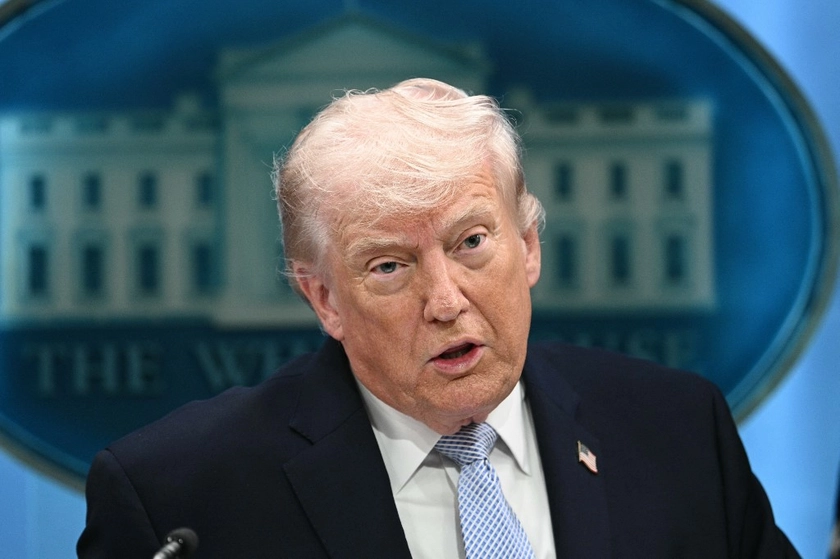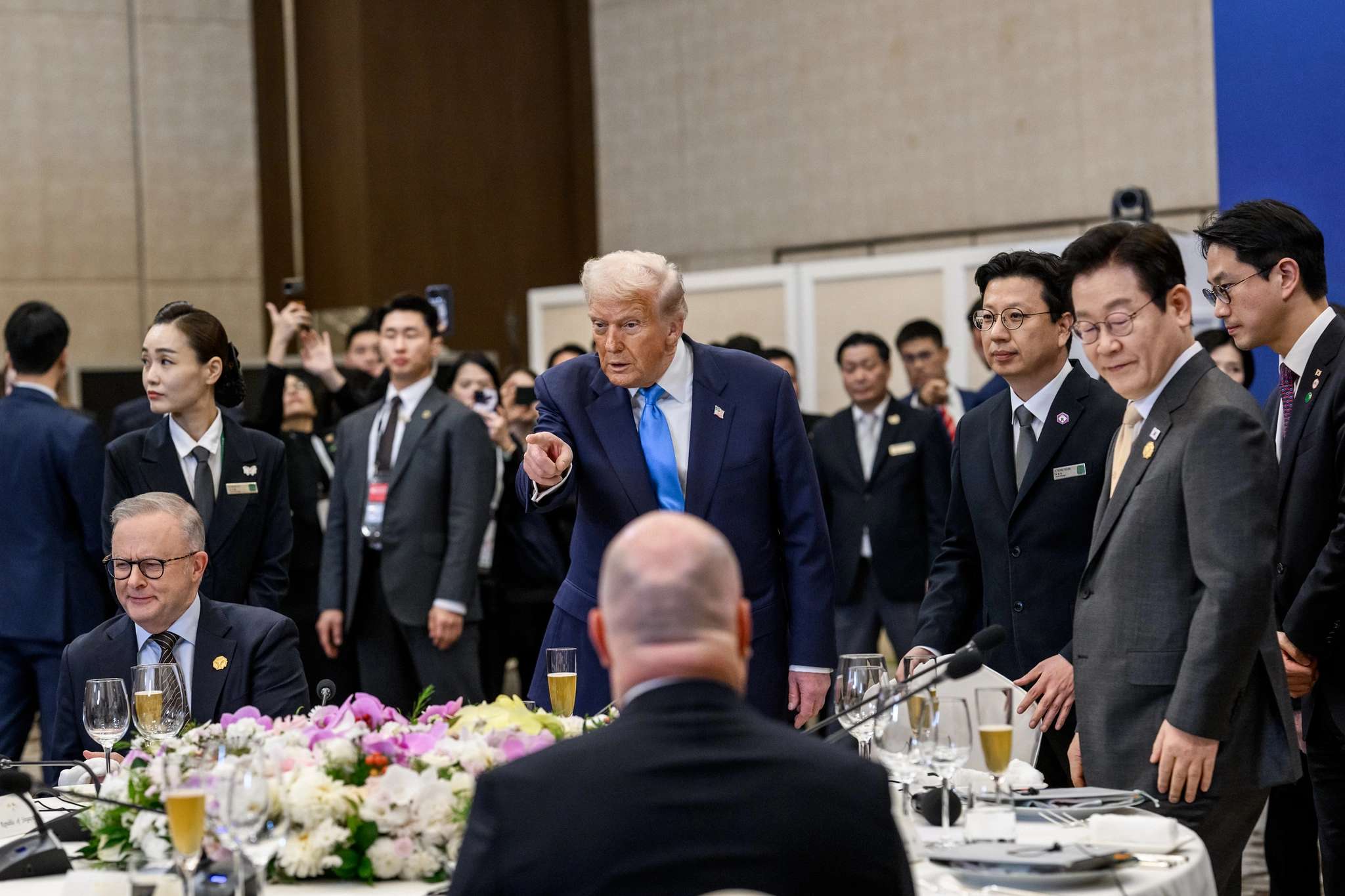
WASHINGTON DC – US President Donald Trump is standing firm on his directive to resume nuclear weapons testing. But the White House’s refusal to clarify what those tests will involve is sowing confusion, sparking concern, and prompting accusations that the administration is recklessly inviting a new arms race.
During cryptic remarks aboard Air Force One on Friday, Trump offered reporters no clear explanation of his plans for “nuclear testing,” only promising that answers are coming soon.
JOIN US ON TELEGRAM
Follow our coverage of the war on the @Kyivpost_official.
“You’ll find out very soon, but we’re going to do some testing, yeah,” he said when pressed on whether he intends to resume underground nuclear detonations – a practice the US halted in 1992.
He reiterated a familiar justification for the move, one that could upend three decades of global non-proliferation norms: “Other countries do it. If they’re going to do it, we’re going to do it. I’m not going to say here.”
Precedent problem
That rationale, however, is colliding with a hard reality. Nuclear policy experts note that Trump’s claim is demonstrably false when referring to explosive nuclear testing.
While Russia continues to test its nuclear-capable delivery systems, and North Korean leader Kim Jong Un has recently launched missiles that could carry nuclear warheads, North Korea remains the only nation to have conducted an actual nuclear explosive test since the 1990s.
Syrsky: Russian Maps Show False Advances to Please Top Command
This distinction raises the key question roiling Washington: Is the White House referring to conventional tests of delivery systems – which the US already conducts – or a return to detonating actual warheads? The latter would mark a provocative and unprecedented step for a major power.
Hegseth vows to move “quickly”
Despite the ambiguity from the Oval Office, the Pentagon appears to be moving forward.
Secretary of Defense Pete Hegseth, speaking during a meeting with ASEAN Secretary-General Kao Kim Hourn, confirmed that his department will coordinate with the Department of Energy to begin the process “quickly.”
Hegseth framed the move as consistent with Trump’s long-held “peace through strength” doctrine, emphasizing the need to ensure the US possesses the “most capable” nuclear arsenal and a “credible nuclear deterrent.”
“I think it makes nuclear conflict less likely if you know what you have and make sure it operates properly,” Hegseth said, adding, “We’re moving out quickly, and America will ensure that we have the strongest, most capable nuclear arsenal, so that we maintain peace through strength.”
Political fallout and foreign policy headaches
The timing of Trump’s announcement – posted late Wednesday on Truth Social, less than an hour before his scheduled meeting with Chinese President Xi Jinping – has only intensified speculation about his motives.
When asked about the timing, Trump offered a characteristically vague response: the decision “had to do with others.”
Reaction on Capitol Hill was swift and sharply divided. Republicans cast the move as a necessary display of strength.
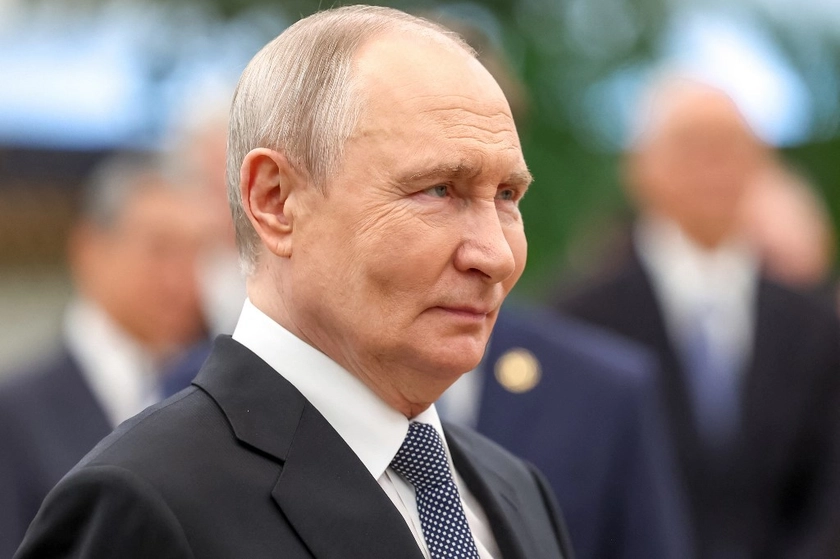
Senate Foreign Relations Committee Chair James Risch (R-ID) called the order “not escalatory,” arguing that it sent a message to Vladimir Putin that Trump “is not intimidated.”
Democrats, meanwhile, warned of dangerous consequences. Senator Mark Kelly (D-AZ), who sits on the Senate Armed Services Subcommittee overseeing the nuclear arsenal, called the move a “gift to China,” saying it would hand Beijing a perfect excuse to restart its own testing.
For now, the White House seems content to let the uncertainty linger—treating a decision with enormous geopolitical implications like a reality-show cliffhanger.
The only thing that’s clear is that the clock is ticking on Trump’s promise that the world will “find out very soon” what his nuclear gamble truly entails.
You can also highlight the text and press Ctrl + Enter