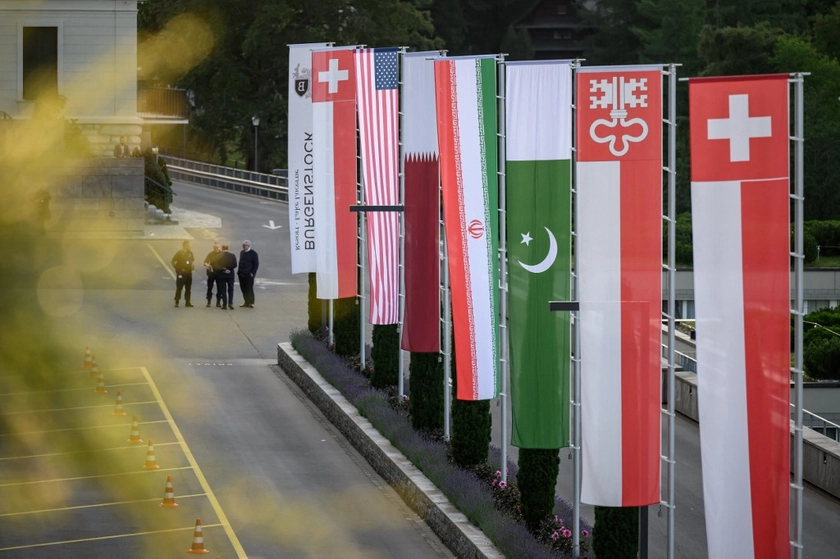
WASHINGTON DC – Despite a sudden, sharp rebuke from US President Donald Trump back in Washington, top American and Ukrainian officials emerged from the first session of crucial peace talks in Geneva on Sunday voicing optimism and signaling a path toward modifying the controversial US proposal to end the war in Ukraine
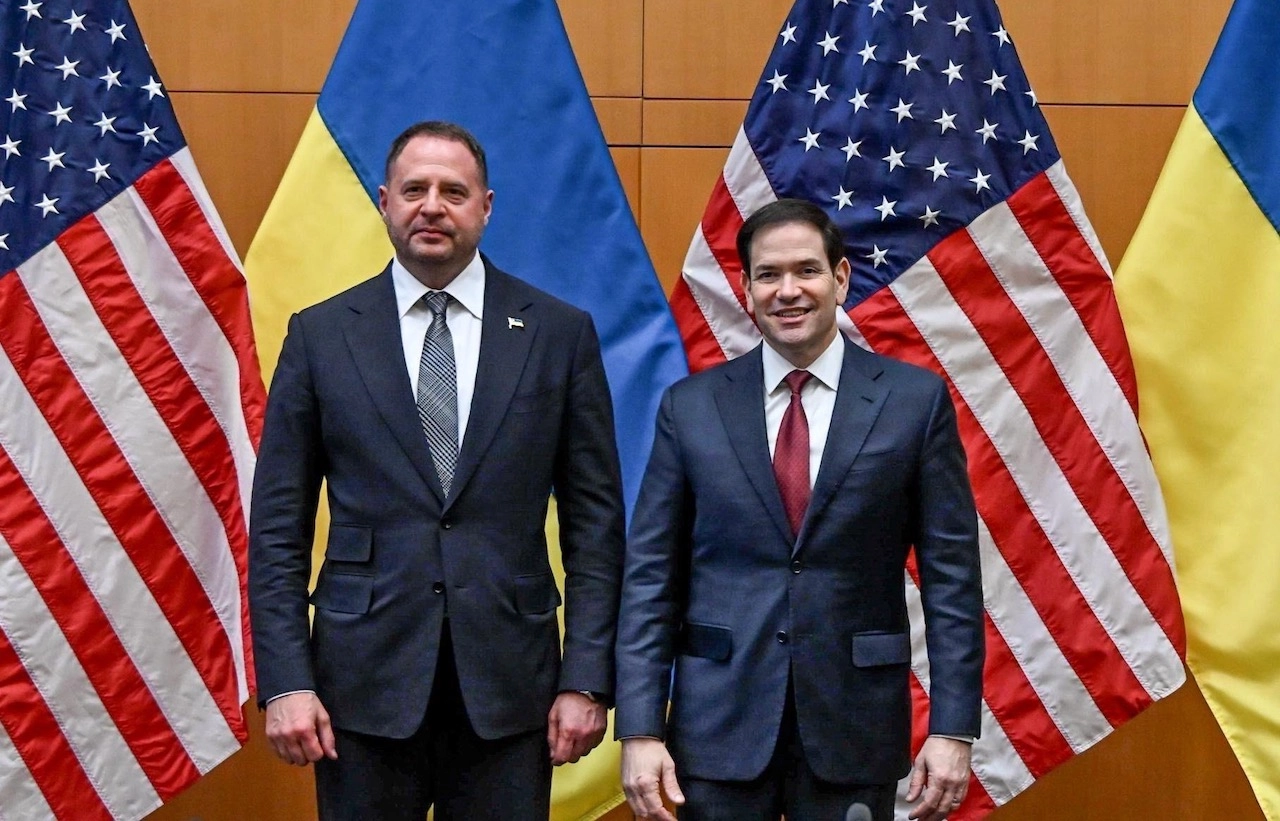
Secretary of State Marco Rubio, leading a muscular US delegation that blends diplomats, generals and Trumpworld insiders, declared the opening session “the most productive and meaningful” of the entire process “from the beginning.”
JOIN US ON TELEGRAM
Follow our coverage of the war on the @Kyivpost_official.
Standing before reporters at the US Mission in Geneva, Rubio confirmed for the first time that the US is preparing to revise President Donald Trump’s original 28-point proposal following weeks of European objections and Ukrainian unease.
“We have a very good work product,” Rubio said, explaining that negotiators had worked through the document “point by point,” and were now drafting “changes” and “adjustments” to bring the US and Ukrainian positions closer together.
His team, he said, had retreated to their rooms to continue rewriting sections ahead of later sessions.
Ukraine’s presidential Chief of Staff Andriy Yermak, who appeared alongside Rubio, echoed that optimism, calling the session “very productive” and insisting the delegations were moving toward the “just and lasting peace the Ukrainian people deserve.”
Iran States Lebanon Conflict to Top Agenda in Talks with US in Switzerland
Yermak later wrote on social media that a second round of meetings would begin the same evening, this time with Europeans fully engaged as negotiators attempt to merge competing drafts.
“We sincerely thank our great friends – the United States, personally President @POTUS and his team – for their commitment to bring peace,” Yermak wrote, adding that final decisions would ultimately fall to the two presidents.
Hefty, high-stakes US delegation
Washington’s delegation to Geneva underscores the stakes – and the political complexity – of the talks.
In addition to Rubio, the US team includes Special Envoy Steve Witkoff, widely viewed as the architect of the initial Trump proposal; Secretary of the Army Dan Driscoll; and General Alexus Grynkewich, NATO’s Supreme Allied Commander Europe (SACEUR).
Grynkewich’s presence is notable: rarely does NATO’s top military commander sit directly inside negotiations that could redefine Europe’s security architecture.
The group also includes Jared Kushner, Deputy National Security Advisor Andy Baker, State Department Counselor Mike Needham, and Julie Davis, the chargé d’affaires in Kyiv.
Their presence reflects an administration attempting to balance political instincts, military realities, and alliance dynamics – often at the same table and sometimes at cross purposes.
Europe’s counter-proposal reworks foundation
European officials, blindsided by the US draft and furious at what they saw as an uncoordinated bid to push Kyiv toward premature concessions, arrived in Geneva armed with a sweeping counter-proposal.
Their version dramatically reshapes the core pillars of the peace plan. Ukraine, they argue, should be allowed a peacetime force of up to 800,000 troops, reversing the 600,000-soldier cap built into the US text.
Territorial negotiations, they insist, must begin from the current line of contact, not from any implied concessions to Moscow, while Ukraine would commit not to retake land by force.
The Europeans also demand a US security guarantee modeled on NATO’s Article 5, a provision many capitals view as essential to preventing Ukraine from being stranded in a permanent grey zone.
On NATO membership itself, the draft strikes a cold note: accession still requires full alliance consensus – - something that “does not currently exist.”
Their proposal would bar permanent NATO troop deployments in Ukraine during peacetime, keep frozen Russian sovereign assets locked until Moscow compensates Ukraine for war damages, and require nationwide elections soon after any agreement is reached.
Rubio’s acknowledgment that Washington is now reviewing European “suggestions” for incorporation marks a rare retreat – and signals that the US position is shifting closer to the European one.
Talks continue into the night
Both Rubio and Yermak made clear that Sunday’s session was only the beginning. Negotiators planned to reconvene later that evening and continue “in the coming days” as they attempt to weld the competing US, Ukrainian, and European drafts into a single unified text.
“This is literally an ongoing process,” Rubio said. “We’ll come back later tonight with more.”
European envoys, seeing the US move closer to their position, are eager to lock in their revisions before Washington firms up a new baseline.
Ukraine, for its part, is playing both sides with confidence – coordinating with Europeans, embracing US flexibility, and pressing its long-standing red lines.
Progress and peril under the same roof
For all the smiling photo ops and shared talking points, the Geneva talks remain perched on a precarious edge.
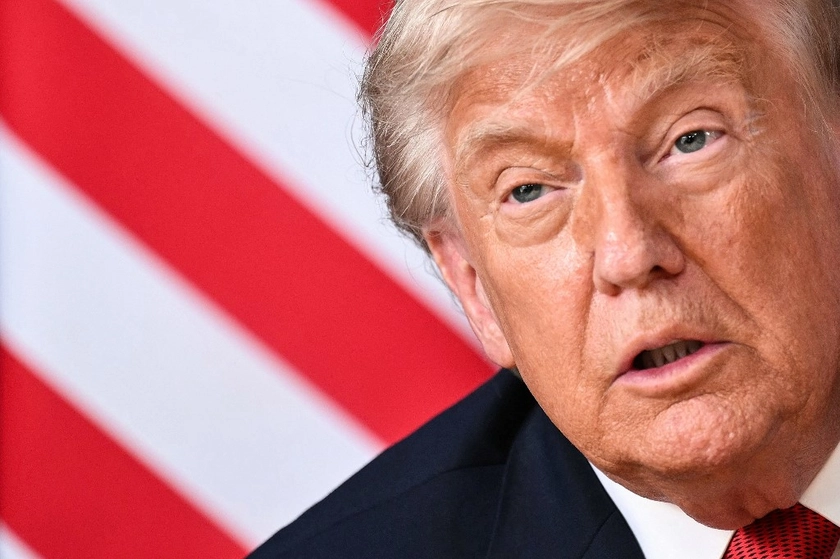
The structural risks are enormous. Trump’s volatility hangs over every page negotiators revise, with a single Truth Social post capable of reshaping Rubio’s room to maneuver.
European unity – already strained – looks fragile, as Hungary’s Viktor Orbán, fresh off a one-year US sanctions exemption on Russian energy, quietly signals doubts behind closed doors.
Kyiv’s stance is unwavering: no territorial concessions, binding security guarantees, and no settlement that locks Ukraine into a permanent geopolitical limbo.
And in the background, Russia is watching intently. Though absent from the Swiss talks, Moscow may see opportunity in any daylight between Washington’s political leadership and its negotiating team – and may already be calculating how to exploit it.
Still, after nine months of drift and discord, Sunday gave negotiators something rare: the sense that a coherent Western framework might finally be emerging. Whether it survives the next round, the next leak, or the next presidential post remains another matter entirely.
For now, the teams work behind closed doors, trading drafts, comparing red lines, and hoping that the “most productive” day of talks doesn’t turn out to be the high-water mark – but rather the beginning of an actual path to peace.
You can also highlight the text and press Ctrl + Enter