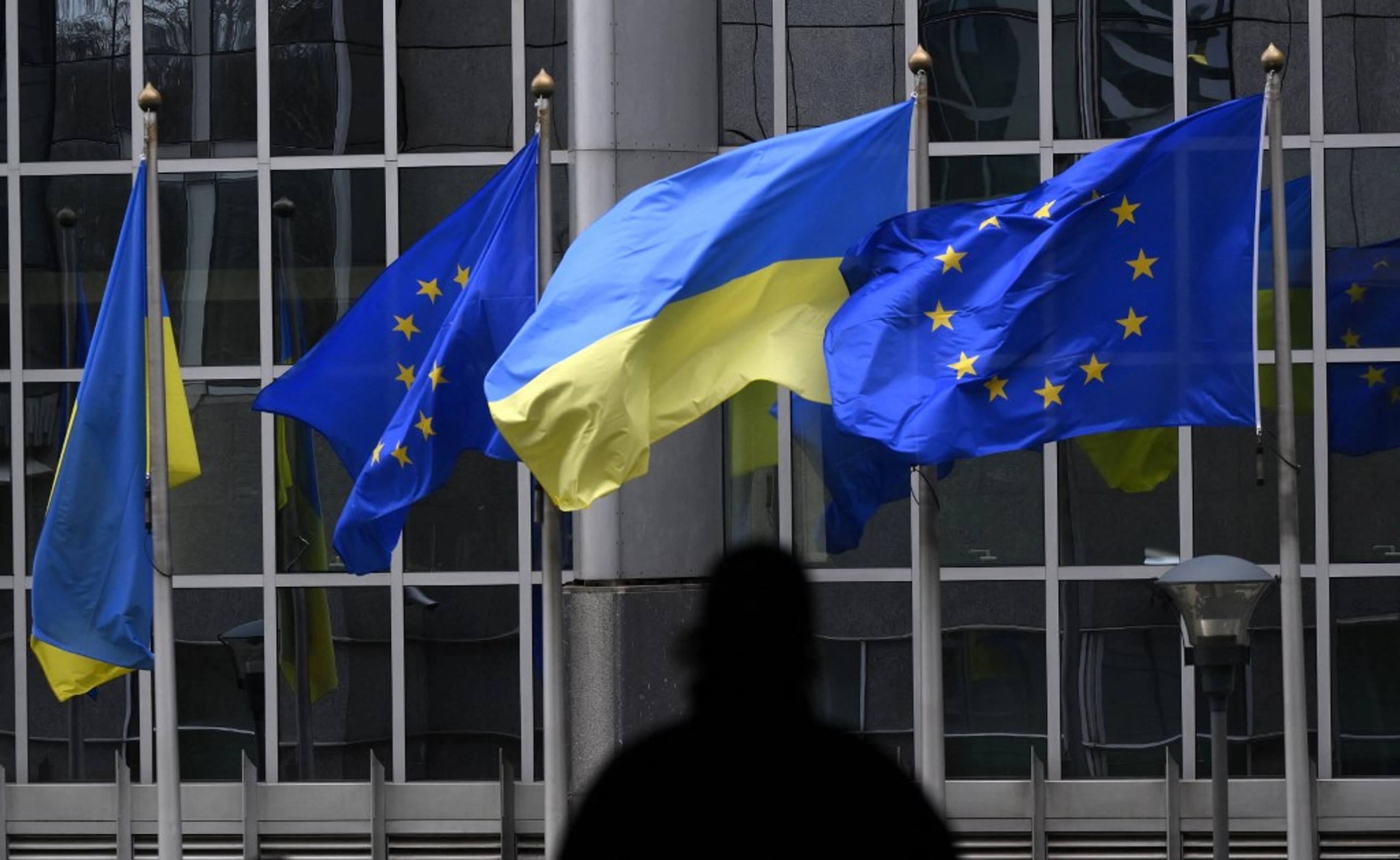
On Friday, June 12, news spread around the world that Ukraine and Moldova had launched the first stage of their EU accession negotiations, a step that required the approval of all member states. Does this mean that the prospect of membership is getting closer? It is certainly good news, but this is also where the hard part begins.
Following Orbán’s defeat in Hungary, many expected that the obstacles would disappear. That is a very misleading assumption. Nor is the issue limited to other countries such as Bulgaria, Slovakia, or the ongoing historical and political dispute with Poland.
JOIN US ON TELEGRAM
Follow our coverage of the war on the @Kyivpost_official.
The negotiations that are now beginning mark the start of a long journey toward meeting demanding standards, including some of the most discouraging ones, such as effectively combating corruption. The key factor, however, will ultimately be a political decision: whether existing EU members are willing to accept new states into the Union. During that process, it may turn out that countries currently welcoming Ukraine with open arms in public statements are, in practice, more reluctant to see it join the EU. Under an unfavorable scenario, populist politicians could emerge in Kyiv who would abandon the integration agenda or exploit it for political gain.
The trap of eternal integration
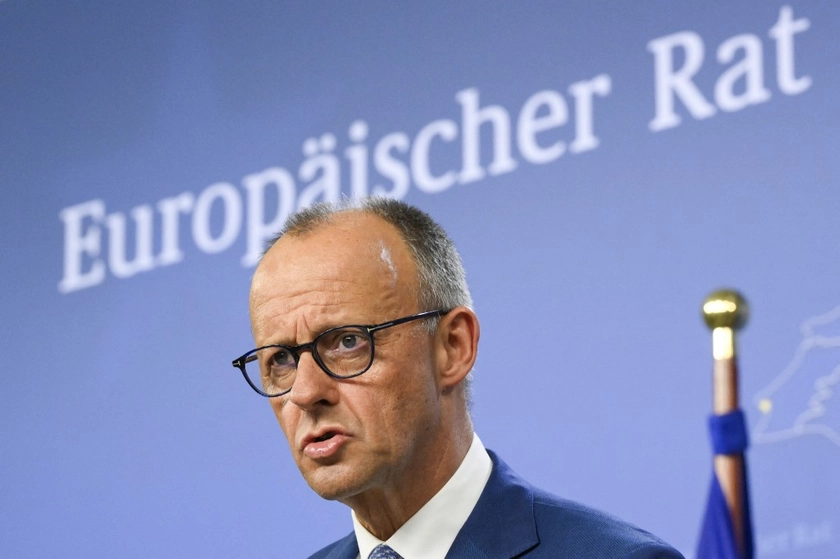
In the second half of May, Chancellor Friedrich Merz proposed a special EU status for Ukraine, a suggestion initially welcomed by much of the pro-Ukrainian press. Yet such a form of declared rapprochement could ultimately lead not to membership but to a permanent special status – keeping Ukraine close to the EU while permanently outside it.
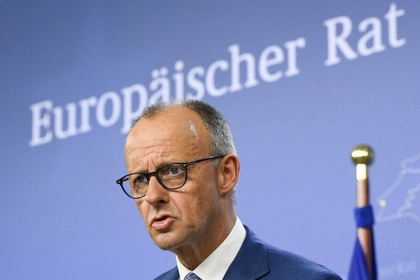
Germany’s Waning Influence Mirrors Broader EU Fragmentation
The broader dynamics of social and political change in Europe also matter. Support for radical parties is growing, and there is no guarantee that these forces will maintain support for Ukraine at the levels seen in recent years. Not every radical party will necessarily follow the path of what might be called “Melonization.” Italy’s elections raised many concerns, but once in office, the Italian prime minister adopted a markedly different approach.
Western policies toward Ukraine may also change after the war ends. There will undoubtedly be political forces advocating a reset in relations with Russia, although abandoning Ukraine after such extensive investments in its survival and reconstruction is highly unlikely. Even if dialogue with Russia resumes, the nature of those relations will differ from what existed before 2022.
There is, however, another danger. Once the fighting ends, Western countries may do virtually everything possible to prevent another war. Unfortunately, they may often pursue that goal at Ukraine’s expense, and this could affect Kyiv’s path toward EU membership. As experience shows, Russia itself will continue testing how far it can push. Taken together, and particularly because of political factors, these developments could trap Ukraine in a state of permanent integration without actual membership.
How much is it worth?
From a strategic perspective, it is better for the West to admit Ukraine than to leave it outside. Membership would undoubtedly create numerous challenges, ranging from questions surrounding European treaties to increased economic competition. Yet from the perspective of security in the broadest sense – not only military security – EU membership also entails mutual oversight and coordination of policies and actions within a common framework. This applies whether one is discussing business competitiveness, minority rights, or the transparency of democratic processes.
For years, Ukraine has demonstrated significant foreign policy ambitions. Its technological development and wartime know-how are also major assets, as are its capabilities to operate deep inside Russian territory.
EU membership would also provide mechanisms for managing and controlling the escalation of such actions. Put simply, if Ukraine becomes part of Western structures, it will gain influence over Western decision-making, while the West will gain influence over Ukraine. This would serve as a stabilizing mechanism with built-in checks and balances – something invaluable in a region scarred by war.
What can Ukraine do?
One of Ukraine’s unquestionable and often underappreciated achievements is that, despite war and immense hardship, it remains a democratic state. It is equally clear that the EU integration process itself helps sustain that democratic trajectory. Ukraine must seize opportunities and windows of possibility through consistent and durable reforms. This may prove difficult, particularly when those reforms require sacrifices from specific interest groups. Ukraine should also avoid antagonizing its allies – the societies and political classes of countries whose support it will continue to need.
This will require something that appears simple but is, in reality, quite difficult: political leaders willing to place strategic decisions above polling numbers and short-term political interests.
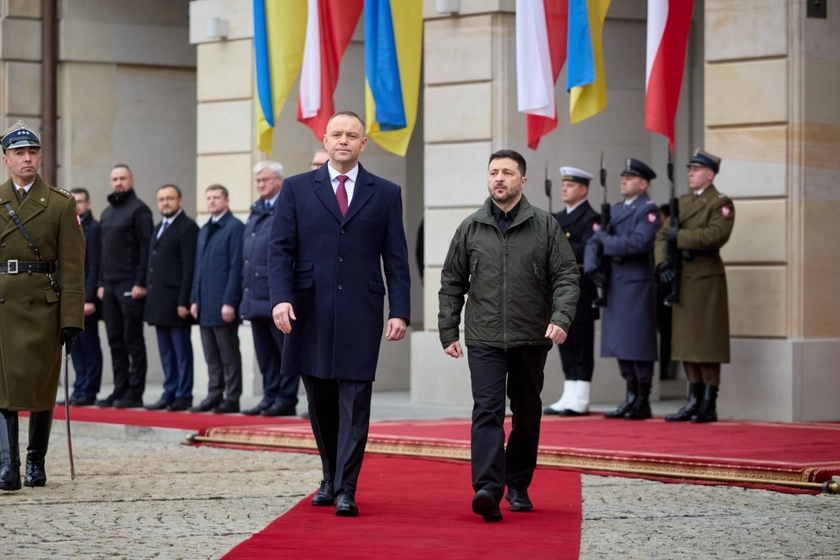
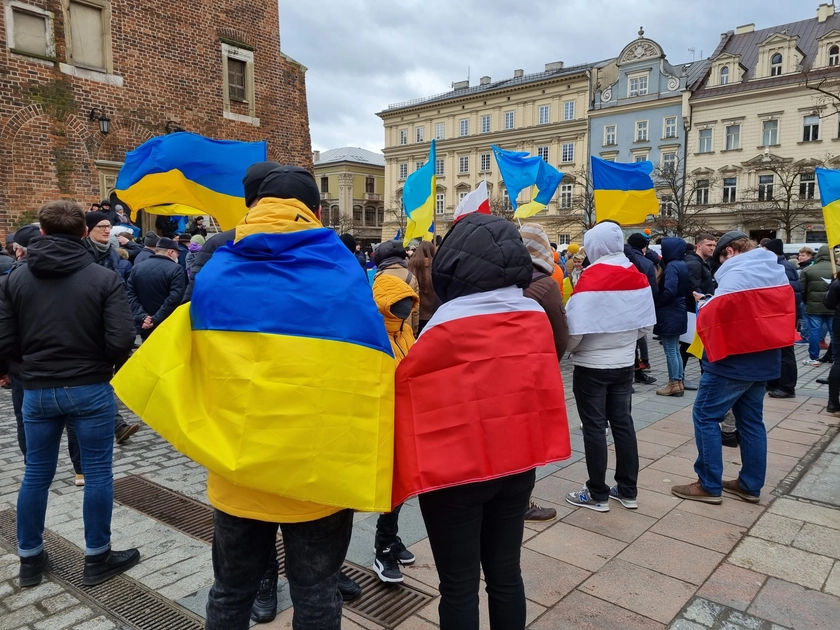
Such antagonism can currently be seen in relations with Poland. Public opinion there erupted after President Volodymyr Zelensky named a military unit after UPA figures regarded by many Ukrainians as heroes. Regardless of the arguments and details of the dispute, Ukraine will ultimately face a political choice: whether it prioritizes EU integration or decisions of this kind. Ukraine will not be denied EU membership because of historical memory related to nationalist movements from the Second World War. Nevertheless, such issues may increasingly generate political resistance across Europe.
At the same time, they can be exploited by various actors as a convenient explanation for broader opposition. As part of its ongoing process of nation-building and identity formation, Ukraine can address these questions internally and hold a meaningful public debate about them – especially given that it is a multiethnic society in which being Ukrainian is fundamentally a matter of choice rather than ethnicity.
Disappointment and sovereigntism
The dispute with Poland may also fuel the growth of sovereigntist sentiments. Particularly in the symbolic sphere, such views insist that no one outside Ukraine should have any influence over the country’s choices. Ultimately, this is a question of what the struggle that began with Euromaidan and continues through the current war is really about. Is it a fight for isolationism and symbols that alienate allies, or is it about becoming an integral part of the free West – with all of its imperfections, but also its prosperity, dignity, development, and freedom?
Alongside sovereigntism, another sentiment may emerge: disappointment with the West. That feeling is not yet visible, but one can easily imagine that over the next decade, after the war ends, populist forces will arise that capitalize on emotions such as: “They do not want us despite our efforts,” or “They want to make decisions for us.”
Politics built on wounded pride and resentment rarely leads anywhere good. This risk will become particularly acute if Ukraine repeatedly hears “no” from the European community, or if the accession process continues to drag on despite genuine reform efforts. That is why visible progress in integration is so important.
Ukrainian society must remain resilient to populism and avoid becoming disillusioned. Tangible benefits from integration will, over time, allow Ukrainians to feel not merely that they are moving toward the West, but that they are already part of it. Otherwise, growing disappointment may give rise to various forms of isolationism or sovereigntism – ideas that are far less attractive in practice than they may initially appear.
Ukraine stands before a historic opportunity, and its political elites must do everything possible to seize it.
The views expressed in this opinion article are the author’s and not necessarily those of Kyiv Post.
You can also highlight the text and press Ctrl + Enter