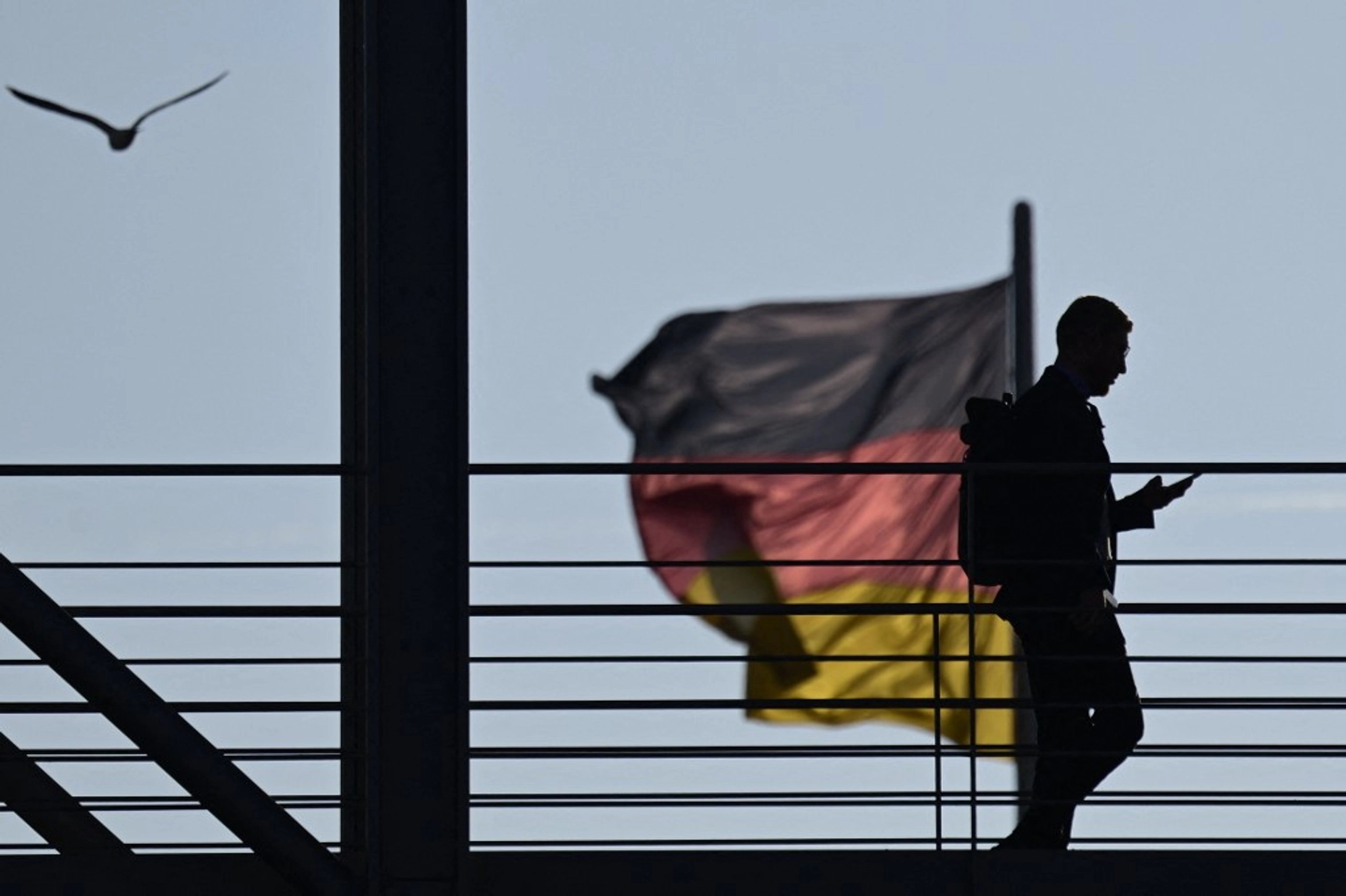
Germany summoned the Russian ambassador on Friday, accusing Moscow of orchestrating a cyberattack on the nation’s air traffic control systems and attempting to meddle in the country’s federal elections earlier this year.
A spokesperson for the German Federal Foreign Office asserted that Russian military intelligence was responsible for “a cyber-attack against German air traffic control in August 2024.” The official also alleged that Moscow had sought to interfere in the February federal elections, aiming to destabilize Germany’s political landscape.
JOIN US ON TELEGRAM
Follow our coverage of the war on the @Kyivpost_official.
In a statement to AFP, Russia’s embassy in Berlin dismissed the accusations, calling them “baseless, unfounded, and absurd” and denying any involvement of state structures or affiliated hacker groups.
“The objective of these Russian cyber and disinformation operations is unmistakable: to sow division, erode trust, provoke societal rejection, and undermine confidence in democratic institutions,” foreign ministry spokesperson Martin Giese said.
Giese indicated that the cyberattack bore the hallmarks of Fancy Bear, a hacking collective widely believed to operate on behalf of Russia’s military intelligence service, the GRU, advancing Moscow’s political objectives.
Fancy Bear is infamously linked to the 2016 cyber infiltration of the US Democratic National Committee, an operation designed to influence the outcome of the US presidential election that year.
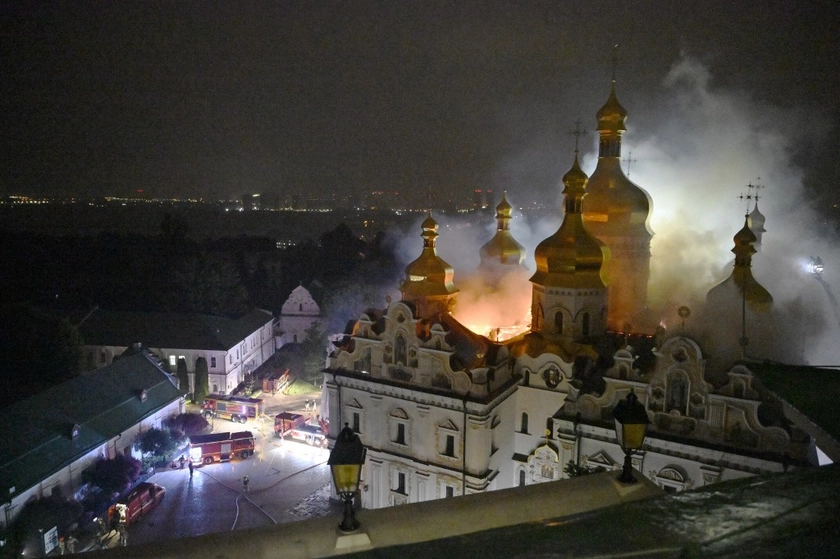
UN Security Council to Convene on Kyiv-Pechersk Lavra Strike
“Our intelligence findings prove that the Russian military intelligence service GRU bears responsibility for this attack,” Giese claimed.
The ministry official further detailed that evidence pointed to Moscow’s broader strategy to meddle in Germany’s domestic politics, including the recent federal election, through a disinformation campaign codenamed Storm 1516.
Targets of the campaign included Robert Habeck, the Green Party’s candidate, and Friedrich Merz, the Christian Democrat candidate who is now Chancellor.
Analysis by German intelligence showed that the campaign spread “artificially generated fictitious investigative research, deepfake image sequences,” fake websites of journalists and invented witness statements across multiple platforms.
Giese emphasized that Germany possesses “absolutely solid proof” of Russian involvement but refrained from providing specifics to avoid compromising ongoing intelligence operations.
He stated that Berlin would take “a series of countermeasures to make Russia pay a price for its hybrid actions, in close coordination with our European partners,” including by supporting “new individual sanctions against hybrid actors.”
Starting in January, EU member states will intensify monitoring of Russian diplomats traveling within the Schengen Area, aiming to enhance intelligence sharing and mitigate security risks, Giese said.
Across Europe, governments have sounded the alarm over Russian espionage, drone surveillance, sabotage operations, cyberattacks, and disinformation campaigns, which officials classify as components of Moscow’s ongoing “hybrid warfare” strategy.
On Thursday, NATO Secretary General Mark Rutte warned that Europe needed to prepare for “the scale of war our grandparents or great-grandparents endured” amid aggression from Russia.
“Just imagine if [Russian President Vladimir] Putin got his way; Ukraine under the boot of Russian occupation, his forces pressing against a longer border with NATO, and the significantly increased risk of an armed attack against us. It would require a truly gargantuan shift in our deterrence and defense,” he said.
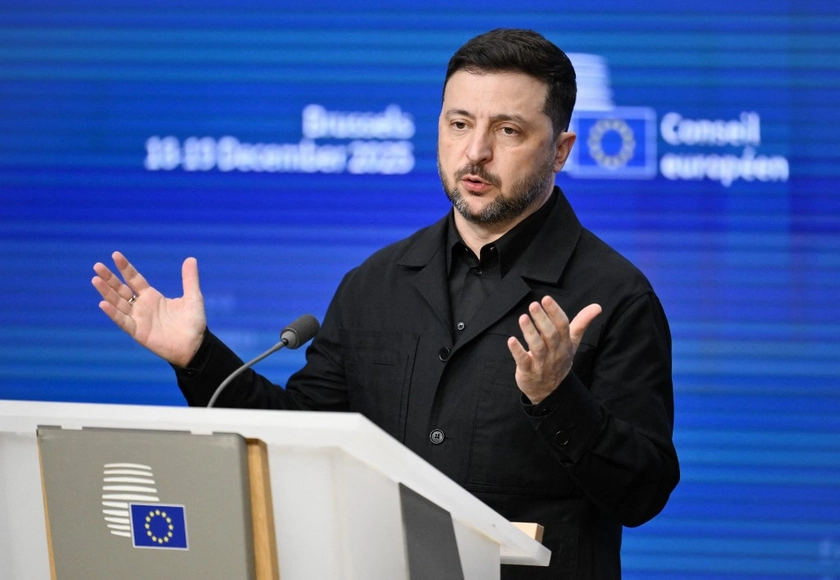
The findings came ahead of President Volodymyr Zelensky’s visit to Berlin on Monday for talks with Merz and “many” other NATO and European allies, which was announced by a German government spokesperson on Friday.
British Prime Minister Sir Keir Starmer and French President Emmanuel Macron are also reportedly expected at the meeting to discuss the latest developments in a US-led plan to end the war in Ukraine.
You can also highlight the text and press Ctrl + Enter