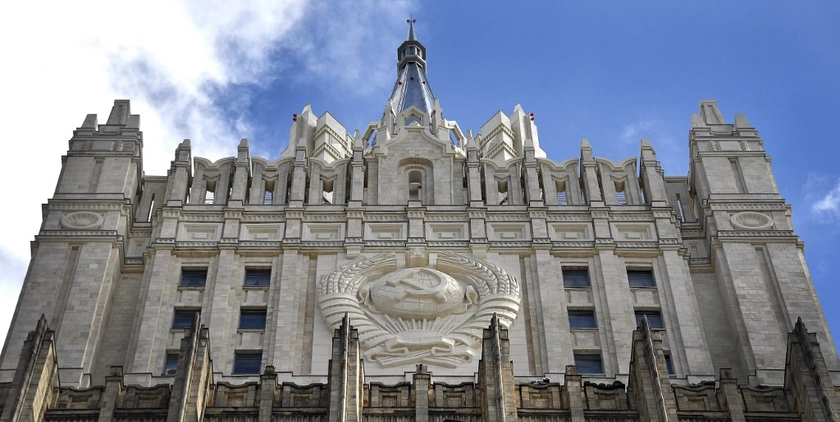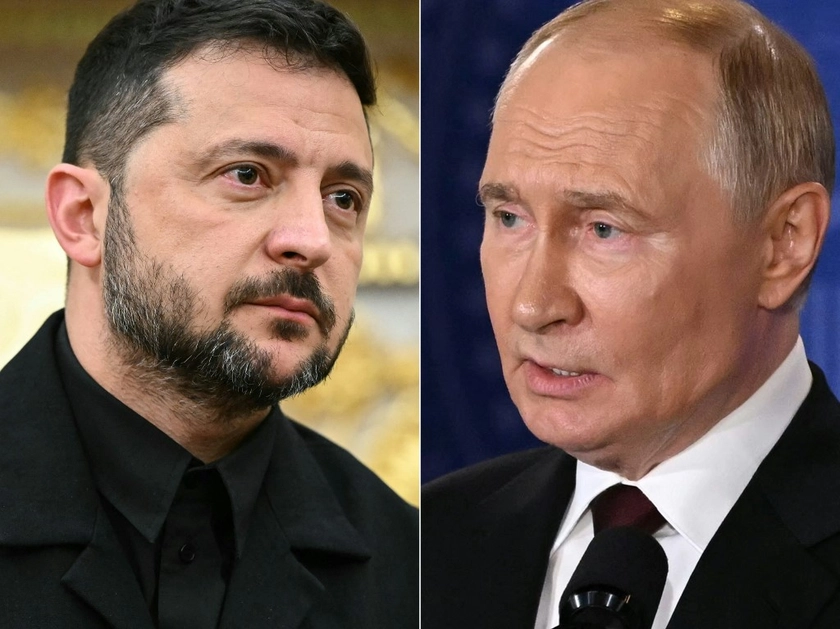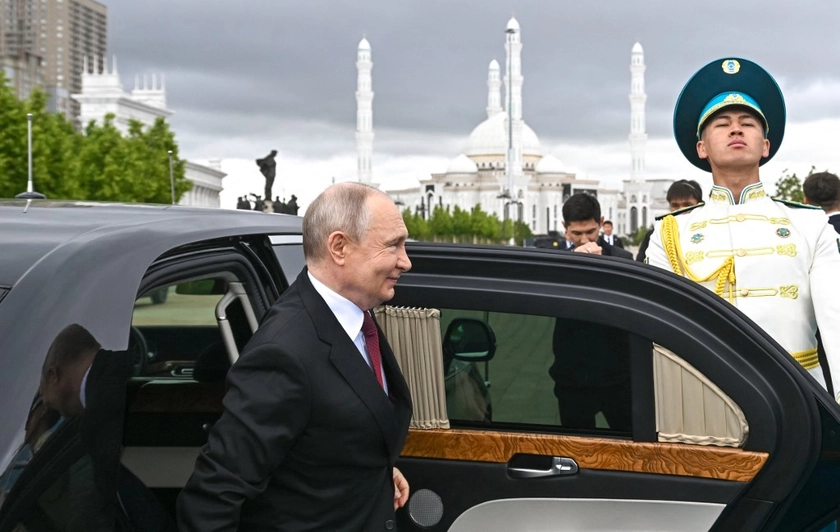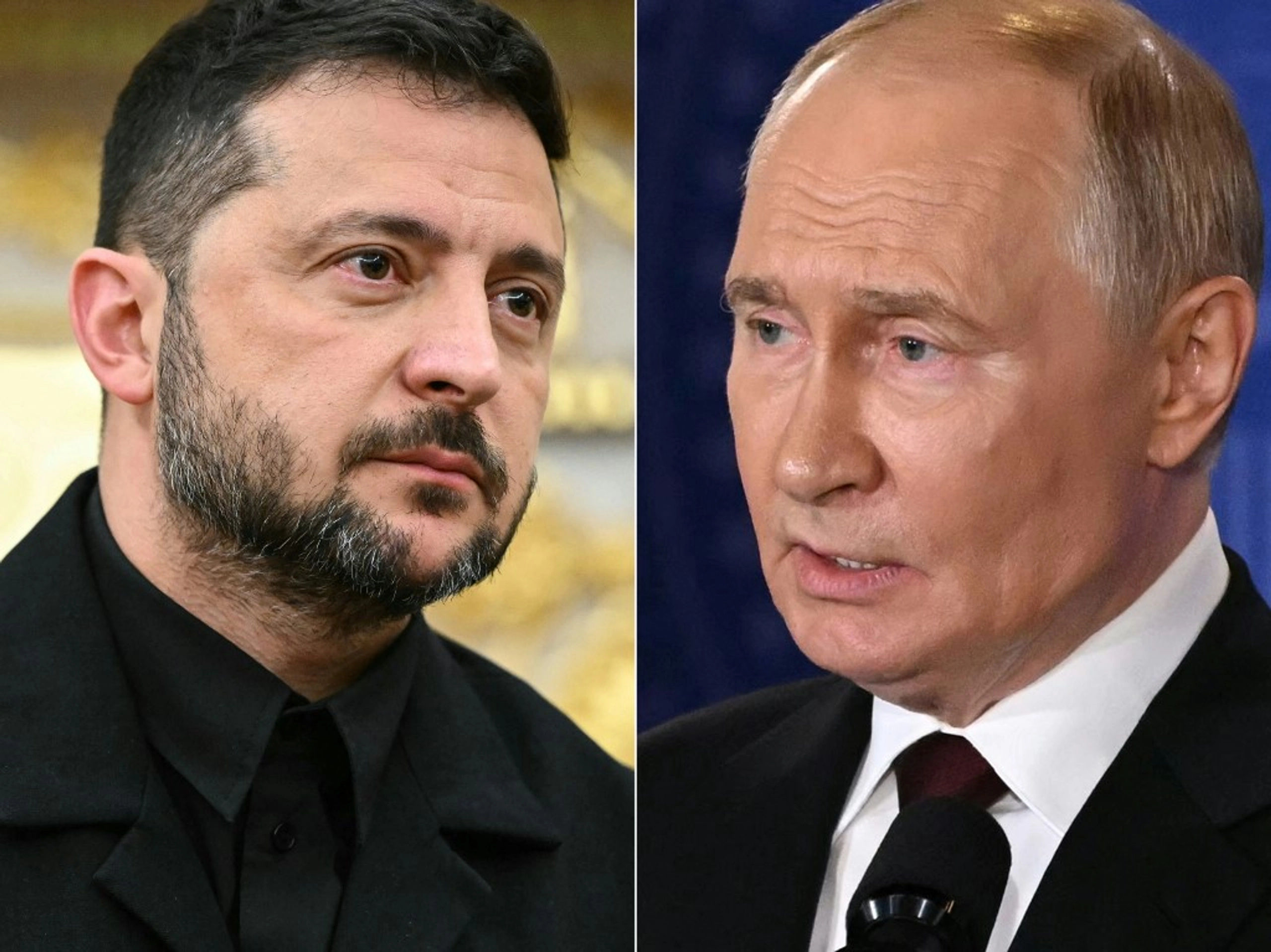
Russia’s deputy foreign minister claimed Moscow and Kyiv are close to a diplomatic deal, even as he repeated demands Ukraine has long ruled out, such as ceding territory and barring NATO forces from Ukrainian soil.
Speaking in an exclusive interview with ABC News on Monday, Russian Deputy Foreign Minister Sergei Ryabkov said he believed the two sides were “on the verge” of a deal to end Russia’s full-scale invasion of Ukraine.
JOIN US ON TELEGRAM
Follow our coverage of the war on the @Kyivpost_official.
“We are prepared to have a deal,” Ryabkov said, adding that he hoped an agreement could be reached “sooner rather than later.”
His comments came as US administration officials signaled growing optimism about the state of negotiations. According to officials who spoke on condition of anonymity, roughly “90%” of the issues between Moscow and Kyiv have been resolved as part of Washington’s latest peace push.
Moscow signals readiness – with conditions
Ryabkov said the talks were advancing as both Russia and Ukraine engage with American representatives under a White House-led initiative to end the war.
However, the Russian diplomat said that Moscow’s longstanding demands remain unchanged – a repetition of his earlier comments. Chief among them is recognition of Russian control over Crimea, which Moscow annexed in 2014, as well as four other partially occupied Ukrainian regions: Donetsk, Luhansk, Zaporizhzhia and Kherson.
“We have five altogether and we are not able, in any form, to compromise on this,” Ryabkov said, referring to the territories.
Russia Disguises Fuel Trucks as Milk Tankers to Reach Crimea
Ukrainian President Volodymyr Zelensky has repeatedly rejected any territorial concessions, insisting that Ukraine’s sovereignty and internationally recognized borders are non-negotiable.
“As for the position of the Russians, so far it has not changed. They know they want our Donbas,” Zelensky said on Monday night. “Our position is practical, realistic and fair. We stand by it, and we do not want to give up our Donbas.”
NATO presence ruled out
Another major obstacle, according to Ryabkov, is the possible deployment of troops from NATO member states to Ukraine after the war, whether as part of security guarantees or under a European-led “Coalition of the Willing.”
“We definitely will not at any moment subscribe to, agree to, or even be content with, any presence of NATO troops on the Ukrainian territory,” he said.
After hosting Ukrainian, European and US representatives in Berlin on Monday, German Chancellor Friedrich Merz outlined a sharply different vision. He said a European-led multinational force for Ukraine, made up of the so-called Coalition of the Willing and supported by the US, would help secure a postwar peace.
In a statement, Merz said such a force would support the “regeneration of Ukraine’s forces,” help secure Ukrainian airspace and contribute to safer maritime conditions, including through operations inside Ukraine.
European leaders have consistently argued that postwar security arrangements are essential to prevent renewed Russian aggression, while Moscow has consistently framed NATO involvement as a red line.
Kremlin rhetoric unchanged
During the interview, Ryabkov declined to refer to Russia’s actions as a war, instead using the Kremlin’s official phrasing of a “special military operation.”
“We do what we do, we want to stop it,” he said, adding that an end to Moscow’s invasion would depend on whether Kyiv and its supporters “recognize the inevitable outcome of our success.”
Asked about the suffering and deaths caused by the conflict, Ryabkov said he felt sympathy for those affected.
“The whole purpose of what is being done by us there is to ensure that at least some of those people, majority of those people, find it better… to be where they belong, which is Russia,” he said.
Veteran diplomat, familiar claims
Ryabkov, who has served as Russia’s deputy foreign minister since 2008 under Foreign Minister Sergey Lavrov, is one of Moscow’s most prominent foreign policy voices.
In the months before the 2022 invasion, he publicly downplayed the threat of war, saying Russia had “no intention” of attacking Ukraine even as troops massed near its borders.
He has also been a regular commentator on US-Russian relations, frequently calling for renewed dialogue on nuclear arms control. However, Ryabkov said progress on such issues would only be possible after what he described as “substantive and irreversible improvements” in Washington’s policy toward Moscow.
Last month, he told Russia’s state-owned International Affairs magazine that a new meeting between US President Donald Trump and Russian President Vladimir Putin was possible as peace talks continue. “I wouldn’t rule anything out,” he said.
Despite Moscow’s claims of progress, key gaps remain between Russia’s demands and Ukraine’s stated red lines – raising questions about whether proximity to a deal reflects genuine convergence, or renewed pressure on Kyiv to accept terms it has long rejected.
After Berlin, negotiations shift to Washington
Following what officials publicly described as productive talks in Berlin between the Ukrainian delegation, European allies and US envoys, the next round of consultations is already being prepared.
Speaking to reporters via WhatsApp Messenger aboard a plane leaving Germany on Monday evening, Zelensky said the diplomatic process was now moving into an intensive next phase.
“Today or tomorrow we will complete the documents. Then the US team will hold consultations with the Russians. After that, the negotiators will meet with the US president, and then our teams will reconvene in the United States. It could even happen this weekend,” Zelensky said.
Meanwhile in Washington, Trump, speaking from the Oval Office after phoning into the European leaders’ summit in Berlin, told reporters that an end to Russia’s war in Ukraine was “closer now than we have ever been.”
You can also highlight the text and press Ctrl + Enter
Putin’s Worst Nightmare