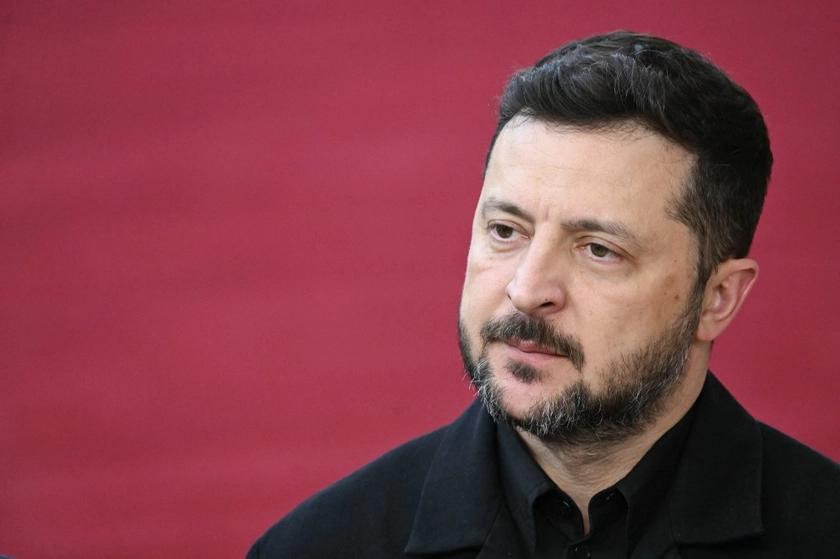
President Volodymyr Zelensky said Russian-Israeli businessman Roman Abramovich visited Kyiv in May carrying a message from Russian President Vladimir Putin outlining a possible framework for future diplomatic negotiations.
Speaking in an interview with The Guardian on Monday, Zelensky said Abramovich acted as an informal channel between Moscow and Kyiv, delivering signals about how potential talks could be structured.
JOIN US ON TELEGRAM
Follow our coverage of the war on the @Kyivpost_official.
“This businessman came to give the message about what can be the infrastructure of diplomatic negotiations,” Zelensky said.
He said Ukraine remains open to diplomacy but insisted its position on territory has not changed.
“We are ready from the very beginning,” he said. “We didn’t want this war and we want to stop this war, but we will not give up our territory by ourselves, by our decisions.”
Zelensky’s comments follow earlier remarks in which he confirmed he met Abramovich in Kyiv in May and used him as an informal channel to send messages to Putin, including a ceasefire proposal.
Speaking previously to Sky News, Zelensky said Abramovich asked that his role remain private and sought to understand Kyiv’s position on potential negotiations.
“He came to Kyiv. He said I [brought a] message direct to you, and I want to take messages from you and to give it to [Vladimir] Putin,” Zelensky said. “But he said that it has to be [done] silently without any kind of publicity.”
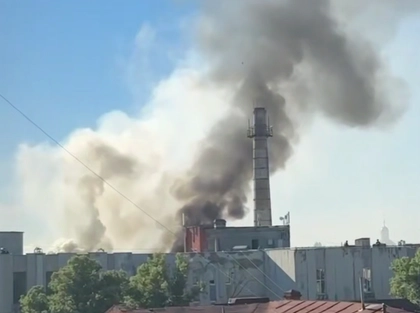
Ukraine Hits Targets 1,300 km Inside Russia, Striking Ufa Oil Refinery and Penza Missile-Linked Plant
Zelensky added that Abramovich’s visit was “not a secret,” and that Kyiv used the channel to clarify its position ahead of any talks.
“It was the key message. I said we will not leave. We will not give you a victory in such way,” he said, referring to Donbas.
According to sources cited by the Financial Times, the channel was used to signal Ukraine’s openness to direct negotiations, even as broader diplomatic efforts were complicated by shifting international priorities.
You can also highlight the text and press Ctrl + Enter