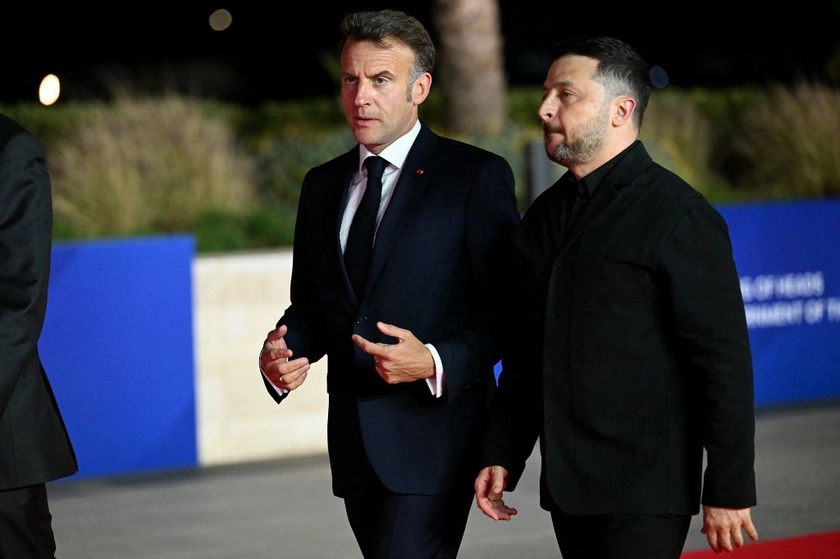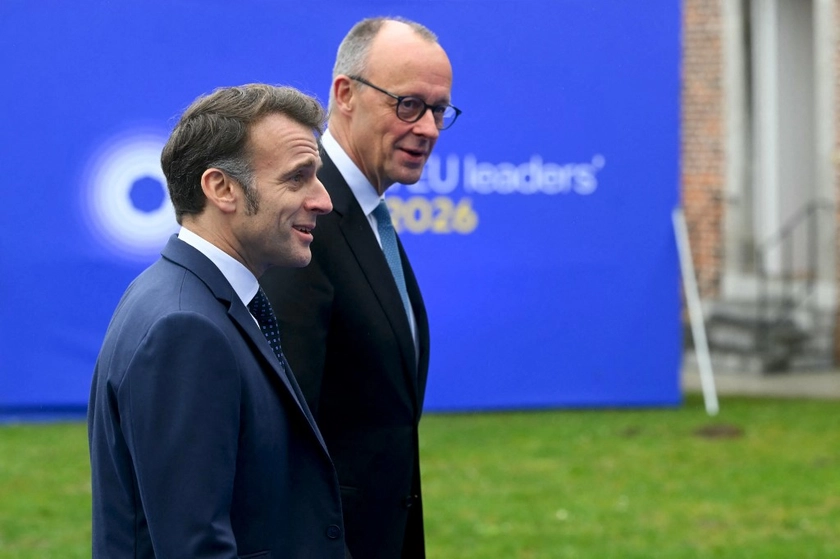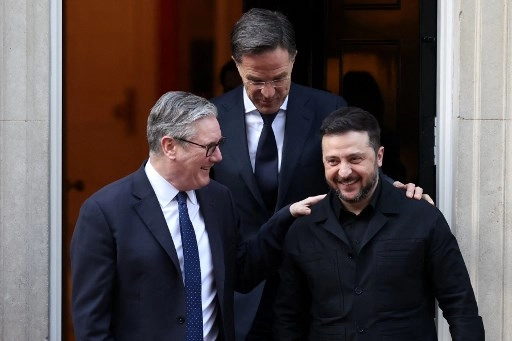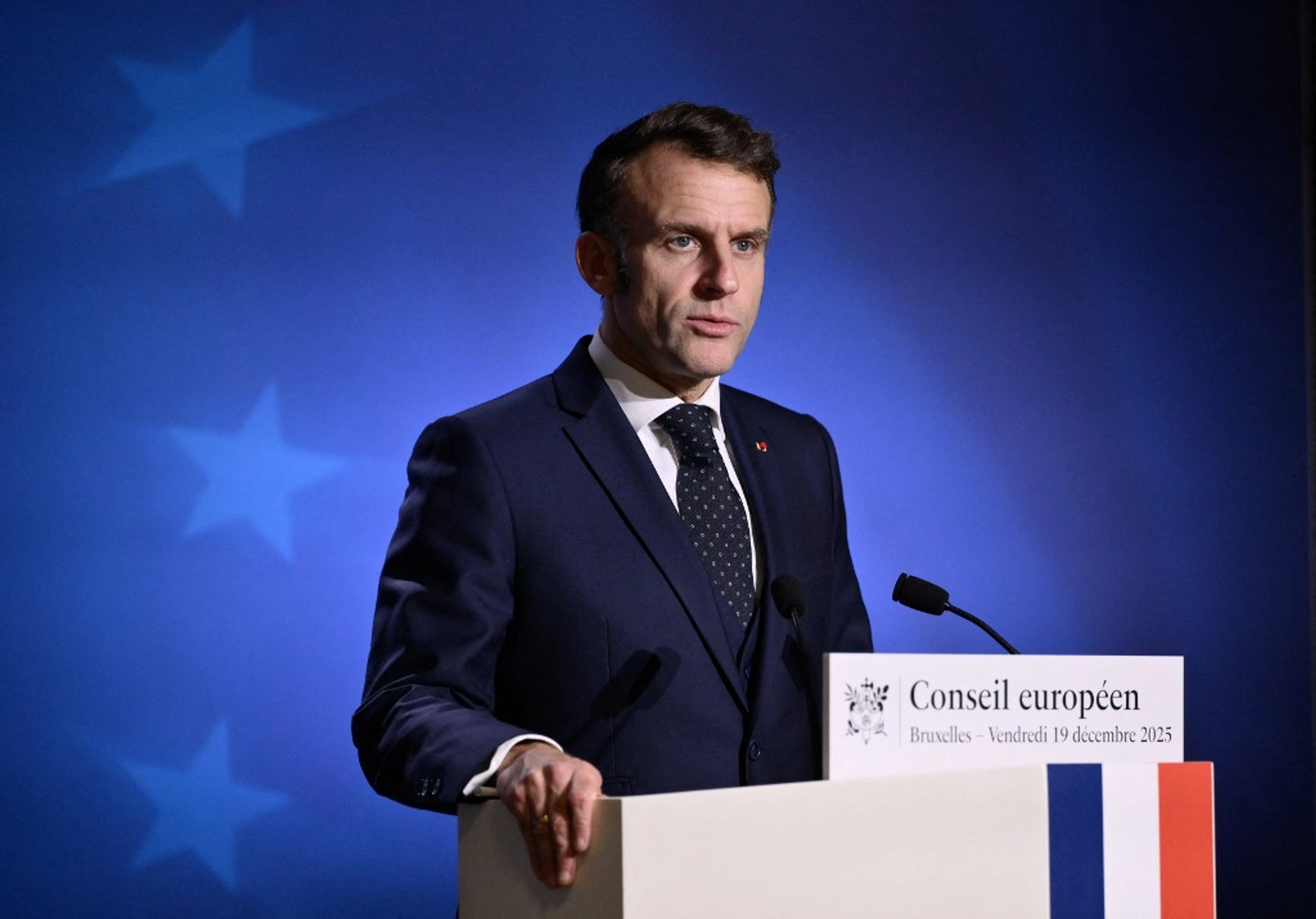
Ukraine’s allies will meet in January to finalize plans for post-ceasefire security guarantees, including the possible deployment of troops on the ground, a French Elysée official said on Friday.
The comments come after fresh talks between Washington and Kyiv yielded a 20-point plan to end the war, now on Moscow’s table.
JOIN US ON TELEGRAM
Follow our coverage of the war on the @Kyivpost_official.
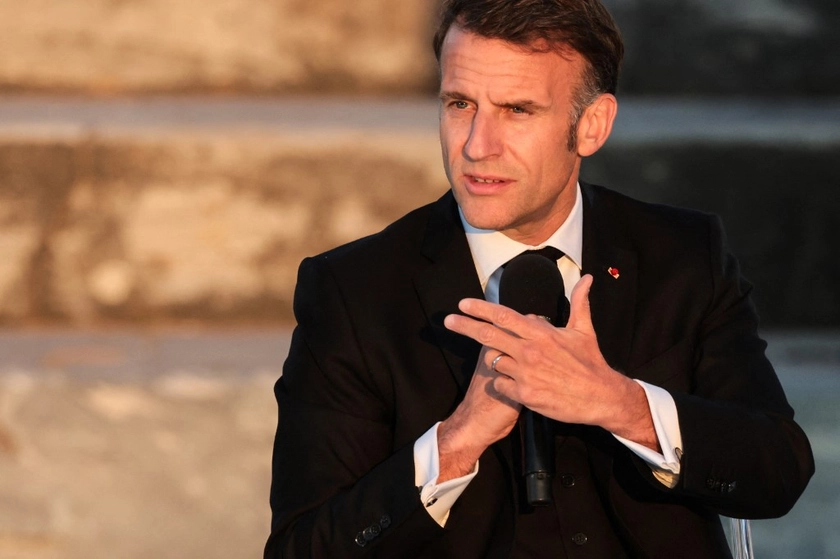
French President Emmanuel Macron wants the group of countries backing Ukraine, known as the Coalition of the Willing, to finalise the details of post-ceasefire support next month, the Elysée said, as Western capitals await Russia’s response to the peace plan.
“Ukrainians, Europeans and Americans agree, and we believe it is now up to Russia to provide a clear answer,” the source added.
The guarantees are expected to be settled from an operational standpoint, giving Ukraine a “clear” picture of what long-term support would look like, the Elysée source added.
Dozens of countries, led by France and the UK, have been working and preparing for the so-called “security guarantees” for months, which include troops on the ground, financial aid, arms deliveries and more to deter Russia from ever attacking Ukraine again.
Some guarantees, especially those provided by the United States, are still under discussion.
Ukrainian President Volodymyr Zelensky is expected to travel to Mar-a-Lago to meet with Donald Trump in “the near future” to finish up the plan. He has long called for legally binding guarantees.
Europe Needs to ‘Believe and Trust’ in Its Own Defense Capability
See the original of this report by Aurélie Pugnet for Euractiv here.
You can also highlight the text and press Ctrl + Enter