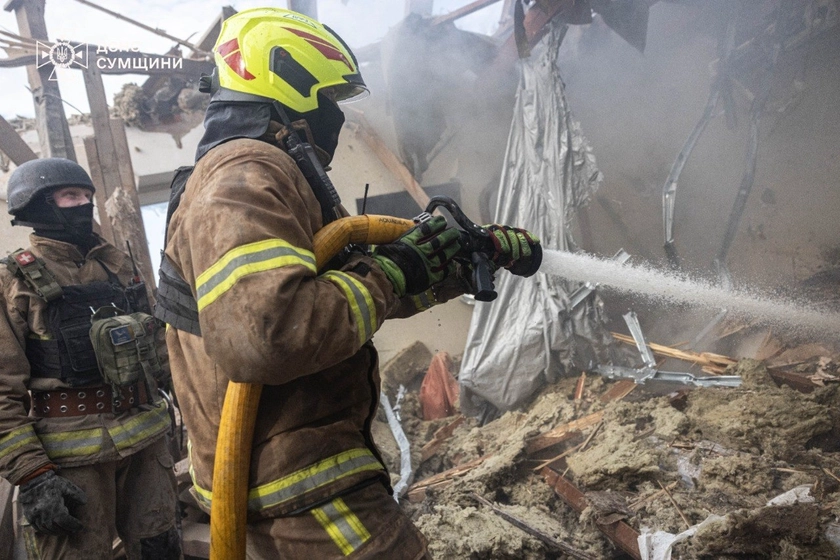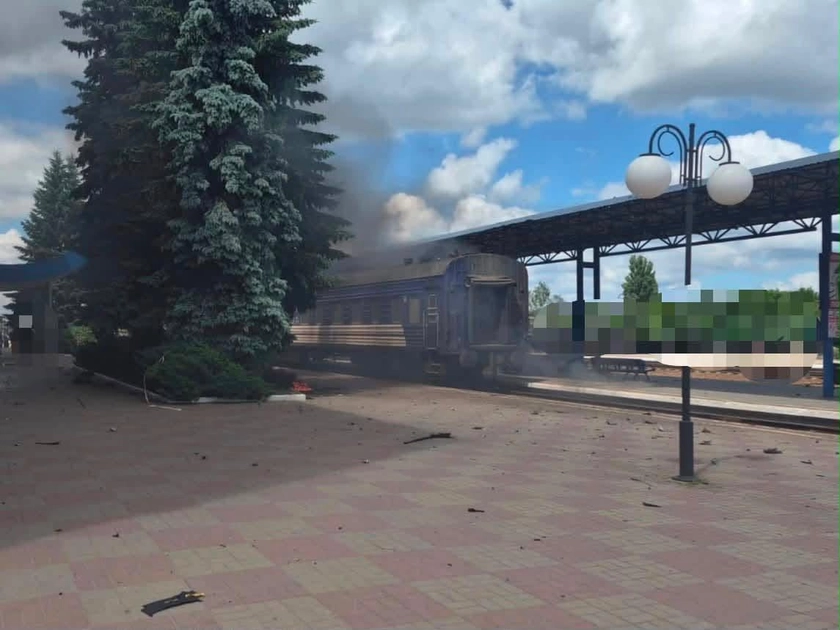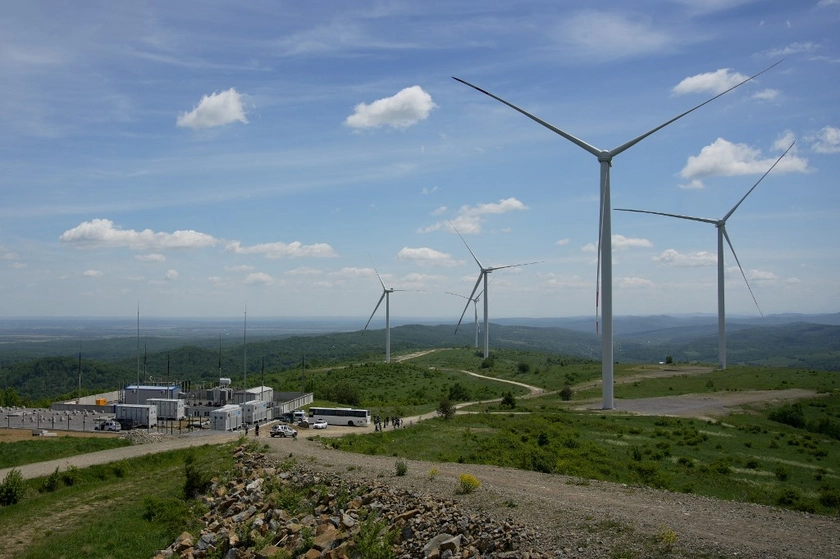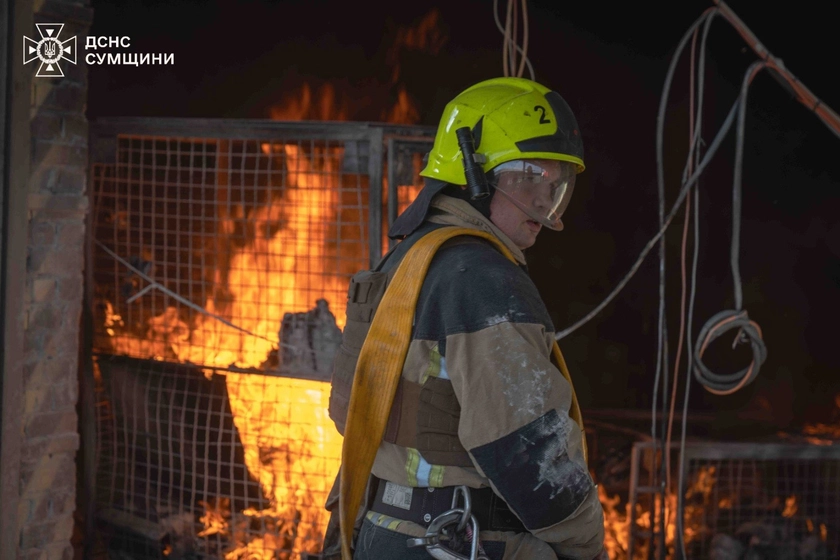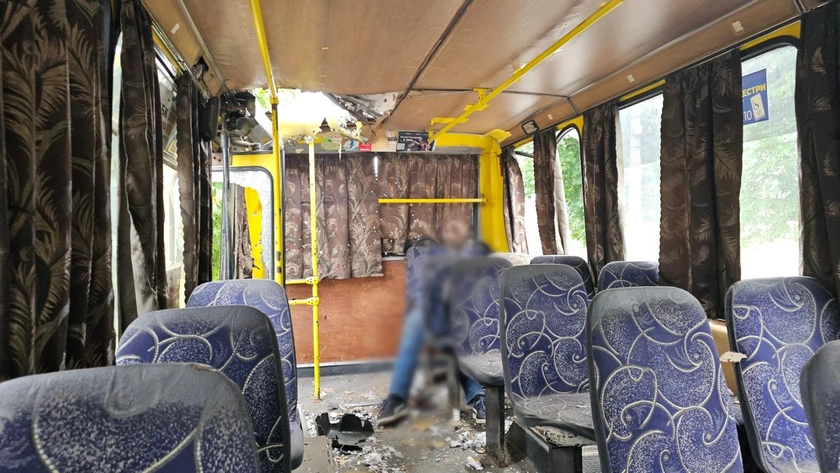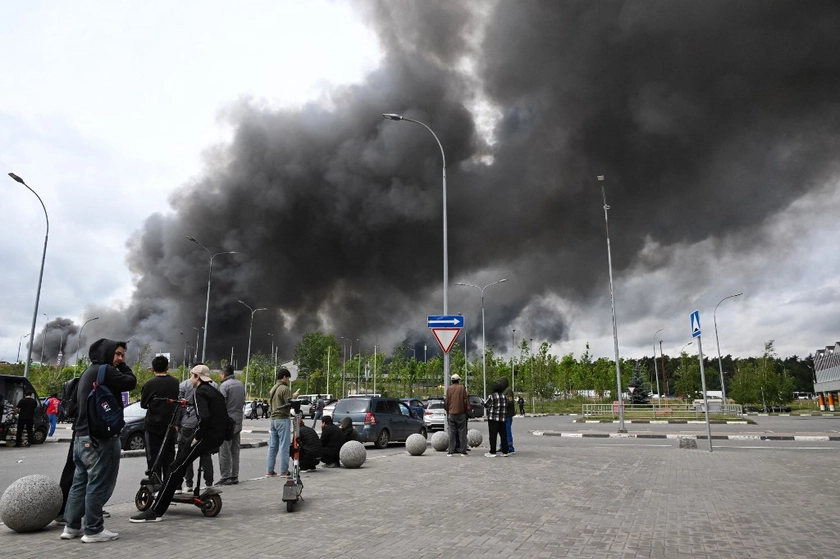
Russian forces launched a massive attack on Ukraine on Saturday, Dec. 27, targeting gas and energy infrastructure with drone strikes on Naftogaz Group’s production facilities and CHP (combined heat and power) plants.
“It is clear these attacks are timed to coincide with the cold snap – the enemy is trying to exploit the frost and peak energy demand to cripple the system,” said Serhiy Koretsky, Chairman of the Board of Naftogaz of Ukraine.
JOIN US ON TELEGRAM
Follow our coverage of the war on the @Kyivpost_official.
He added that emergency crews, technical teams, and all specialized units are working at full capacity to address the damage and restore the facilities.
Naftogaz Group’s infrastructure, encompassing both gas extraction and transmission, has been severely damaged by Russian air strikes.
A new wave of attacks on Ukraine’s gas facilities began in January 2025, causing production to drop by nearly 60% and contributing to a slowdown in the country’s economic growth.
In the first quarter of 2025, Ukraine’s real GDP grew by only 0.5%, according to the National Bank of Ukraine (NBU), reflecting both the destruction of gas infrastructure and a strained workforce that has pressured inflation and limited growth.
To cover the 2025-26 heating season, Ukraine now requires around €2 billion ($2.3 billion) for additional gas imports.
Prime Minister Yuliya Svyrydenko said in an October government Q&A session, as reported by Ukrinform, that this funding will come from a mix of domestic reserves and international support.
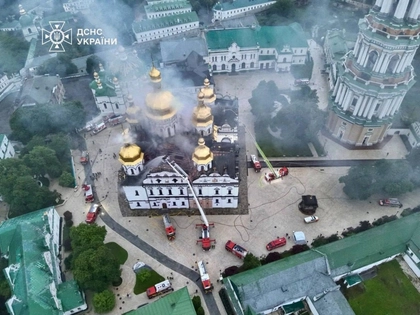
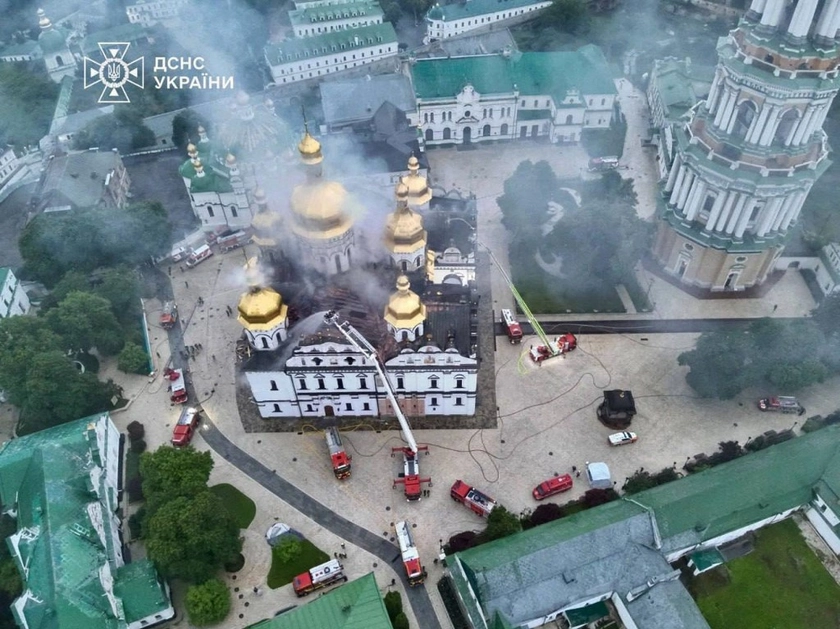
Eurotopics: Russian Drones Strike Monastery in Kyiv
Previously, Ukraine could rely primarily on domestic gas production for the winter. Now, it must import 4.4 billion cubic meters of gas, with nearly 70% of the costs covered by the current Naftogaz team.
In the first half of 2025 alone, Ukraine imported 2.3 billion cubic meters - over 19 times the 0.12 billion cubic meters imported during the same period in 2024, according to DixiGroup data cited by Energy Map.
The cost of these imports reached $1.17 billion, up sharply from $36.4 million a year earlier.
You can also highlight the text and press Ctrl + Enter

Putin’s Worst Nightmare