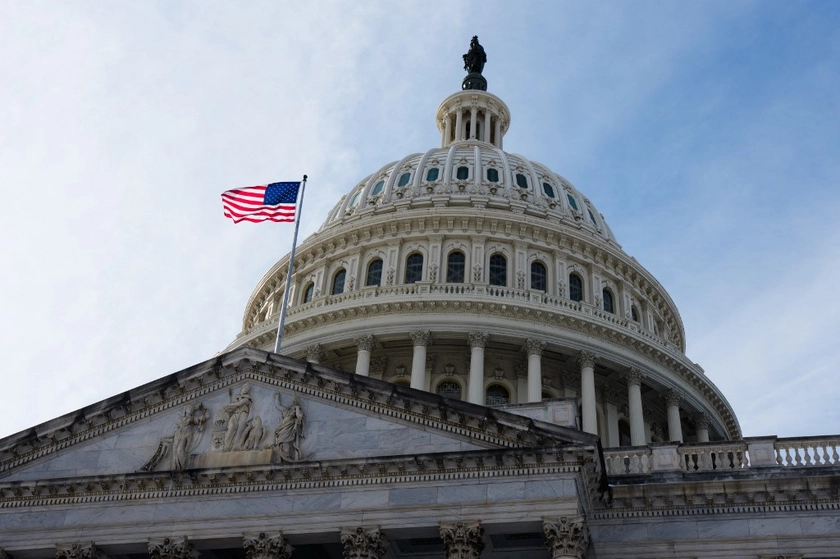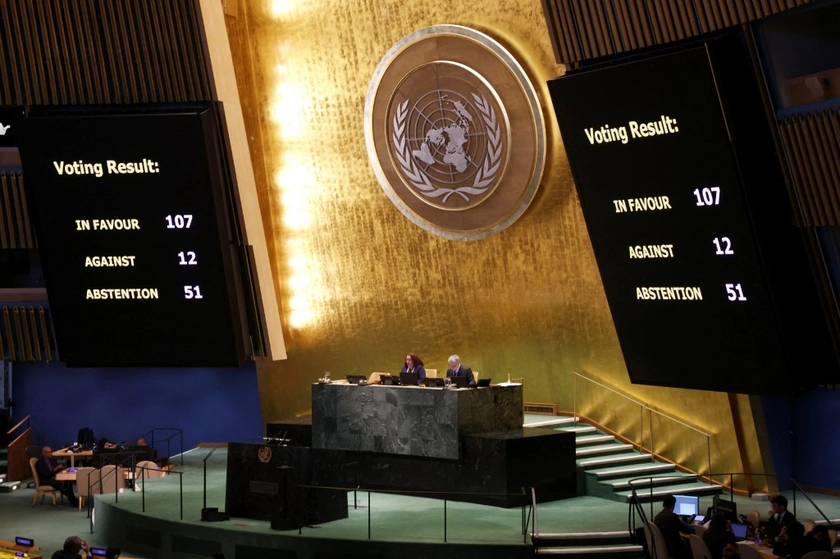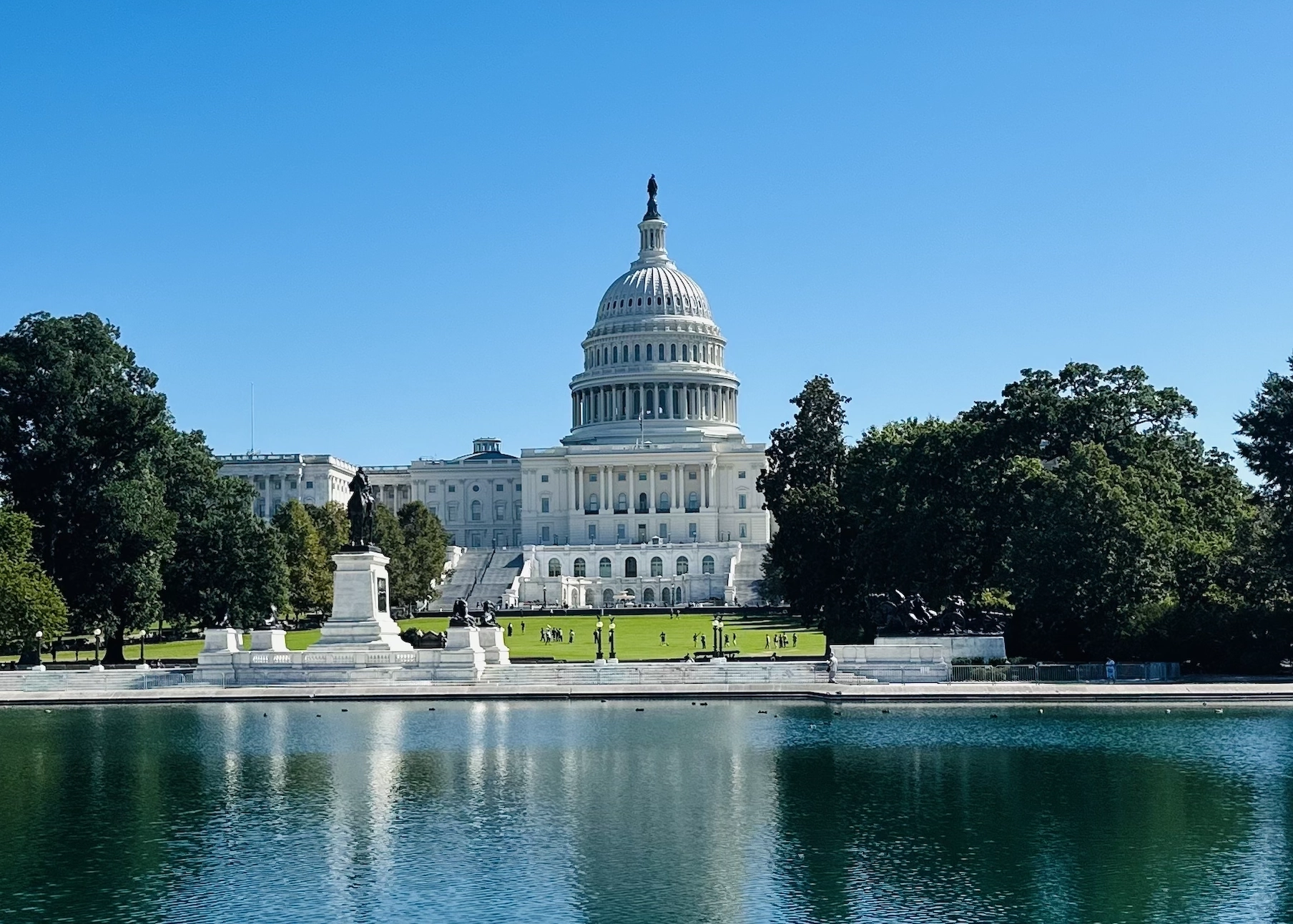
WASHINGTON, DC – As the White House prepares for sensitive talks with Denmark and Greenland, Congress is sending its own message – in statutory language: NATO is off-limits.
Amid the Trump administration’s renewed rhetoric about Greenland rippling through European capitals, US lawmakers are moving to cut off any pathway – political or financial – that could put Washington on a collision course with its own allies.
JOIN US ON TELEGRAM
Follow our coverage of the war on the @Kyivpost_official.
On Tuesday, Senators Jeanne Shaheen (D-NH), the top Democrat on the Senate Foreign Relations Committee, and Lisa Murkowski (R-AK) introduced the NATO Unity Protection Act.
The legislation would bar the use of Pentagon or State Department funds to blockade, occupy, annex, or otherwise assert control over the sovereign territory of a NATO member state without that ally’s consent or authorization from the North Atlantic Council.
A rare and pointed rebuke
The bill amounts to one of the sharpest congressional rebukes yet of recent statements by the Trump administration suggesting the US could seek to take control of Greenland, the autonomous territory of NATO ally Denmark.
“This is Congress saying: absolutely not,” said one senior Senate aide involved in drafting the legislation, speaking to Kyiv Post on condition of anonymity. “You don’t joke about invading allies. And you definitely don’t spend taxpayer dollars preparing for it.”

You Realize How Valuable Life Is When Death Feels Possible Every Day
Lawmakers from both parties describe the effort as a defensive move – not against foreign adversaries, but against the risk that loose talk could metastasize into policy and fracture the world’s most powerful military alliance.
White House meeting looms
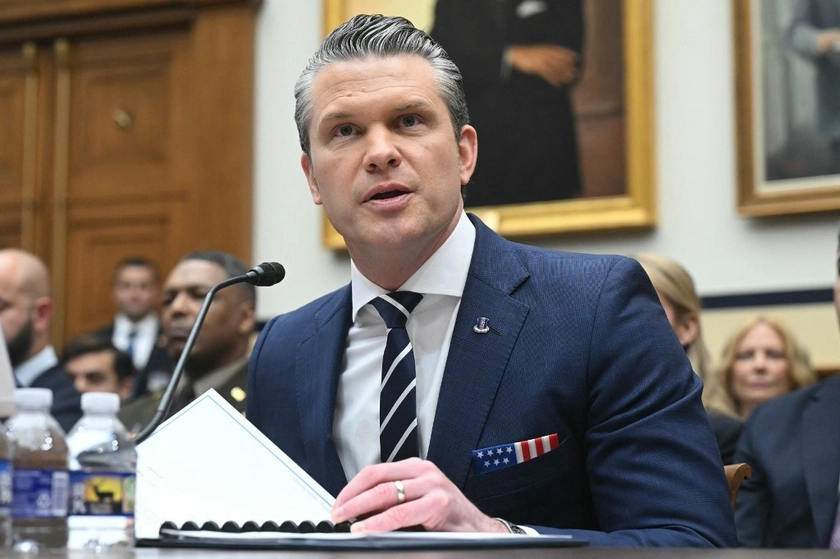
The timing is deliberate. Secretary of State Marco Rubio is expected to meet Wednesday with Danish Foreign Minister Lars Løkke Rasmussen and Greenland Foreign Minister Vivian Motzfeldt in talks that European diplomats say will be closely scrutinized.
A senior US official told Kyiv Post the meeting will take place at the White House, with Vice President JD Vance also expected to attend – a signal of the administration’s engagement, but also a source of unease on Capitol Hill.
“This is one of those moments where allies are reading every word, every gesture,” said a Senate aide. “Congress wanted to get out in front of it.”
NATO’s red line
At the core of lawmakers’ concern is NATO’s founding premise: that member states respect one another’s sovereignty and unite against external threats – not turn their power inward.
“The strength of NATO depends on unity, trust, and respect for the sovereignty of every member state,” Shaheen said in a statement.
“Any suggestion that the US might use its power to seize or control the territory of a NATO ally would directly undermine the alliance that keeps Americans safe and plays into the hands of our adversaries,” she added.
Those adversaries, lawmakers note, are watching closely. Any rupture within NATO would serve the strategic interests of Russia and China – a point spelled out explicitly in the bill’s findings.
A legislative firewall
The legislation, reviewed by Kyiv Post, is designed as a legislative firewall.
It affirms NATO’s central role in US national security, recognizes that any occupation or takeover of a NATO ally’s territory would violate both the UN Charter and the North Atlantic Treaty, and prohibits Defense Department funds from being used to blockade, occupy, annex, or conduct military operations against a NATO member state absent that state’s approval or authorization by the North Atlantic Council.
A parallel provision cuts off State Department funding for developing or implementing plans for such actions.
The bill also includes a carefully calibrated carve-out: nothing in the act would prevent the US from defending itself or an ally from an armed attack or an imminent threat – addressing concerns about limiting presidential authority in a genuine crisis.
“Deeply troubling”
Murkowski framed the legislation as a necessary corrective.
“Our NATO alliances are what set the United States apart from our adversaries,” she said. “The mere notion that America would use our vast resources against our allies is deeply troubling and must be wholly rejected by Congress in statute.”
Behind closed doors, aides say the Greenland rhetoric crossed a line.
“There was a sense that this had moved from fringe talk to something allies were genuinely worried about,” another Senate aide told Kyiv Post. “Once that happens, Congress has a responsibility to act.”
House follows suit
That sense of urgency extends across the Capitol.
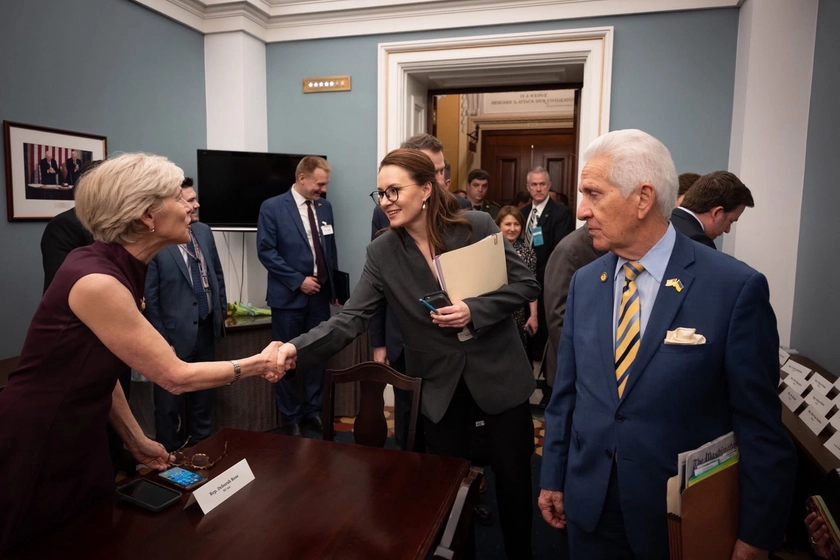
In the House, Congressman Don Bacon (R-NE), chair of the Cyber, Information Technologies, and Innovation Subcommittee, joined Representative Bill Keating (D-MA), the ranking member of the Europe Subcommittee, along with Danish Caucus co-chair Steny Hoyer (D-MD) and NATO Parliamentary Assembly delegate Brendan Boyle (D-PA), to introduce the No Funds for NATO Invasion Act.
The measure would prohibit any federal funds from being used to invade a NATO member state or any territory protected under Article 5 of the North Atlantic Treaty – and bar any US official from taking steps to carry out such an invasion.
“For almost 80 years, NATO has been the foundation for peace and cooperation between the United States and our European allies,” the lawmakers said in a joint statement, calling for an end to “inflammatory rhetoric” and a renewed focus on real threats.
The bill has drawn a long list of Democratic co-sponsors, including Representatives Jason Crow, Eric Swalwell, Brad Sherman, and Marcy Kaptur, underscoring broad support within the caucus for constraining the administration on alliance policy.
A warning shot – and a line in law
Together, the Senate and House bills amount to a bipartisan warning shot – one fired just as Rubio, Vance, and other senior officials prepare to sit down with Danish and Greenlandic leaders.
“Europe will be listening very carefully to what comes out of that meeting,” said a Senate aide, adding, “But Congress wanted to make clear that, whatever is said behind closed doors, there are hard limits written into law.”
For now, those limits serve as a reminder that while rhetoric can unsettle allies overnight, restoring confidence in American leadership often requires something heavier – and harder to ignore – than words.
You can also highlight the text and press Ctrl + Enter

Putin’s Worst Nightmare