President Volodymyr Zelensky said Russia has intensified its air campaign against Ukraine, launching more than 1,300 attack drones, about 1,050 guided aerial bombs and 29 missiles of various types over the past week, while Ukrainian crews worked around the clock to restore power and heating after strikes.
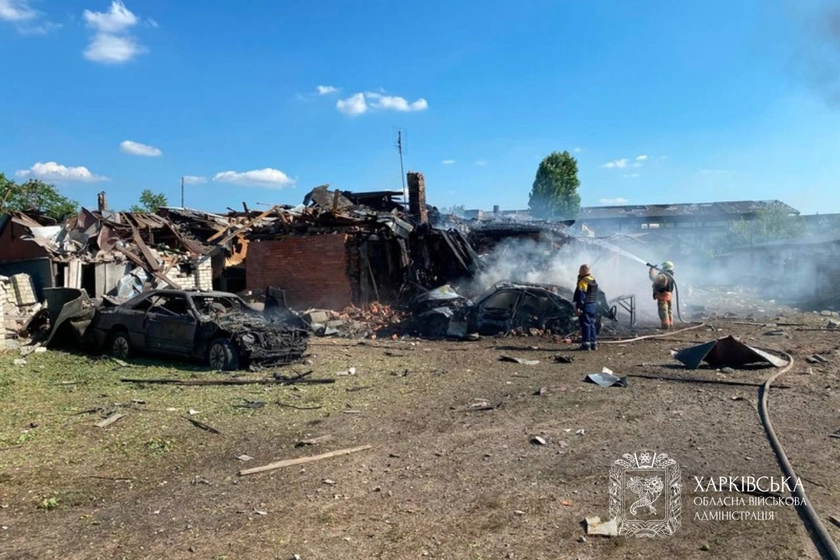
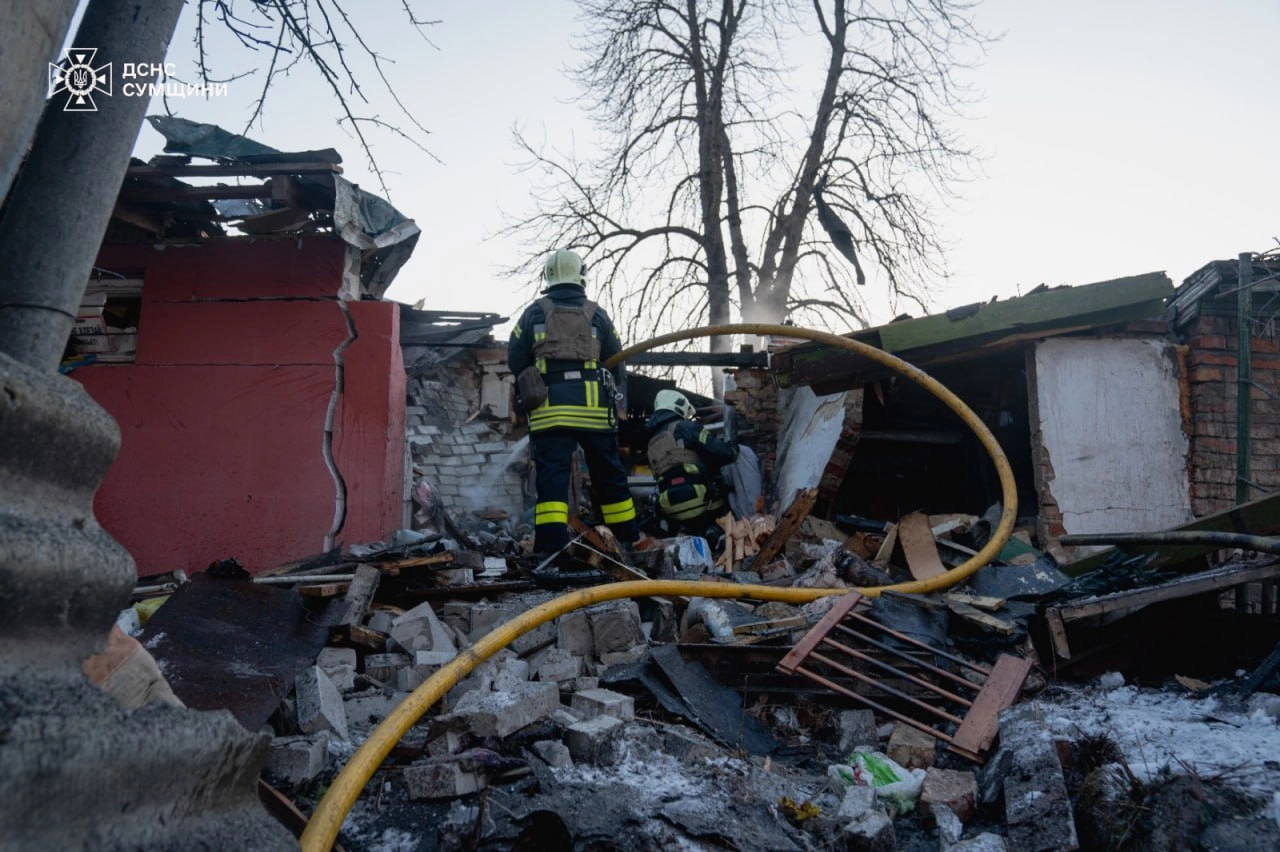
Speaking after another night of attacks, Zelensky said more than 200 strike drones were launched overnight, hitting the Sumy, Kharkiv, Dnipropetrovsk, Zaporizhzhia, Khmelnytskyi and Odesa regions. He said dozens of people were injured, including a child, and two people were killed.
JOIN US ON TELEGRAM
Follow our coverage of the war on the @Kyivpost_official.
Zelensky thanked energy workers and repair teams for operating in harsh weather to restore electricity, heating and water supplies in cities and communities across the country, calling their work critical to Ukraine’s internal resilience and diplomatic position.
“The situation in the energy system remains difficult, but we are doing everything to restore it as quickly as possible,” he said.
Russia: We’ll freeze Ukrainians into submission.
— Natalka (@NatalkaKyiv) January 14, 2026
Ukrainians: Let’s build a homemade stove from bricks and baking trays. We’ll heat it with candles!
Voila! +20°C inside!
Russia will never conquer these people! pic.twitter.com/QMrkmlG47X
Zelensky said the scale of the attacks shows Ukraine still needs stronger air defenses, particularly additional interceptor missiles. If Russia is deliberately dragging out diplomacy, he said, the global response should be decisive – more assistance for Ukraine and greater pressure on the aggressor.
He thanked international partners for continued support, saying cooperation is essential to protect lives and strengthen Ukraine’s security.
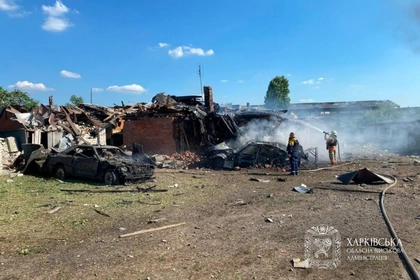
Russian Guided Bombs in Kharkiv Kill Teen, Wound 32, Including Children
In Kyiv, power cuts now last up to 20 hours per day, with strikes on thermal plants leaving hundreds of buildings without heat – and some areas plunged into darkness for days.
Kyiv isn’t alone. Russia regularly targets the energy networks in regional capitals such as Kharkiv and Odesa, with the Kremlin openly acknowledging that these strikes aim to force Ukraine into negotiations. Over the past two weeks, temperatures have plunged to as low as -20°C (-4°F) at night and -13°C (8.6°F) during the day, and forecasts predict similar cold weather for the coming fortnight.
Yet so far, Russia has failed to achieve its goal. Public transport, restaurants, delivery services, mobile networks, supermarkets, and industry continue to operate in Kyiv and other major cities.
Ukraine’s military intelligence (HUR) warned Saturday that Russia is considering attacks on electricity transmission substations that support the operation of Ukraine’s nuclear power plants, in what Kyiv described as an effort to pressure the country into accepting unacceptable surrender terms.
HUR said Moscow is weighing strikes on strategic energy facilities, specifically substations that transmit power from nuclear plants to the national grid.
According to the intelligence agency, Russia also plans to intensify intimidation of European and Western countries to curb support for Ukraine, including efforts to weaken Ukraine’s ability to repel Russian air attacks on critical energy infrastructure.
“By destroying or disabling these substations, Moscow is seeking to disconnect the nuclear power plant’s power units from Ukraine’s integrated power grid, leaving Ukrainian civilians completely without electricity and heat,” HUR added.
Late Wednesday, President Volodymyr Zelensky said Ukraine would move to introduce a state of emergency in the energy sector, citing the heavy impact of recent Russian attacks on power and heating systems.
Zelensky announced plans to combat the “severe” consequences of Russian strikes on energy infrastructure and worsening weather conditions in three main areas.
Firstly, he said, a special headquarters will be established in Kyiv to coordinate a full-time response to the energy crisis.
You can also highlight the text and press Ctrl + Enter