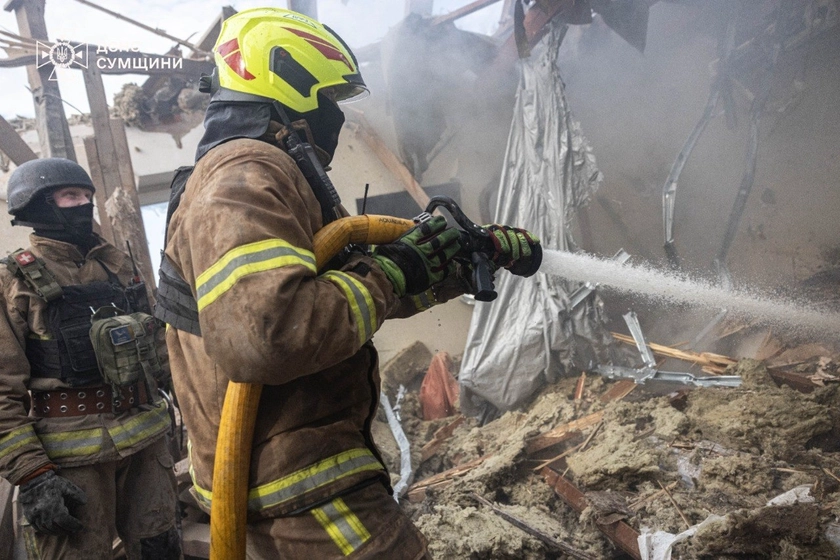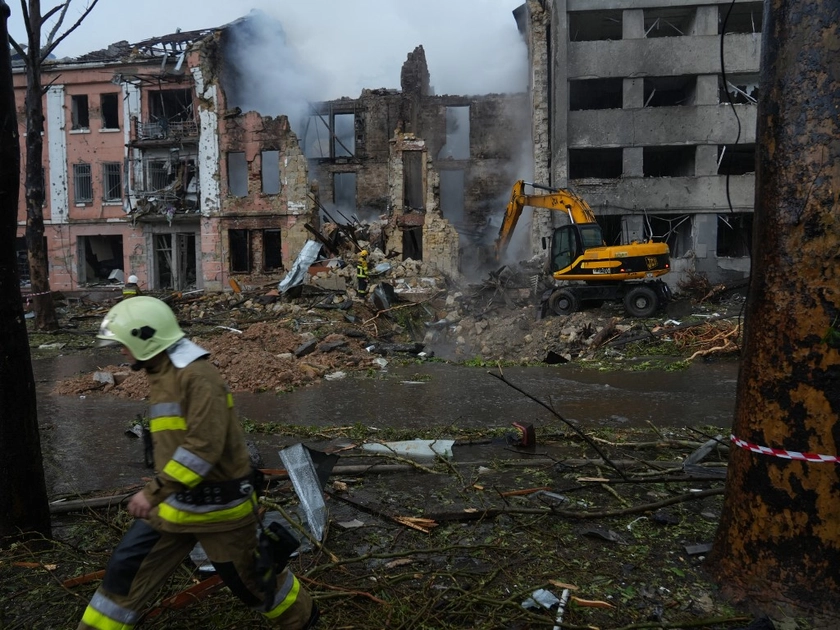
Massive Russian strikes on Ukraine’s energy system – aimed at provoking a humanitarian catastrophe – have proven devastating in their consequences. Yet one unexpected outcome has also emerged: a large-scale modernization of Ukraine’s infrastructure.
Across the country, homes, hospitals, schools, kindergartens, and power plants are being upgraded en masse to make them more resilient, energy-efficient, economical in consumption, and in some cases fully autonomous.
JOIN US ON TELEGRAM
Follow our coverage of the war on the @Kyivpost_official.
The old Soviet energy model was built on extreme centralization. It relied on a limited number of large Combined Heat and Power (CHP), Thermal Power Plant (TPP), and Nuclear Power Plants (NPP) facilities, exclusively centralized heat and electricity supply, and buildings with very low energy efficiency – shortcomings that were offset by cheap energy resources from Siberia.
We have previously written about Zhytomyr, one of the first cities to begin building a decentralized heat and energy supply system, insulating public institutions and replacing outdated networks to reduce heat losses. We have also covered how residents of apartment buildings are forming homeowner associations to modernize their buildings – reducing heat loss and creating their own electricity generation to cover basic needs.
But Ukrainians are going even further.
One of the largest civilian consumers of heat and electricity is public infrastructure – medical and educational institutions in particular. These are typically large facilities that must remain warm at all times and have high energy consumption due to kitchens, laboratories, or continuously operating surgical units.
Russian Guided Bombs Strike Central Sloviansk, Injuring Three
Many of these institutions had already undergone partial modernization during Ukraine’s decentralization reform after 2015. Schools and hospitals were insulated, and old windows were replaced with more energy-efficient ones. However, the full-scale invasion made the issue far more urgent.
Foreign partners stepped in to help restore facilities heavily damaged during hostilities. Crucially, reconstruction followed a new model: within old walls, essentially new, far more efficient buildings were created.
A model example: Ruta kindergarten in Irpin
A clear example of this approach is the large Ruta kindergarten in Irpin. The city – one of the main battlegrounds during the fight for Kyiv – suffered extensive destruction.
The kindergarten itself, after the liberation of the city, looked like this.
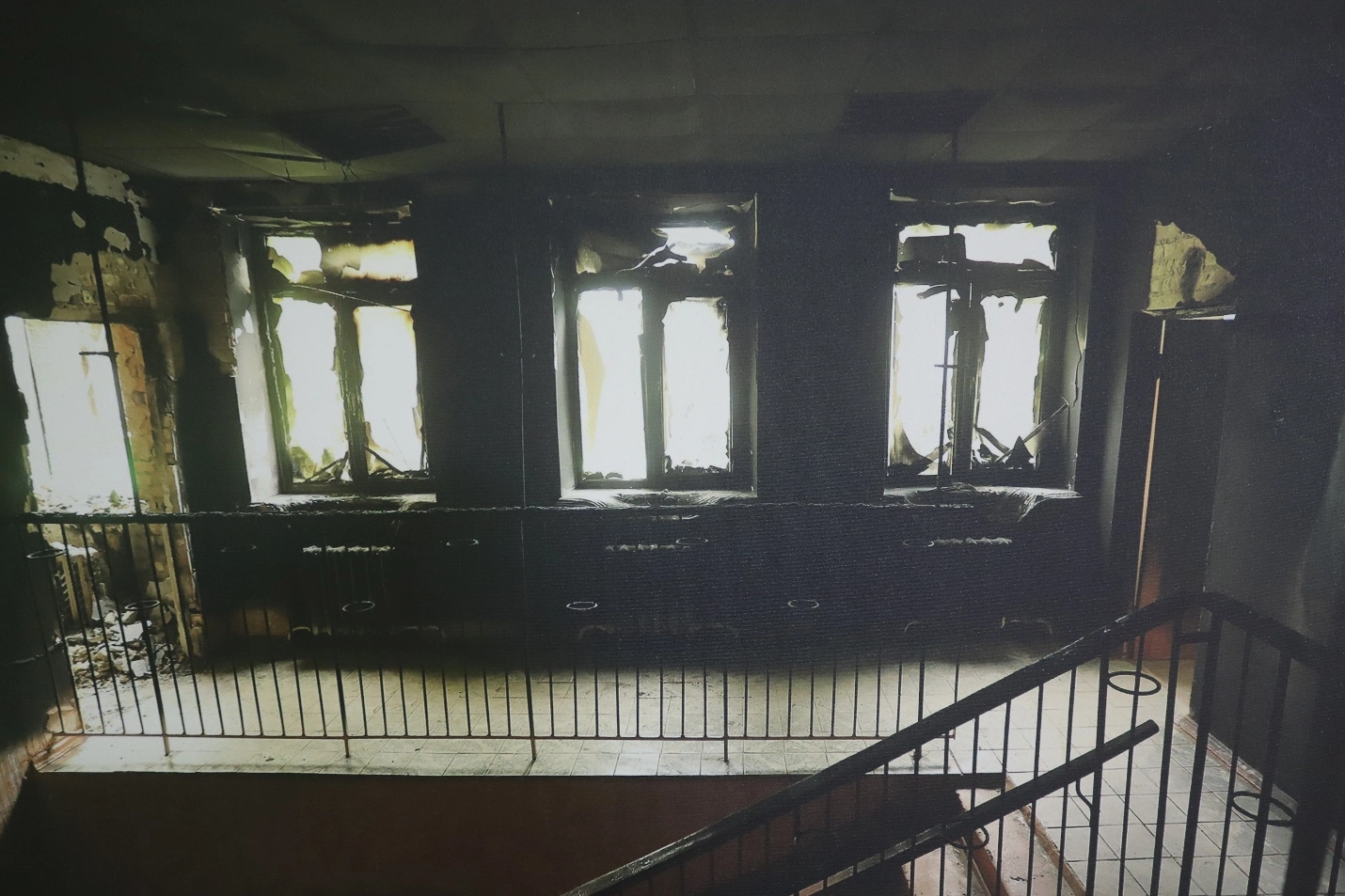
And now – like this. The difference is simply striking.
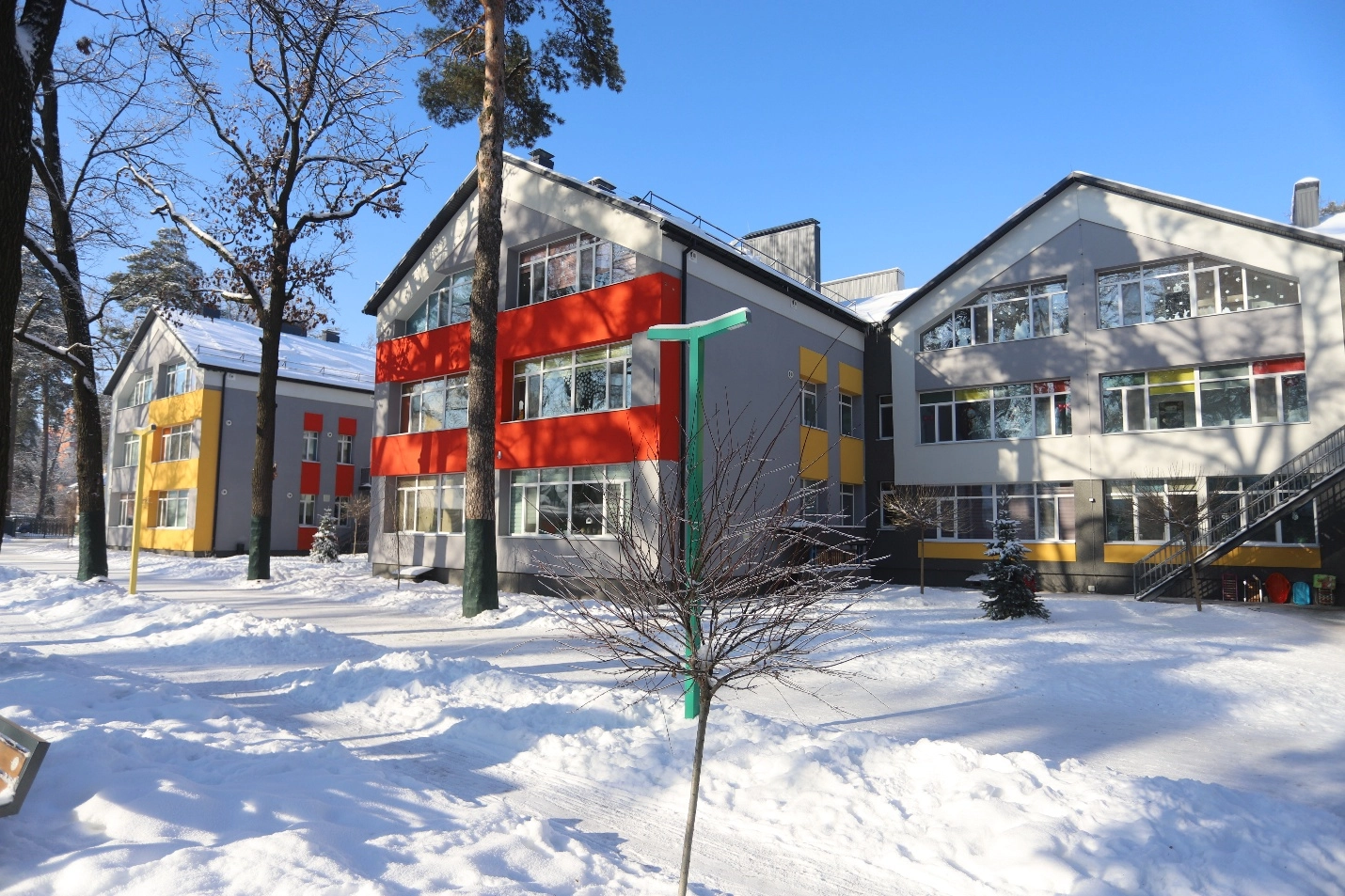
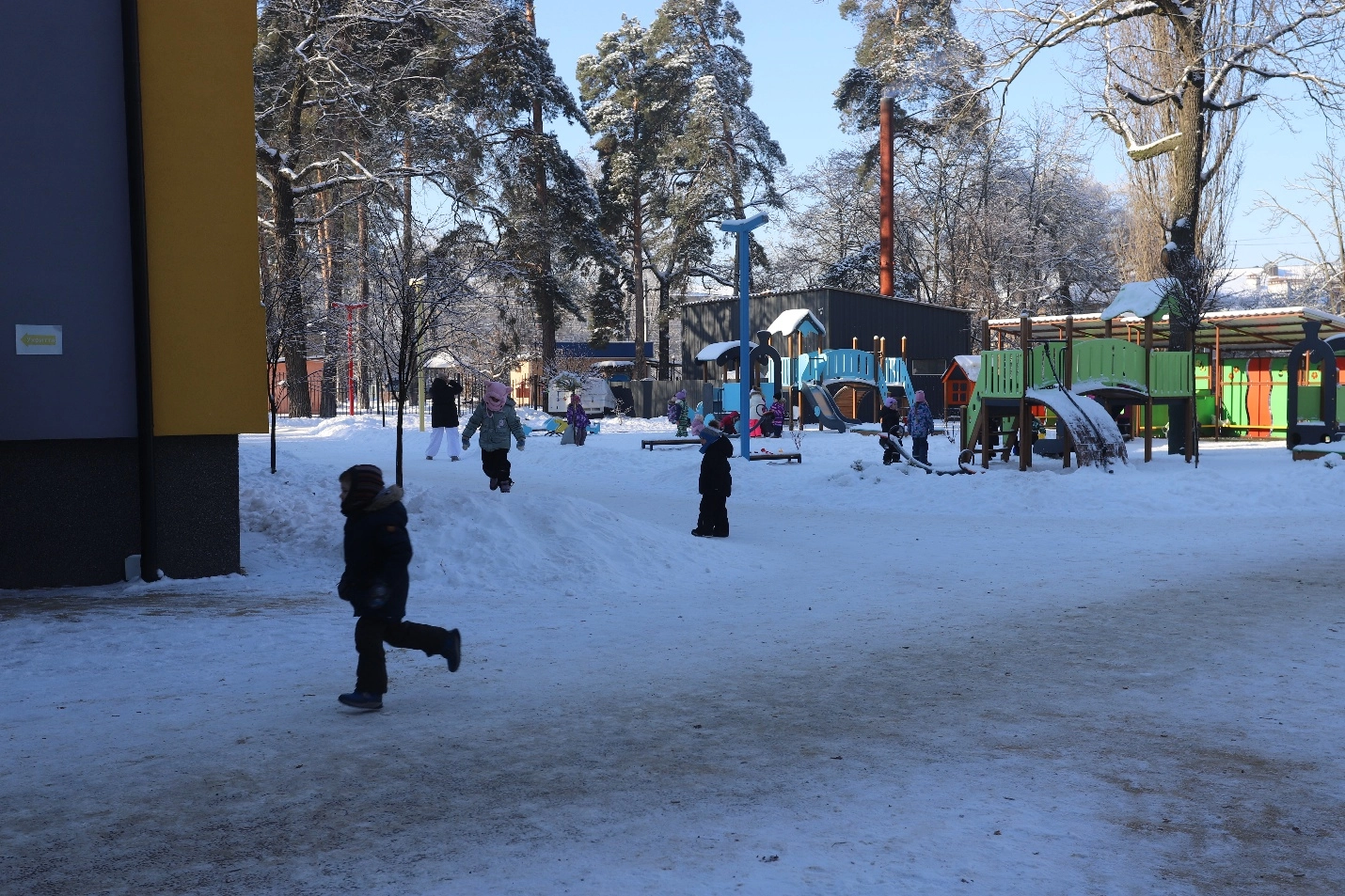
Today, more than 300 children are educated in the kindergarten simultaneously.
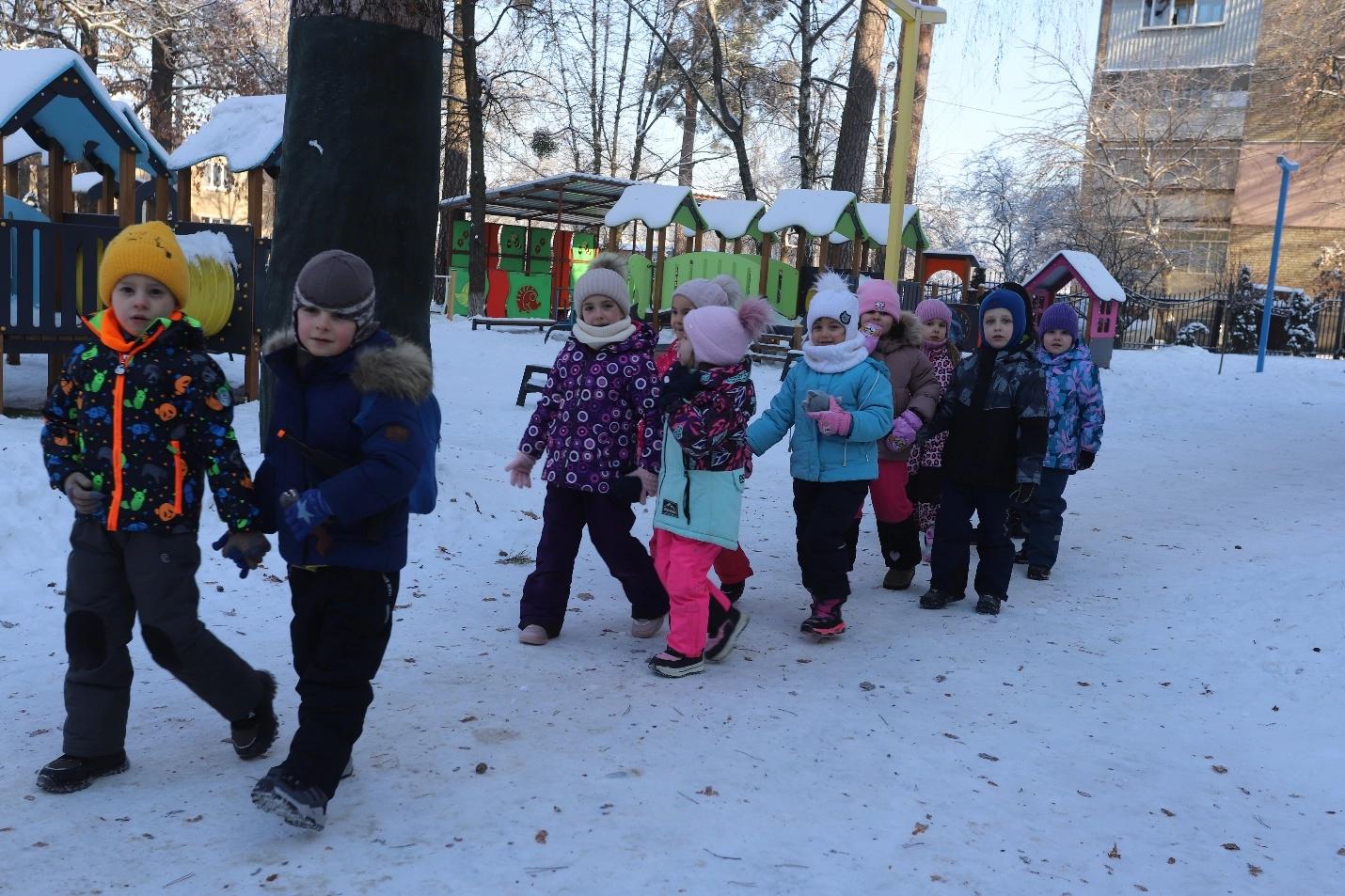
They study in warmth and comfort, with uninterrupted electricity – even during power outages that can last up to 20 hours a day.
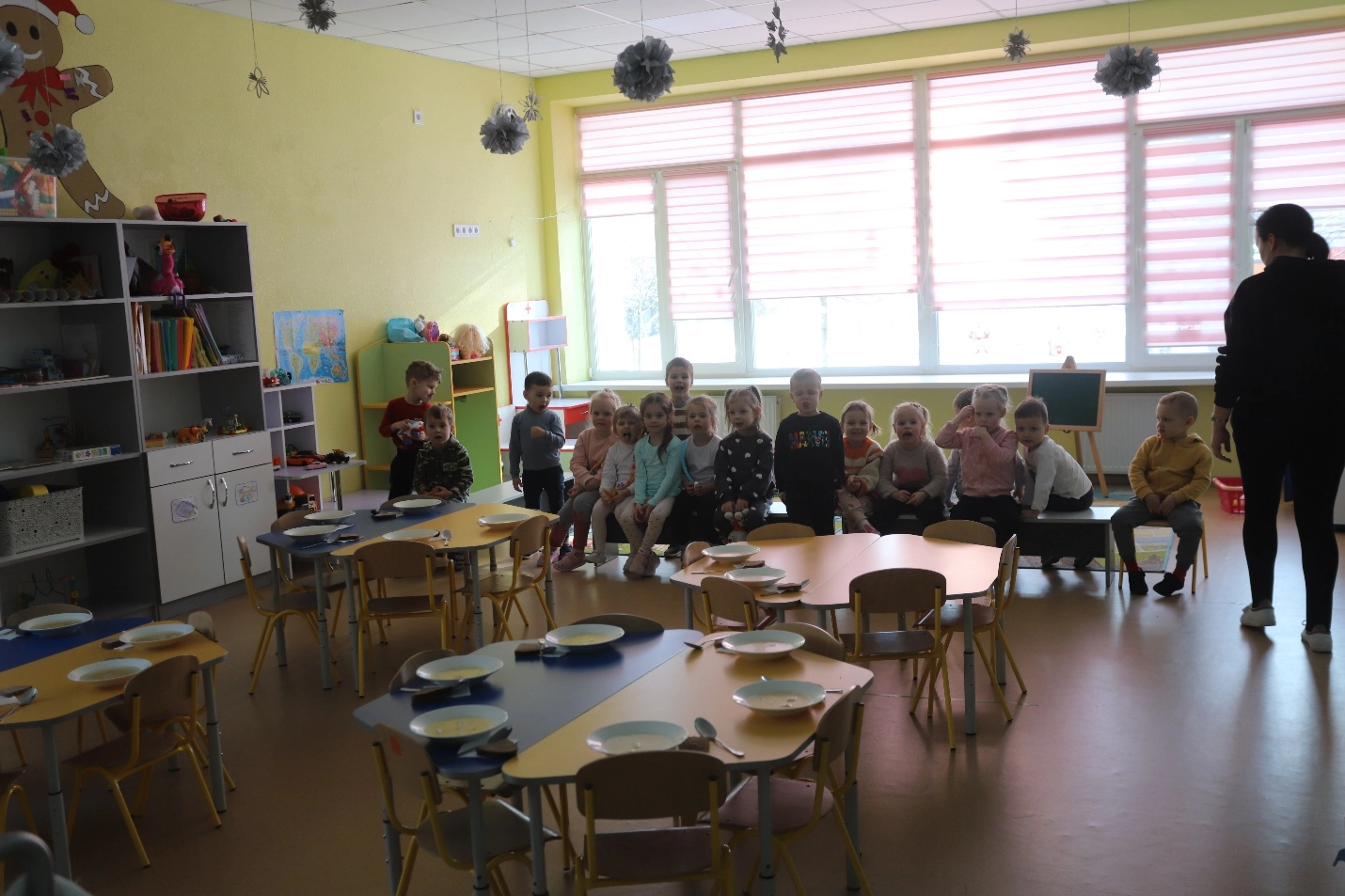
How did this become possible?
The kindergarten has its own boiler house running on environmentally friendly fuel. The boilers are new and significantly more efficient than the old ones.
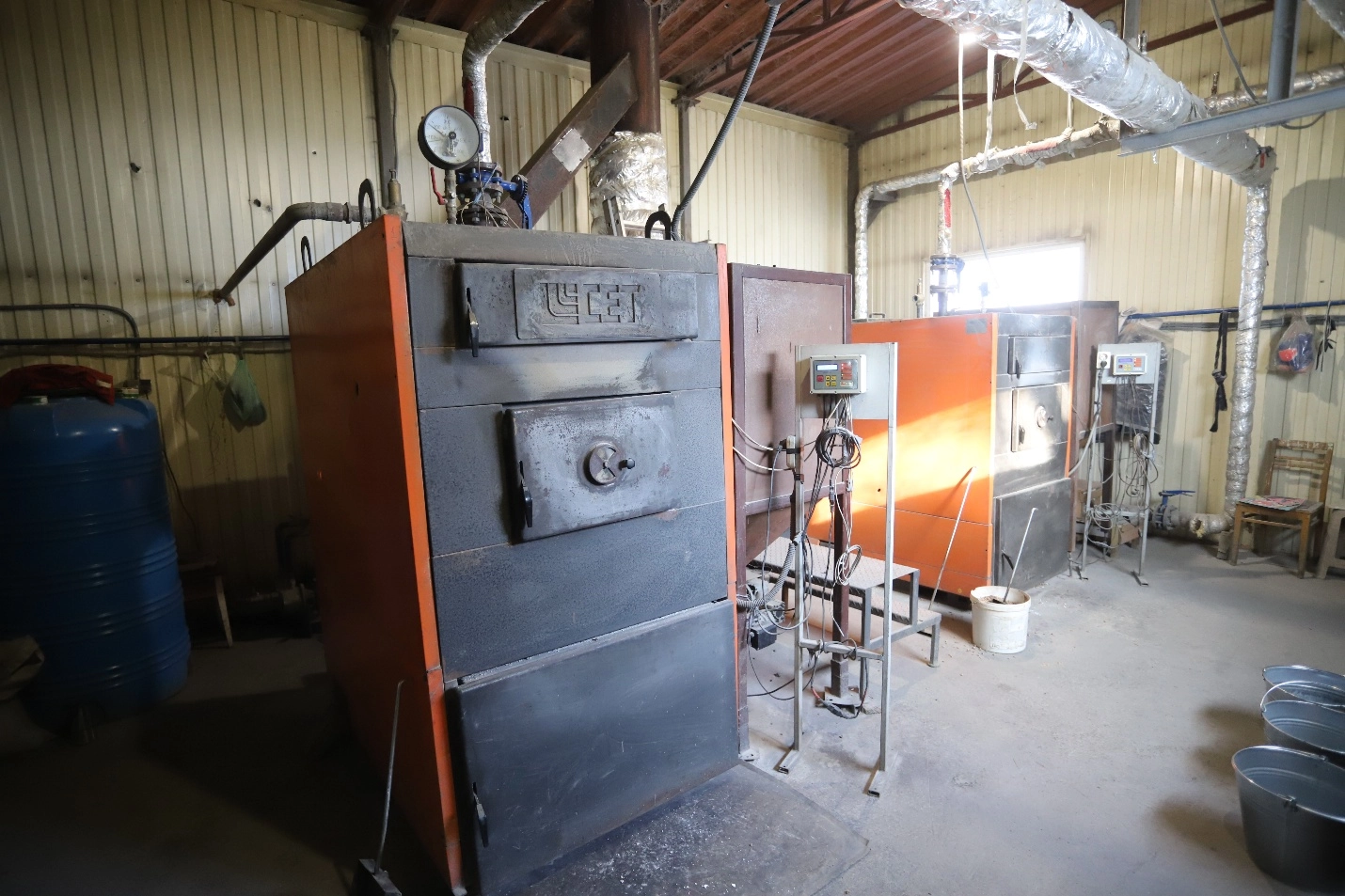
All heat-conducting utilities are fully insulated.
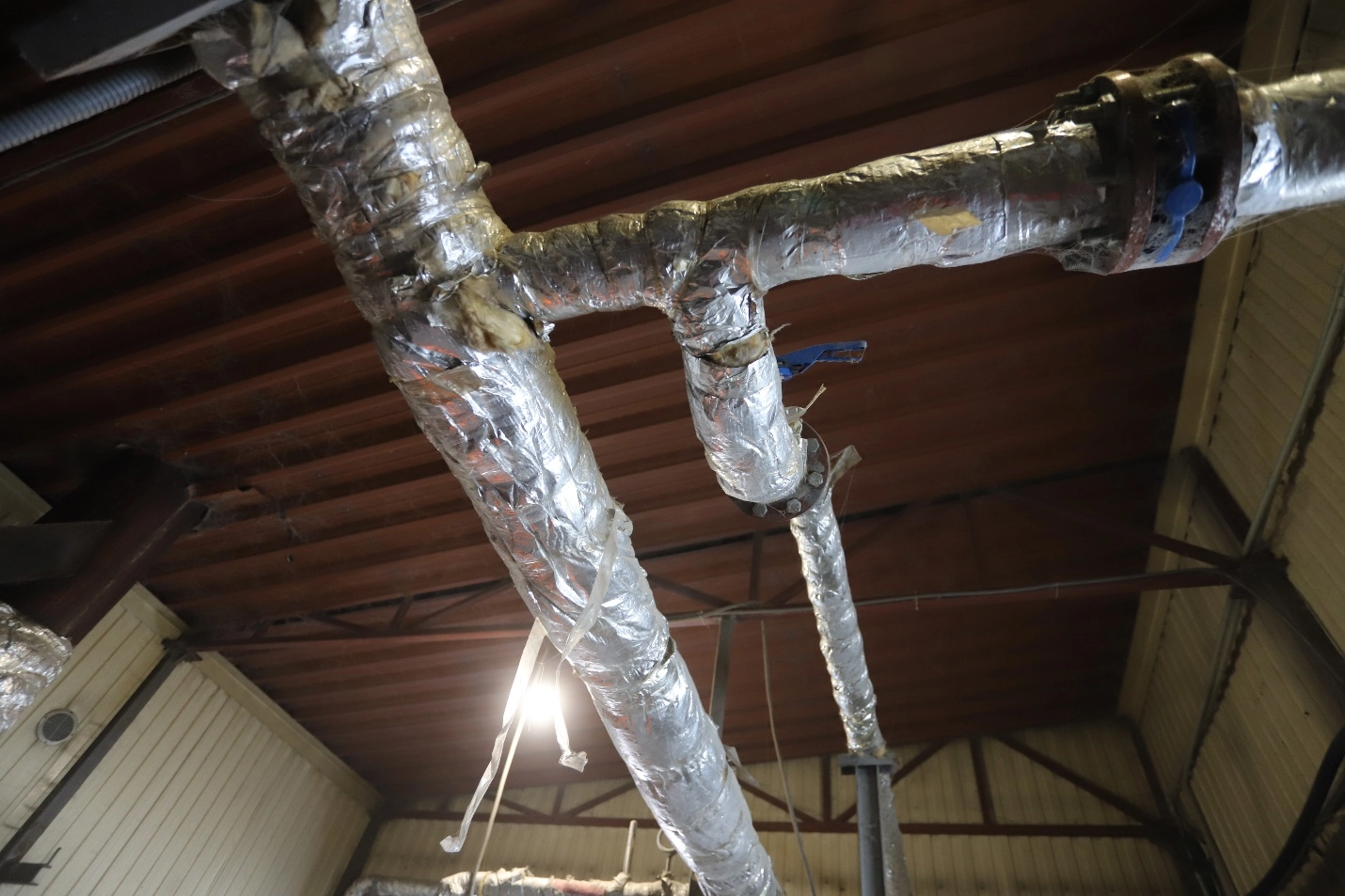
But the most important upgrade concerns the electricity supply system.
The reconstruction was carried out with the support of the government of Lithuania – a steadfast ally of Ukraine that runs numerous programs to modernize educational and medical facilities. Lithuania’s own experience of post-Soviet infrastructure modernization in the 1990s proved especially valuable.
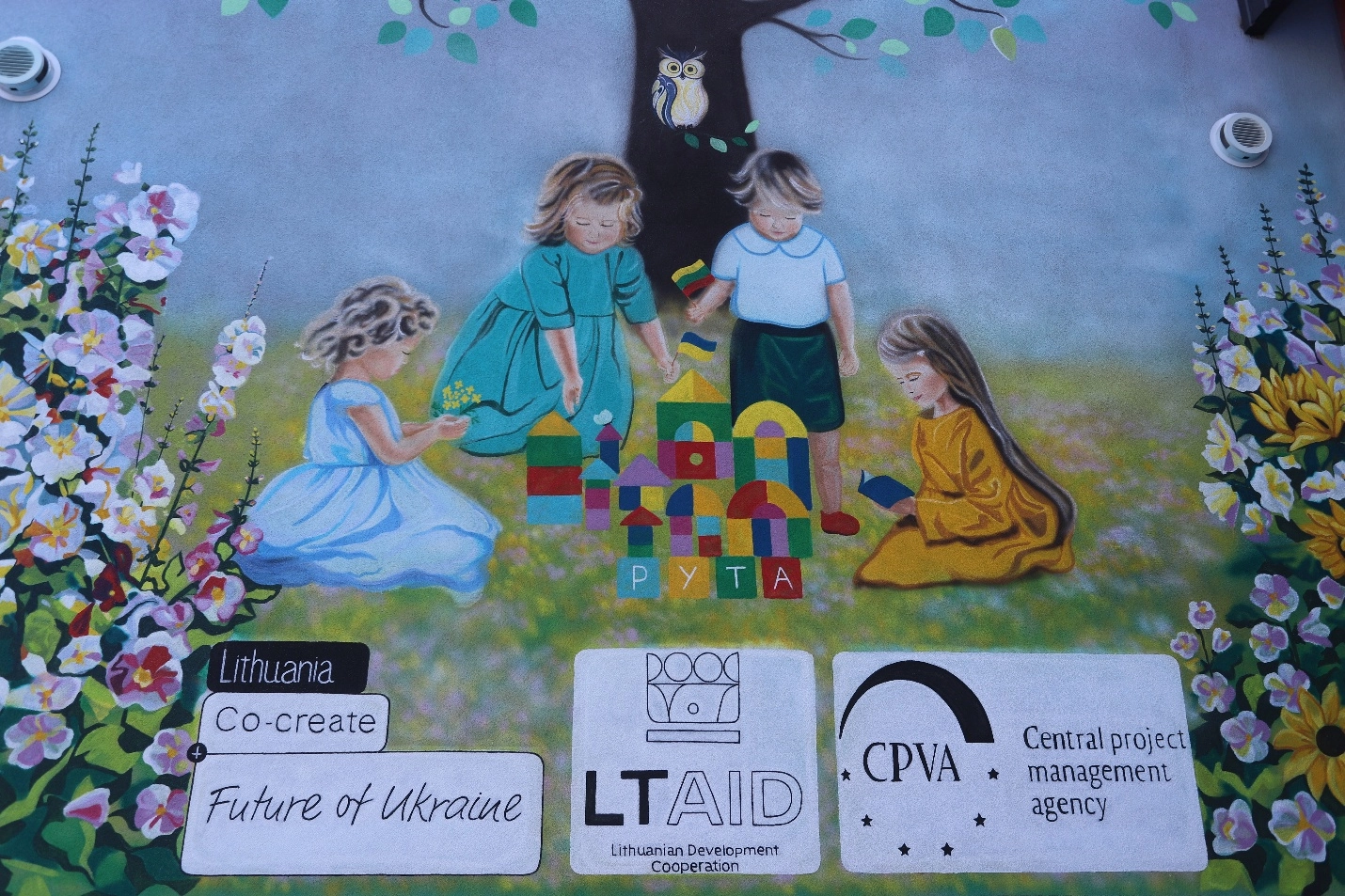
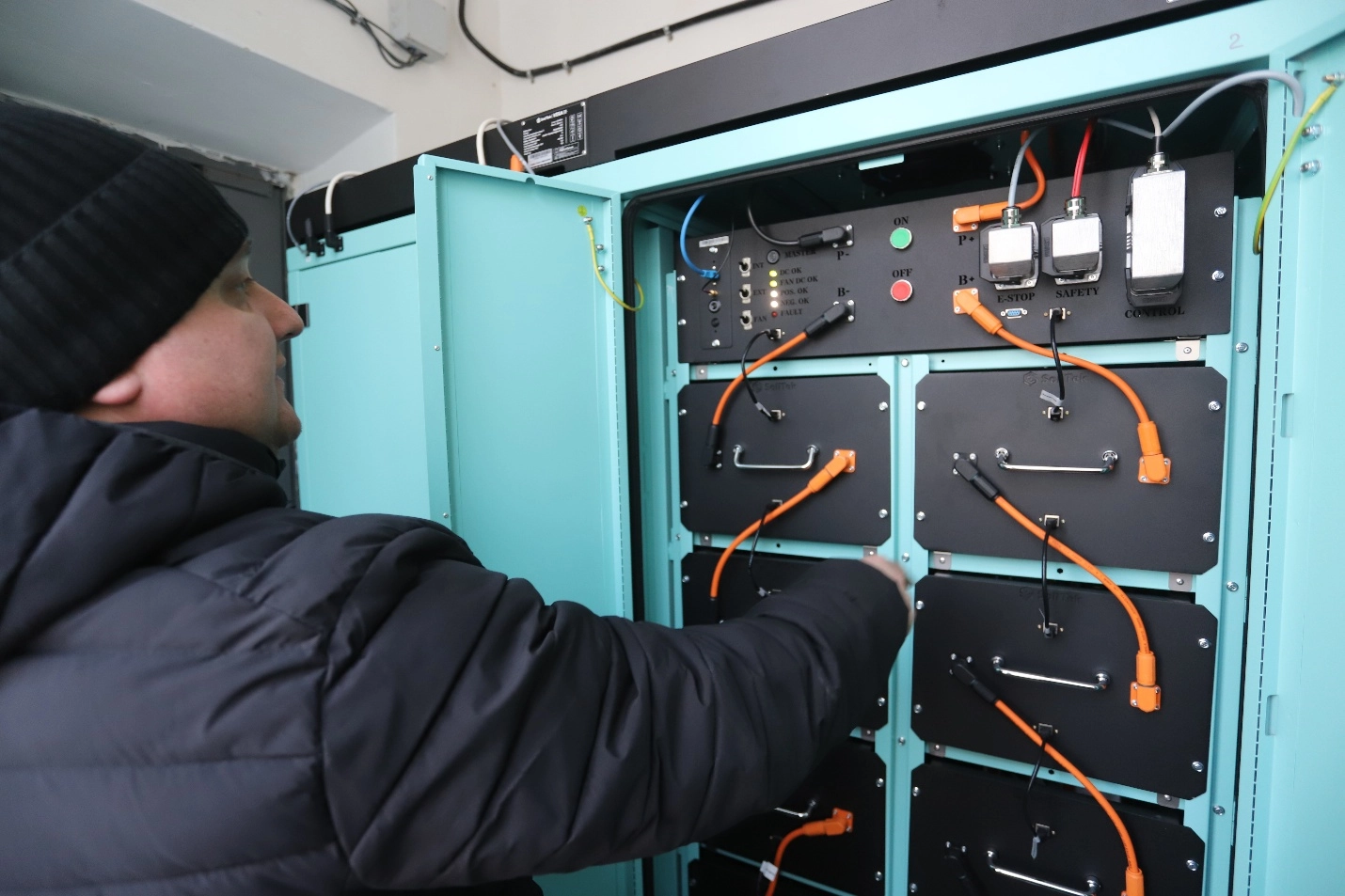
As part of the assistance, 10 powerful battery units with a total capacity of 300 kW were installed.
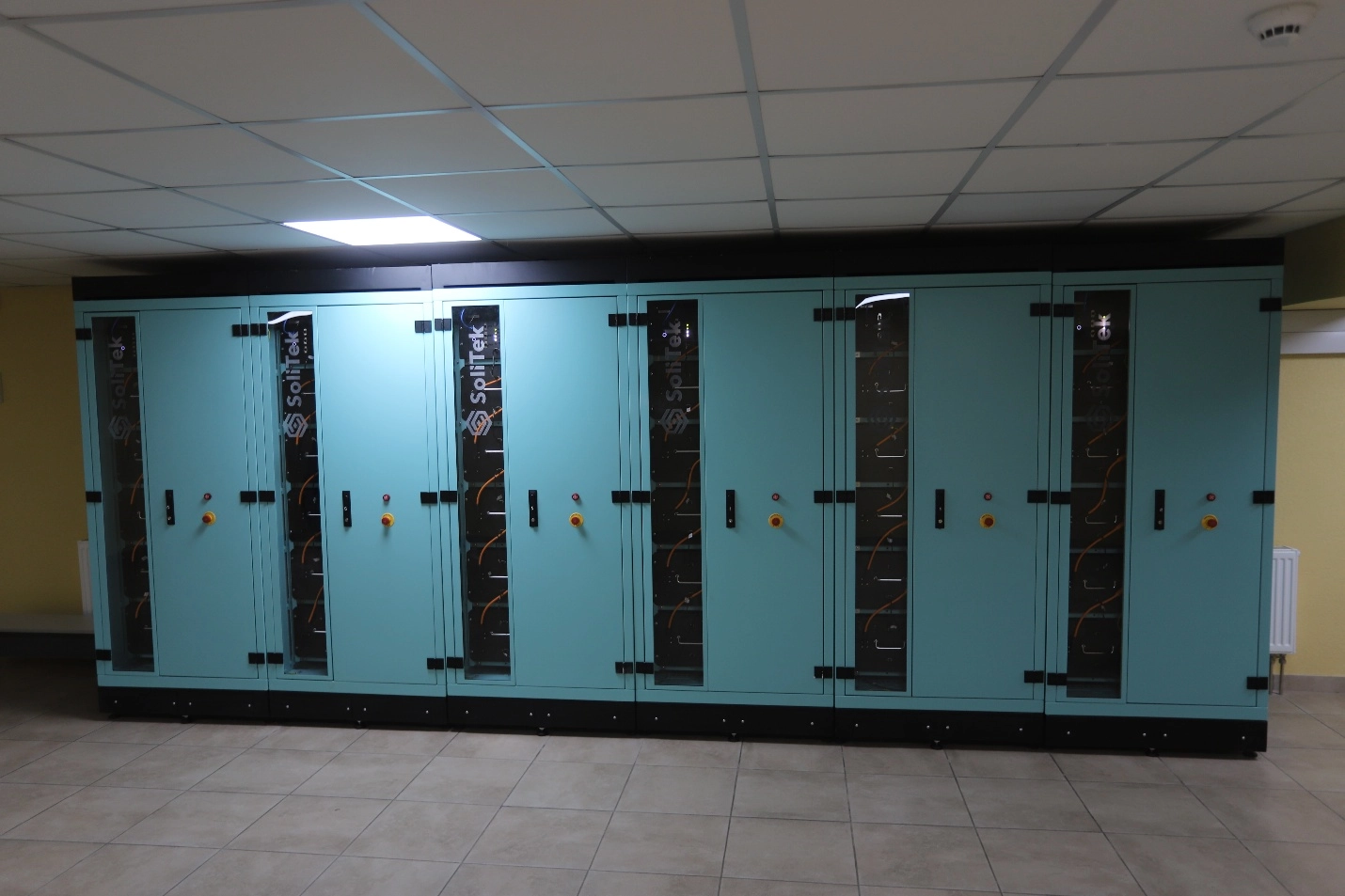
This makes the kindergarten’s operation almost fully autonomous throughout the working day.
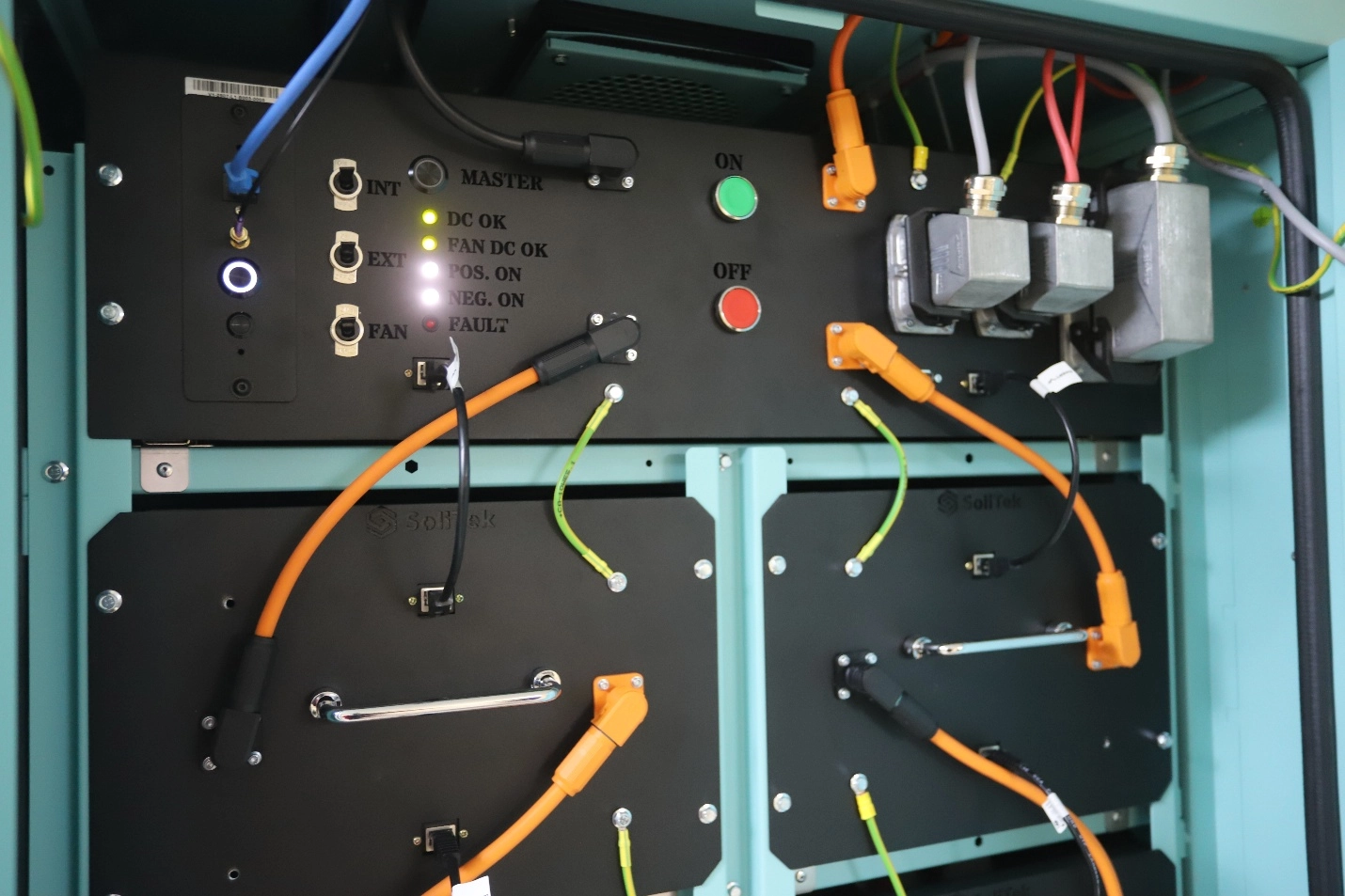
“Our power plant is the most powerful in the entire region. Yes, other preschool institutions have stations of 30 kW installed. And we have 300 kW. That is 10 times more power,” says the kindergarten director, Kseniia Katrych.
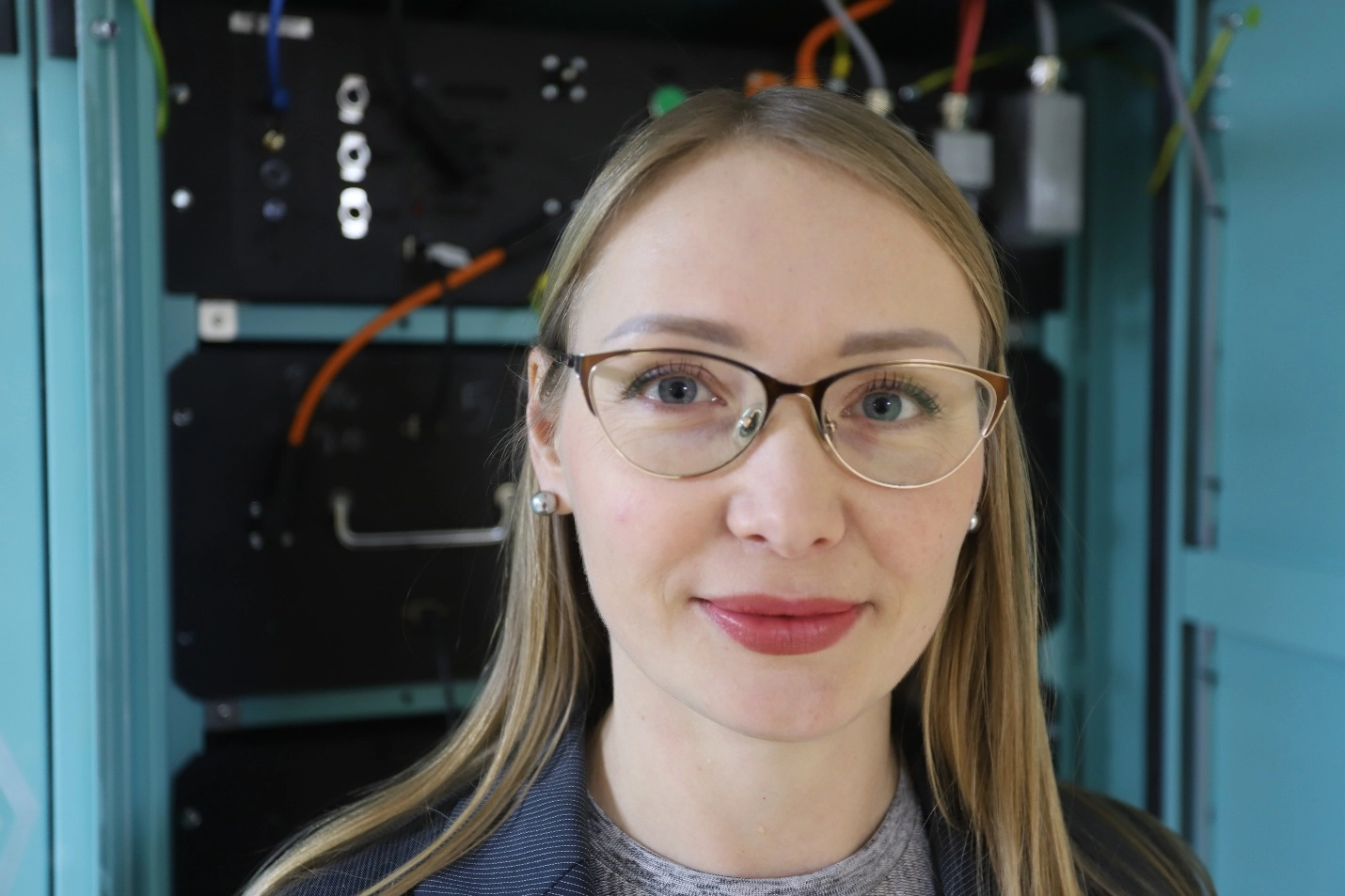
“This is five hours of continuous operation together with the operation of the kitchen unit. Why is this important? Because the kitchen unit with stoves, ovens, combi ovens, and meat grinders accounts for up to 70% of total electricity consumption. This is important for the children,” says Katrych.
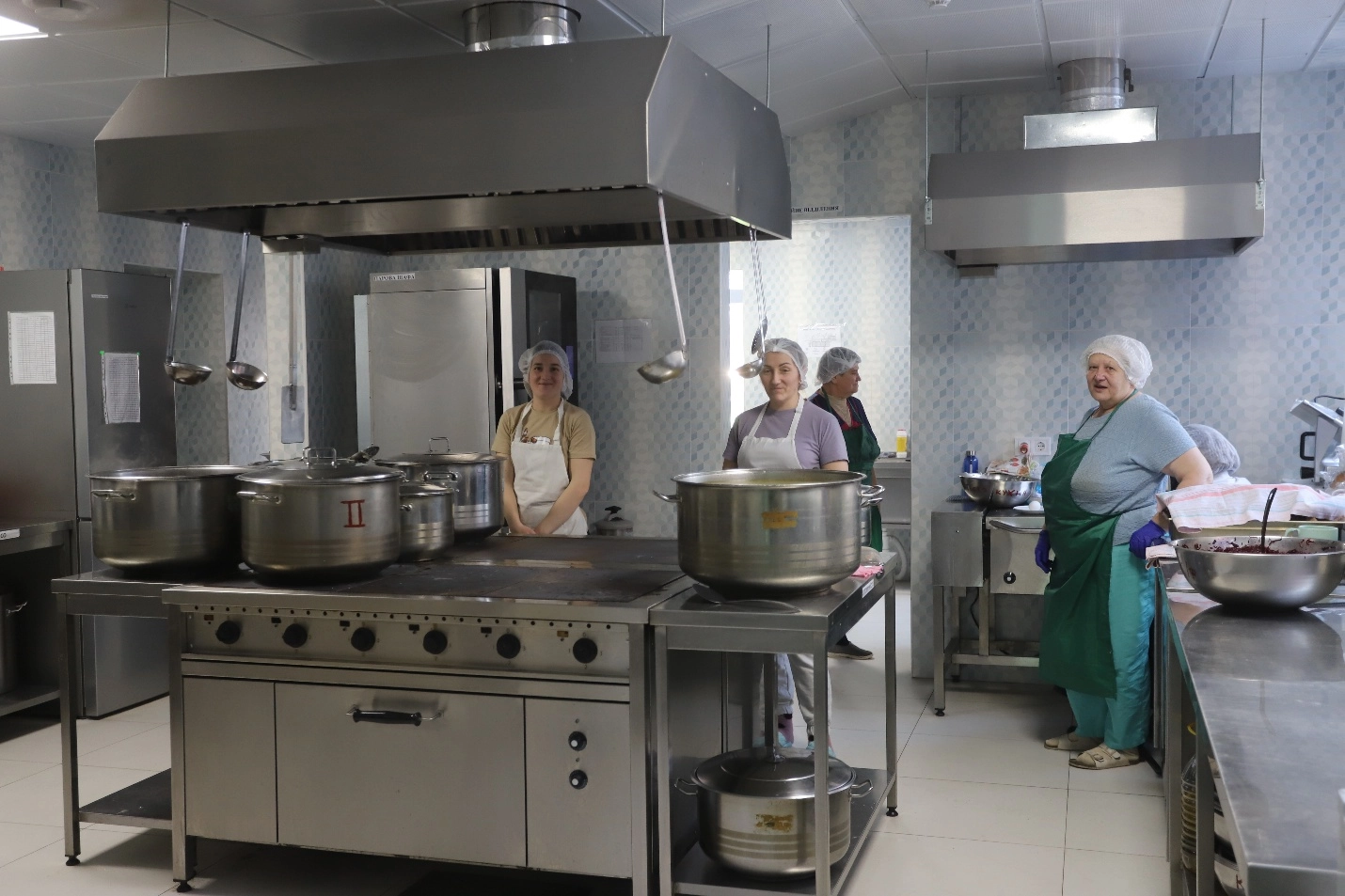
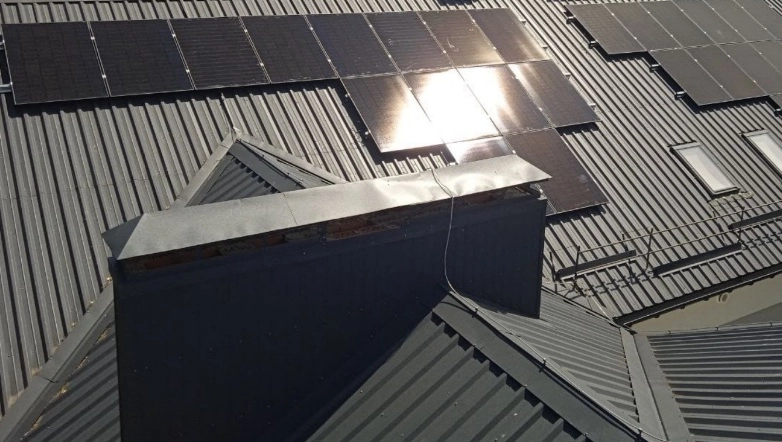
The kitchen is scheduled for further modernization to reduce consumption. Even now, however, during warmer seasons the batteries easily accumulate energy from rooftop solar panels, installed in autumn with Lithuanian support.
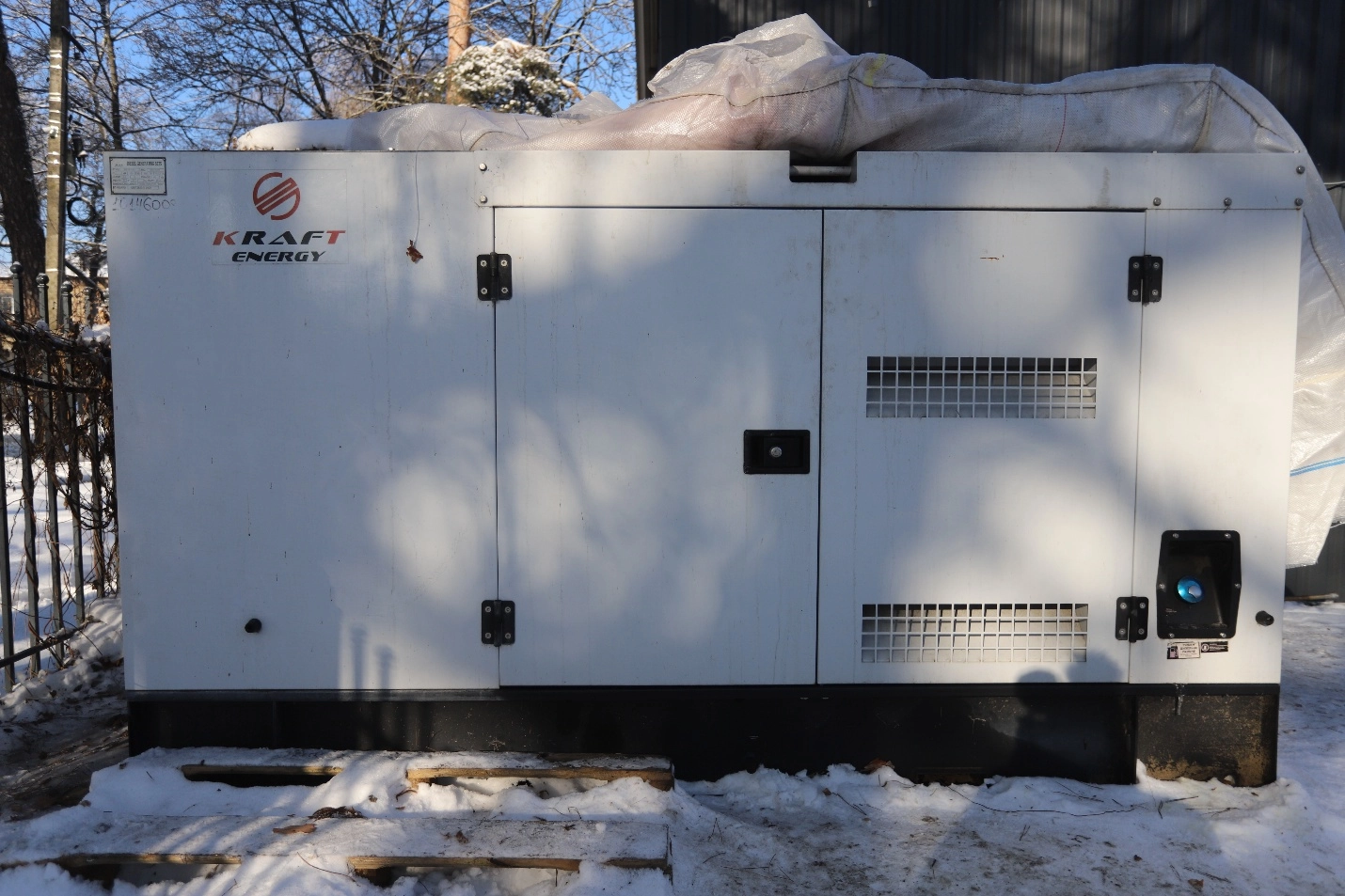
When solar energy is insufficient and grid power is unavailable, a large diesel generator –consuming up to 20 liters per hour – supports the system.
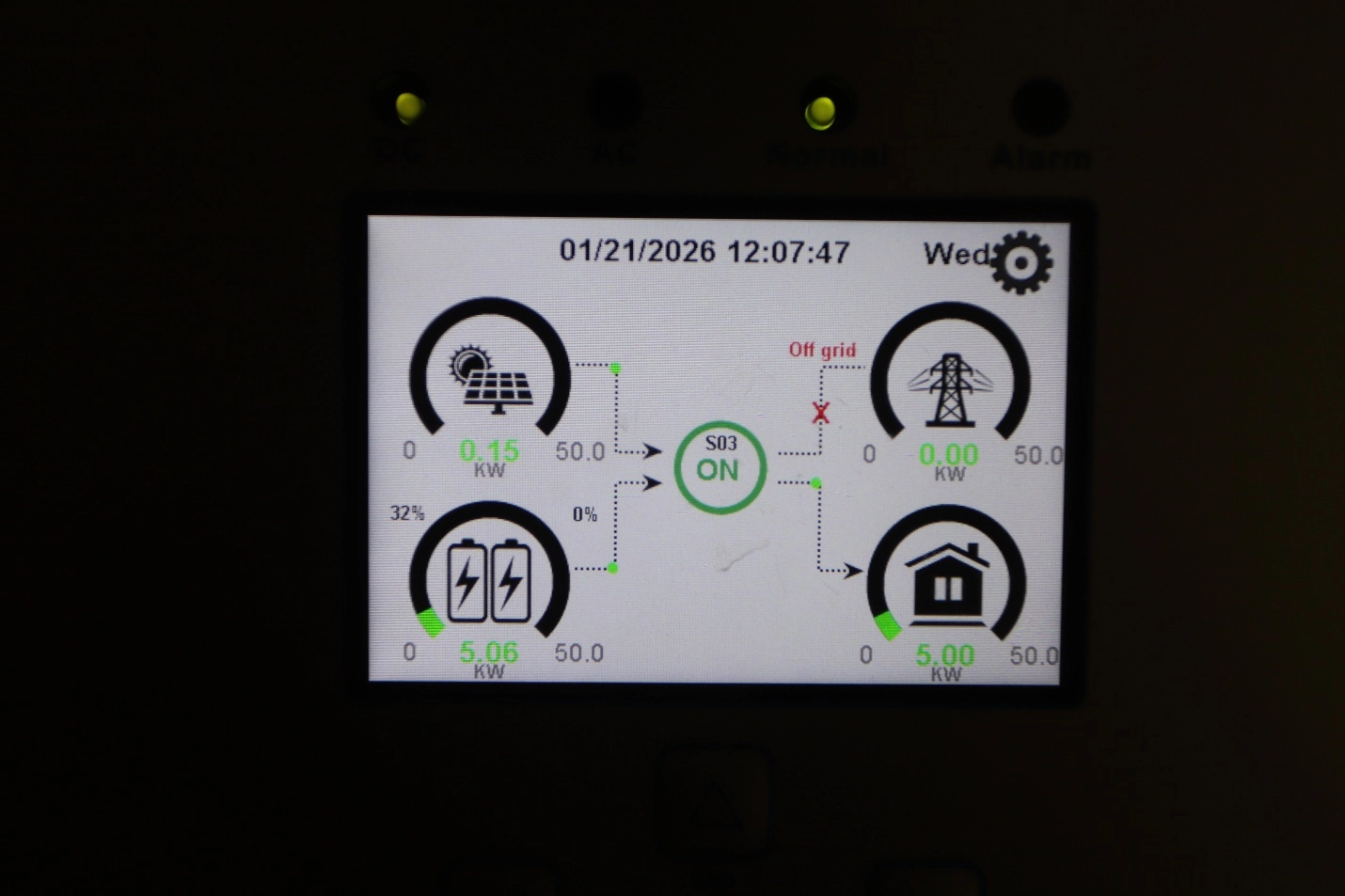
Power flows from multiple sources – solar panels, generator, or city grid – are managed by several powerful inverters.
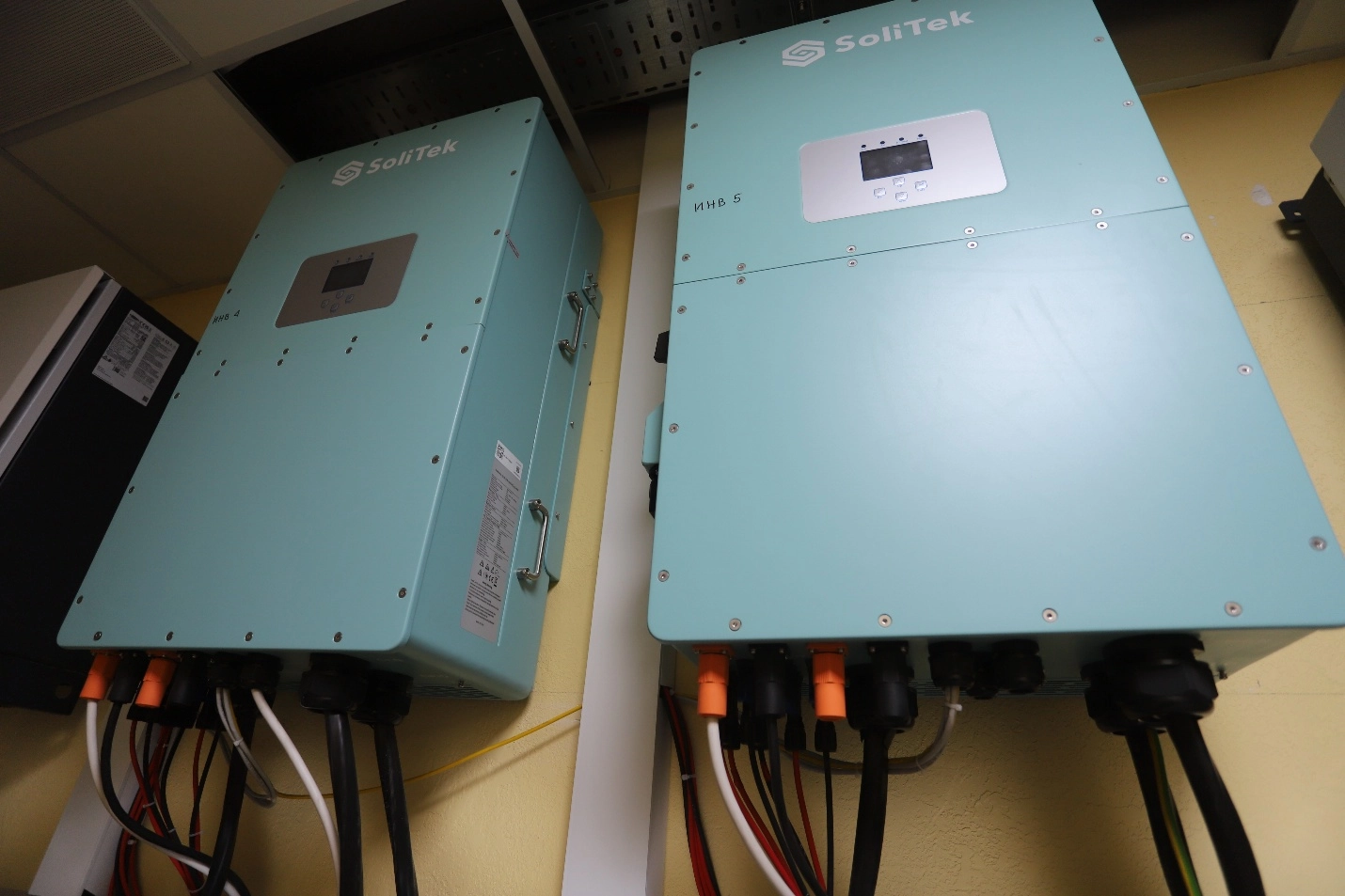
Monitors clearly show which source is currently supplying electricity and where it is being distributed.
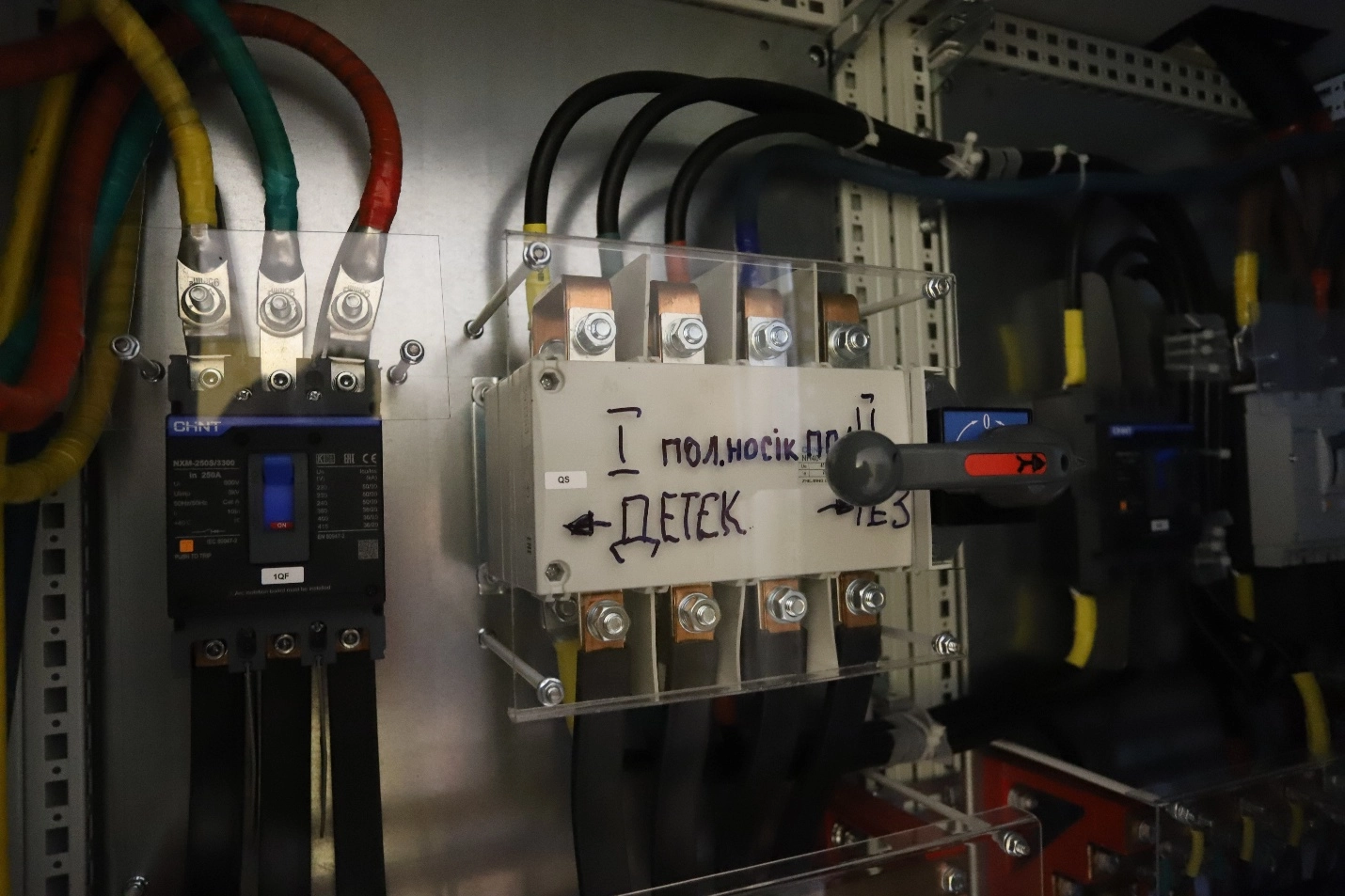
While flows can be adjusted manually, automated systems installed in two switchgear units now handle this seamlessly.
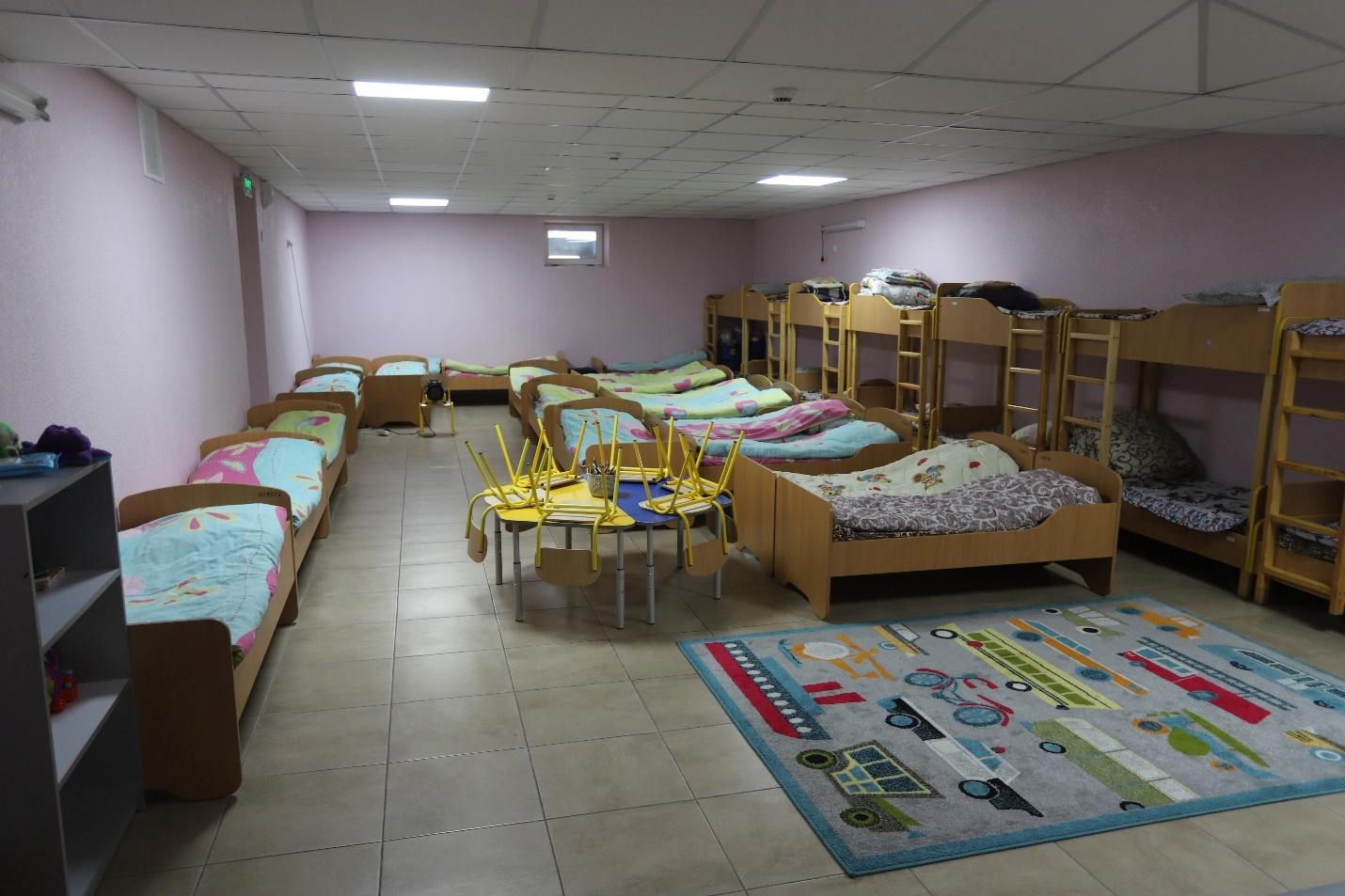
All of this equipment is housed in a large shelter that can accommodate all children and staff.
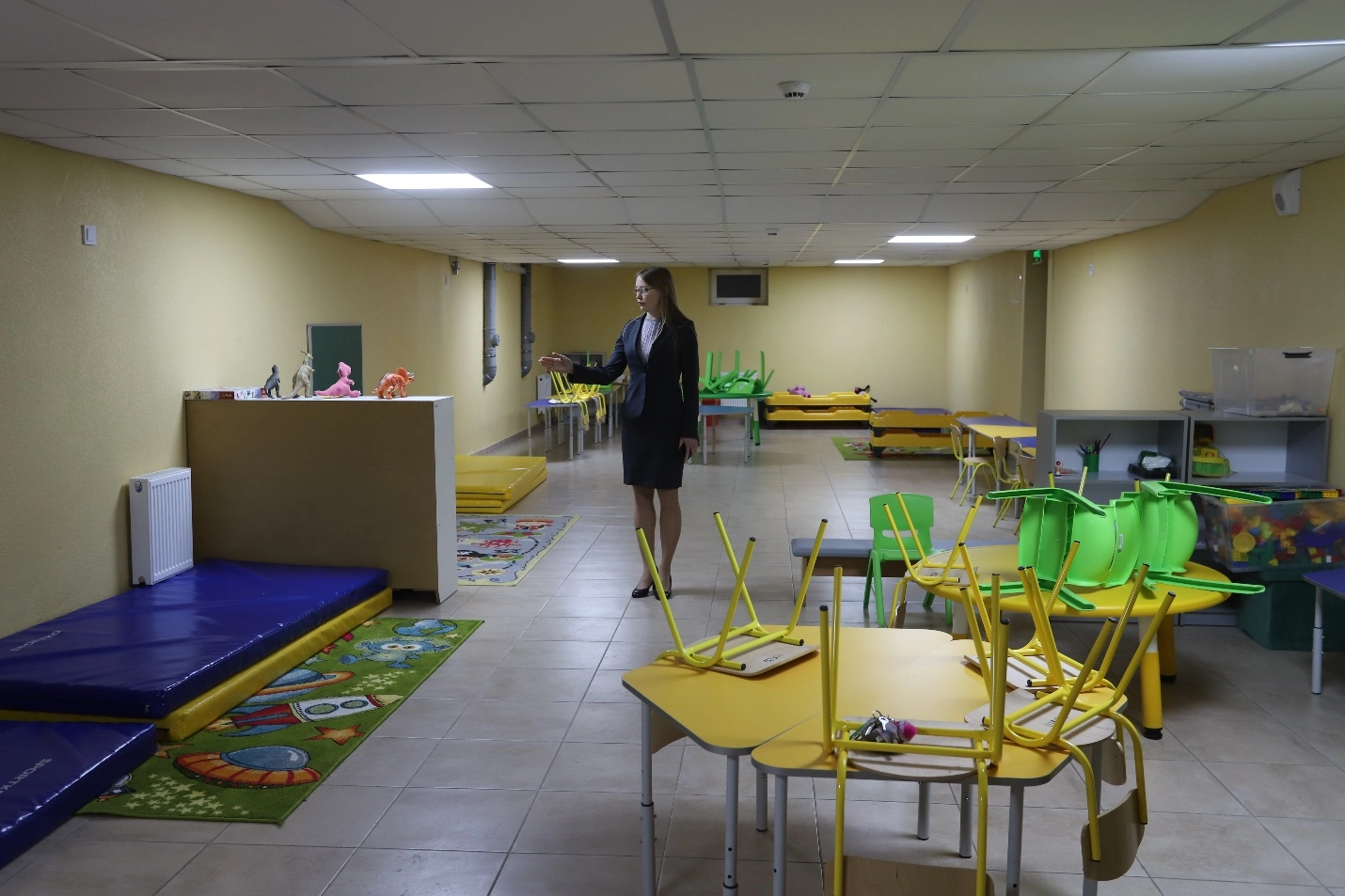
There are even sleeping rooms for younger groups.
Overall, the kindergarten has been rebuilt as a highly energy-efficient facility, with modern heat-saving windows and additional wall insulation.
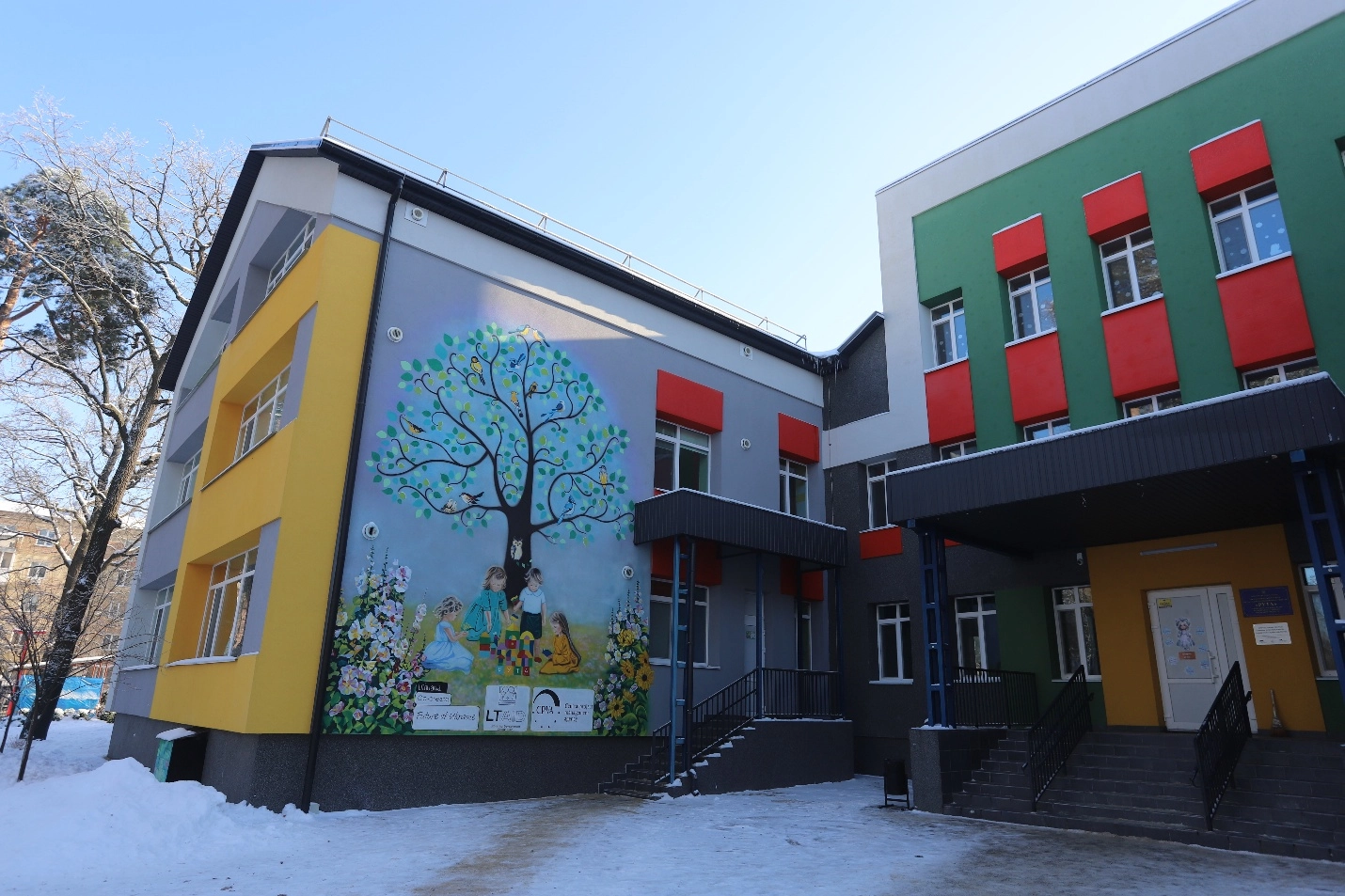
As a result, it has become both advanced and popular. For many children, it is now warmer here than at home.
Inside the hospital
A similar approach to energy resilience was implemented at one of Kyiv’s major hospitals. Roman, an electrical engineer, explains how international assistance was used.
“We have a total of 500 kW – that’s 10 battery cabinets and five inverters,” Roman says. “We decided not to place them all in one location, but to distribute them across the hospital buildings.”
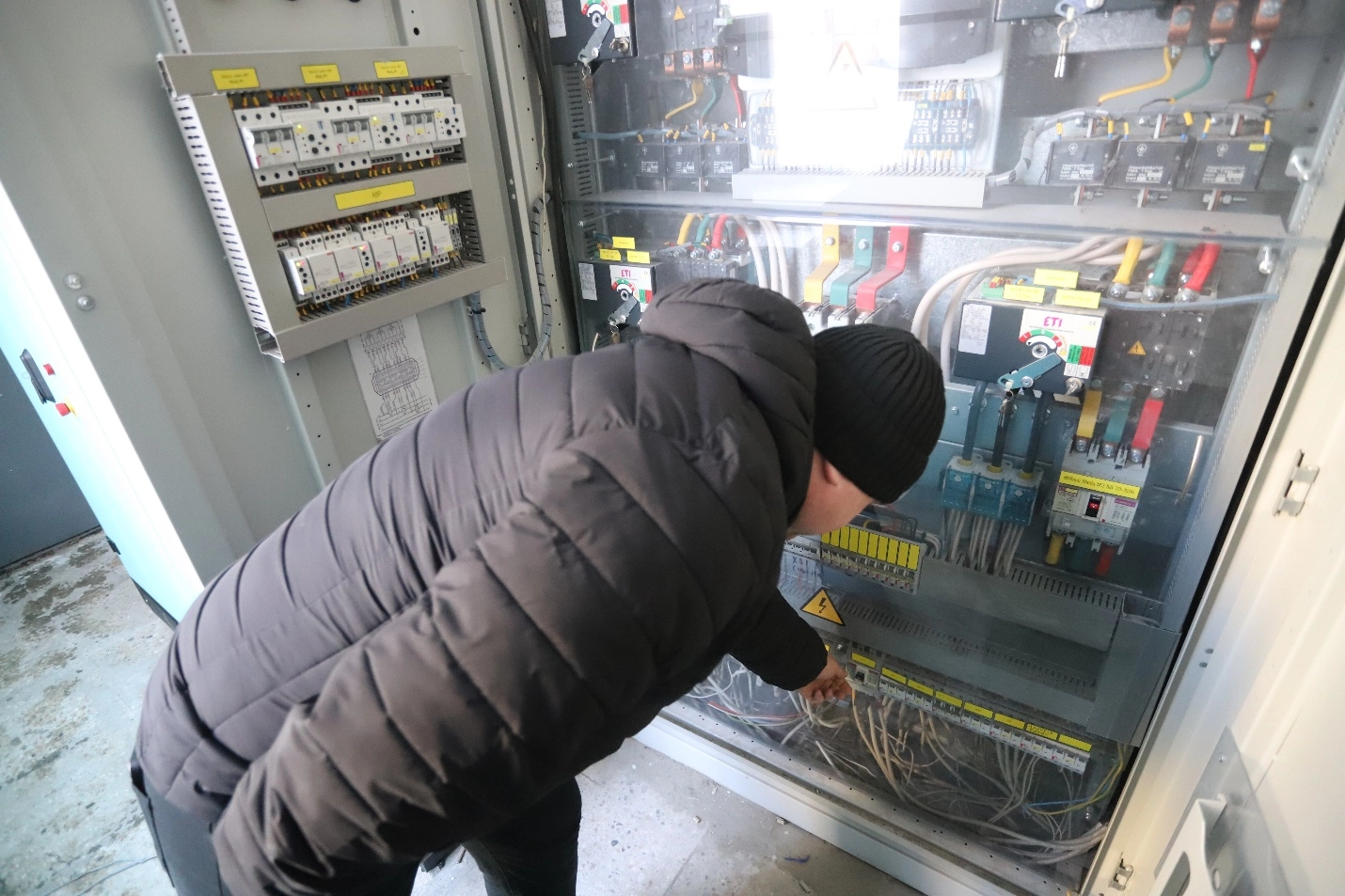
Each critical unit received 100 kW and one inverter. One block powers intensive care and operating rooms, including gynecology, urology, emergency medicine, and surgery. Others supply neurology and polytrauma operating rooms, laboratories, pediatric inpatient wards, and the pediatric outpatient clinic.
The system is supported by a 131 kW rooftop solar power plant, also installed with Lithuanian assistance..
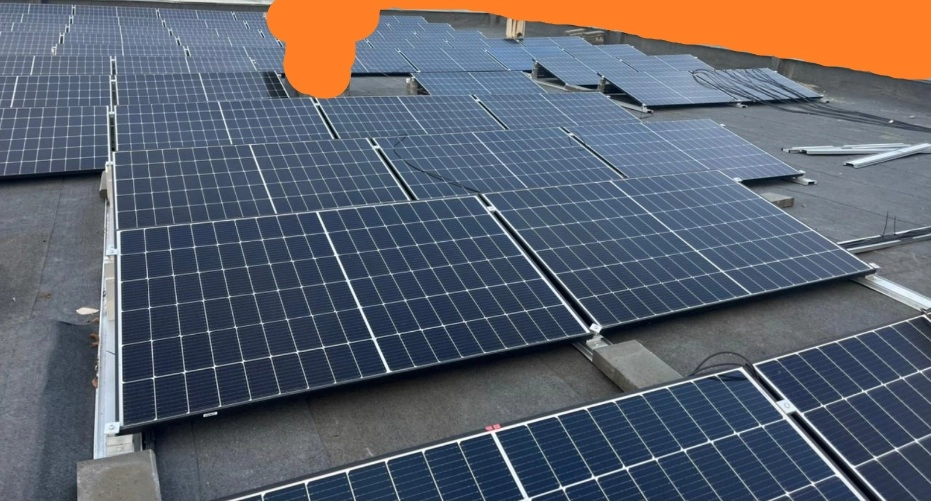
In winter, when sunlight is limited, generators installed earlier – each with a capacity of 500 kW – are used during outages.
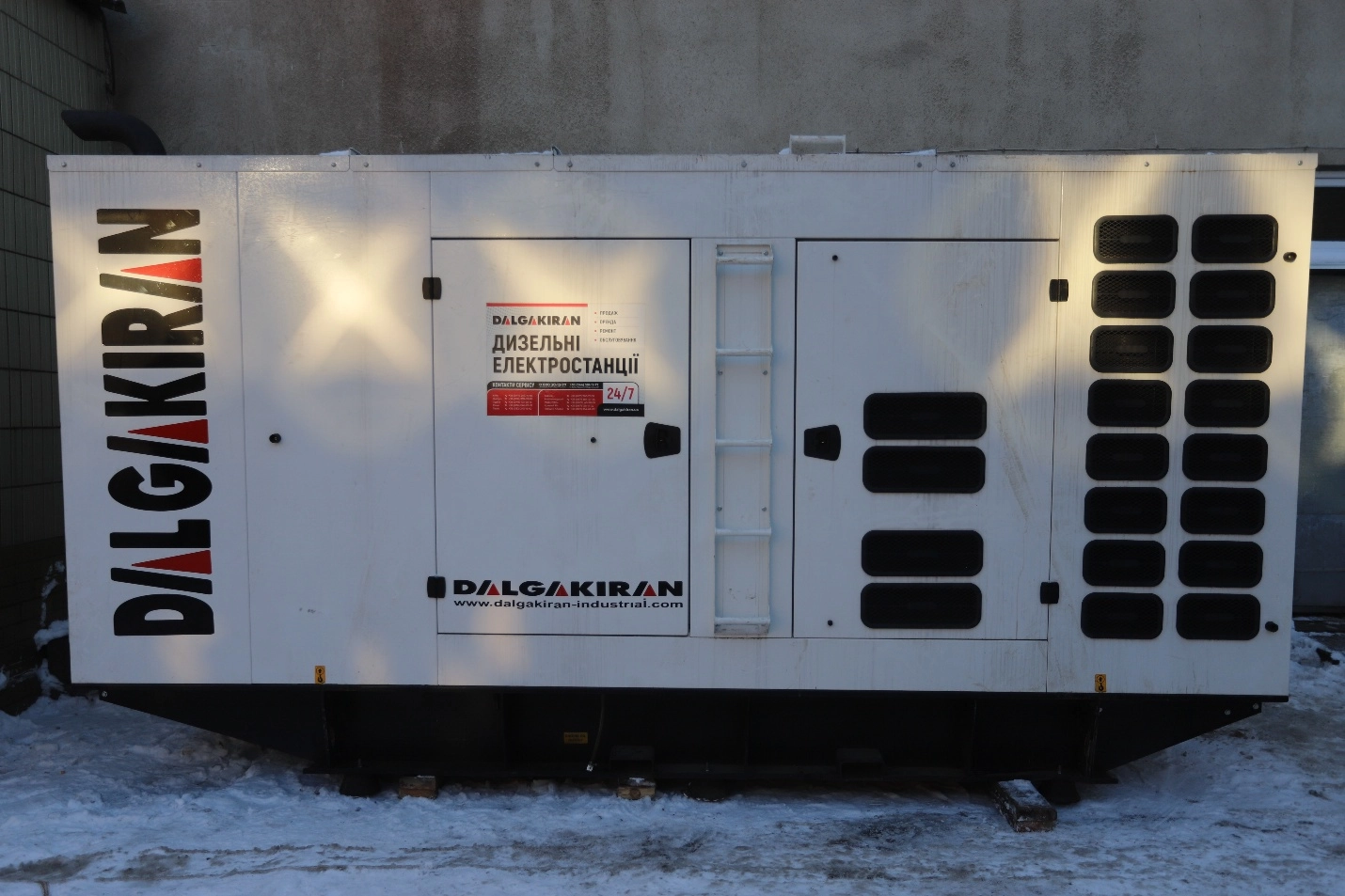
And the batteries are needed, Roman says, so that the operation of the equipment is not interrupted for even a second.
“The batteries ensure uninterrupted power,” Roman explains. “When a generator starts, it takes several minutes to reach nominal output. For surgeries or patients on ventilators, even seconds matter. Batteries instantly pick up the load until the generator is fully operational.”
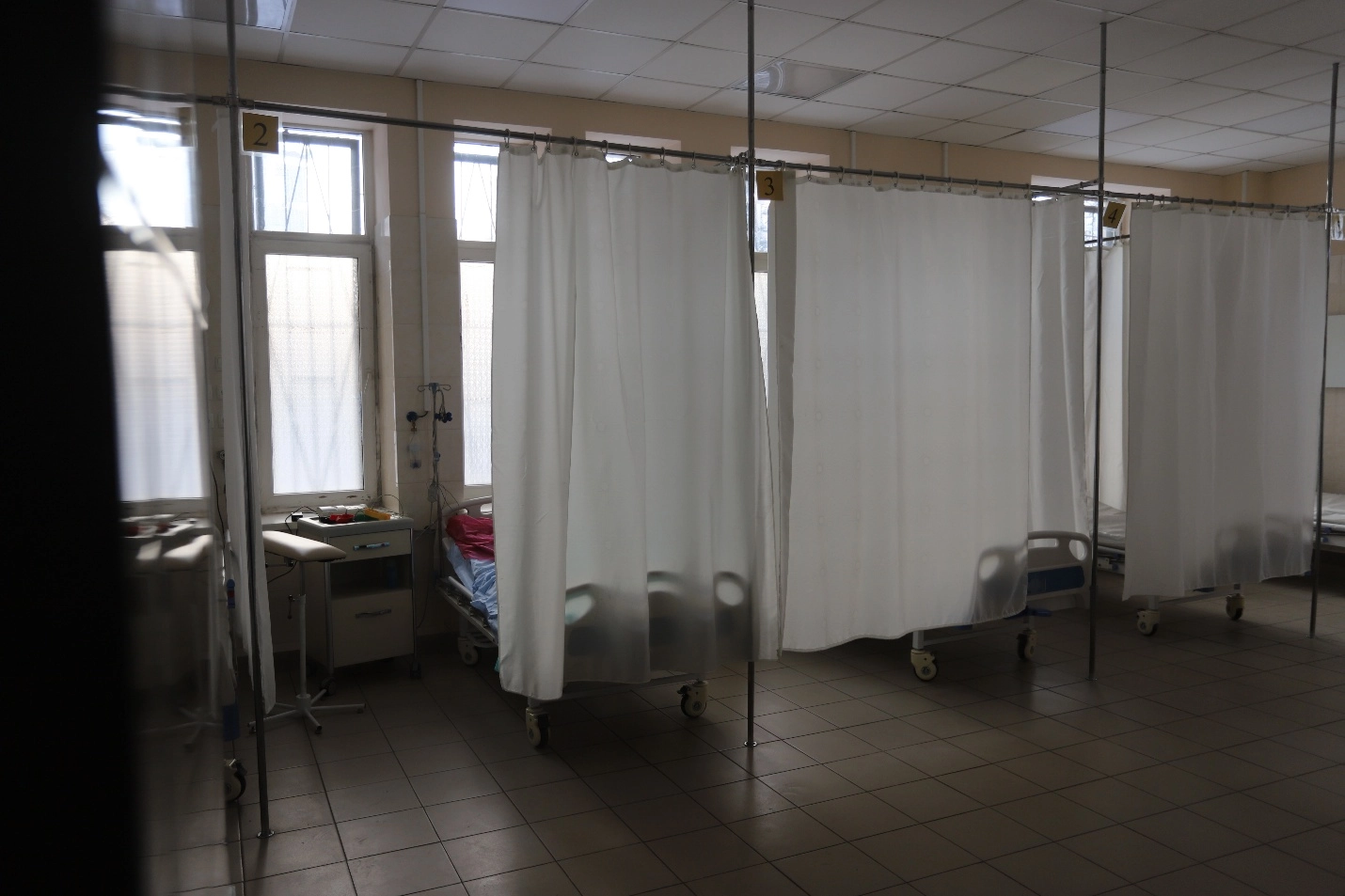
During our visit, a voltage surge caused a brief grid shutdown. Instantly, the batteries took over, and within a minute, the system stabilized.

Such fluctuations are common amid an unbalanced energy system and ongoing emergency repairs in Kyiv.
Roman can monitor and manage electricity flows in real time through a mobile application.
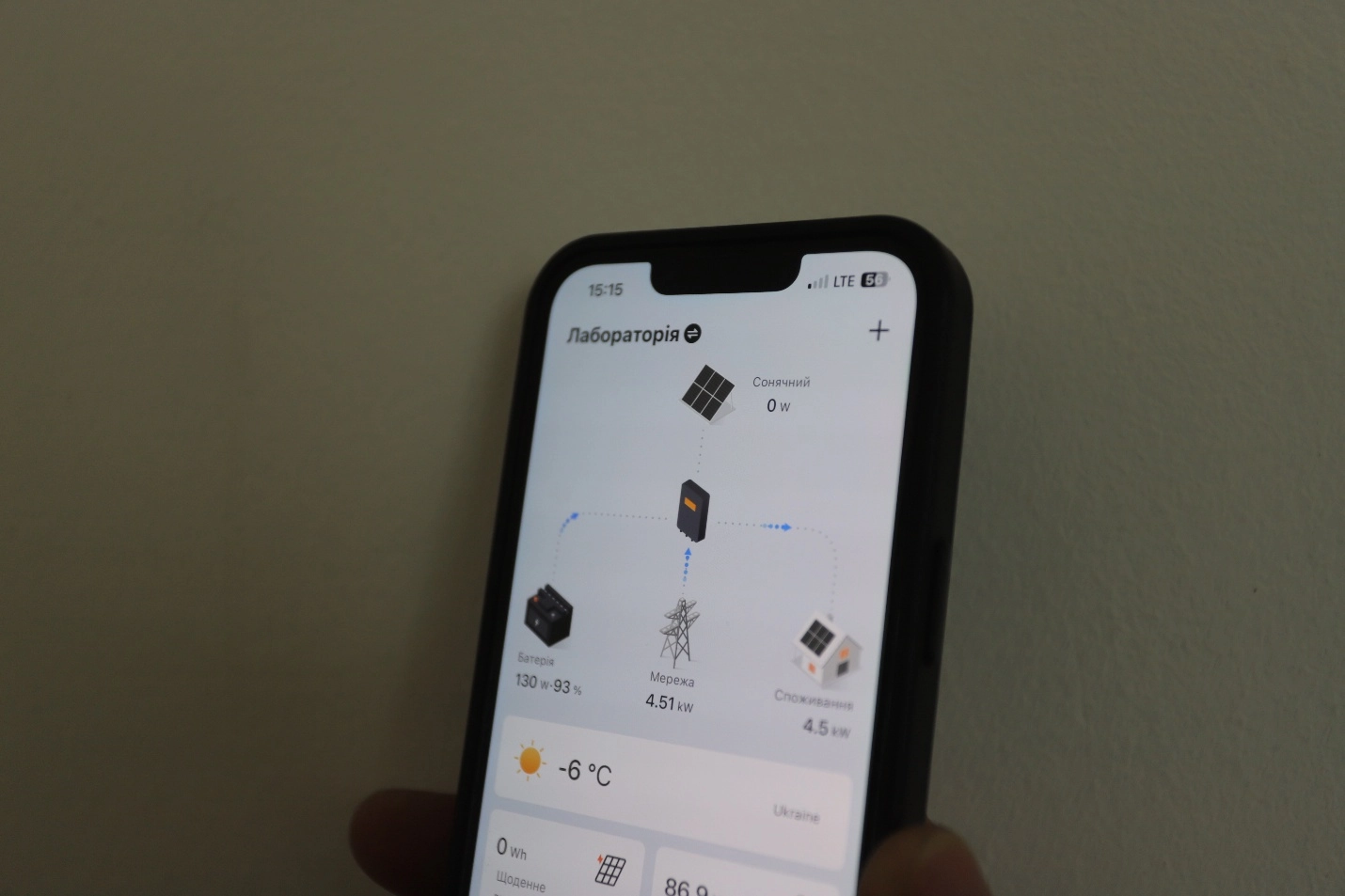
Hospital management emphasizes the life-saving importance of Lithuanian assistance.
“This project is, first and foremost, of humanitarian significance for us,” a representative says. “We have gained real energy independence and operate uninterruptedly even in the most difficult conditions. This is the preservation of human lives. This is doctors’ confidence that the equipment will not stop, that the operation will be completed, and that the most vulnerable patients and children will remain under reliable protection.”
The Lithuanian side says it will continue its support because Ukraine’s success and its ability to resist Russian aggression is crucial to Lithuania’s own security.
“Our priority was speed,” says Nataliia Aldochina, project manager at Lithuania’s Central Project Management Agency. “Ten of the 20 planned facilities were equipped by the end of December. The remaining installations will be completed by February 2026, and cost savings made it possible to include six additional critical infrastructure facilities.”
You can also highlight the text and press Ctrl + Enter

ANALYSIS: Russia’s Air Defense Problems Are Growing