Russia’s plans to accelerate the issuance of passports in the breakaway Transnistria region and recent legislative changes that expand the grounds for deploying Russian forces abroad have raised concerns about potential security implications for southern Ukraine and Moldova.
And as Russia’s hybrid threats intensify alongside risks of the war spilling into neighboring Moldova and Romania in recent drone incidents, trilateral cooperation among Kyiv, Chisinau, and Bucharest has gained renewed urgency.
JOIN US ON TELEGRAM
Follow our coverage of the war on the @Kyivpost_official.
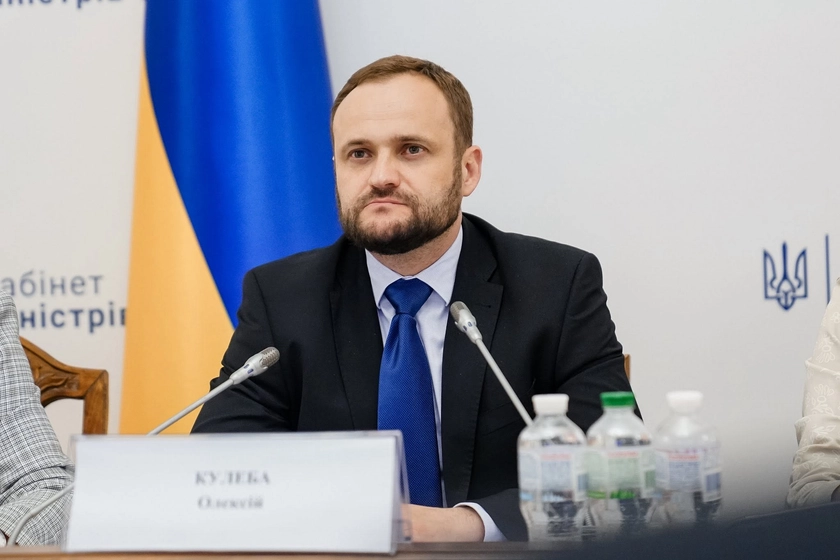
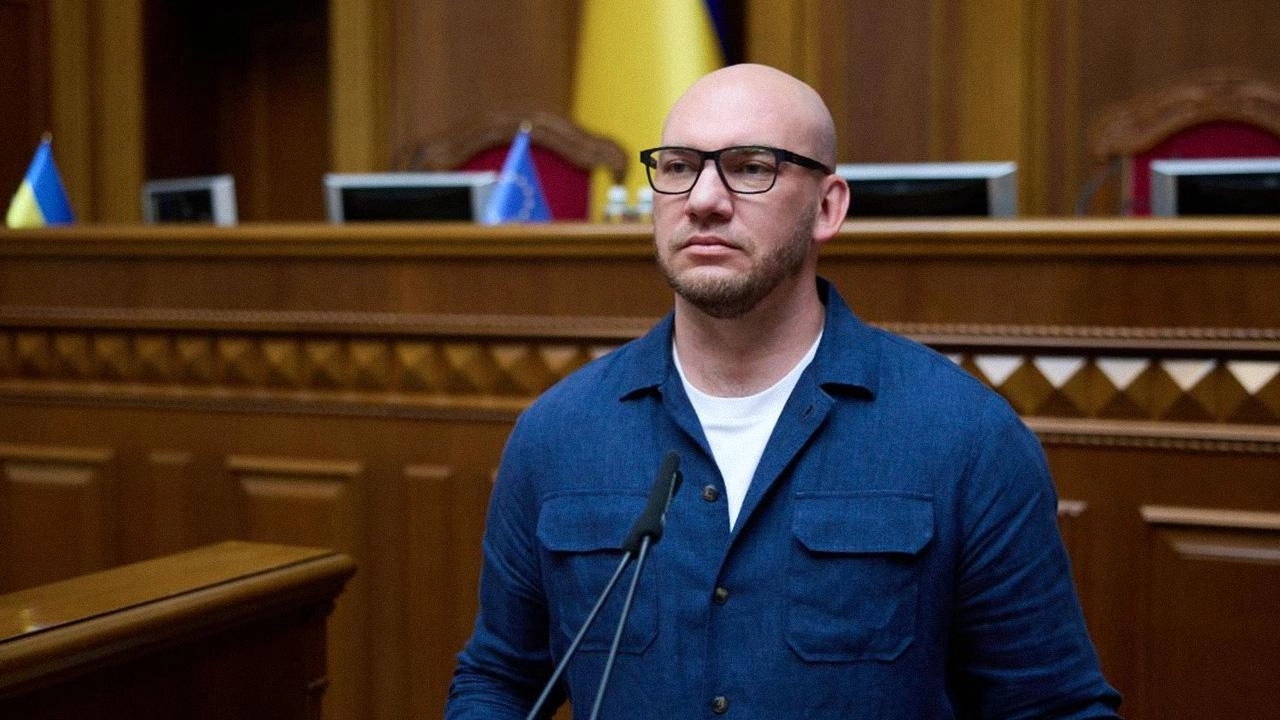
In an interview with Kyiv Post, Ukrainian lawmaker Oleksiy Leonov, co-chair of the Verkhovna Rada’s interparliamentary relations group with Romania, discussed security developments related to Transnistria, prospects for a joint drone-production initiative with Romania, progress on the A7 highway project, and efforts to revive the “Odesa Triangle” framework for regional cooperation.
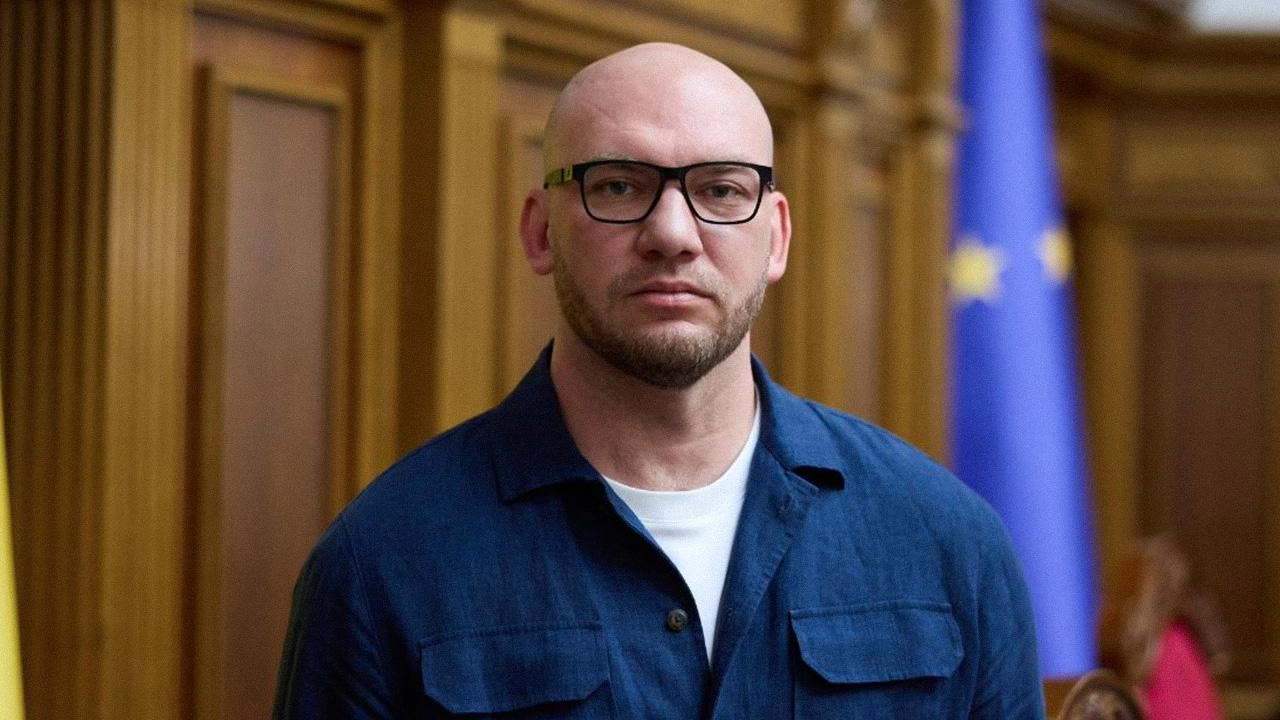
Kyiv Post: It recently became known that Russia plans to accelerate the passportization of residents in the so-called Pridnestrovian Moldavian Republic (PMR). How will Moscow’s intentions affect the security of the entire region, including the Odesa region?
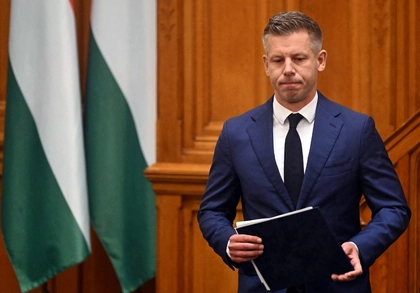
Hungary Rejects EU Plan to Exclude Ukrainian Men of Military Age From Temporary Protection
Oleksiy Leonov: The acceleration of Russian passportization in Transnistria is part of a hybrid Kremlin strategy that we are all too familiar with. We have already seen this blueprint in Abkhazia, South Ossetia, and Donbas: First, a mass distribution of passports, followed by declarations about the need to protect Russian citizens, and ultimately leading to political or military blackmail.
Regarding Moldova, this is an attempt by Russia to freeze the Transnistrian conflict and erect additional barriers on the country’s path to the European Union.
As for Ukraine, it is another tool of pressure on our southern flank. Regarding the Odesa region, we should not overestimate the risks of a new front line opening up at this stage. Transnistria is isolated from Russia, and the Russian contingent stationed there lacks the necessary capability for a large-scale offensive operation.
However, we must remain prepared for other scenarios: sabotage, information operations, border provocations, and attempts to destabilize the situation surrounding Danube logistics and port infrastructure.
We must clearly realize that Transnistria is no longer just Moldova’s problem. It is a security issue for the entire Ukrainian South. Any attempt by Russia to rock the boat there automatically impacts Odesa, the Danube, our ports, and our communities.
How critical is this threat to Ukraine right now?
In military terms, I would call it serious, but not critical.
Today, there are no signs indicating preparations for a large-scale operation against Ukraine from Transnistria. However, the threat is critical in the political and hybrid dimensions. Russia is laying the groundwork for future blackmail through its “protection of compatriots” concept, generating additional leverage over Moldova, and attempting to keep the Ukrainian South under constant tension.
Could mass passportization serve as Russia’s official pretext for the “protection of compatriots”?
That is exactly why it is being carried out. Particular attention should be paid to the fact that, virtually parallel to the decisions on simplified passportization, the Russian authorities are expanding the legal avenues to deploy their military abroad to protect citizens of the Russian Federation. This establishes not only a propagandistic but also a pseudo-legal justification for future provocations.
Nevertheless, there is a major difference compared to the situation in Donbas: Russia has no direct land connection to Transnistria. Consequently, the Kremlin’s options in this region are significantly more limited.
How should Ukraine and Moldova act synchronously?
The key element here is coordination. Our nations must enhance intelligence sharing, coordinate border controls, counter sabotage groups, and tackle information operations.
It is equally vital to maintain a unified diplomatic front, explaining to international partners that passportization is not a humanitarian initiative but a tool of hybrid warfare.
Furthermore, both Kyiv and Chisinau hold substantial economic leverage over Tiraspol, given that Transnistria’s economy relies heavily on logistics and trade routes running through Moldova and Ukraine.
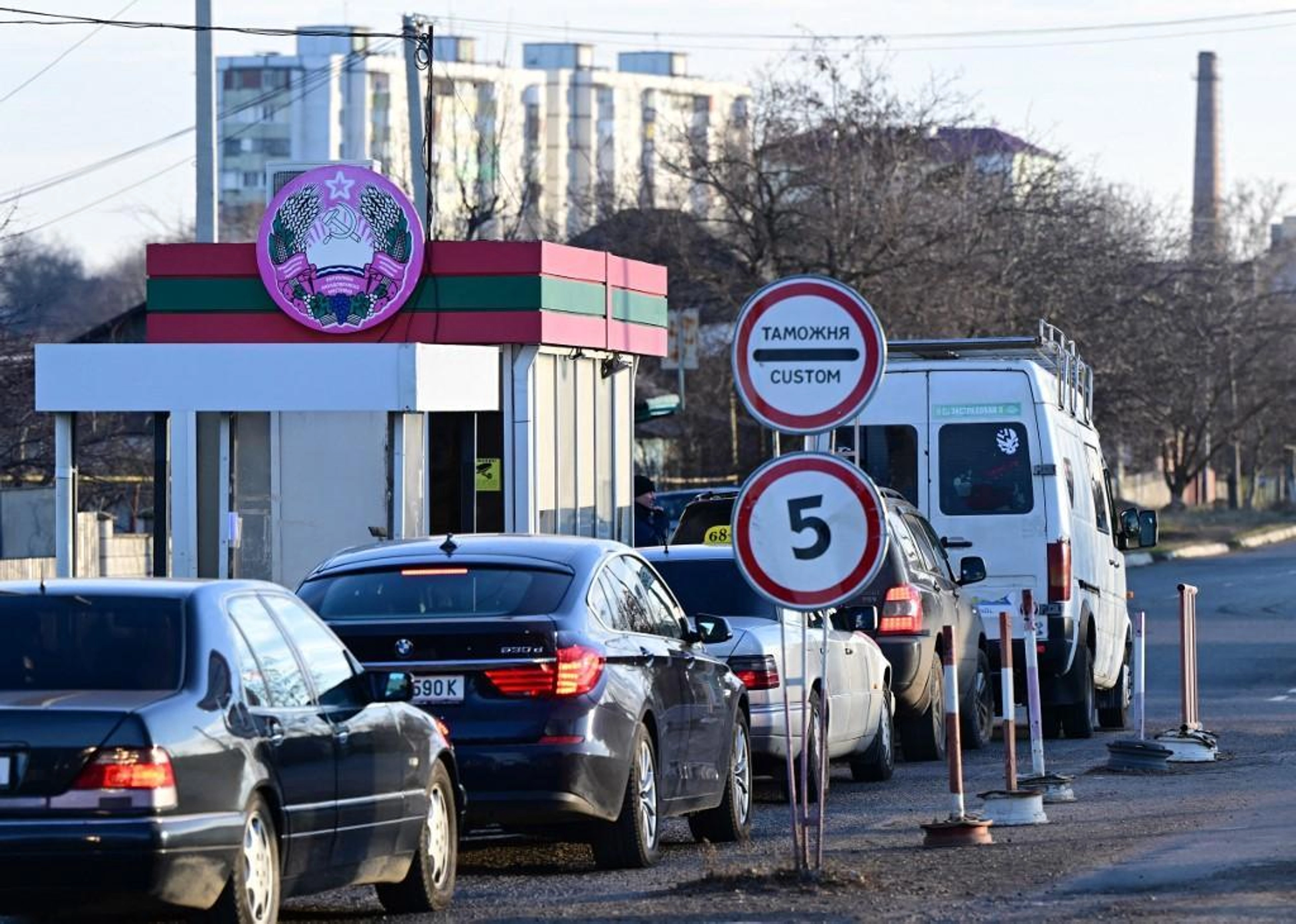
Today, Ukraine and Moldova are effectively undergoing the same historical test. If we do not allow the Kremlin to impose its rules of the game on the Dniester, the entire Black Sea region will become significantly safer tomorrow.
How do you assess the level of strategic partnership between Kyiv and Bucharest?
Today, Romania stands as one of Ukraine’s most vital partners. This is the direct result of deliberate efforts by the president and the entire diplomatic team.
We are witnessing an intensification of political dialogue, steadfast support for Ukraine on its path to the EU, security cooperation, and the advancement of new joint initiatives. The format of the so-called Drone Deal looks particularly promising, as it pairs Ukrainian combat experience with Romanian manufacturing capabilities.
For Ukraine, Romania is more than just a neighbor. It is a NATO member, an EU member, and one of the pivotal states in the Black Sea region.
I believe that in the 21st century, the Kyiv-Bucharest axis can become one of the cornerstone centers of stability in Eastern Europe. Our countries are no longer united solely by geography; we are bound by a shared responsibility for the future of the Black Sea.
Romania is actively modernizing its infrastructure. To what extent does this assist Ukrainian exports?
Following the outbreak of the full-scale war, Romanian logistics became a critical pillar of Ukraine’s economic resilience. The port of Constanța essentially turned into an alternative route for a significant portion of Ukrainian exports. The EU has already allocated over €126 million ($145 million) to develop Romanian ports and transport hubs that facilitate the transit of Ukrainian goods.
The construction of the so-called Moldovian Motorway (A7), designed to link central Romania with Moldova and the Ukrainian border, warrants a separate mention. For Ukrainian businesses, this translates to reduced logistical costs and accelerated access to EU markets.
For the Odesa region, establishing a unified logistical space between Ukraine’s Danube ports and Romanian infrastructure carries profound significance. Broadly speaking, the Danube is establishing itself as one of the primary transport arteries of a united Europe, and the Odesa region has every opportunity to become a core hub of this process.
What joint steps should Ukraine, Romania, and Moldova take to displace Russian influence?
There is a strong and time-tested format for engagement between Ukraine, Romania, and Moldova – the Odesa Triangle. It has already proven its political effectiveness, gradually evolving from a diplomatic framework into a practical mechanism for regional security and growth. This is where I see its core value.
Geographically, this triangle is the key to the security of the entire region. It encompasses the coordination of security policies, transport infrastructure development, energy integration, and a combined fight against Russian information networks.
Russia traditionally exploits vulnerabilities – energy dependence, corruption risks, and regional conflicts. Thus, the best countermeasure lies not only in military deterrence but also in the maximum integration of our states into the European economic and security framework.
We must make every effort to ensure that the space between the Danube and the Black Sea is associated not with frozen conflicts and Russian provocations, but with development, investment, and European security.
How do you evaluate Chisinau’s capacity to counter Russian interference?
Moldova is displaying a much higher level of resilience than many anticipated a few years ago.
Chisinau openly labels Russia as a source of destabilization, actively combats pro-Russian political entities, and reinforces cybersecurity along with the protection of electoral processes. Moreover, certain EU nations are already studying Moldova’s experience.
Nevertheless, the struggle is far from over. Russian influence continues to leverage social hardships, information networks, and the unresolved Transnistrian conflict.
Is Moldova ready for a final resolution of the Transnistrian issue?
Politically, I believe so. Chisinau has already presented its partners with its own vision for the gradual reintegration of Transnistria and is actively working to find a new model for a settlement.
However, the core issue remains unchanged – the presence of Russian troops. Consequently, resolving the Transnistrian issue directly depends on international pressure on Russia and the security situation surrounding Ukraine.
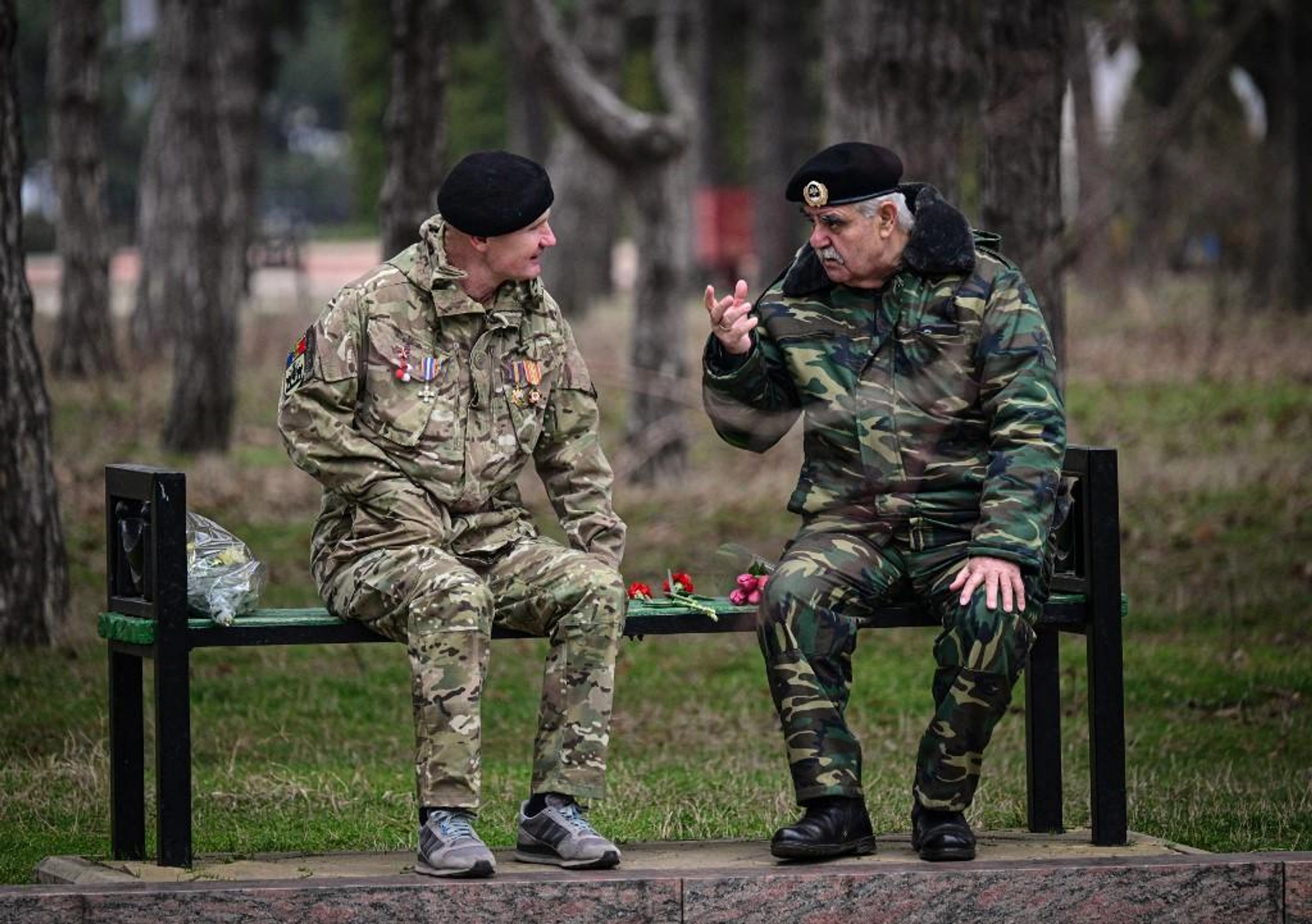
For Ukraine and Moldova, joining the EU has long ceased to be merely an economic matter. Today, it is a question of survival, security, and the right to independently determine our own future.
Is there ongoing work to neutralize separatist risks in Gagauzia?
Yes, and it must remain systemic.
For Ukraine, the stability of southern Moldova is directly tied to the security of the Odesa region. That is why the issues of Gagauzia, Transnistria, countering disinformation, and border security are consistently at the center of the interparliamentary dialogue between Kyiv and Chisinau.
Russia traditionally seeks to exploit local identities and regional specificities as tools of political leverage. Therefore, our task lies not only in countering disinformation but also in fostering direct contacts between communities, as well as educational, cultural, and economic projects on both sides of the border.
Which legislative initiatives and international tracks are currently top priorities for bolstering the resilience of the Odesa region’s border areas?
For me, there are three key areas.
First is the development of border infrastructure and new transport corridors. Second is supporting the Danube ports and logistics as the foundation of the region’s economic resilience. Third is strengthening cross-border cooperation with Romania and Moldova across security, economic, and humanitarian spheres.
Today, the security of the Odesa region does not just begin at the border; it resides primarily within logistics, energy, and international partnerships.
I support the development of the Carpathian Initiative because Europe’s future security architecture is not being shaped in Brussels alone. It is also being forged in the regions – through shared roads, energy grids, logistical corridors, and community partnerships.
For the Odesa region, this offers an additional opportunity to integrate into the space stretching from the Baltic to the Black Sea and to attract fresh investments for the development of southern Ukraine.
Are you succeeding in attracting Romanian investments into the Odesa region?
Despite the war, this work is moving forward.
The highest level of activity today is seen in logistics, port infrastructure, energy, and cross-border interaction. The Interreg NEXT Romania-Ukraine programs are being implemented, cooperation between communities on both sides of the Danube is growing, and large-scale infrastructure projects, including new bridge crossings, are being discussed.
Energy projects centered around Romania’s Neptun Deep gas field in the Black Sea are of particular interest. Looking ahead, this could open up new avenues for energy partnerships between Romania, Ukraine, and Moldova.
I am convinced that once the hot phase of the war draws to a close, the Ukrainian-Romanian partnership will emerge as one of the primary drivers for rebuilding the Ukrainian South. And we must lay the groundwork for this today.
Today, the future of the Ukrainian South is being decided on the battlefield. Tomorrow, following the establishment of a just peace, it will be shaped through cross-border and international projects. Our task is to ensure that after the war, Odesa, the Danube, and the entire South become core symbols of a successful, European Ukraine.
You can also highlight the text and press Ctrl + Enter

Russia Hit by 660-Drone Overnight Barrage Targeting Moscow, Crimea and Key Military Sites