Against all odds, Iran and Uncle Sam have agreed to a two-week ceasefire just hours before US President Donald Trump’s deadline – with oil prices dropping instantly.
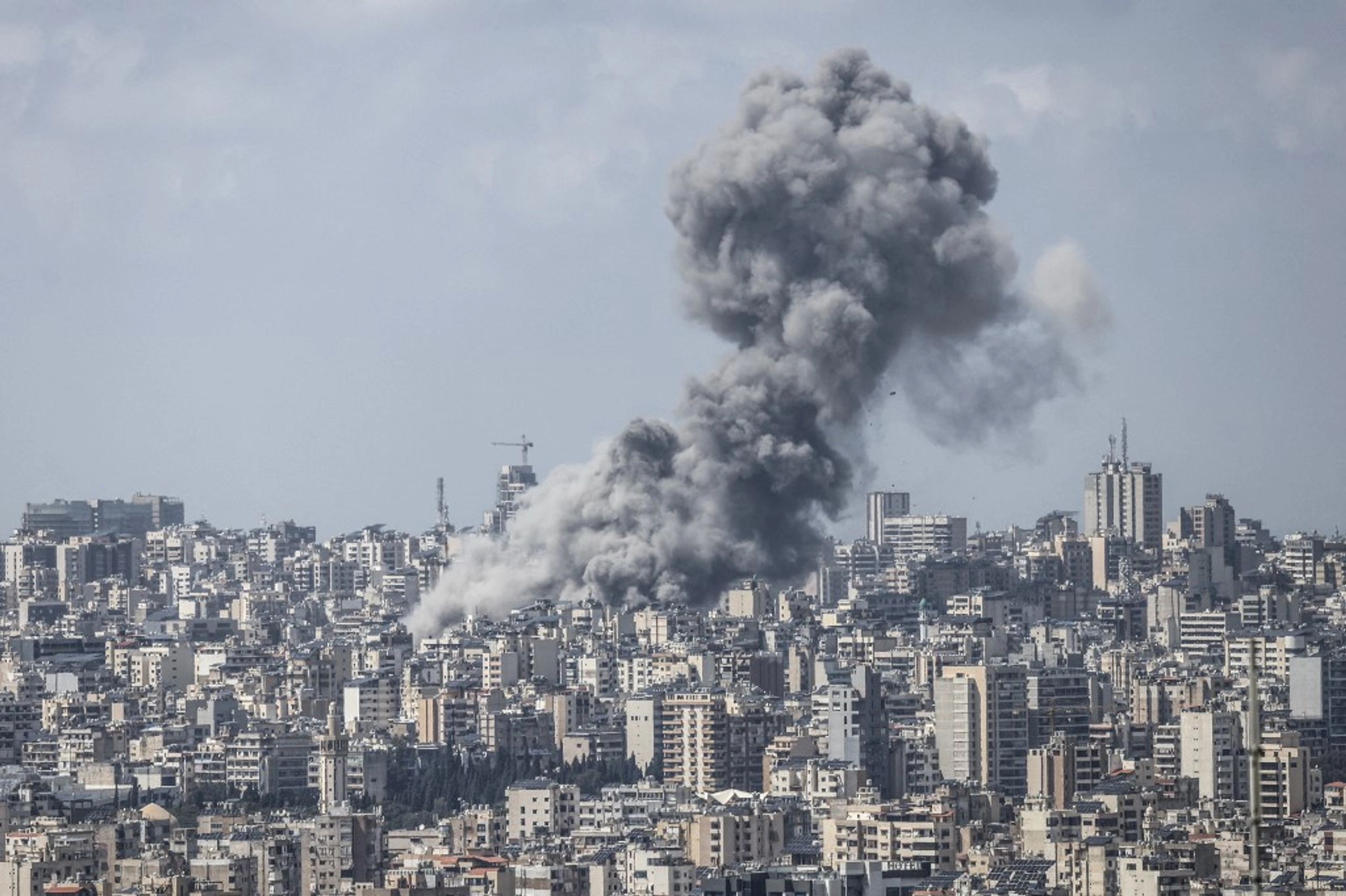
But as with the examples in Ukraine, announcing a ceasefire and actually observing one are two different things – Tehran is already criticizing Israel’s continued strikes on Lebanon, while Israel says Hezbollah wasn’t part of the deal. Couple that with a series of strikes reported across the Gulf, and the ceasefire hasn’t exactly started off well.
JOIN US ON TELEGRAM
Follow our coverage of the war on the @Kyivpost_official.
By Wednesday evening, Tehran had reportedly closed the strait yet again due to the strikes in Lebanon.
The peace terms under negotiation are also unclear – Iran submitted a maximalist 10-point proposal that supposedly agrees to reopen the Strait of Hormuz – likely for a fee on every ship – that the US says is “workable,” while provisions on uranium enrichment were reportedly present in the Farsi version but not the English one.
Trump has also lashed out at CNN’s reporting of Iran’s declaration of victory, calling it fake news even though the media stood firm and said they reported exactly what the Iranians said.
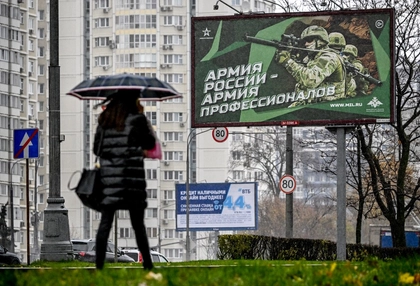
Zelensky: Russia Shifts Donetsk Capture Deadlines – Now at 15 Attempts
Back in Ukraine…
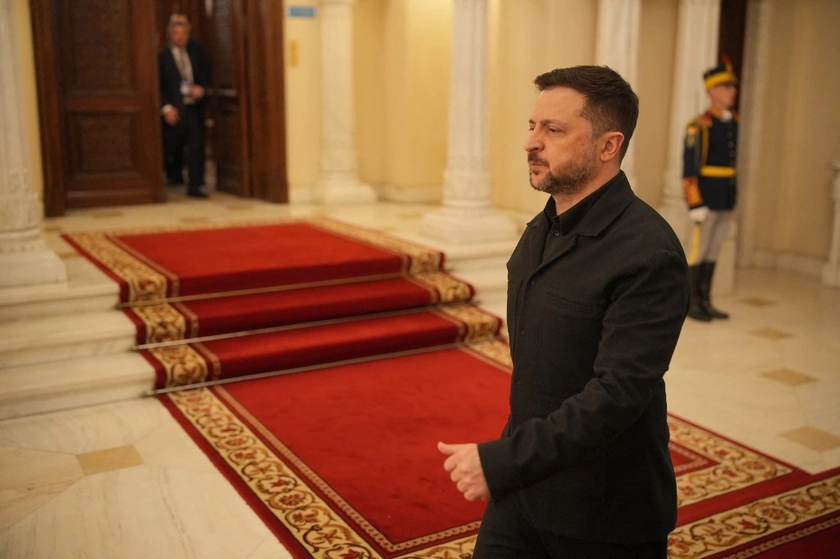
President Volodymyr Zelensky, who also said Kyiv is ready to help reopen the Strait of Hormuz after Moscow and Beijing rejected Washington’s UN resolution, welcomed the ceasefire and tacitly hinted that if it can be done in Iran, it can be done in Ukraine if Russia agrees.
After Russia’s Baltic ports, Ukraine also seems to be going at it in the occupied Crimea, with its Military Intelligence Directorate (HUR) saying it “disabled” Russia’s last military ferry crossing the Kerch Strait – in addition to other targets across occupied Ukraine, including a key oil terminal in Crimea’s Feodosia.
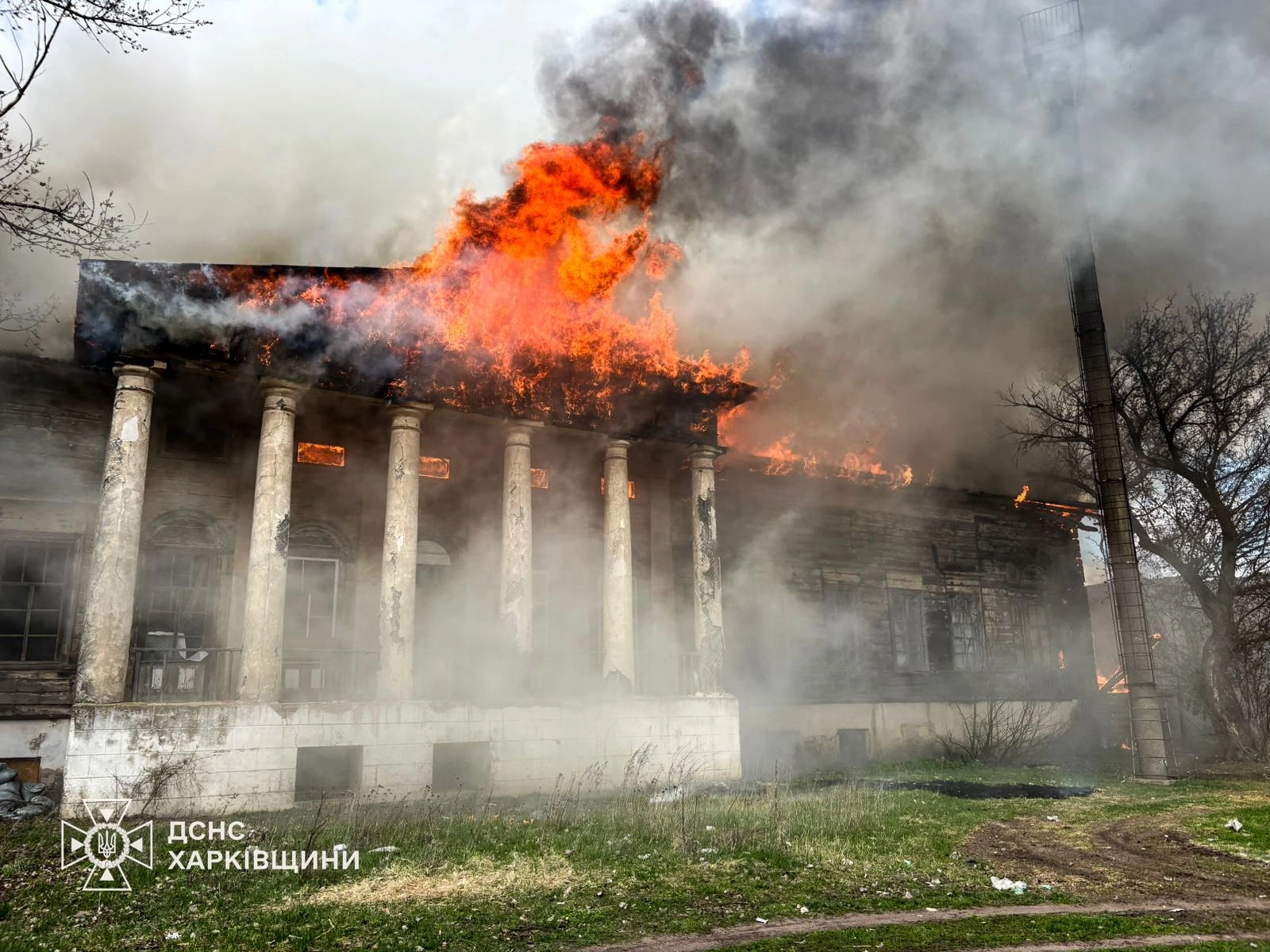
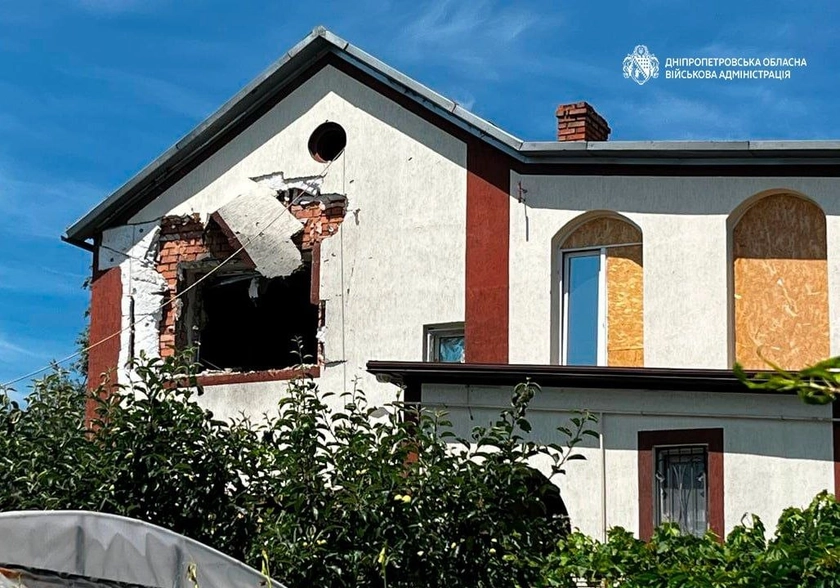
But energy isn’t the war’s only casualty. Beyond warehouses hit in central Ukraine’s Pavlohrad, a historic manor in eastern Kharkiv – which survived two world wars – didn’t survive Russia’s invasion, as it was set ablaze by a drone strike.
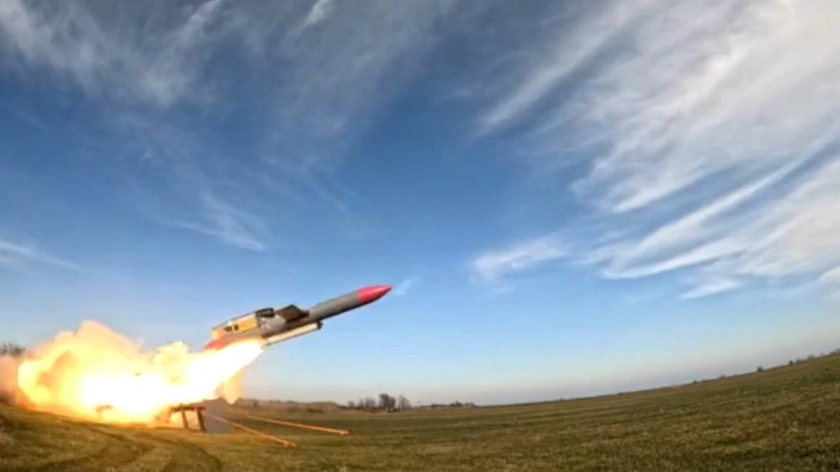
On the economic front, the picture is mixed. Parliament has passed the first reading of a digital platform tax bill – a key benchmark for unlocking much-needed IMF funding – while the central bank warns that a shortage of skilled labor persists despite a growing workforce. Meanwhile, the defense sector continues to expand partnerships, with a local interceptor firm teaming up with a Croatian drone manufacturer to set up shop underground in Ukraine, alongside parallel production in the Balkan state.
Vance to Orban’s rescue

And whether the US will remain on Kyiv’s side after the Iran episode remains unclear, with US Vice President JD Vance saying the Ukraine war has been “the hardest to solve” during a rally supporting Hungarian Prime Minister Viktor Orban, later criticizing Zelensky for threatening Orban and decrying foreign interference.
Perhaps the irony is lost somewhere, with the Hungarian opposition indirectly asking Vance to stop doing just that, saying no one should interfere in Hungary – whether the US, Russia, or anyone else.
Interested in more updates like this? Subscribe to our daily newsletter here.
You can also highlight the text and press Ctrl + Enter