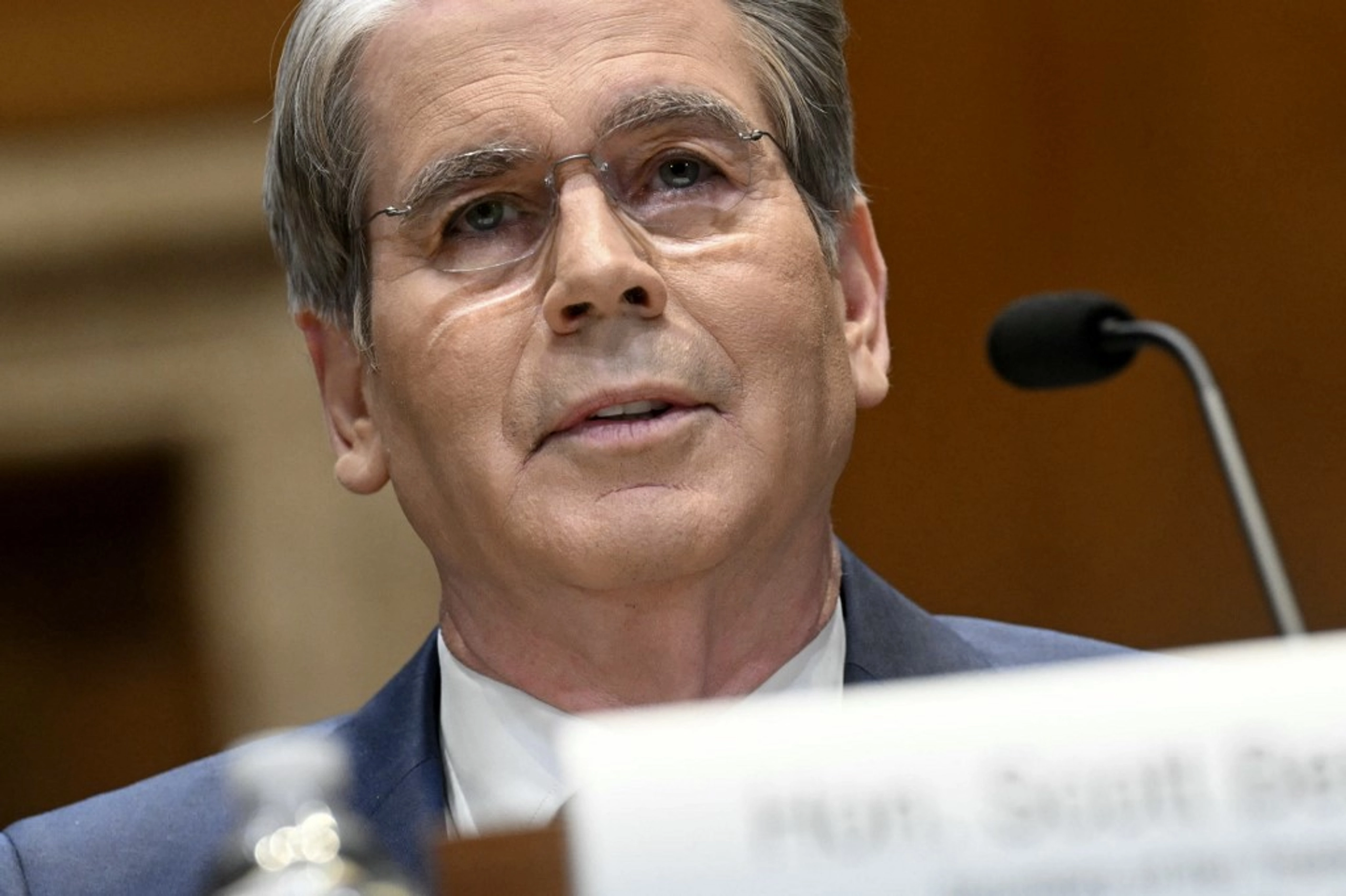
US Treasury Secretary Scott Bessent on Wednesday defended the Trump administration’s recent about-face to temporarily extend a sanctions waiver that allowed the sale of Russian oil already at sea.
The month-long relief announced last Friday was meant to cool soaring energy prices. But it came just two days after Bessent told reporters that Washington would not renew the waiver.
JOIN US ON TELEGRAM
Follow our coverage of the war on the @Kyivpost_official.
The latest move allowed for purchases of oil and petroleum products that had been loaded onto vessels as of Friday, through to May 16.
It prolongs an earlier easing of sanctions that expired on April 11.
President Volodymyr Zelensky condemned sanctions relief on Russian oil over the weekend, saying that this provides money for Moscow’s war on Ukraine.
Asked about the US administration’s change of tack during a hearing, Bessent said Wednesday that the shift came after he was “approached by more than 10 of the most vulnerable and poorest countries in terms of energy.”
This happened on the sidelines of the International Monetary Fund and World Bank’s spring meetings, which brought finance ministers, central bankers and other leaders to Washington.
“They asked us to extend that sanction (relief), and it’s only for 30 days,” Bessent told a Senate Appropriations subcommittee.
He rejected criticism that temporary waivers on purchases of Russian and Iranian oil served to enrich Tehran, saying the aim was to lower energy costs.
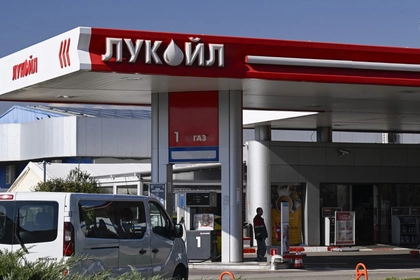
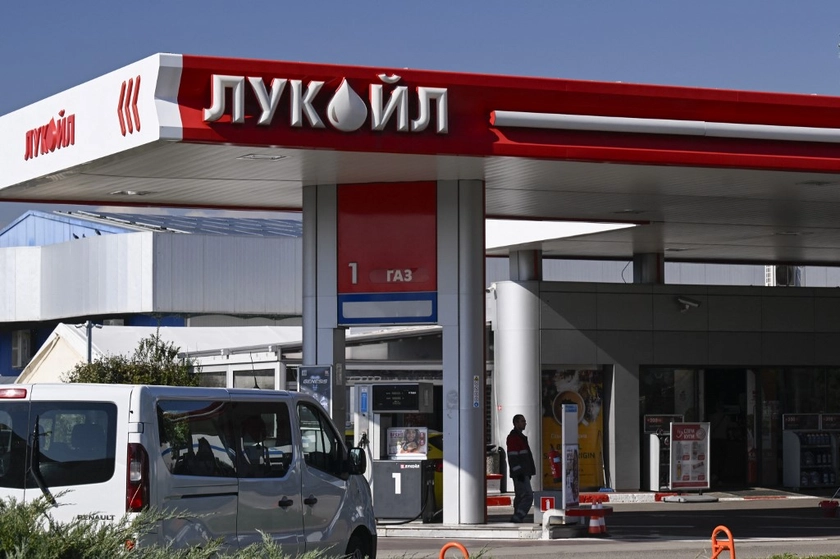
Russian Region Deploys Police at Gas Stations As Fuel Crisis Deepens
After US-Israeli strikes targeting Iran since February 28, Tehran retaliated by effectively closing off the Strait of Hormuz, a key waterway for energy shipments.
Oil prices surged, squeezing countries, especially those dependent on energy exports from the region.
US gasoline prices jumped as well, putting pressure on American households ahead of key midterm elections in November.
But such waivers could complicate efforts to deprive Russia of oil revenue needed for its war on Ukraine.
On Wednesday, Bessent added that many US allies in the Gulf, as well as some Asian countries, have requested foreign exchange swap lines.
“Swap lines, whether it’s from the Federal Reserve or the Treasury, are to maintain order in the dollar-funding markets and to prevent the sale of the US assets in a disorderly way,” the Treasury chief told lawmakers.
You can also highlight the text and press Ctrl + Enter