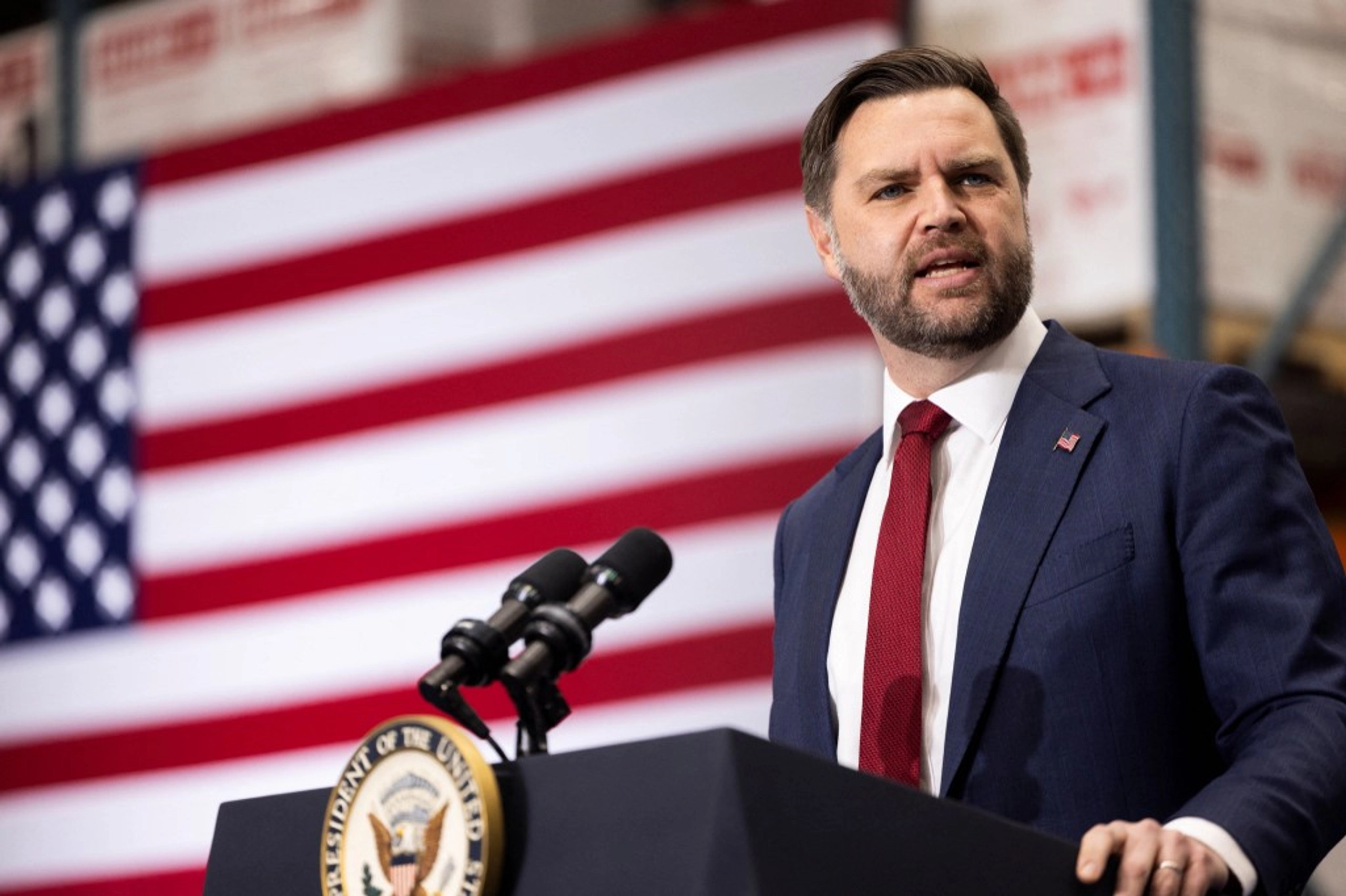
US Vice President JD Vance has stated that the US is prepared to fundamentally change its relationship with Iran, provided Tehran abandons its nuclear weapons ambitions, The Guardian reported.
However, Vance emphasized that regardless of the diplomatic outcome, the US has already secured a strategic victory by degrading Iran’s nuclear capabilities.
JOIN US ON TELEGRAM
Follow our coverage of the war on the @Kyivpost_official.
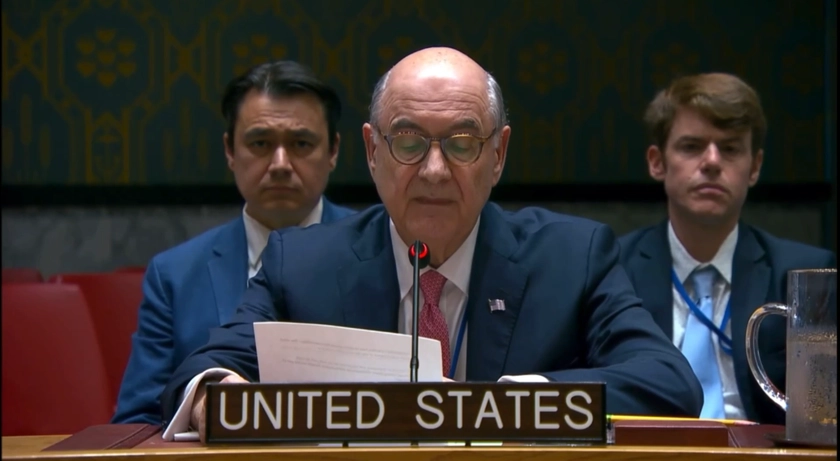
Speaking on HBO’s Real Time with Bill Maher, Vance projected confidence regarding the ongoing negotiations.
“If we make the final deal, then great,” the vice president said. “If we don’t make the final deal, their nuclear program is still destroyed. They’re still much weaker as a country, so my attitude is America wins either way.”
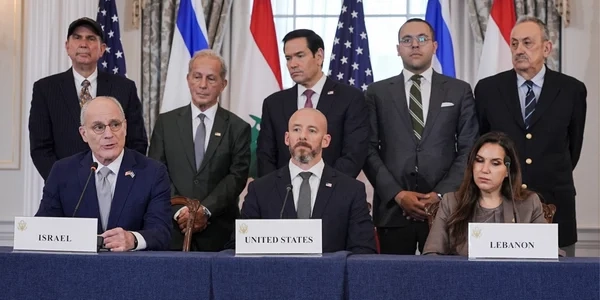
The US vice president pointed to recent talks with an Iranian delegation in Lucerne, Switzerland, which he characterized as successful. He argued that the US strategy had effectively neutralized the immediate threat, claiming that Iran’s nuclear program was “functionally destroyed,” particularly concerning its ability to enrich uranium.
He also highlighted economic indicators, noting that global oil prices had dropped to $73 a barrel. Vance argued that the increased flow of oil through the strategic Strait of Hormuz was a “signal that there’s something real going on” regarding the diplomatic thaw.
“If they are ready to give up their nuclear weapons ambitions in the long term, then the United States is ready to fundamentally change the relationship with that country,” Vance stated. “If they’re willing to change, we’re willing to change; if they’re not willing to change, we still have all the leverage, and I think we’re in a good position.”
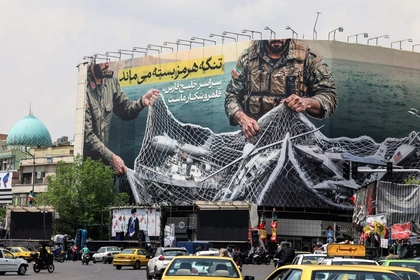
US and Iran Trade Strikes, Accuse Each Other of Ceasefire Violations
A fragile ceasefire and sudden escalation
Vance acknowledged that the current 60-day memorandum of understanding (MOU) agreed upon by US President Donald Trump and Iranian President Masoud Pezeshkian “is always going to be a little messy when you’re dealing with the Iranians.”
Vance’s comments aired just hours before the region experienced its worst military escalation since the interim peace deal was signed on June 17.
The hostilities were triggered by a series of Iranian attacks on commercial shipping. US Central Command (CENTCOM) reported that Iranian drones targeted the cargo ship M/V Ever Lovely on June 25, followed by a strike on the Panama-flagged tanker M/T Kiku the following day.
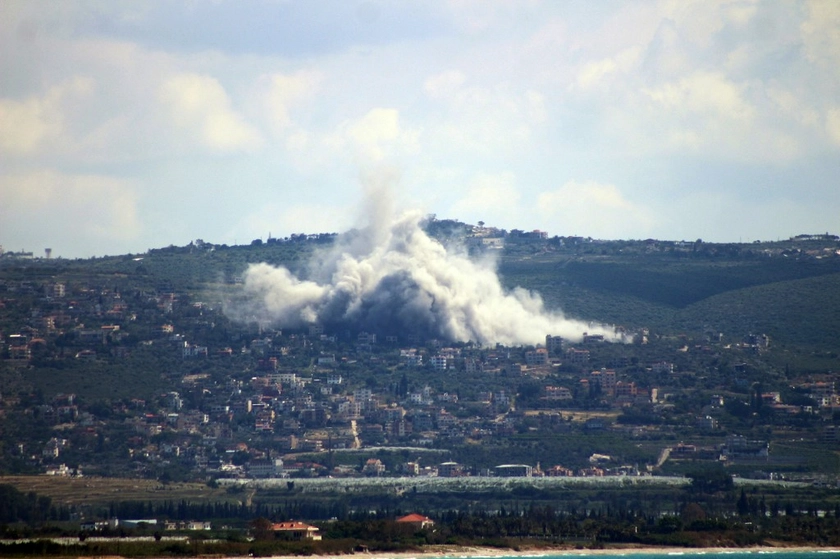
In response, the US military launched a wave of nighttime strikes against Iranian military facilities near the Strait of Hormuz. CENTCOM confirmed that an US aircraft hit Iranian surveillance and communication systems, air defense positions, drone storage sites, and naval mine-laying facilities.
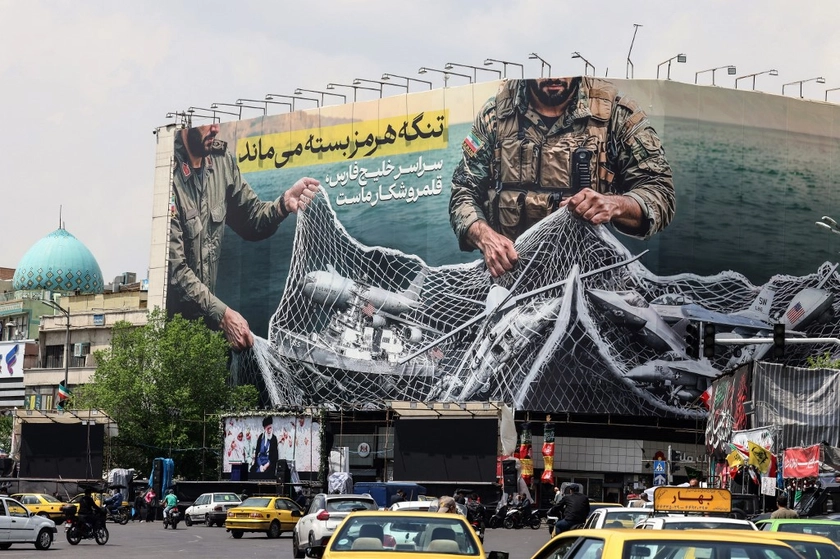
Tehran condemned the US operation, with the Iranian Foreign Ministry calling it a blatant violation of the ceasefire memorandum. In retaliation, Iran’s Islamic Revolutionary Guard Corps (IRGC) launched missile and drone strikes targeting American military facilities in Bahrain and Kuwait.
While Bahrain condemned the strikes on its territory, an unnamed US official told Reuters that the Iranian barrage resulted in no American casualties.
The rapid exchange of fire has raised serious questions about the viability of a final peace deal. Following the strikes, Trump took to Truth Social to issue a stark warning to Tehran.
“It is very possible that they will never learn!” Trump wrote. “There may come a point when we are no longer able to be reasonable, and will be forced to militarily complete the job that we very successfully started. If that happens, the Islamic Republic of Iran will no longer exist!”
You can also highlight the text and press Ctrl + Enter