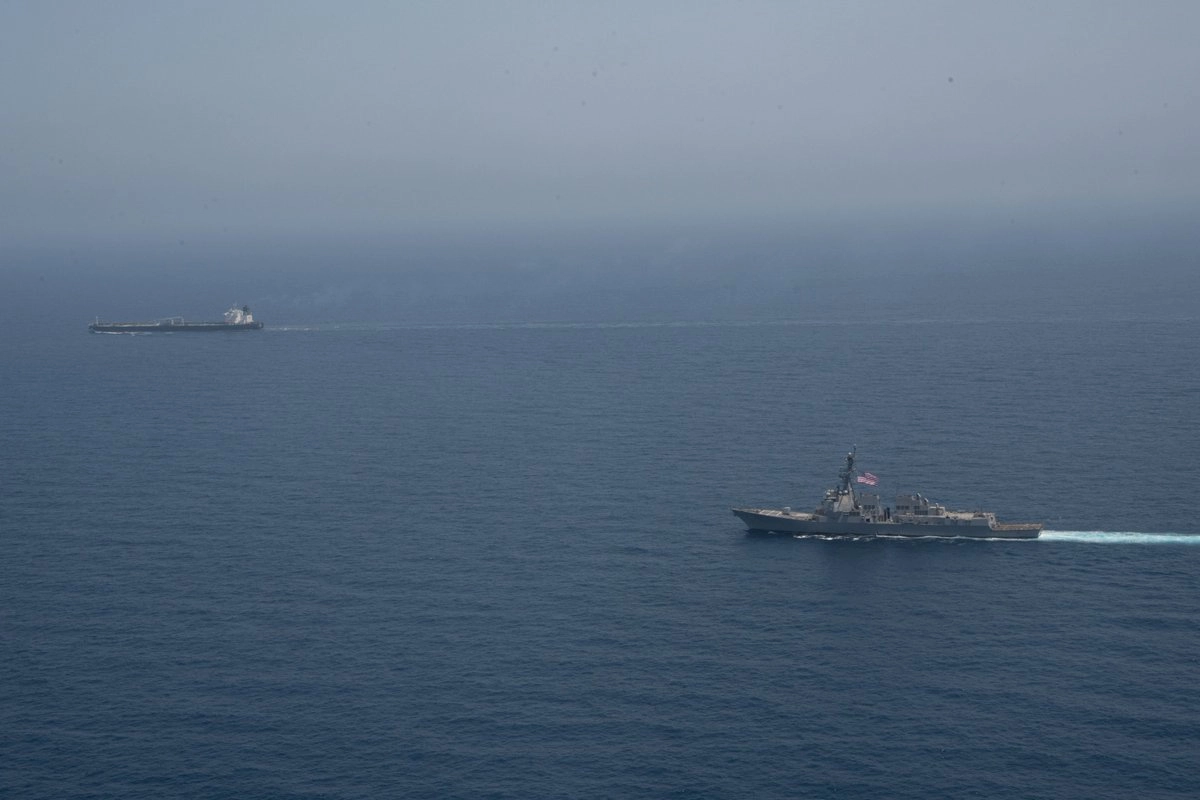
US naval forces intercepted a Russian “shadow fleet” vessel in the Arabian Sea on Saturday, April 25, as Washington intensifies its military enforcement of sanctions against Iranian energy exports.
The vessel, identified as the Sevan, was intercepted by a US Navy helicopter operating from the guided-missile destroyer USS Pinckney (DDG 91). According to US Central Command (CENTCOM), the Sevan is one of 19 shadow fleet vessels sanctioned by the US Treasury Department for transporting billions of dollars worth of Iranian oil, gas, propane, and butane to foreign markets.
JOIN US ON TELEGRAM
Follow our coverage of the war on the @Kyivpost_official.
The ship is currently under US military escort and is following instructions to return to Iran.
CENTCOM reaffirmed that the US military is fully implementing the blockade of all vessels entering or leaving Iranian ports. Since the start of the operation, US forces have successfully diverted 37 vessels.
Yesterday, M/V Sevan was among 19 “shadow fleet” vessels sanctioned by the U.S. Department of Treasury for activities related to transporting billions of dollars worth of Iranian energy, oil and gas products, including propane and butane, to foreign markets.
— U.S. Central Command (@CENTCOM) April 25, 2026
Earlier today, Sevan… pic.twitter.com/7HdJ5iHNF7
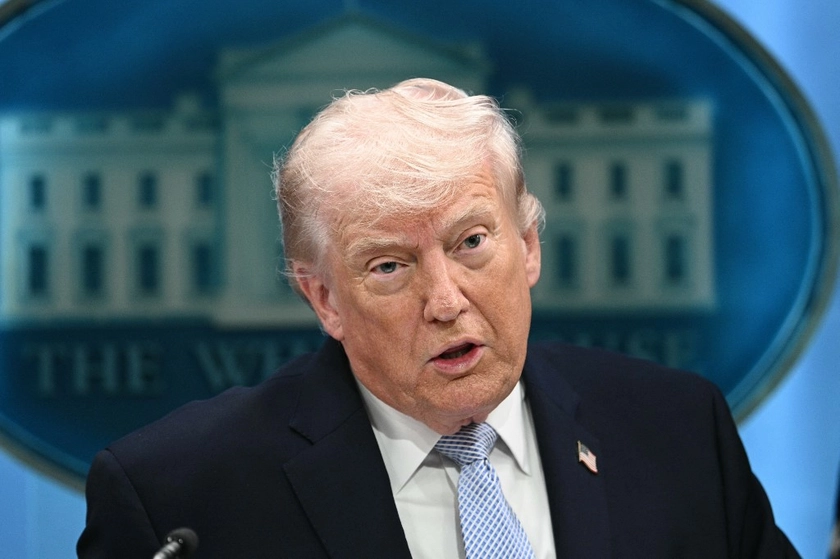
This maritime enforcement action coincides with a significant hardening of Washington’s diplomatic stance. On Saturday, US President Donald Trump abruptly canceled a high-level mediation mission to Pakistan, claiming the US holds “all the cards” and has “won everything” in its standoff with Tehran.
Trump reiterated that the naval blockade would remain in place until Iran agrees to a total abandonment of its enriched uranium program and ensures freedom of navigation in the Strait of Hormuz.
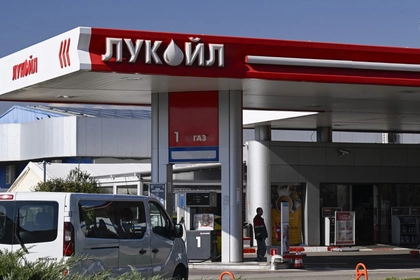
Russian Region Deploys Police at Gas Stations As Fuel Crisis Deepens
While Iranian President Masoud Pezeshkian has labeled the blockade an “operational obstacle” and rejected “forced negotiations,” the interception of the Sevan demonstrates the US military’s resolve to maintain maximum pressure.
With a third aircraft carrier stationed in the region, the “clock is ticking” strategy continues to squeeze Tehran’s economy, forcing the Iranian leadership to reconsider their negotiating position.
You can also highlight the text and press Ctrl + Enter