What are NATO’s options for reacting to Friday’s drone incursion in member state Romania -- the latest example of the Ukraine war spilling over the border?
Short of invoking the Article Five mutual defence clause -- triggered only once before -- the answer is continuing to toughen NATO’s eastern defences, while aiming carefully calibrated messages of deterrence at Russia.
JOIN US ON TELEGRAM
Follow our coverage of the war on the @Kyivpost_official.
- ‘Solidarity’... and bolstering defences -
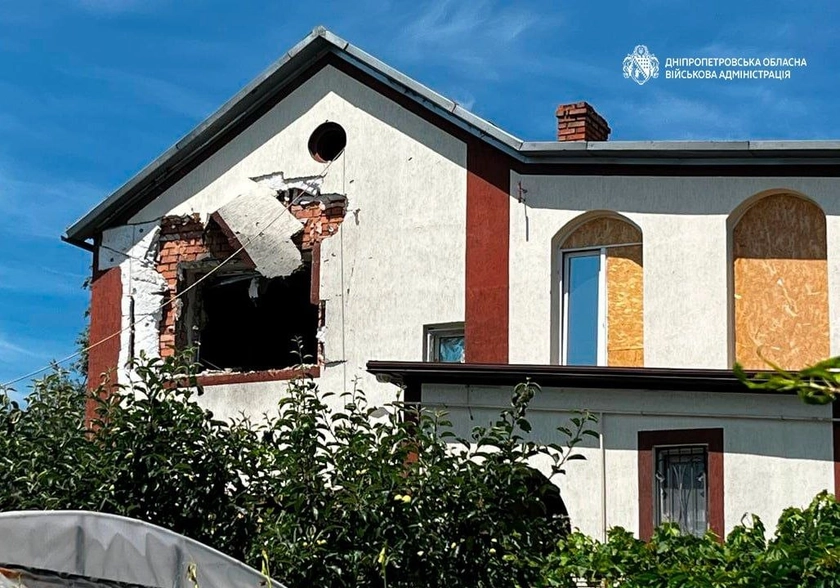
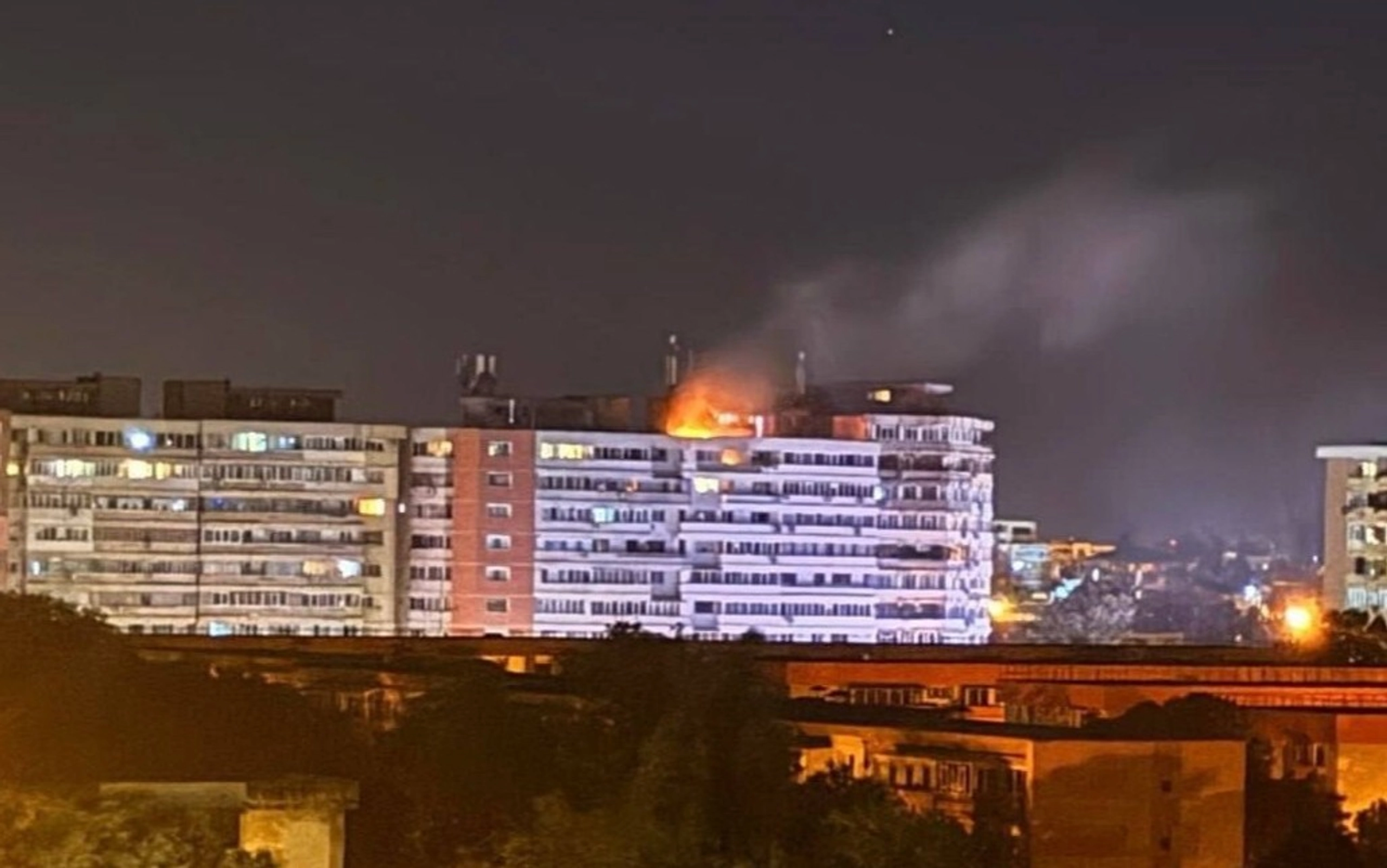
NATO swiftly pledged its solidarity with Romania -- one of its 32 members -- after a drone hit a residential building in the city of Galati, with Secretary General Mark Rutte personally reaching out to President Nicusor Dan.
Rutte pinned the blame squarely on Russia’s “reckless behaviour” and NATO spokesman Martin O’Donnell later said: “The drone was Russian.”
A senior NATO military official said the alliance had “detected and tracked” the drone, but that it entered Romanian airspace only minutes before striking the apartment building in Galati.
NATO flew an early warning aircraft to increase “air-domain awareness” in response to the incident, he said.
“We are assessing what more can be done now to optimise Romania and NATO’s network of sensors and shooters to safely neutralise such threat,” added the official, who said this could be done in a number of ways.
One could involve bringing “under NATO command and control” a new US-made counter-drone system called Merops, which was acquired by Romania as part of efforts to shore up defences on the alliance’s eastern flank.

Ukraine, Denmark Discuss Drone Deal, Boost Anti-Ballistic Cooperation
Another way would be for Romania and others to acquire more capabilities as part of the Eastern Flank Deterrence Initiative, a NATO-led effort focused on integrating new technologies to deter aggression and defend the region, he said.
Allies will also confer at a conference next month on identifying “additional defensive forces and capabilities” for the “Eastern Sentry” operation aimed at reinforcing NATO’s eastern flank, the official said.
- Deterrent signals -
The best-known of NATO’s response options and the core of its deterrence, Article Five states that an armed attack against one member shall be considered an attack against all.
But Article Five has been invoked only once in NATO’s 77-year history, following the September 11, 2001 attacks in the United States. There has been no suggestion, so far, of doing so in the case of Romania.
Short of that -- if the country concerned requests it -- allies can hold emergency “consultations” under the alliance’s Article Four.
Officials in Brussels say triggering Article Four is well understood in diplomatic terms as a significant step beyond mere statements and condemnations.
Article Four states that allies “will consult together whenever, in the opinion of any of them, the territorial integrity, political independence or security of any of the parties is threatened.”
This is something the Russians take note of and which, in the past, has been able to modify their behaviour, officials say.
- Article Four precedents -
Consultations under Article Four have been triggered nine times in NATO’s history, including three times during Russia’s full-scale war on Ukraine.
The article was invoked just after the invasion in 2022, and again twice in September 2025 -- by Poland after incursions by Russian drones, and by Estonia after Russian fighter jets violated its airspace.
The Article Four meeting requested by Poland in September 2025 led to the launch of the “Eastern Sentry” operation, with allies contributing more fighter jets, helicopters, transport aircraft, air defence systems, surveillance aircraft and frigates to NATO’s deterrence and defence.
You can also highlight the text and press Ctrl + Enter