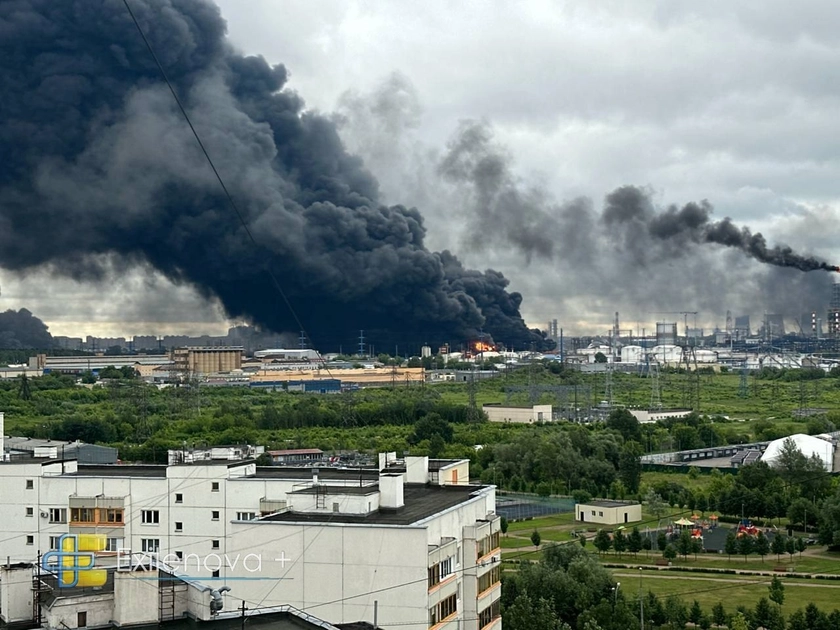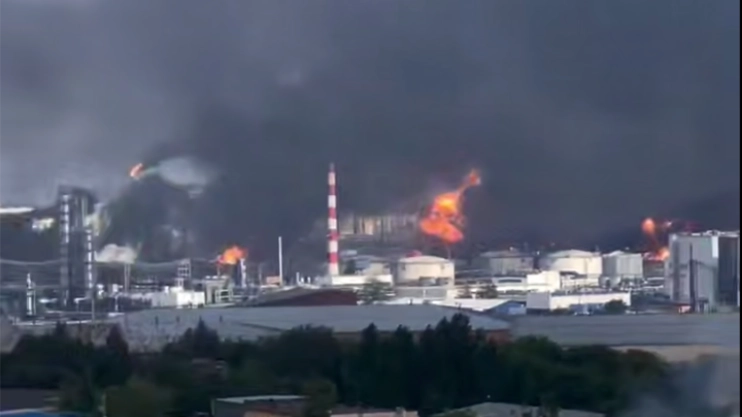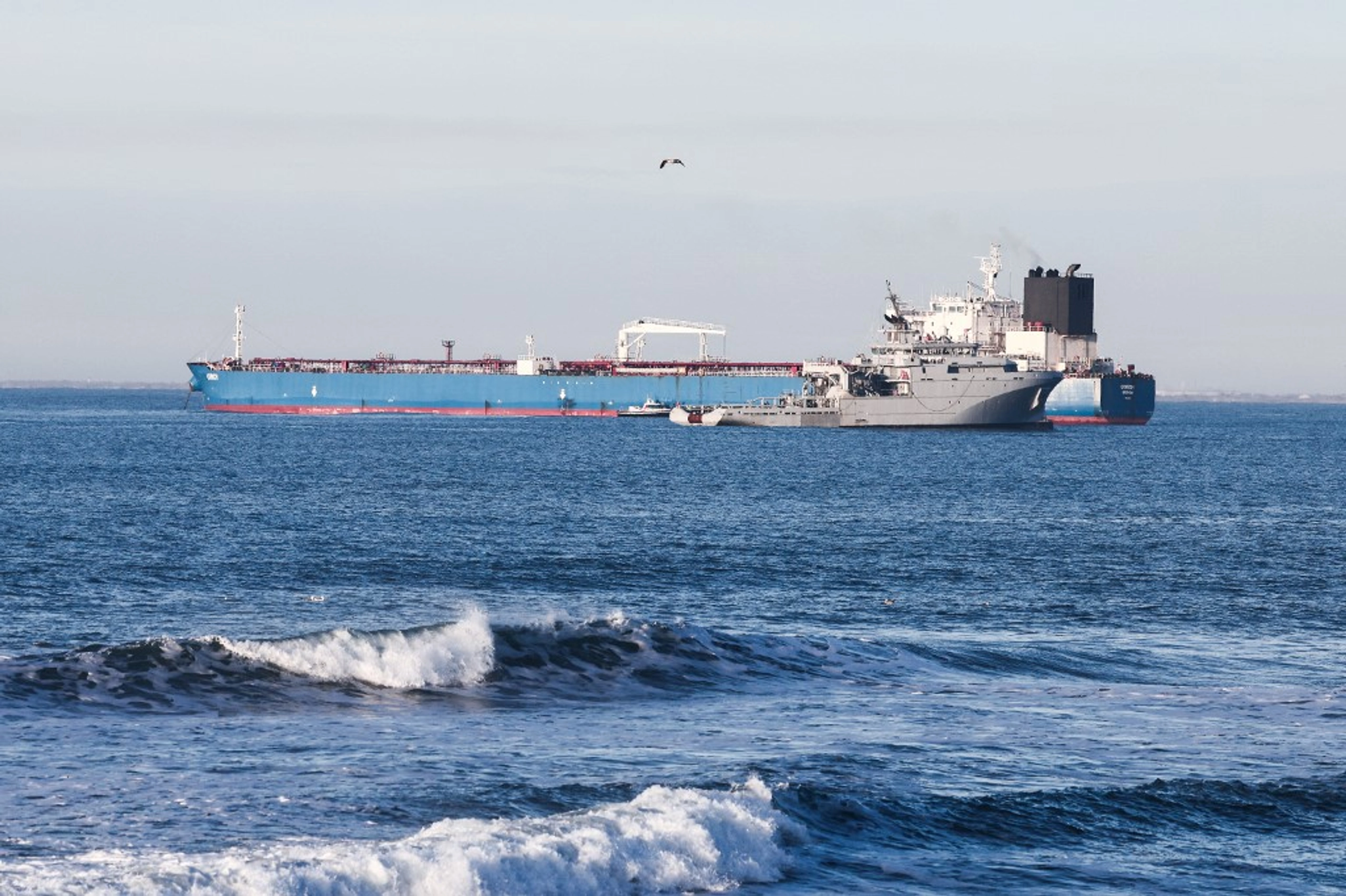
Russia is preparing to import gasoline by sea this month in a rare move aimed at easing a growing fuel shortage caused by Ukrainian drone strikes on its key oil infrastructure.
According to four industry sources, cited by Reuters on Wednesday, at least one shipment is expected to arrive in June through a western Russian port, with fuel likely sourced from Asia.
JOIN US ON TELEGRAM
Follow our coverage of the war on the @Kyivpost_official.
However, details on volumes and suppliers remain unclear.
The shift marks an unusual step for Russia – one of the world’s largest oil and fuel exporters – and shows growing strain on its refining system after months of sustained attacks on refineries, pipelines, and storage facilities.
Recent strikes reportedly hit major sites, including the Taneco refinery and the Moscow oil refinery, forcing temporary shutdowns.
Fuel shortages have now been reported across roughly a dozen Russian regions, with official acknowledgements coming from occupied Crimea and parts of Siberia.
In response, Moscow has extended a ban on gasoline exports for producers until the end of July to prioritize domestic supply during peak summer demand.
Russia has also turned to Belarus for additional fuel imports and previously explored supplies from Kazakhstan, but both countries are said to lack the spare capacity to meaningfully offset the shortfall.
Analysts cited by sources say sea imports are likely to remain a stopgap measure, limited by logistics and high costs.

G7 Members Back on the Same Page?
Russia exported nearly 5 million metric tons of gasoline last year – about 117,000 barrels per day – highlighting the scale of the reversal now underway.
Trump signals sanctions return
The mounting pressure on Moscow’s energy system comes as Western allies weigh further tightening sanctions on Russian oil exports.
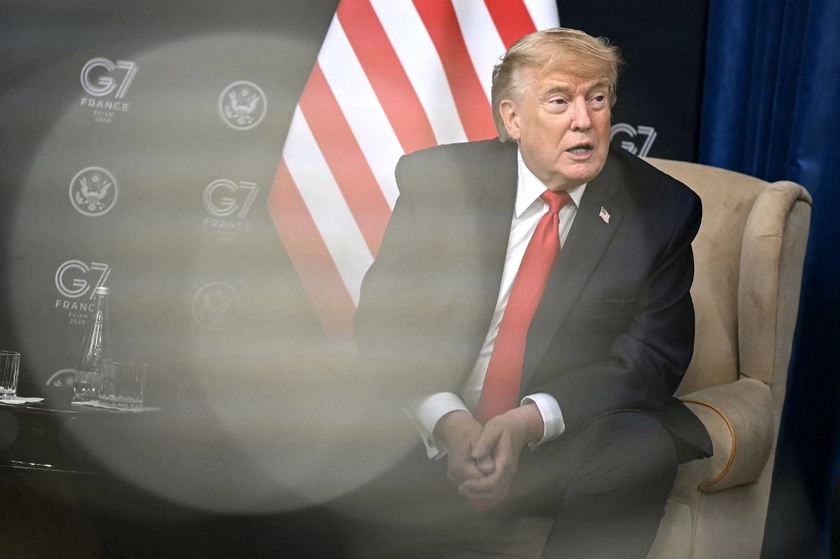
US President Donald Trump said Washington could soon restore stricter sanctions, as G7 leaders seek to increase pressure on Moscow over its war in Ukraine.
Speaking at a recent summit, Trump said the timing had previously been influenced by concerns over global energy stability during disruptions in the Middle East.
“Soon we will be able to do that as the oil is now flowing” again through the Strait of Hormuz, he said, referring to a deal with Iran.
In March, the US Treasury Department under Secretary Scott Bessent introduced limited exemptions allowing already-loaded Russian crude oil cargoes to be delivered, following a surge in global energy prices following the outbreak of the US-Israeli war with Iran on Feb. 28 and disruptions to Gulf shipping routes.
The waivers – later extended through April and May under General License 134B – were presented as a temporary buffer for global energy markets, aimed to help “poor and vulnerable countries” facing supply shortages.
You can also highlight the text and press Ctrl + Enter

Putin’s Worst Nightmare