A domestic fuel deficit has forced Russia’s largest oil networks to implement rationing protocols on automotive fuel across its primary economic hubs, including Moscow and St. Petersburg, Novaya Gazeta reported.
The Tatneft lockdown and regional caps
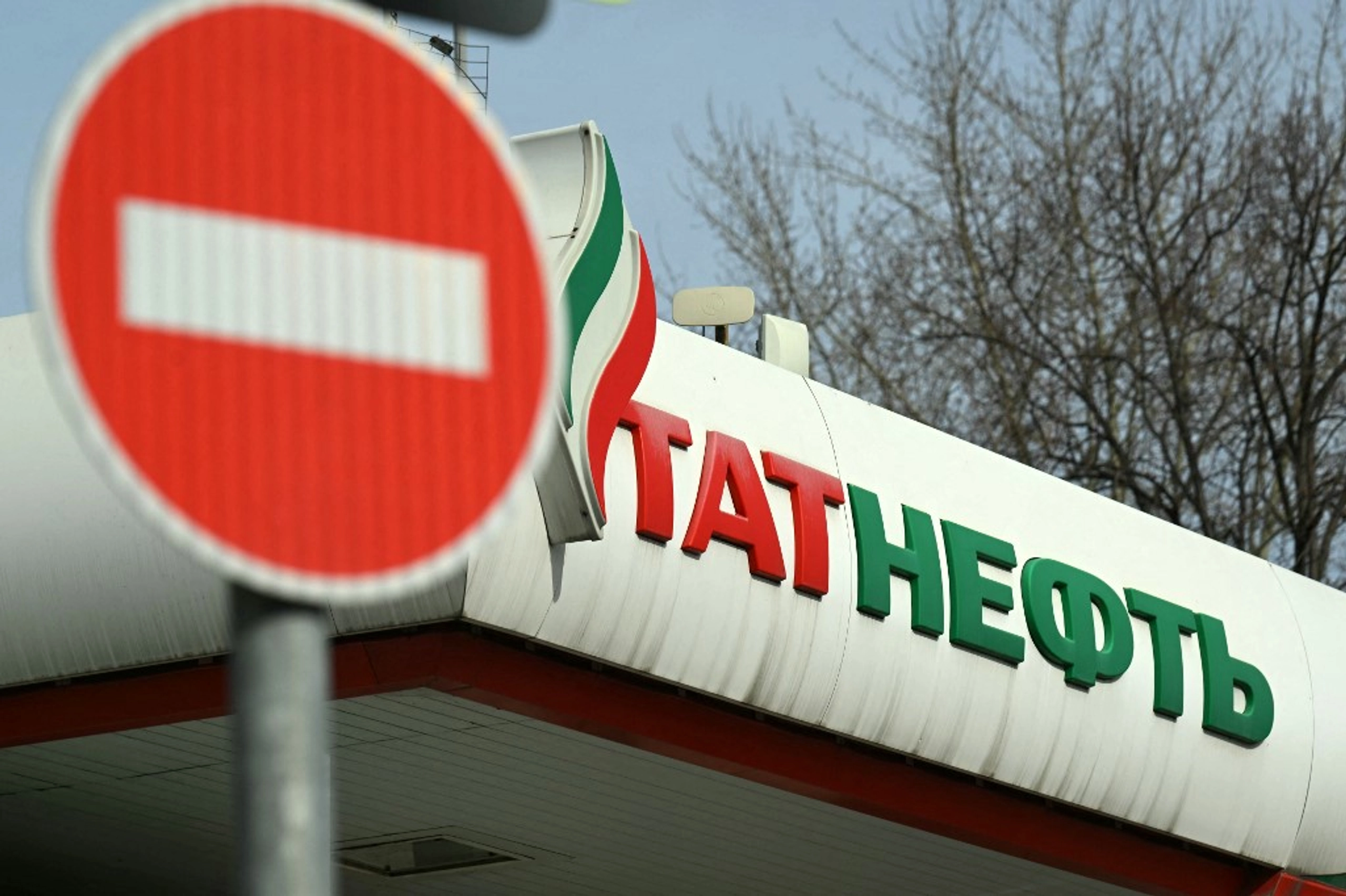
Major retail gas station chains began capping the volume of fuel permitted per customer. The most severe restrictions have been documented across the entire retail network operated by Tatneft.
JOIN US ON TELEGRAM
Follow our coverage of the war on the @Kyivpost_official.
In the capital city of Moscow, Tatneft stations are refusing to dispense more than 20 liters of AI-92 and AI-95 gasoline, alongside a limit of 40 liters of diesel fuel per vehicle. Rather than treating this as a localized logistics bottleneck, Tatneft corporate management has extended these exact 20-liter and 40-liter restrictions across every single Russian region where the company maintains a retail presence.
The rationing has blanketed other major networks and metropolitan areas. In St. Petersburg, Tatneft implemented identical 20-liter gasoline and 40-liter diesel limits, prompting the St. Petersburg Committee on Energy to issue a statement attempting to soothe mounting public anxiety by claiming that “the prerequisites for a shortage of fuel resources are entirely absent.”
Meanwhile, at Moscow’s mega-chains, state-controlled Rosneft capped total sales at 90 liters per vehicle or canister, while Lukoil introduced a ceiling permitting no more than 100 liters of gasoline or diesel fuel per single printed receipt.
‘Cognitive Informational Warfare’: Scientist Speaks Out on Russian Propaganda
Furthermore, temporary distribution limits were slapped onto pumps inside the Republic of Tatarstan itself, where the press service for the head of the republic claimed the intervention was enacted “to avoid artificial hype and ensure a stable situation.”
The math behind the shortage
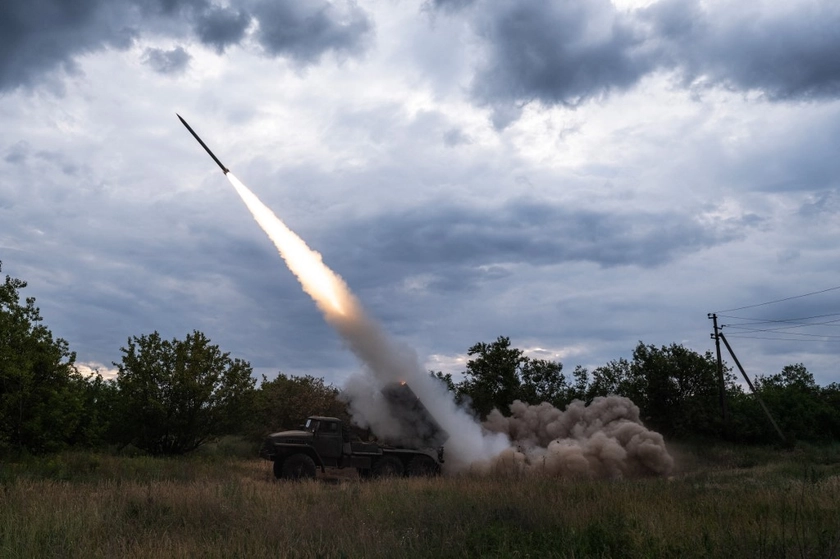
The restrictions trace back to a campaign by Ukraine’s Unmanned Systems Forces. Ukraine set an all-time wartime record by launching drone attacks against Russian oil refineries 16 times in May alone, alongside 10 additional strikes on transit pipelines, storage depots, and maritime export terminals.
By mid-May, Ukraine’s General Staff confirmed that 10 Russian refineries had been compromised within a 30-day period, forcing six to completely halt operations. President Volodymyr Zelensky verified that the precision raids knocked offline a massive chunk of the Kremlin’s domestic refining capacity.
Initially, fuel rationing was confined to occupied territories, where authorities capped AI-95 sales at 20 liters per person across Crimea, Zaporizhzhia, and Donetsk. By June 1, the crisis breached the capital district, forcing stations in Novaya Moskva to restrict sales to 60 liters of gasoline.
A market trapped inward
The Russian government has attempted to shield its population by implementing protectionist trade controls. On June 1, Moscow enacted a total ban on jet fuel exports lasting through Nov. 30, while simultaneously extending an existing gasoline export ban until the end of July.
Furthermore, the Kremlin has been unable to fully capitalize on soaring global crude prices – spurred by the US-Israeli war against Iran and the naval blockade of the Strait of Hormuz – because its internal transport lines are fractured.
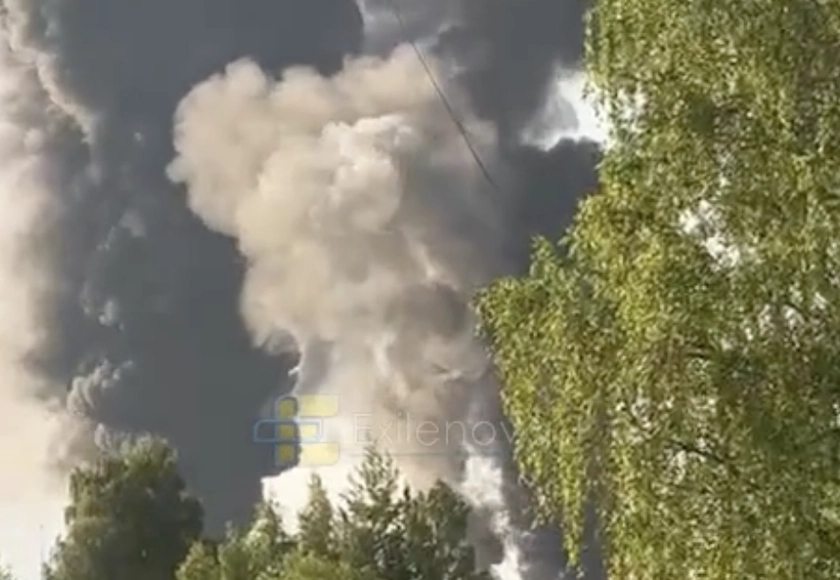
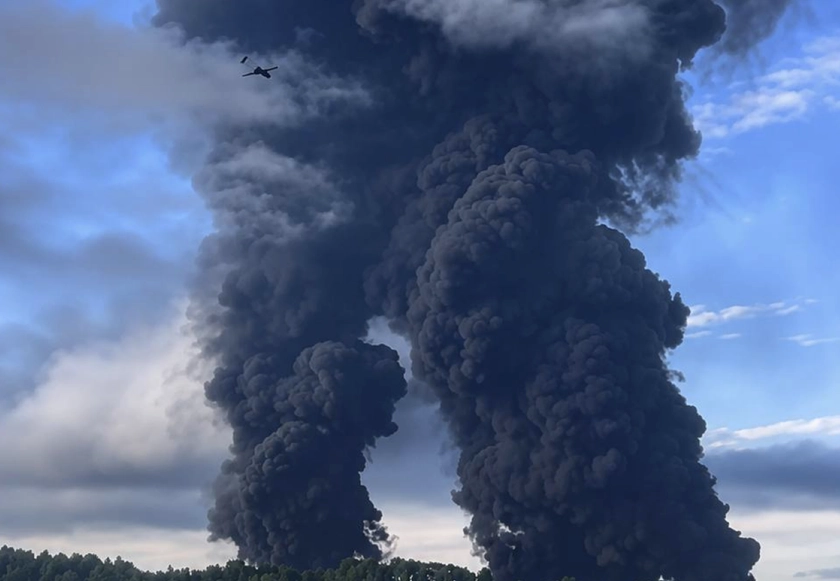
With major domestic pumping hubs like Tula’s “Azot” plant and Volgograd’s “Yefimovka” station continuing to burn after fresh drone attacks, the lines at Moscow’s gas pumps are poised to grow longer.
You can also highlight the text and press Ctrl + Enter

Putin’s Worst Nightmare