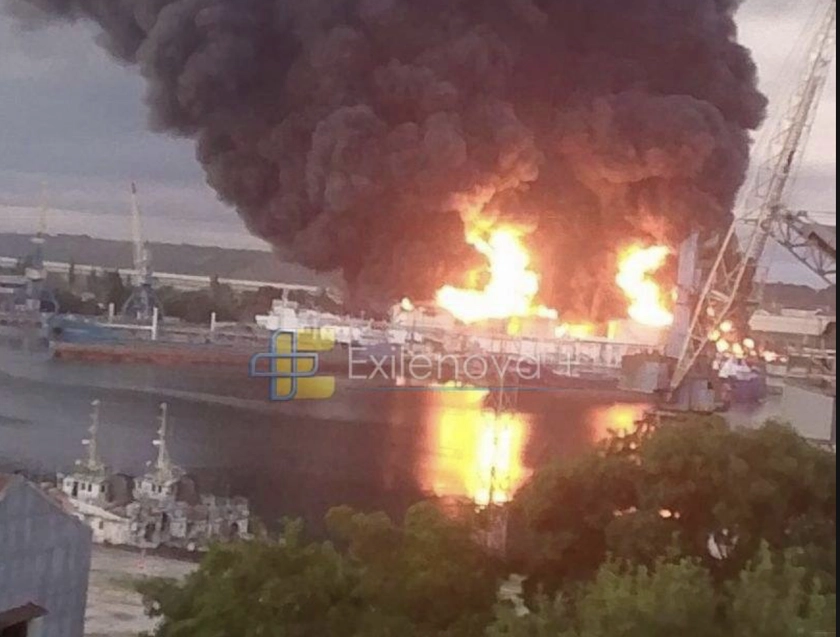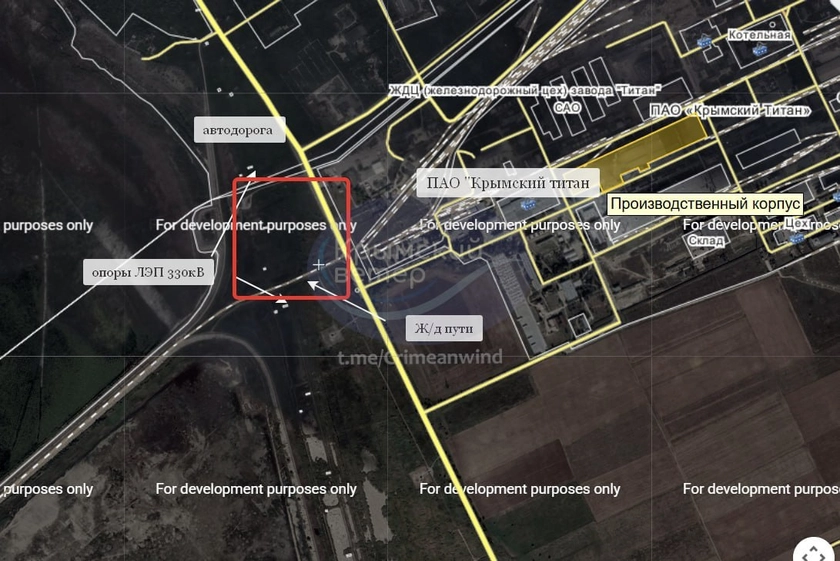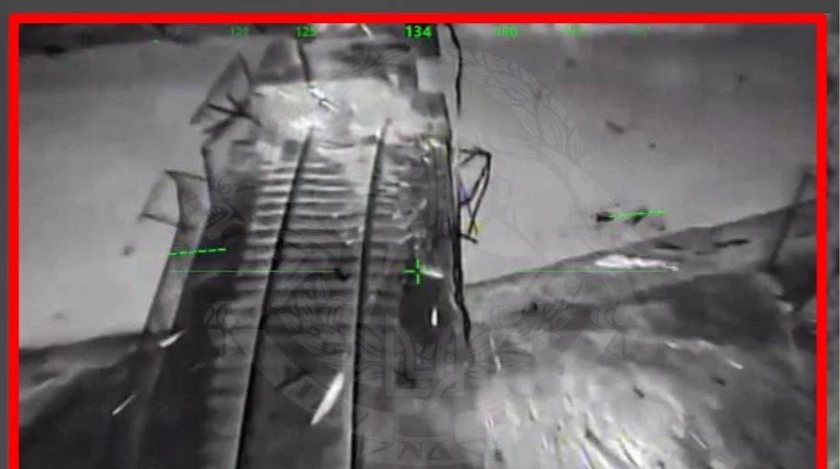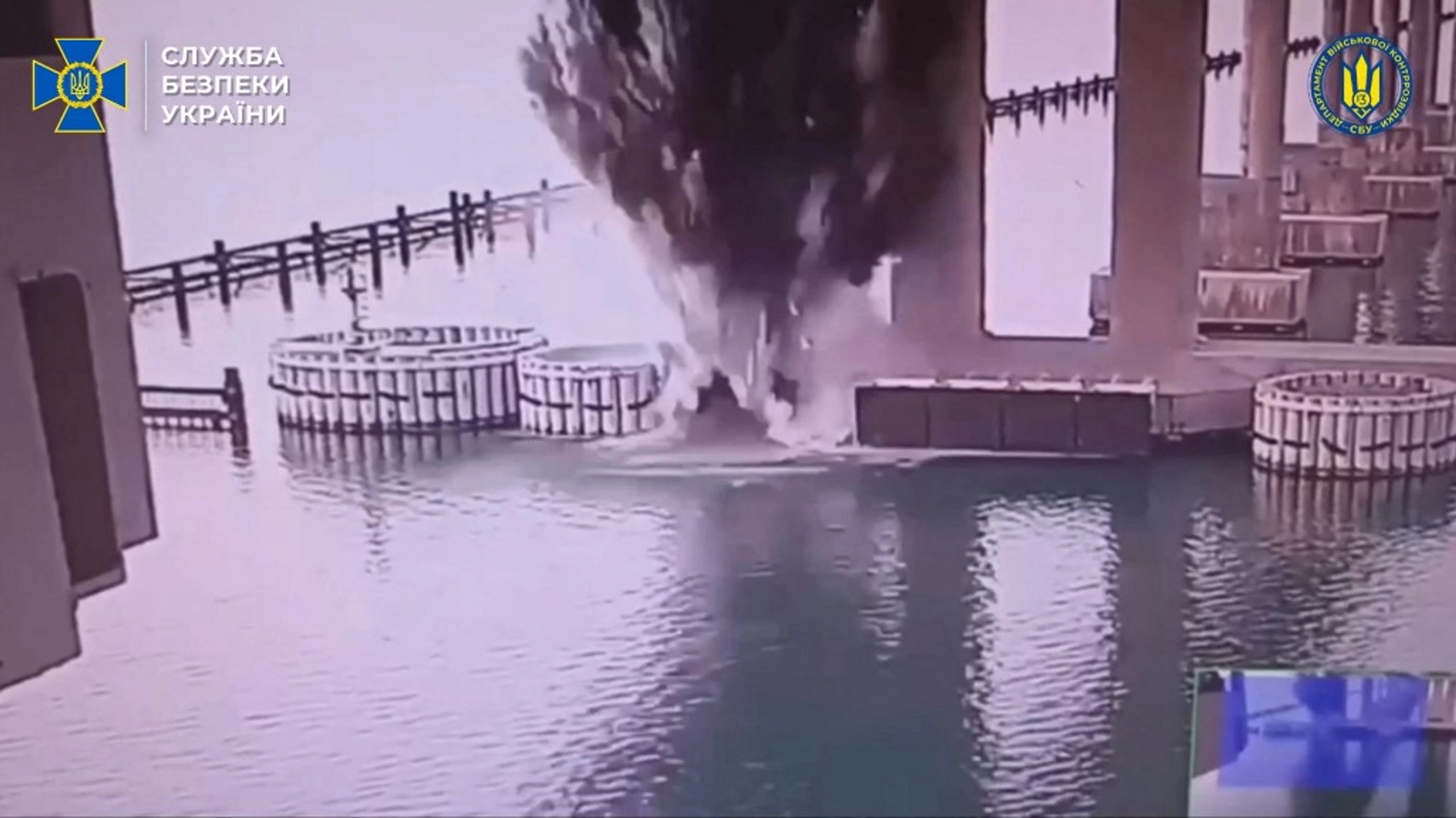
Ukraine’s recent attacks on infrastructure near the Kerch Strait are part of a broader campaign aimed at disrupting Russia’s ability to supply and reinforce occupied Crimea, according to the Institute for the Study of War (ISW).
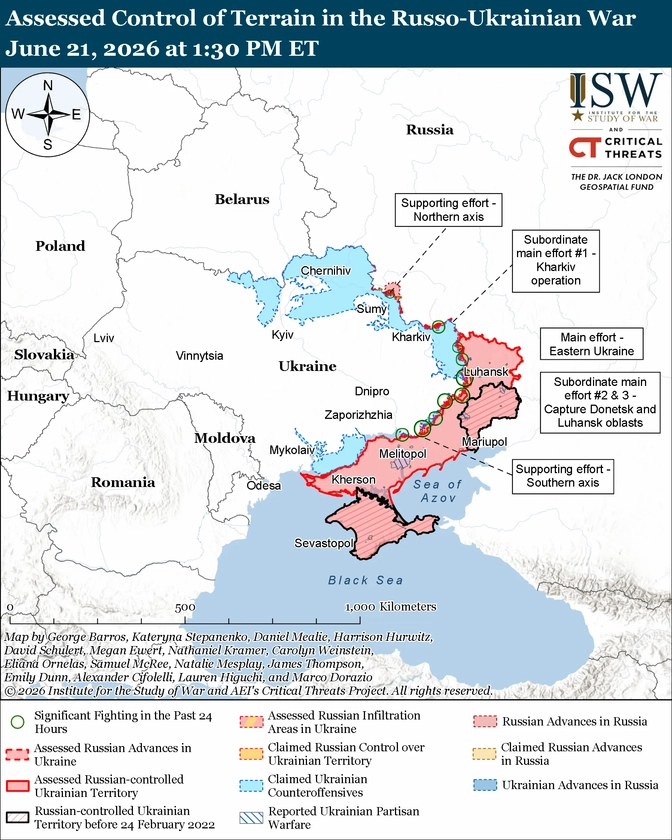
In an assessment published on Monday, ISW reported that Ukrainian forces are systematically targeting Russia’s key ground lines of communication into the peninsula, including the Kerch Bridge and ferry connection, as well as the so-called land bridge running through occupied parts of Donetsk, Zaporizhzhia, and the Kherson region.
JOIN US ON TELEGRAM
Follow our coverage of the war on the @Kyivpost_official.
The ISW cited comments by Unmanned Systems Forces (USF) commander Maj. Robert “Magyar” Brovdi, who said Ukraine is seeking to undermine Russia’s ability to use Crimea as a staging ground for future offensive operations.
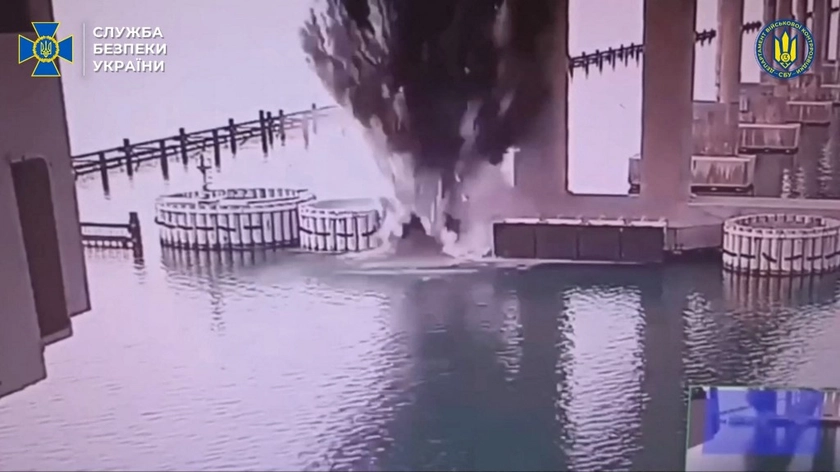
Ukraine’s Security Service (SBU) also said recent special operations near the Kerch Strait were intended to disrupt Russian logistics and weaken their military capabilities.
The ISW also noted that Ukrainian forces have intensified strikes against Russian logistics infrastructure in occupied Crimea and the Kherson region since May, targeting railway bridges, oil terminals, fuel depots, and ferry facilities connecting Crimea with Russia’s Krasnodar region.
Drone operations
Ukrainian forces are also leveraging disruptions to Russia’s use of Starlink, alongside intermediate-range drone strikes, to hit significant targets in occupied territories of Ukraine.
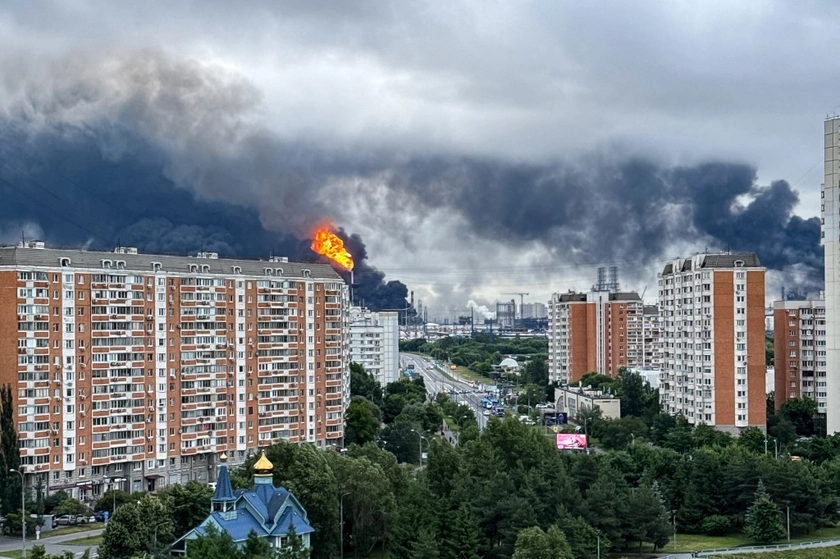
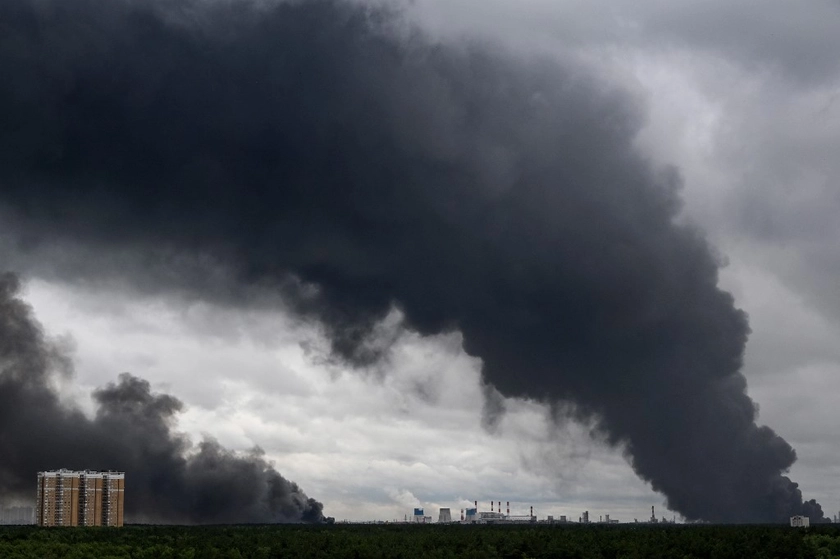
Attack on Moscow Oil Refinery: Putin Under Pressure?
ISW also reported notable changes present within Russian drone operations.
A Ukrainian air defense anti-drone battalion commander on Saturday said Russian forces reduced their use of BM-35 and BM-39 Italmas-type drones at operational depths after Starlink access was blocked for Russian users on Feb. 1, 2026.
According to the commander, Russian forces have since resumed using these drones, but at shorter ranges while also adapting their tactics in response to Ukrainian defenses.
This includes increased reliance on cheaper reconnaissance drones, flying them at higher altitudes, and deploying interceptor drones to escort strike drones.
ISW assessed that continued strikes on major assets are likely to force Russia to adapt many of their strike and interceptor drones, as pressure on supply routes and infrastructure in southern Ukraine and Crimea intensifies.
You can also highlight the text and press Ctrl + Enter