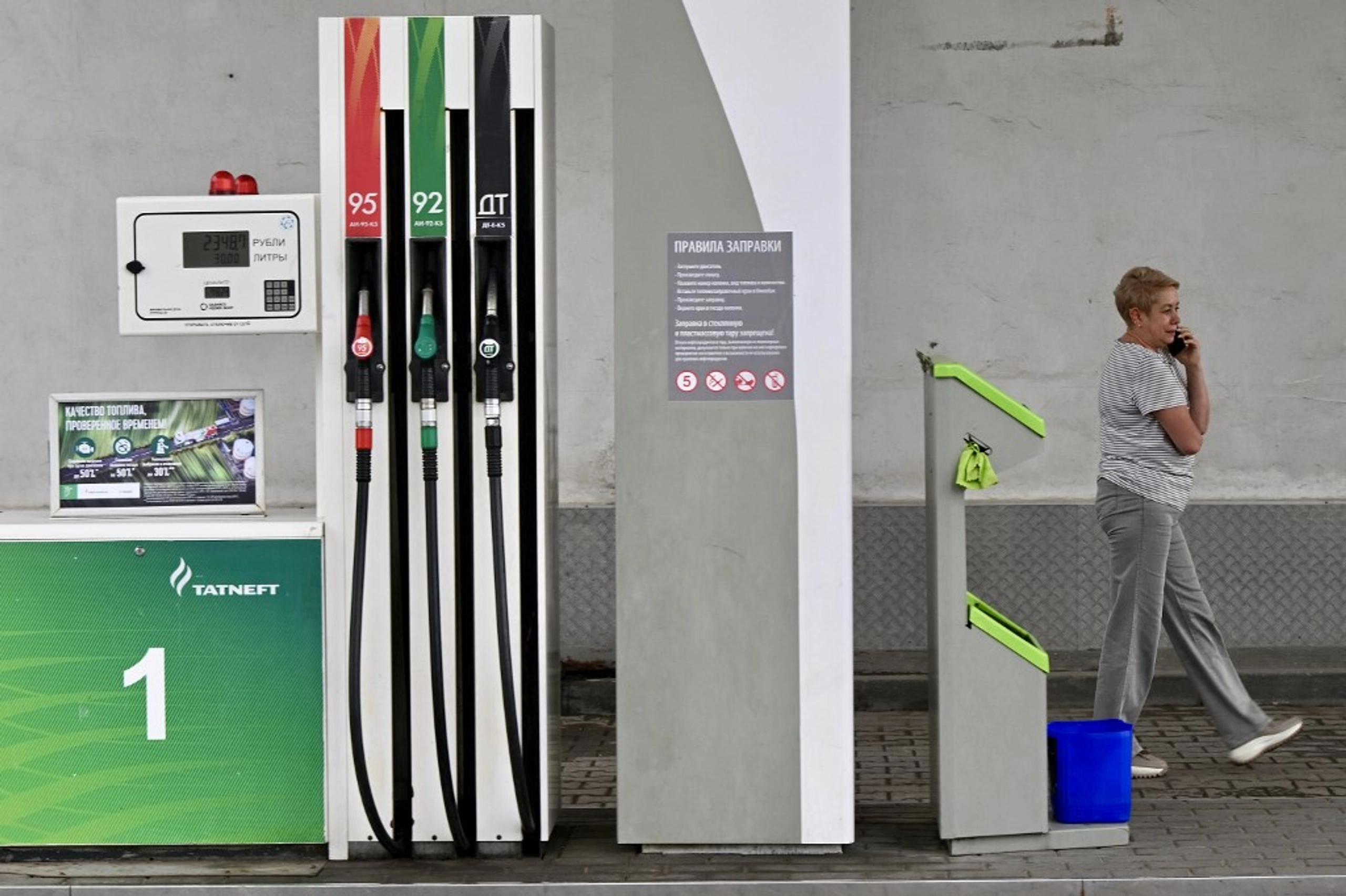
Russian occupation authorities in Crimea and Sevastopol announced a complete halt to civilian fuel sales on Sunday, June 21, restricting gasoline and diesel distribution exclusively to emergency and state-operated vehicles.
Suspension of fuel sales to the public in Crimea
Mikhail Razvozhaev, the Russian-installed head of Sevastopol, announced the measure early Sunday, attributing the decision to logistical issues.
JOIN US ON TELEGRAM
Follow our coverage of the war on the @Kyivpost_official.
“An important message for motorists in Sevastopol. The supply of fuel to the city is delayed,” Razvozhaev stated. “In this regard, today we are forced to suspend the release of fuel via QR codes at TES gas stations. Currently, refueling is carried out exclusively for emergency service vehicles.”
He added that further updates on the situation would be provided.
Following Razvozhaev’s statement, the Russian-installed head of Crimea, Sergei Aksyonov, announced identical measures for the rest of the occupied peninsula. According to Aksyonov, starting at 9:00 a.m. local time on June 21, all gas stations in Crimea ceased the sale of fuel to both individuals and legal entities, regardless of whether payment is made by cash, card, or coupon.
Fuel will now be dispensed solely to state services responsible for maintaining the security and essential operations of the region.
Logistical strain following strikes
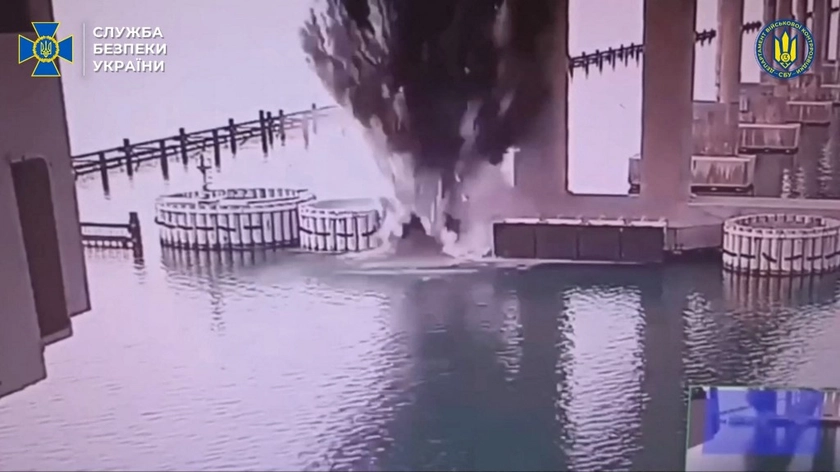
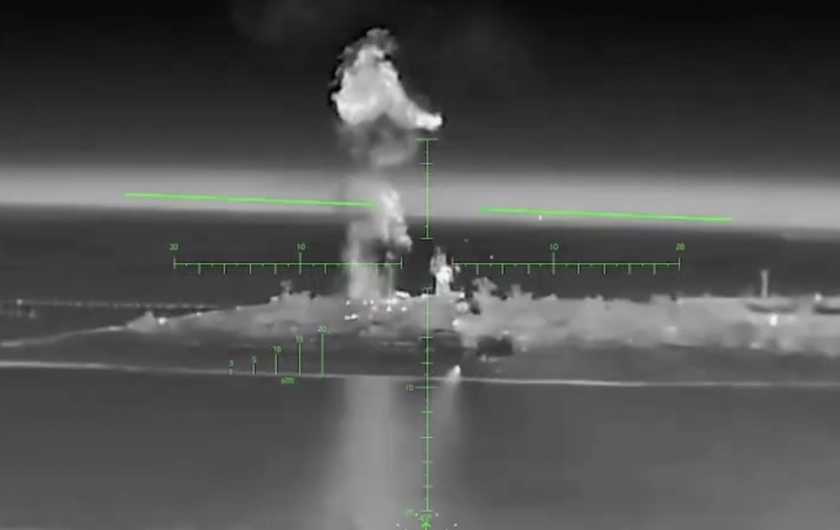
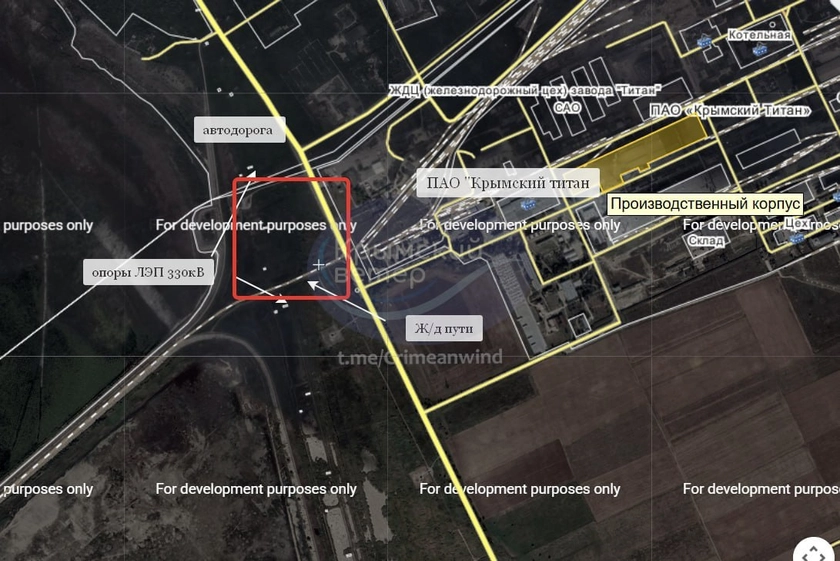
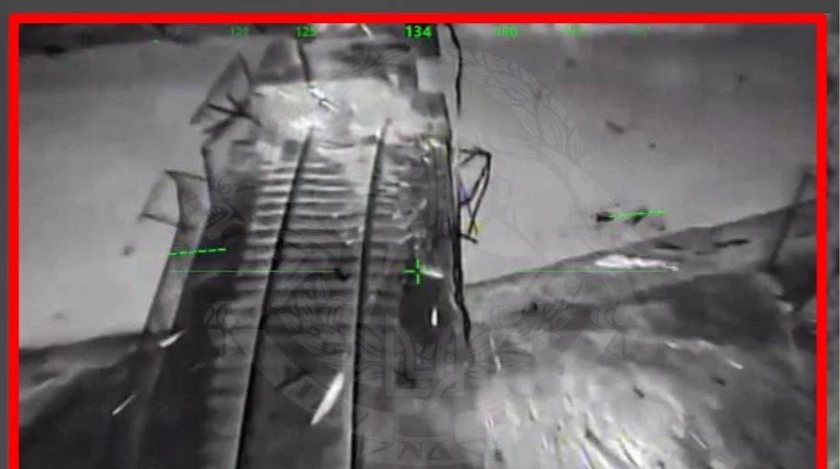
The suspension of civilian fuel sales marks an escalation of recent regional energy challenges and follows a series of recent drone strikes targeting logistical and energy infrastructure across the peninsula.
Ukraine Strikes Russian Military Infrastructure Across Occupied Crimea
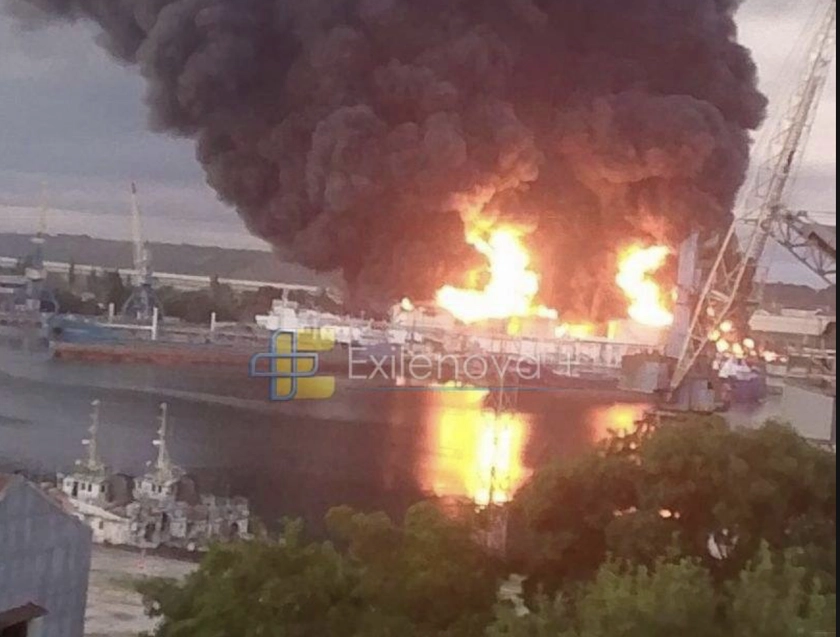
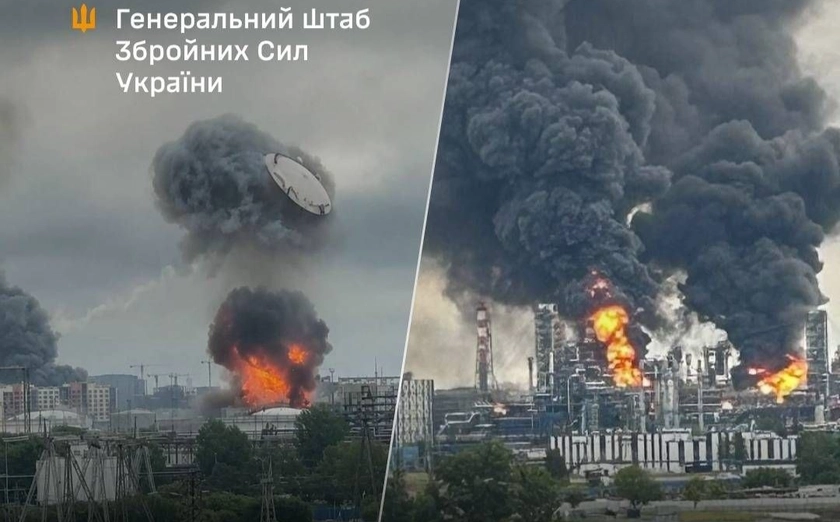
Late Saturday night, June 21, local residents reported explosions and air defense operations in multiple districts. Independent monitoring groups reported fires at several fuel facilities, including the Sea Fishing Port in Kerch and the Port Kavkaz on the Russian mainland side of the Kerch Strait.
Both locations house major fuel terminals used for storing and transferring petroleum products.
Prior to the complete halt on sales, occupation authorities had already implemented rationing measures. On May 30, Aksyonov introduced a limit of 20 liters of A-95 gasoline per individual per day, a policy that mirrored earlier restrictions enacted in Sevastopol.
You can also highlight the text and press Ctrl + Enter