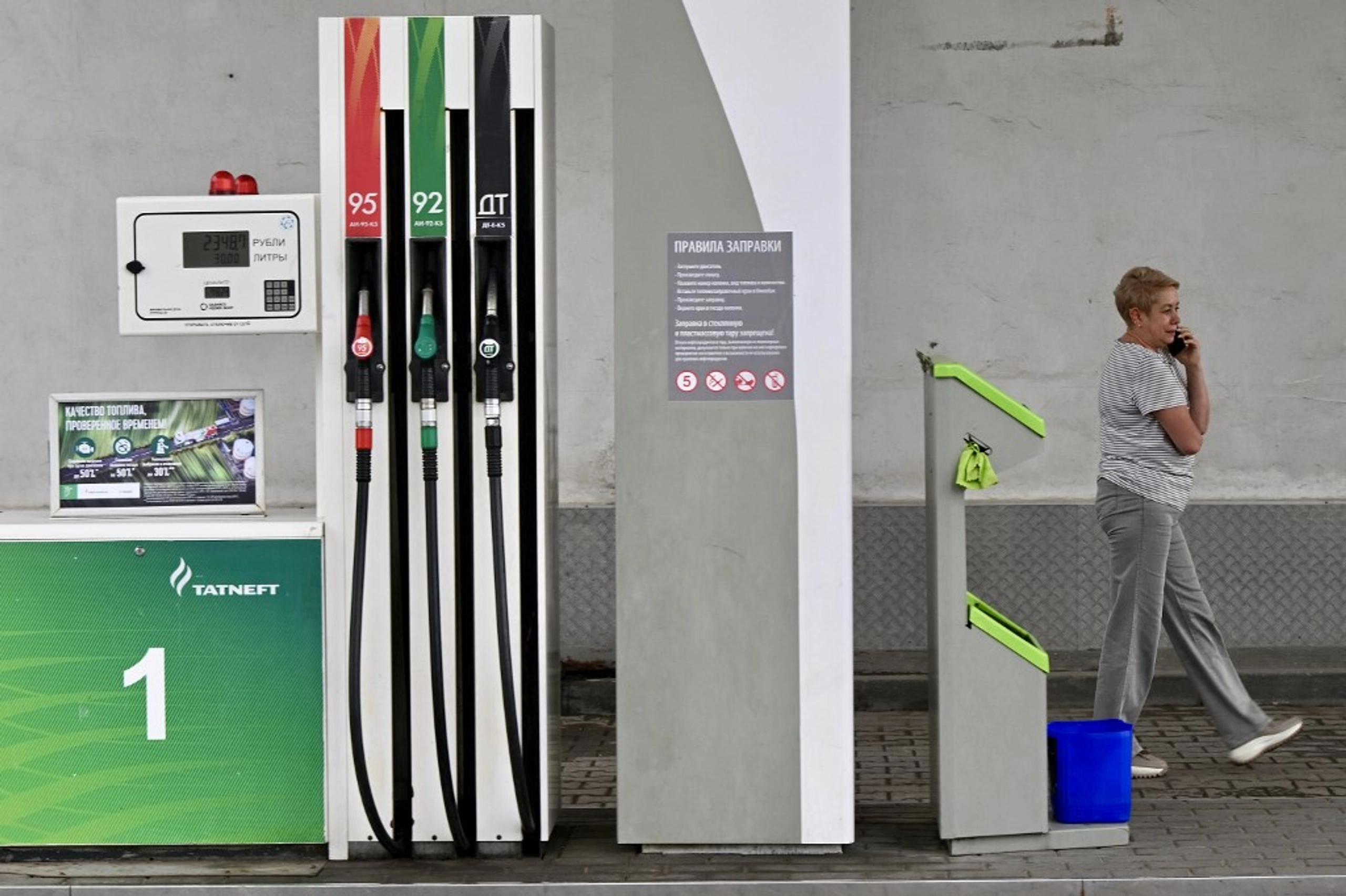
Fuel shortages in Russia are disrupting cargo transport with China, slowing deliveries and driving up freight rates as trucking companies struggle to secure diesel supplies, Russian business daily Kommersant reported.
The disruption is affecting both domestic haulers and companies transporting goods abroad, with some drivers spending days waiting to refuel, particularly along routes to China and in southern Russia.
JOIN US ON TELEGRAM
Follow our coverage of the war on the @Kyivpost_official.
According to the report, transport companies have been hit by reduced or canceled fuel-card discounts, while independent truck drivers face additional restrictions on fuel purchases imposed on individuals.
Logistics companies told Kommersant that daily driving distances on the China route have fallen from 600–700 kilometers (370–435 miles) to about 500 kilometers (310 miles), while delays at gas stations can add up to a full day to deliveries.
The higher fuel costs are also pushing up freight prices. Logistics company Optimolog said trucking shipments from China have become about $700 more expensive per trip over the past week and a half.
AKFA Commercial Director Alexei Chernyshev said transportation costs for a truck traveling from Manzhouli, China, to Moscow had increased by 50,000 to 70,000 rubles ($640–$895) over the past week to between 760,000 and 830,000 rubles ($9,700–$10,600). He said another increase of around 200,000 rubles ($2,550) is expected.
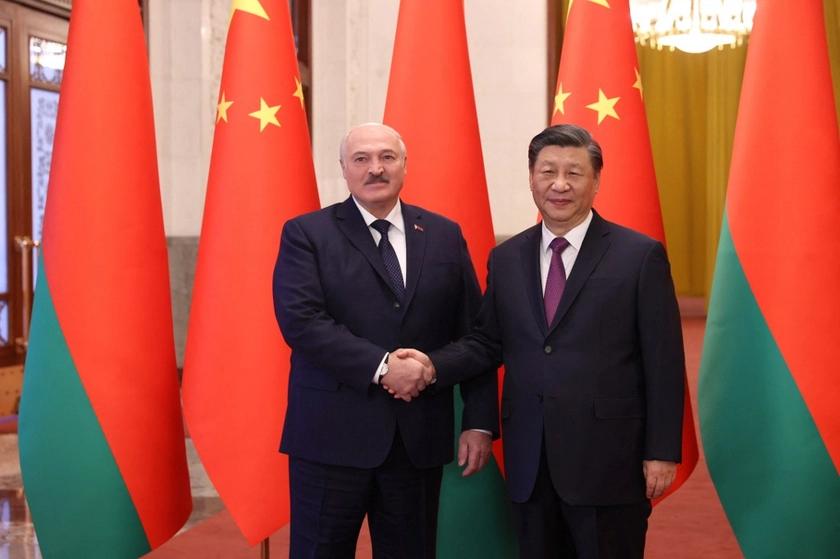
Xi Hosts Lukashenko as Belarus Deepens Alignment With Russia
Industry representatives warned customers that freight rates are likely to rise further. Sigma co-founder Tatyana Patuzhnaya said several carriers had already announced tariff increases of at least 10% starting July 1, adding that the increase was unlikely to be the last.
Executives from logistics firms said fuel supply disruptions were particularly acute in Siberia, southern Russia, Crimea and several border regions, complicating route planning and forcing some truck owners to отказаться from long-distance trips because of uncertainty over fuel availability.
The transportation bottlenecks come as seasonal demand for shipping fruits and vegetables increases, adding further pressure to Russia’s freight market.
Putin admits fuel crisis persists across Russia
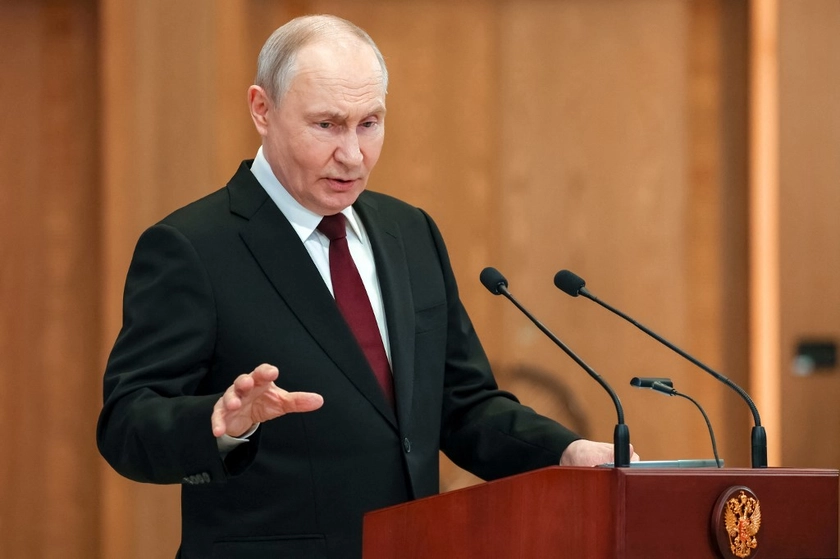
Russian President Vladimir Putin publicly acknowledged Sunday that drivers across the country are still waiting in lines for gasoline and often cannot find the fuel they need, despite emergency measures aimed at containing a deepening fuel crisis triggered by refinery disruptions.
Speaking at an unscheduled Kremlin meeting with senior officials and executives from Russia’s largest energy companies, Putin admitted that shortages continue to affect both consumers and businesses.
“Problems remain for both motorists and businesses,” Putin said. “Unfortunately, there are still queues at gas stations, and the required grade of gasoline cannot always be found.”
The Kremlin convened the meeting as fuel shortages spread across nearly all Russian regions, with around 22 introducing official restrictions on gasoline sales at filling stations. Farmers have also reported difficulties securing fuel during the peak summer agricultural season.
To ease the crisis, Putin said Russia has banned exports of gasoline and aviation fuel, redirected previously accumulated reserves to the domestic market, and ordered small and medium-sized refineries to maximize production alongside larger plants. Authorities are also considering halting diesel exports to boost domestic supplies.
Putin said Russia currently holds 1.7 million metric tons of gasoline in reserve. According to Reuters estimates, that would cover about 15 days of peak summer demand or roughly two months of the country’s current daily gasoline deficit.
You can also highlight the text and press Ctrl + Enter