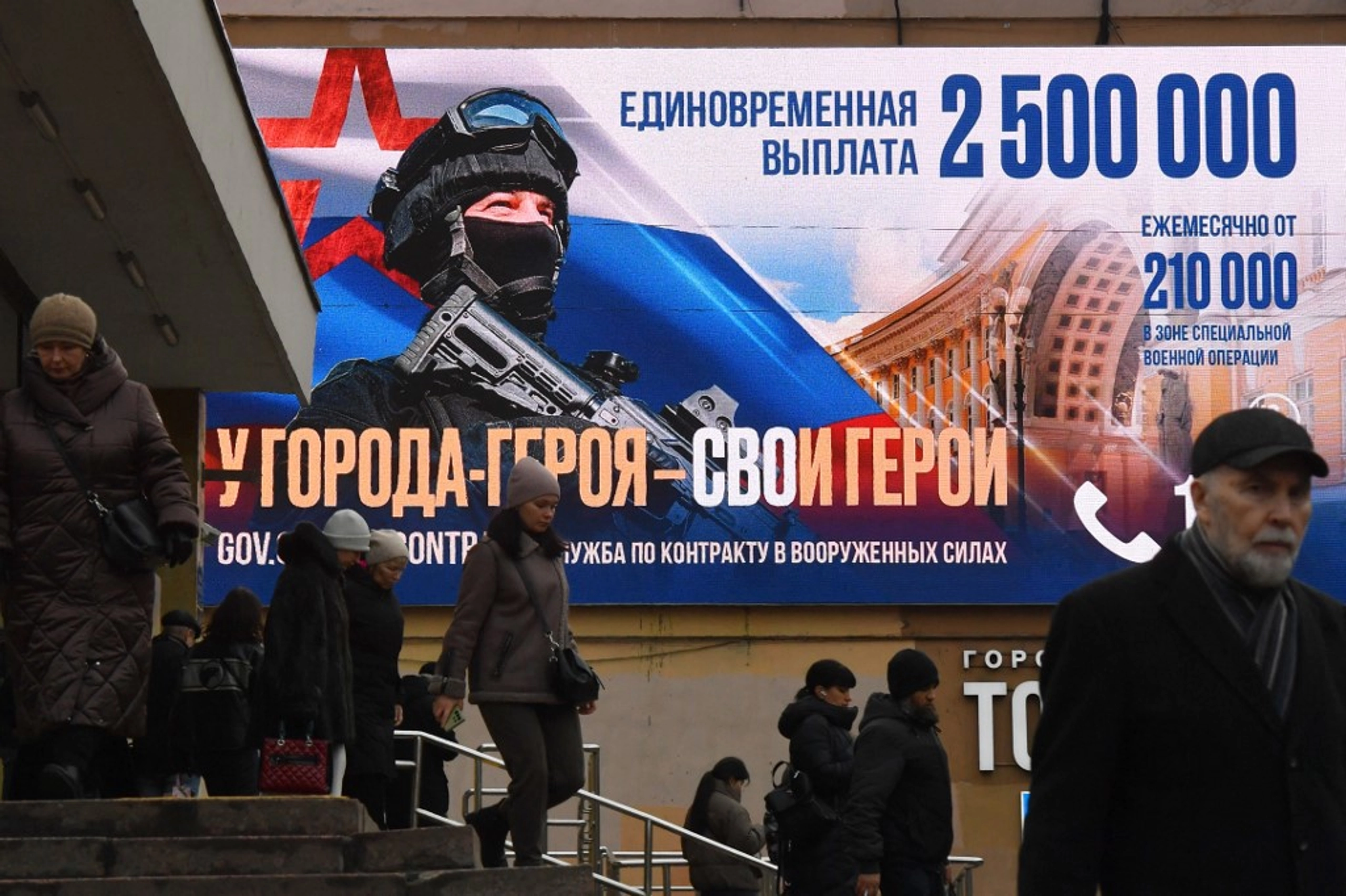
The number of Russians signing military contracts has declined sharply nationwide despite increased financial incentives, according to independent Russian outlet Verstka.
Verstka reported on Wednesday that recruitment in Moscow fell by roughly one-third this spring compared to the same period in 2025, reflecting a broader nationwide decline in new contract enlistments.
JOIN US ON TELEGRAM
Follow our coverage of the war on the @Kyivpost_official.
The outlet reported that Moscow sent 1,708 contract soldiers to the front in April and 1,378 in May – about 1,000 fewer recruits than during the same months last year.
“People are joining in small numbers, and motivated recruits are even fewer,” a source in Moscow’s city administration told Verstka.
Sources interviewed by Verstka said the decline is not limited to the Russian capital and has been observed in multiple regions.
A military source in Siberia told the outlet that recruitment figures have continued to fall despite unchanged quotas.
“The decline started around two years ago, but now the numbers have reached a minimum,” the source said.
Another source at a regional military recruitment office said authorities increasingly rely on offering detainees and criminal suspects military contracts in exchange for reduced legal consequences.
Independent estimates cited by Verstka support the trend.
Researcher Janis Kluge of the German Institute for International and Security Affairs estimated that between 800 and 1,000 people signed military contracts daily during the first quarter of 2026 – about 20% fewer than a year earlier.
Cutting Off Crimea
Authorities increase incentives
According to the report, Russian regional authorities have continued raising recruitment bonuses and referral payments in an effort to attract new soldiers.
Verstka, citing calculations by Russian investigative outlet Important Stories, reported that monthly regional spending on recruiter bonuses more than doubled in 2026, rising from 358 million rubles ($4.7 million) to 802 million rubles ($10.7 million).
The publication also reported that recruitment campaigns increasingly target older applicants, foreigners, and people with health issues or criminal records.
Additionally, some job advertisements reportedly promote military service as rear-area employment or humanitarian work, even though recruits ultimately sign standard defense ministry contracts.
Growing strain on military units
Several military personnel interviewed by Verstka described manpower shortages and difficulties replacing battlefield losses.
One serviceman claimed some units were operating at only 30% to 40% of their authorized strength, while others reported that newly recruited soldiers often lacked training and combat experience.
The report also cited battlefield assessments suggesting Russian territorial gains have slowed in 2026.
Analysts from the Institute for the Study of War (ISW) and the Ukrainian monitoring project DeepState have previously reported a decline in the pace of Russian advances compared to earlier stages of the war.
Continued mobilization
According to the report, discussions about possible measures to address manpower shortages have intensified within Russian government and military circles.
Options under consideration include rotating reservists, increasing recruitment efforts, and potentially launching a new mobilization campaign after Russia’s parliamentary elections in September.
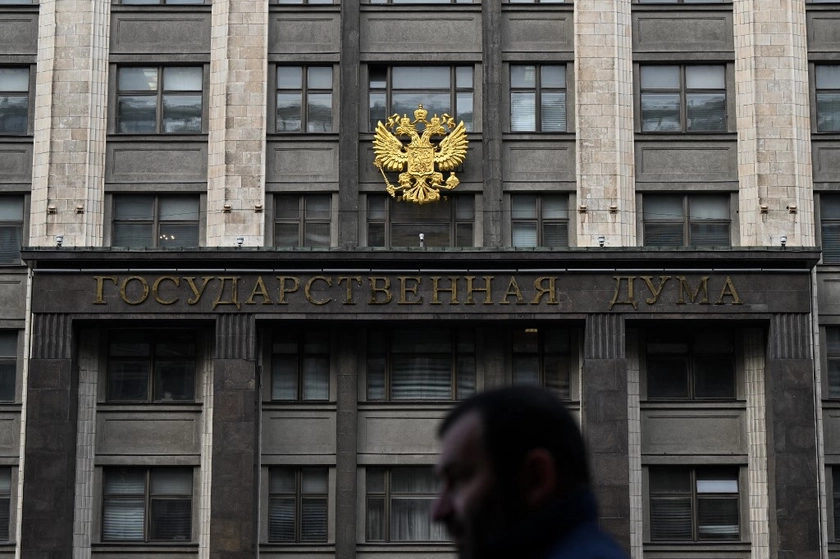
Meduza reported that some Russian security officials had pushed for postponing the vote, citing economic difficulties, falling approval ratings, and security concerns after Ukrainian drone attacks on Moscow.
However, several sources said no final decision has been made.
Other officials dismissed reports of a new mobilization wave as speculation, arguing that the political and economic risks remain significant.
You can also highlight the text and press Ctrl + Enter