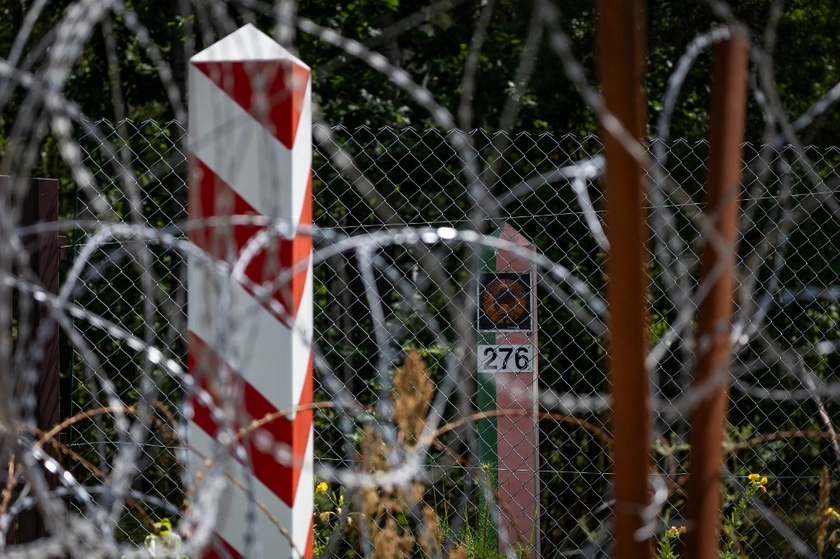
Fundamentally, wars end in five ways: conquest, formal surrender, de facto surrender, disengagement, or negotiation. So, how will Russia’s war of aggression against Ukraine end?
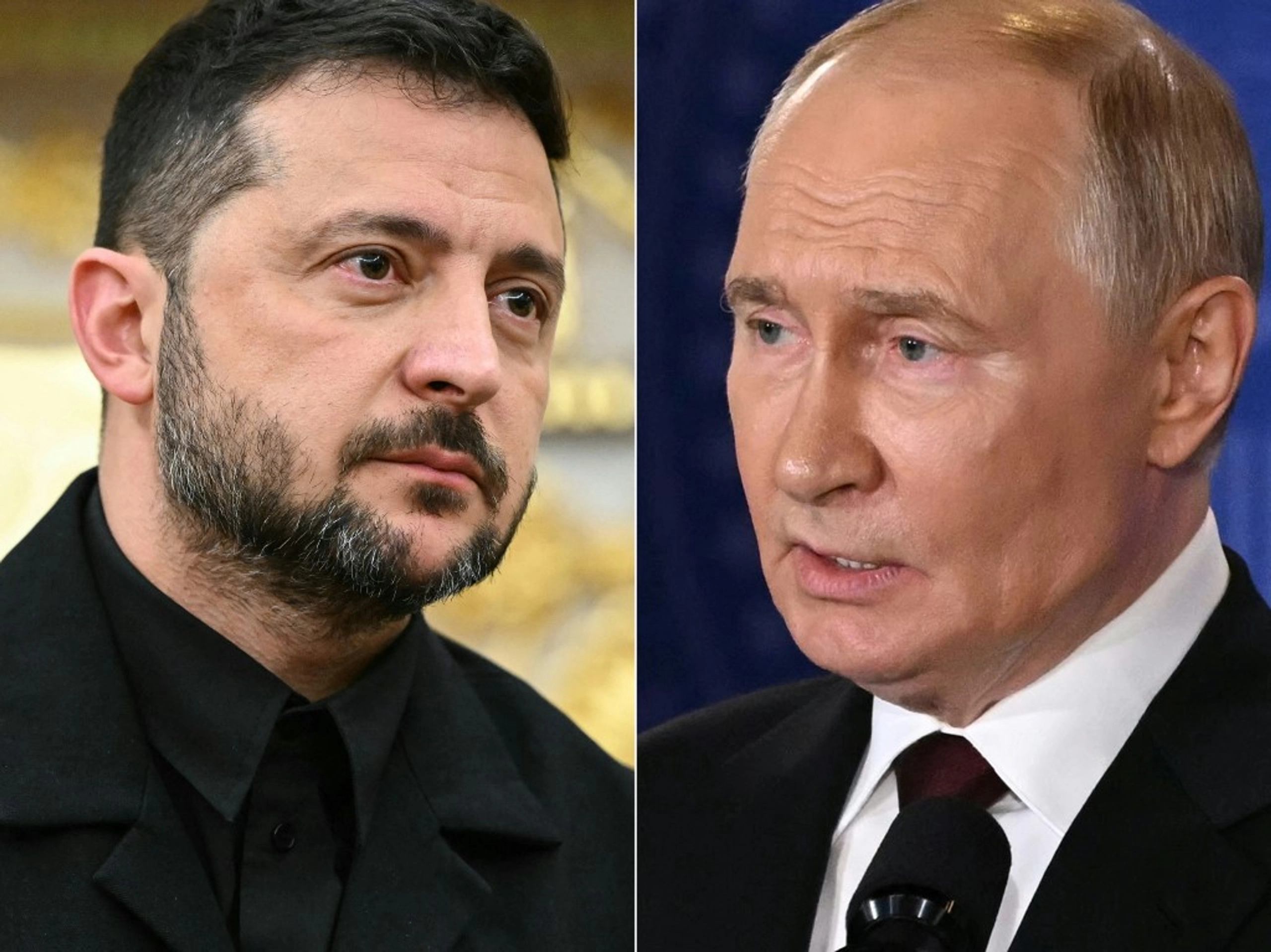
That is the question on many minds right now. There has been recent commentary from Volodymyr Zelensky and Vladimir Putin on the state of the war and the peace process. International attention that was lost with the outbreak of the US-Israel-Iran War is beginning to shift back. The recent framework agreements signed between the White House and Tehran and Jerusalem and Beirut elicit curiosity if it may be time for the Russo-Ukrainian War to come to a close, however that may happen.
JOIN US ON TELEGRAM
Follow our coverage of the war on the @Kyivpost_official.
Now into the fifth year of Russia’s full-scale invasion, several of those outcomes can already be ruled out. Understanding which possibilities remain helps explain where the war is heading, and why the next round of negotiations will look very different from the last.
The state of play in the conflict
From a negotiator’s perspective, Ukraine is in the strongest position it has been in since liberating Izyum in September 2022. The Kremlin was on its heels then, and it is on its heels now.
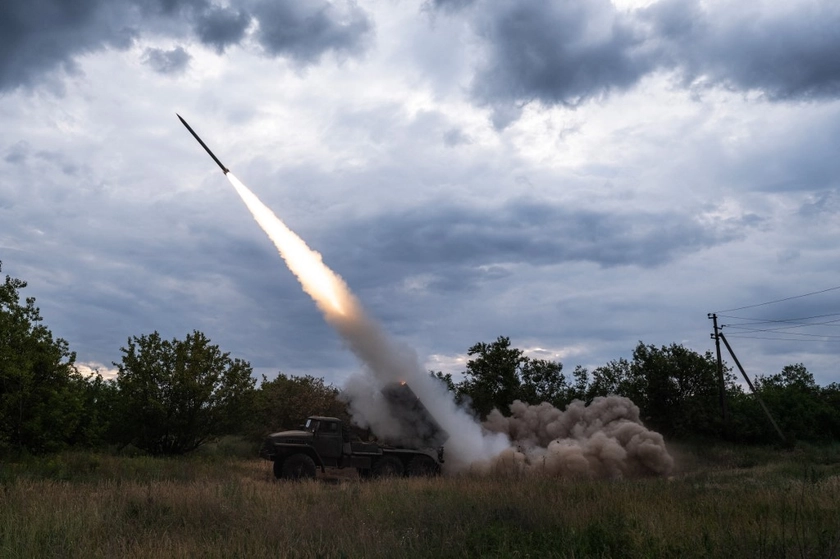
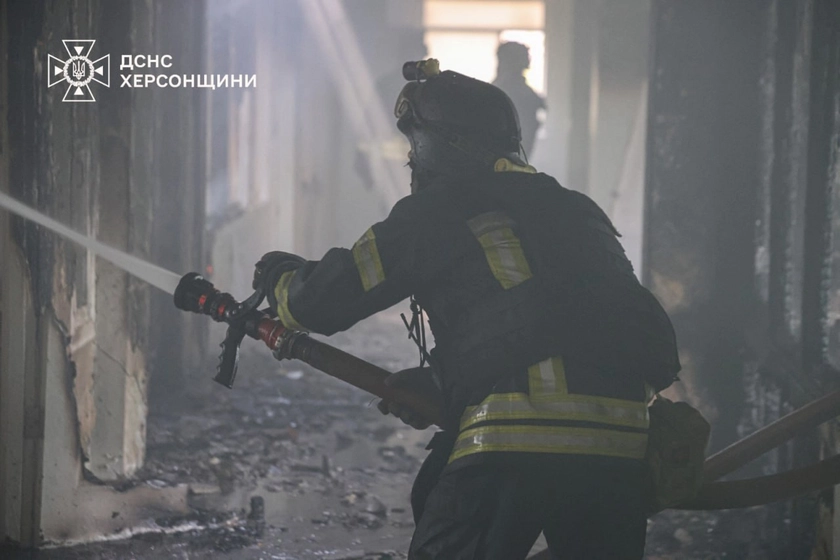
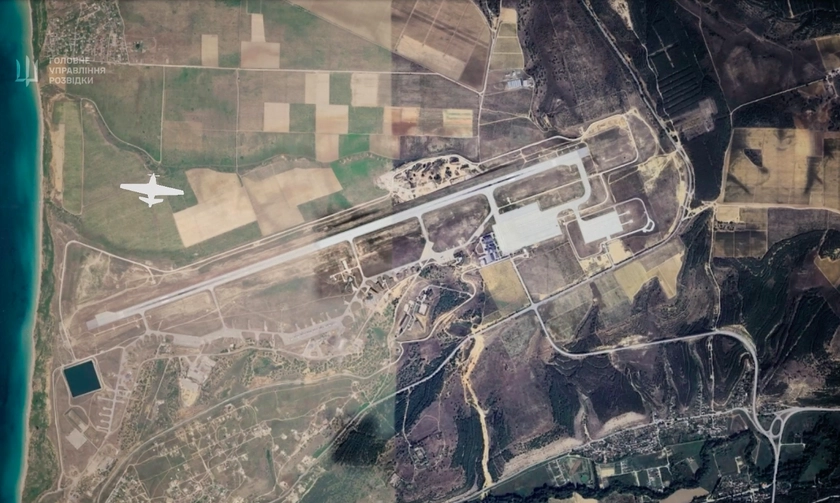
Kyiv has stopped waiting for the international community to increase pressure on Russia and is no longer waiting for permission to hit targets deep in Russian territory. With their self-dubbed “long range sanctions” – that is, strikes on oil factories and military facilities – they have substantially disrupted domestic energy markets and brought the war to Russians’ doorsteps. More and more, ordinary Russians are feeling the effects of Putin’s gambit in Ukraine.
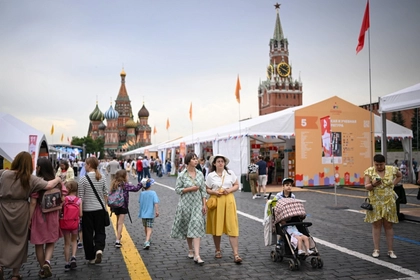
Record Number of Russians Want War in Ukraine to End Now
The longer the war drags on, the more costs Russia will endure, and the Kremlin has yet to demonstrate that further escalation can produce strategic gains. Tactical advances measured in villages should not be mistaken for decisive momentum capable of delivering Moscow’s political objectives. Ukrainian forces know how to disrupt the logistics tails that would be necessary to move the battle line forward, so even if Russian forces could achieve marginal gains, they would not be able to sustain it.
The war has essentially transitioned to siege warfare in the modern era.
But for all Ukraine’s recent successes, it is not in a strong position to gain and hold ground either. Russian forces have become entrenched in occupied areas, and the war has essentially transitioned to siege warfare in the modern era; in other words, Ukrainian forces must cut supply lines and isolate Russian occupiers long enough to dwindle their resources in ways that allow for recapturing territory without sustaining heavy losses. While this approach can be effective, it takes time.
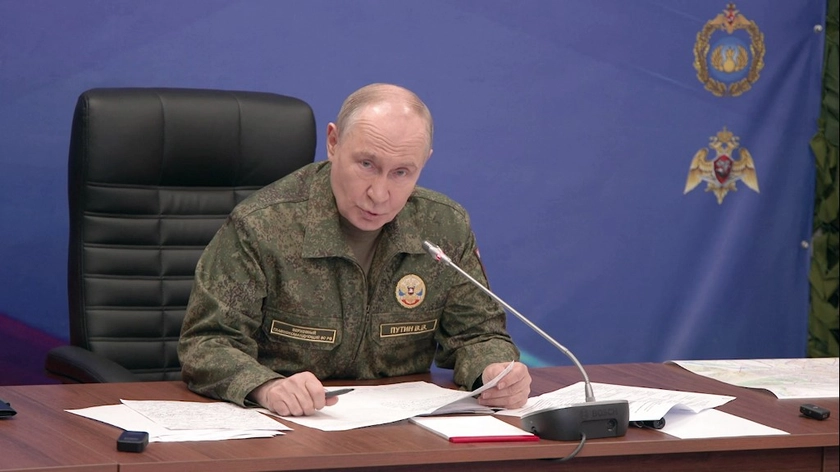
Meanwhile, the Kremlin continues with its same strategy: clinging to maximalist demands while imposing costs on Ukrainian civilian populations. It has not worked thus far, but Russia’s war of attrition need only last long enough for Ukraine’s will to break or for third parties like the United States to influence decision-making in Kyiv in favor of Russian interests.
Status of negotiations
Putin had reason to believe his strategy might have worked based on past interactions with the White House. The allure of being able to secure an end to the war while achieving economic benefits was enticing for the Trump administration, as well as his chief negotiators Steve Witkoff and Jared Kushner, who have made multiple trips to Moscow but none to Kyiv. It is why the Kremlin continually trumpeted the “Alaska understandings” – a claimed alignment on the conditions for ending the war – in their approach to negotiations with Ukrainian counterparts.
But circumstances are changing. White House officials have shifted their tone towards Ukraine, acknowledging that Kyiv indeed holds some cards. They have also distanced themselves from the Alaska summit, with US Secretary of State Marco Rubio definitely stating that there were no agreements in Anchorage. The Kremlin has been forced to acknowledge that point.
The question now is what kind of role the United States may have in the peace process. The White House has been distracted with the Iran War, only engaging in four peace-related discussions with Kyiv since March. Rustem Umerov met Steve Witkoff twice, Zelensky spoke to Witkoff and Kushner by phone in early June, and Zelensky and Trump held a quick sidebar discussion at the G7 summit in France.
With the United States otherwise occupied, Kyiv and Moscow have reportedly been using backchannels for communication. Zelensky revealed in early June that Russian oligarch Roman Abramovich had reprised his role as an unofficial intermediary, and the Kremlin intimated that there have been exchanges on possibly confining hostilities to the areas near the battlelines – a proposal that Moscow reportedly rejected.
Where negotiations may go from here is uncertain. Witkoff and company are still mired in the US-Israel-Iran peace process. The frequency and depth of Russia-Ukraine backchannel discussions are unknown, and while the Turkish government has stated it is working to get negotiations back on track after hosting three rounds of talks in 2025, it has reported no progress yet.
How the war will end
At the outset of the Russian invasion, all five options for how the war could end – conquest, formal surrender, de facto surrender, disengagement, and negotiated peace agreement – appeared on the table. However, through its successful resistance and military operations deep into Russian territory, Ukraine has already taken a few off the table.
Russia has failed at conquest. The full-scale invasion ground to a halt around Kyiv in March 2022 before being pushed back through Ukraine’s military operations.
Ukraine has also demonstrated that the country will not render unto the Kremlin a surrender in any of its forms. Russia may still hope for Ukrainian capitulation, but nothing in the conflict demonstrates that this remains a possibility.
Thus, the two remaining outcomes in terms of war termination are disengagement – meaning Russia unilaterally decides to cease its hostilities against Ukraine – or a negotiated settlement. Either could happen.
The range of plausible endings has narrowed considerably as Ukraine’s position grows stronger.
If the costs are high enough, the Kremlin could simply declare that it has achieved its objectives in the “special military operation.” A full withdrawal is politically impossible for Putin’s government, so in this scenario, Russia would transition to postwar stability operations in the occupied territories of Ukraine. Of course, this form of disengagement will require Kyiv to decide if it is willing to accept the enduring occupation, or if the war effort must continue to liberate those areas.
A negotiated agreement is also possible, but it would be unwise for Kyiv to pick up directly where they left off in February. Conditions on the battlefield have changed in Ukraine’s favor, and so should the conditions at the negotiating table. A comprehensive interim peace agreement such as an armistice or “permanent cessation of hostilities agreement” still remain the best options because they can underpin a durable peace without relinquishing sovereign territory to Russia. Further, time is now on Kyiv’s side for negotiating a thorough, well-designed agreement rather than rushing for the sake of third party preferences.
Absent deliberate movement toward either disengagement or negotiation, the risk of protracted warfare remains. While the costs are high, history has shown that some countries become “pot committed” in warfare – a colloquial way of saying that they have invested so much already that they keep going in hopes of coming out as winners. The Soviet Union remained in Afghanistan for almost 10 years, and the United States was there for 20. In both cases, the countries hemorrhaged blood and treasure in hopes of success, and in the case of Ukraine, Putin has a personal motive that goes beyond national interest.
Peace is by no means imminent. The war may continue for weeks, months, or years before either side concludes that further fighting will no longer improve its outcomes. But the range of plausible endings has narrowed considerably as Ukraine’s position grows stronger. The question now is how the two sides adjust their respective strategies to the shifting power dynamics both on the battlefield and, perhaps eventually, at the negotiating table.
The views expressed in this opinion article are the author’s and not necessarily those of Kyiv Post.
You can also highlight the text and press Ctrl + Enter