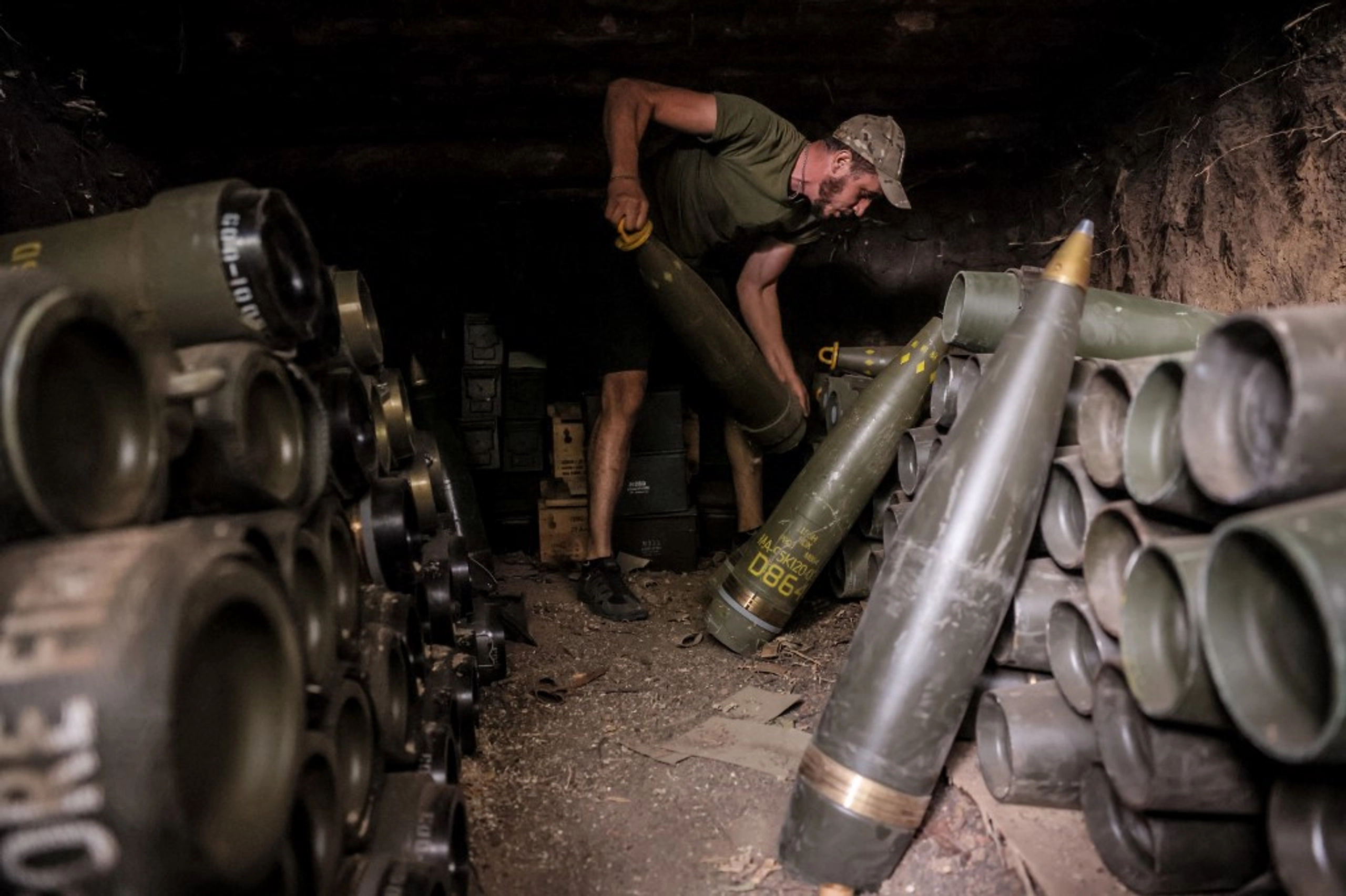
The Czech-led initiative to supply artillery ammunition to Ukraine will continue for as long as the country still needs it, the country’s Defence Minister Jaromír Zůna told Euractiv.
“The ammunition initiative will continue as long as it is necessary to assist Ukraine in its defence against the Russian invasion and as long as it is supported and required by our international partners,” Zůna said on Tuesday via email.
JOIN US ON TELEGRAM
Follow our coverage of the war on the @Kyivpost_official.
Prague plans to guarantee deliveries of urgently needed artillery ammunition, particularly 155 mm extended-range shells.
“We are currently the single most important source of this material,” Zůna said. “The Czech Republic is thus fulfilling its specific role alongside other partners who focus on other types of support and deliveries.”
Set up in 2024, the initiative supplied around 1.5 million rounds in 2024, 1.8 million last year, and is expected to deliver one million rounds this year for a €5 billion price tag footed by countries supporting Ukraine’s war efforts.
According to Zůna, a retired lieutenant general, Ukraine’s successes on the battlefield in recent months, as well as strikes deep inside Russian territory targeting key economic and logistical targets, have “put strain on [Moscow’s] ability to sustain the war”.
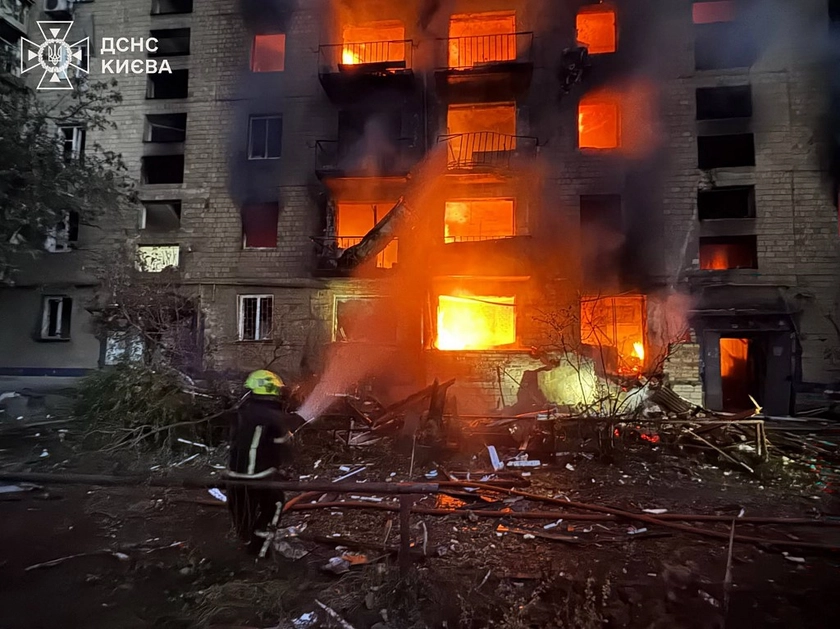
While both sides continue to pay a high price in what has become a war of attrition, and Russian drone and missile attacks on Ukrainian cities persist, “Ukraine has significantly improved the effectiveness of its forces and its ability to adapt”, he said.
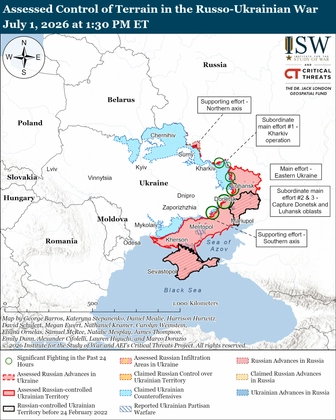
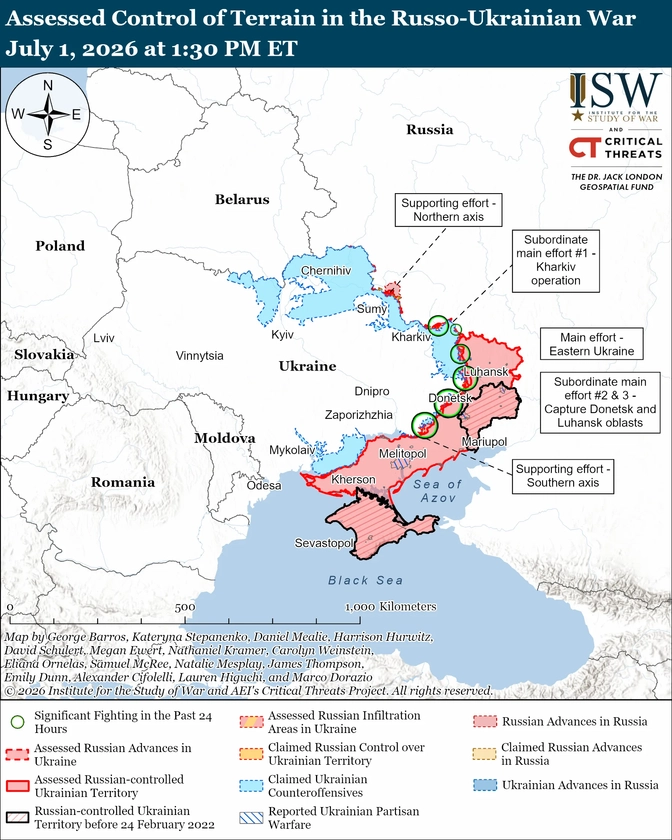
ISW Russian Offensive Campaign Assessment, July 1, 2026
For Europe, the implications are clear. “We must take greater responsibility for our own security,” Zůna said, arguing that the outcome of the war will shape Europe’s future security environment.
“A strong Ukraine capable of defending itself is therefore essential not only for its own survival, but also for the security of NATO’s Eastern Flank and countries like the Czech Republic,” he said.
The Czech Armed Forces are modernising accordingly, he added, notably through “the procurement of 44 Leopard 2A8 main battle tanks, with an option for an additional 14 vehicles.”
Zůna stressed this is a key part of his country’s modernisation of heavy land forces and its efforts to strengthen interoperability within NATO.
Still, Prague hasn’t yet decided whether to procure the additional 14 tanks.
“It will depend on the ongoing assessment of the Czech Armed Forces’ requirements, available budgetary resources and the long-term development of land force capabilities,” Zůna said. “At the same time, we are assessing the associated support and logistical capacities necessary for the full operational use of this platform.”
Prague is also sticking to its plans to acquire 24 F-35s, with delivery scheduled by 2031, which Zůna described as “a key component of the modernisation of the Czech Air Force”.
“This decision is based on our long-term defence needs and the requirement to ensure full interoperability with NATO allies. While our experience with operating Gripen aircraft has been valuable, the F-35 represents a platform that meets future operational requirements and alliance commitments.”
The project also includes a major upgrade of infrastructure, including Čáslav Air Base, with investments of around CZK 5.3 billion (€217 million) and potential NATO co-financing through the NSIP programme of up to CZK 1.6 billion (€66 million).
Another priority is expanding the Czech Armed Forces. The country currently has around 30,500 professional soldiers, while the active reserve is expected to grow to around 10,000 personnel.
“Under the Conception of the Czech Armed Forces Development 2040, the target is around 37,000 personnel in total, including approximately 32,000 professional soldiers, with the remainder made up of additional personnel capacities within the Ministry of Defence,” Zůna said.
The government does not plan to reintroduce conscription, abolished in 2004.
“Instead, we are focusing on making military service more attractive, strengthening recruitment and stabilising existing personnel so that we can meet future capability requirements.”
You can find the original here.
You can also highlight the text and press Ctrl + Enter