Ukraine’s Defense Forces say Operation “Auchan” significantly disrupted an enemy mechanized offensive, halting its momentum for up to six months through coordinated drone strikes and intelligence-driven planning.
The operation was launched last year following a decision by the Supreme Command Headquarters, and was backed by additional funding initiated by President Volodymyr Zelensky. Ukrainian Defense Minister Mykhailo Fedorov said forces specially deployed drones and gathered intelligence to strike targets deep behind enemy lines.
JOIN US ON TELEGRAM
Follow our coverage of the war on the @Kyivpost_official.
“Operation ‘Ashan’ is one example of how technology, intelligence, and high-quality planning makes it possible to systematically weaken the opponent’s offensive potential,” Fedorov said.
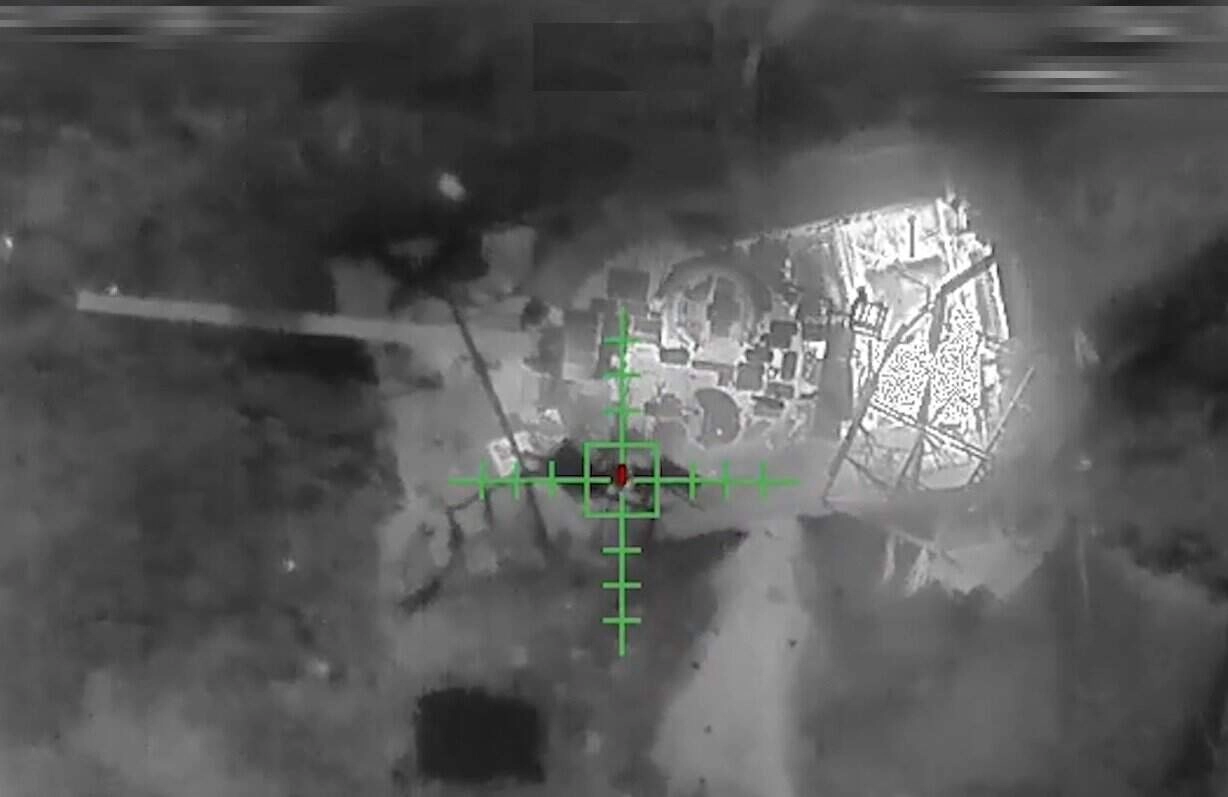
“In just three days, the Defense Forces hit 949 enemy targets,” he said, forcing Russian troops to withdraw substantial equipment from the front and spend months recovering losses.
The first and second phase
The first phase of “Auchan” began in 2025, when Ukrainian bomber drones destroyed more than 800 Russian armored vehicles and artillery pieces over several nights, striking targets located more than 50 kilometers (31 miles) behind the front line, according to Militarnyi.
The second phase, codenamed “Auchan,” followed in June 2026, shifting focus to Russian artillery, which Ukrainian forces describe as a key battlefield threat. New munitions developed for the phase resulted in 231 additional targets hit, 171 of them destroyed, bringing the campaign’s combined total to 1,180 targets struck.

Russia’s 11-Time-Zone War Just Backfired
“Each such operation is not only about destroyed equipment,” Fedorov said. “It is about disrupted enemy plans, fewer opportunities for their offensive, and more chances to save the lives of our soldiers.”
He said the second phase grew largely out of concern over Ukrainian casualties from enemy artillery fire.
Expanding use of drone warfare to save troops’ lives
The operation reflects Ukraine’s growing reliance on asymmetric tactics, particularly unmanned systems, to offset conventional disadvantages and degrade Russia’s operational capacity, rather than engage in direct confrontation.
Military officials said that such operations are designed not only to destroy equipment, but also to disrupt future planning cycles and reduce the enemy’s ability to sustain offensives. The withdrawal of equipment after the first phase pointed to broader immediate battlefield damage.
Fedorov said the operation involved multiple units, including the National Guard’s special forces unit Lasar’s Group and the 412th Separate Brigade of Unmanned Systems NEMESIS, along with other participating forces.
Ukraine’s wider push toward autonomous warfare
Also in June, Fedorov said Ukraine is scaling up a new generation of interceptor drones, developed through the Brave1 platform, that autonomously track, identify, and destroy Russian Shahed drones, automating 95% of the process from launch to impact.
The drones have been combat-tested in the Kharkiv region, Fedorov said, adding that Ukraine is continuing to scale up solutions already already proven effective in combat conditions. He said that Ukraine’s strategic goal is to achieve a stable interception rate of 95% of aerial targets.
Ukraine’s Ministry of Defense said ground robotic systems have carried out more than 50,000 logistics and evacuation missions since January, delivering weapons and ammunition while pulling wounded soldiers from high-risk zones without exposing other personnel to enemy fire.
As Ukraine expands its use of unmanned systems, the number of units using these kinds of robots has nearly doubled, rising from 117 to 230, as Zelensky pushes to expand their deployment and reduce the risk to soldiers’ lives.
You can also highlight the text and press Ctrl + Enter