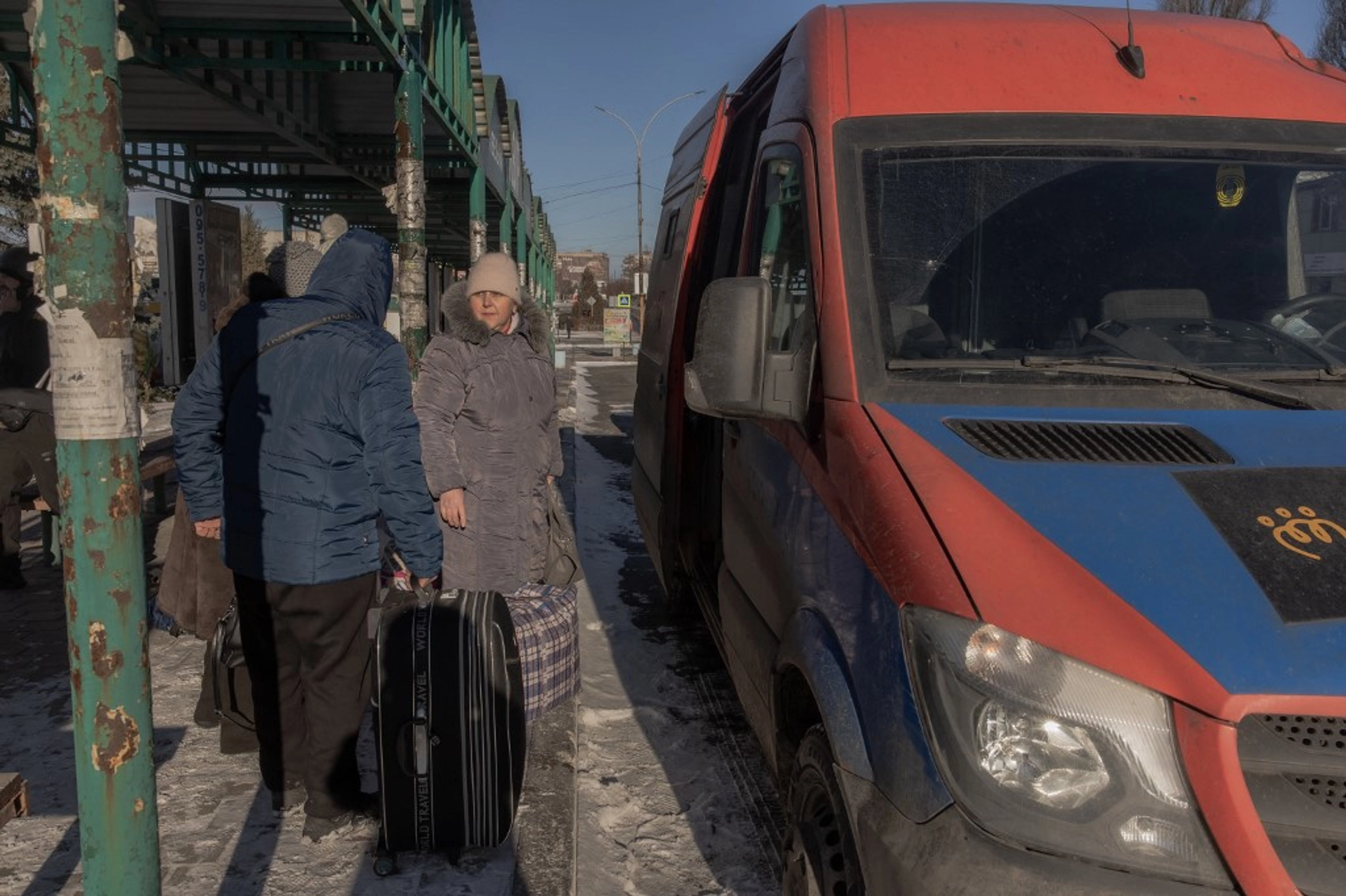
The platform, called “Poruch,” digitizes operations at transit evacuation points in Kharkiv and Lozova, connecting all participants involved in evacuating civilians, while also generating data on available resources and the needs of displaced residents. According to Oleh Syniehubov, head of the Kharkiv Regional Military Administration, the system allows citizens to view photos of temporary housing, review accommodation conditions, and reserve beds before their evacuation.
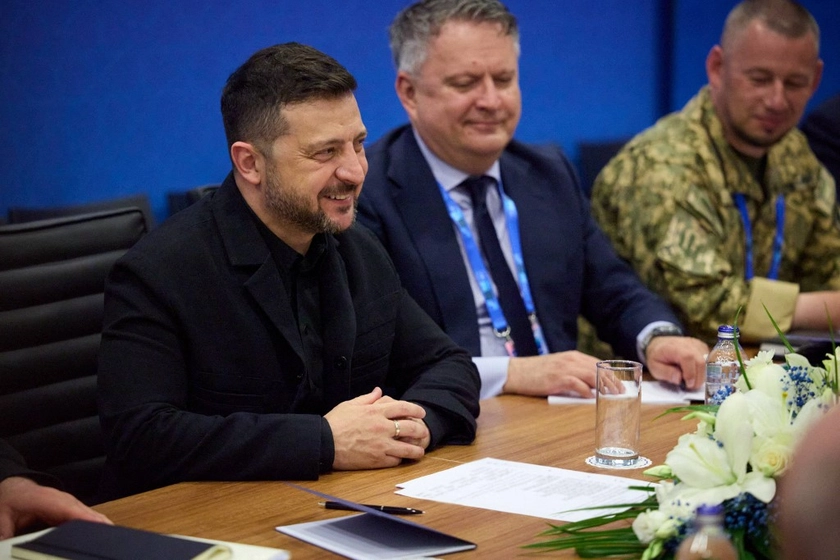
“Given the intensified evacuation of residents from frontline and border communities, it is extremely important for us to continue ensuring clear coordination among all services and to inform people in a timely manner,” Syniehubov said.
JOIN US ON TELEGRAM
Follow our coverage of the war on the @Kyivpost_official.
Partners behind the platform
The system was reportedly developed with support from Ukraine’s Ministry of Social Policy, Family, and Unity, the Coordination Coordination Humanitarian Center charitable organization, and the UN Office for the Coordination of Humanitarian Affairs.
According to the regional authorities, the project was funded by the Ukrainian Humanitarian Fund.
After a two-week testing period, authorities said, the number of people willing to evacuate increased by 73%.
Kharkiv remains one of the most targeted regions
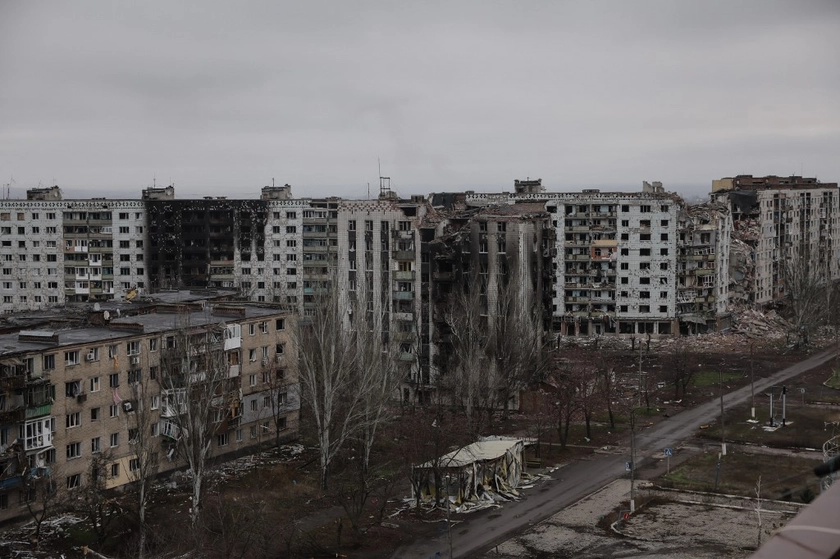
The evacuation efforts come as Kharkiv remains under continuous Russian barrage, underscoring why authorities consider coordinated evacuations increasingly urgent.
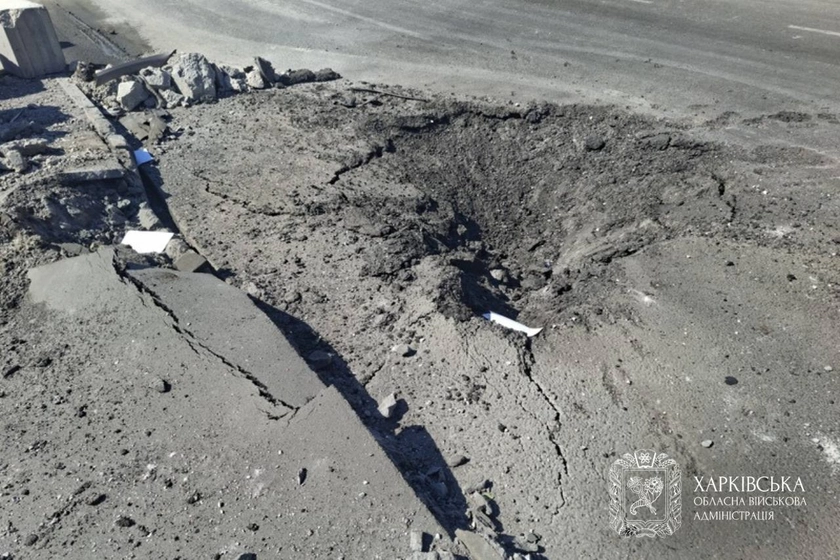
Over the past week, Russian forces struck 109 settlements in the Kharkiv region, killing 14 people, including two children, and injuring 143 others.

Russia’s 11-Time-Zone War Just Backfired
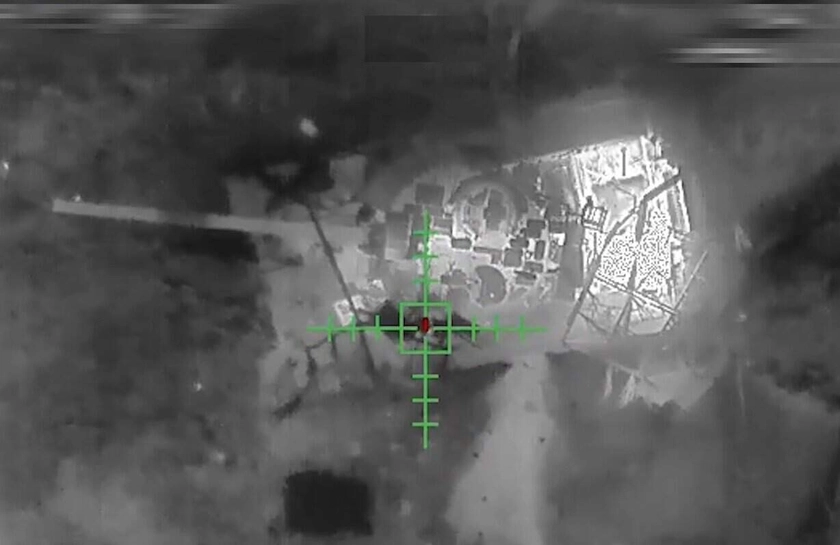
“The enemy actively used various types of weapons against the Kharkiv region: four missiles, two multiple launch rocket systems, 49 guided aerial bombs, 17 ‘Geran-2’ type drones, 66 ‘Molniya’ type drones, 51 FPV drones,” Syniehubov said, adding that the type of the remaining 195 drones was still being determined.
Throughout the week, emergency service units were called in to extinguish 79 fires caused by the shelling, according to the regional administration. Crews also neutralized 256 explosive devices found across affected areas. Syniehubov noted that one additional person was injured after an explosive device detonated.
Along the front line, 1,834 combat engagements took place during the same period.
Kyiv Mayor Vitali Klitschko declared Tuesday, July 7, a Day of Mourning, after Russian armed forces struck Kyiv and killed at least 27 people.
In the latest attack on Tuesday, one person was killed and 20 others were wounded, including four children, after Russian forces struck Kharkiv with guided aerial bombs and drones. The attacks damaged residential buildings, set vehicles ablaze and hit gas stations in two districts, marking another strike on Kharkiv in what has become a near-daily pattern of attacks on the city.
Schools move underground amid continued strikes
Kharkiv opened its first underground kindergarten on May 27, with Mayor Ihor Terekhov saying the city has already built 10 underground schools and converted a metro station into a classroom, aiming to keep children learning despite ongoing Russian strikes.
“I don’t want our enemy to take away our children’s childhood,” Terekhov said, adding that a second underground school opened in Pechenihy, in the Kharkiv region.
You can also highlight the text and press Ctrl + Enter