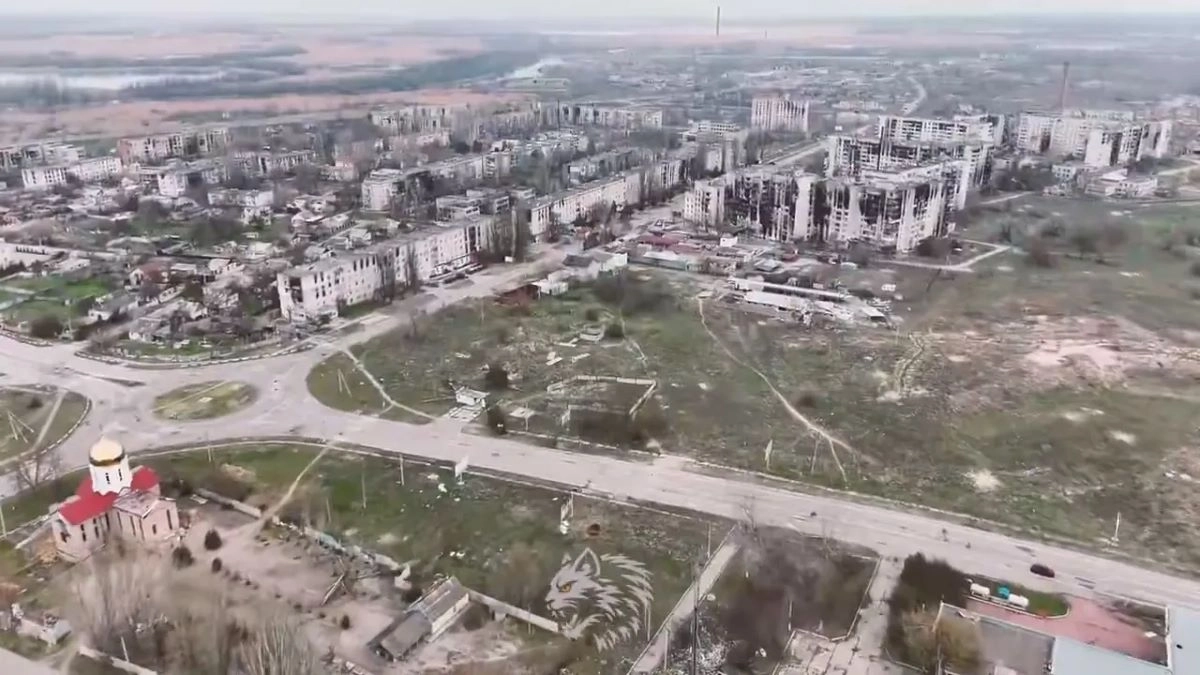
Residents of the Russian-occupied Ukrainian town of Oleshky have been cut off from food and medicine deliveries for more than a month, forcing people to barter for basic supplies as the humanitarian situation rapidly deteriorates.
No vehicles have entered or left the town since May 26, according to Tetiana Hasanenko, head of the Oleshky City Military Administration, as per Vgoru media. Around 2,000 people remain in Oleshky itself, while about 6,000 people, including at least 150 children, are still living across the wider occupied community.
JOIN US ON TELEGRAM
Follow our coverage of the war on the @Kyivpost_official.
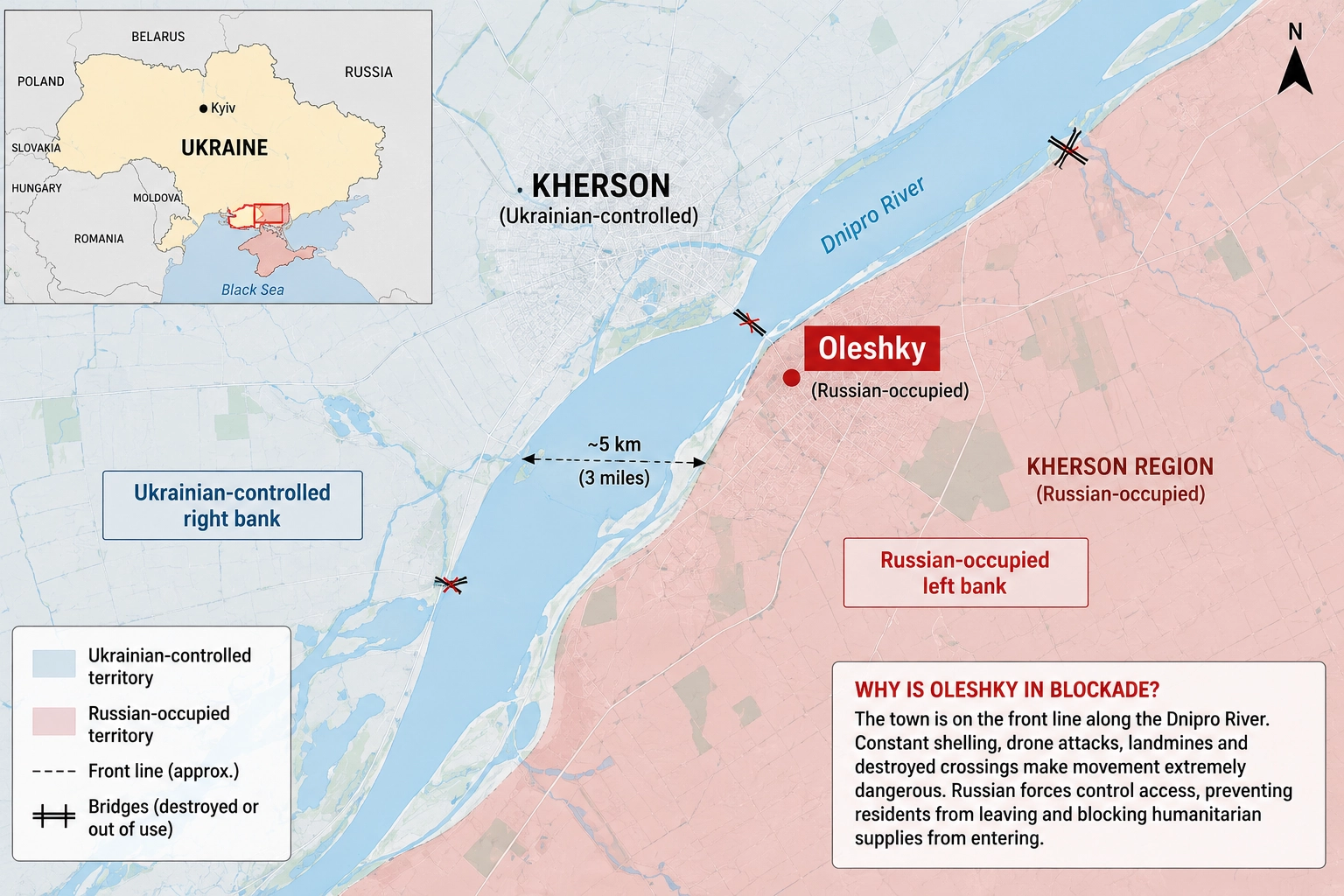
Oleshky is located in Ukraine’s southern Kherson region on the left bank of the Dnipro River, about 5 km (3 miles) southeast of the city of Kherson. The town has been under Russian occupation since the opening days of the full-scale invasion in February 2022 and sits directly opposite Ukrainian positions across the river, making it part of an active frontline zone.
With supply routes blocked, residents have exhausted most food stocks and now survive by exchanging what little they have with neighbors. Only small quantities of vegetables and leftover household supplies are available at the local market, where staple foods such as potatoes and eggs have become scarce and prohibitively expensive.
Belarus Continues Border Buildup, Ukraine Says
The blockade has also left the town without medicine. The only pharmacy, located at the local hospital, has run out of essential drugs, while electricity has been cut off and fuel for generators is unavailable, leaving medical staff struggling to treat large numbers of wounded civilians.
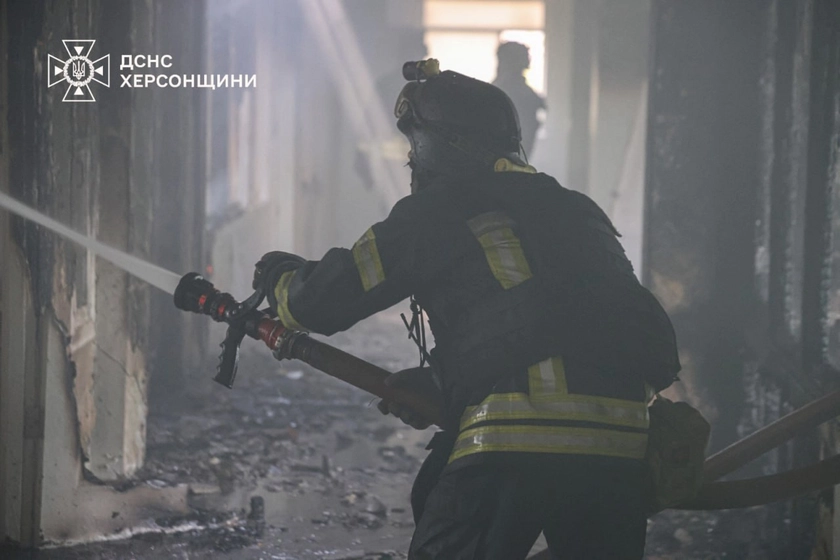
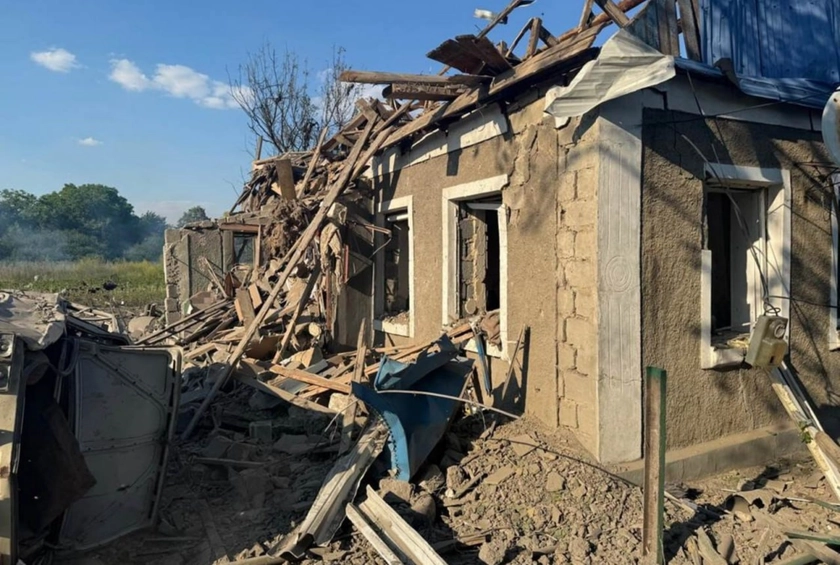
The humanitarian crisis has been compounded by the inability to bury many of those killed in ongoing attacks. According to Hasanenko, the hospital morgue was destroyed by shelling, forcing bodies to be stored in a basement. Russian occupation authorities allegedly prohibit the burial of people killed in drone strikes because their bodies must first undergo forensic examinations in another occupied town, something residents say is impossible under current conditions.
As bodies accumulate without proper storage. With little food available for animals, some stray dogs have reportedly begun feeding on human remains left in the streets, Hasanenko said.
Residents also cannot access their bank accounts because cash withdrawals require leaving the town, which has become nearly impossible due to constant shelling, drone attacks and landmines that frequently detonate during fires.
Local officials said Russian troops continue to shelter in civilian homes and basements, sometimes disguising themselves in civilian clothing, including women’s clothing, while representatives of the occupation administration have largely disappeared from the town.
The UN Human Rights Monitoring Mission in Ukraine said international humanitarian law requires an occupying power to ensure the provision of food and medical supplies to the civilian population and to facilitate humanitarian relief when local resources are insufficient.
The mission said it had documented reports of at least 29 civilians killed and 54 wounded in Oleshky and the nearby occupied town of Hola Prystan in 2026 alone. Many of those casualties have been verified by the Office of the UN High Commissioner for Human Rights.
According to the UN mission, most civilian casualties were caused by short-range drone attacks, although it said it had been unable to attribute responsibility for individual strikes.
The mission also said Ukraine and Russia had discussed the possibility of a localized ceasefire to allow civilians to evacuate the area, but no agreement has been reached.
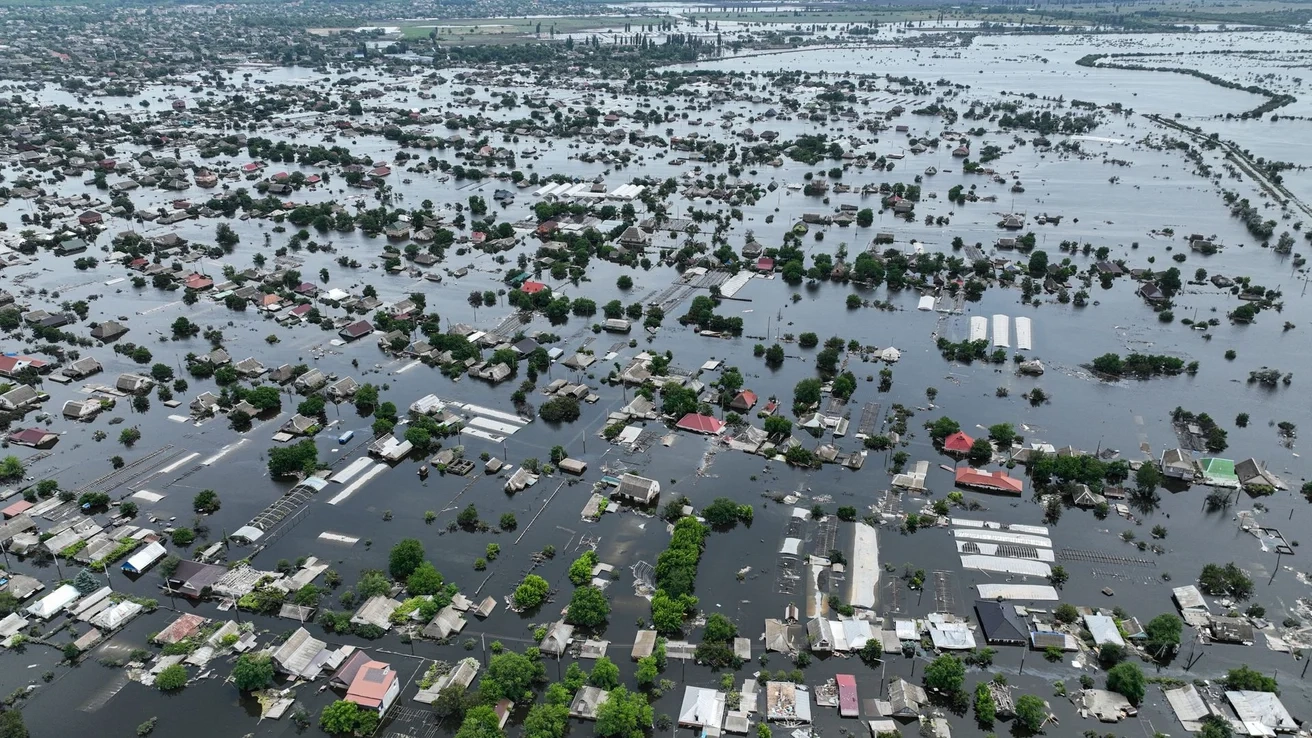
Oleshky was devastated by flooding after the destruction of the Kakhovka dam in June 2023. Ukrainian Ombudsman Dmytro Lubinets has previously described the situation in occupied Oleshky as a humanitarian catastrophe resulting from the occupation and disregard for civilian lives.
You can also highlight the text and press Ctrl + Enter