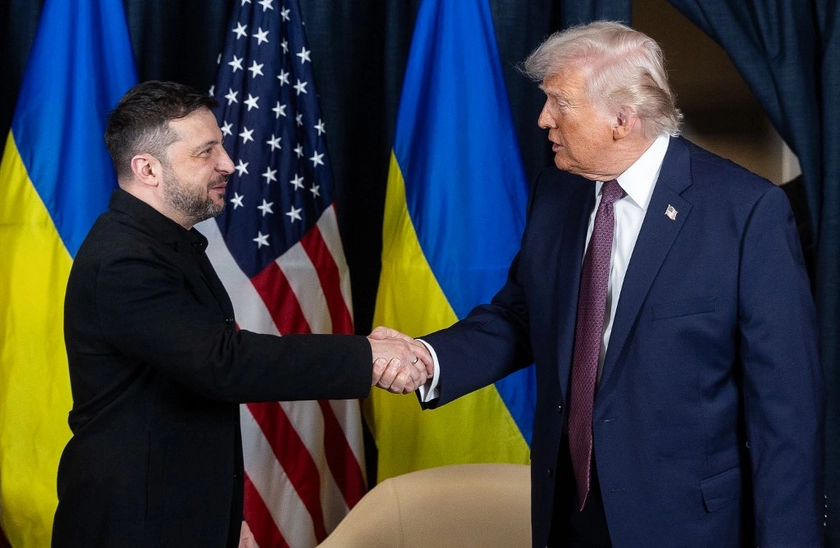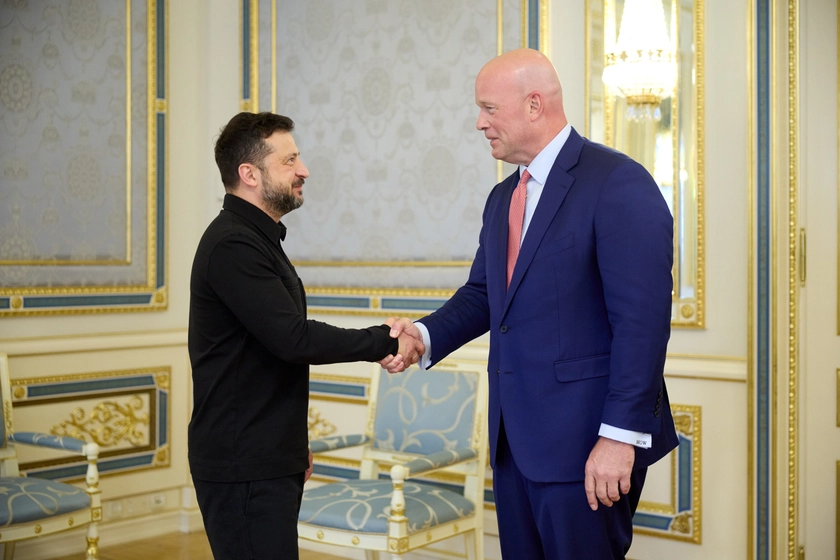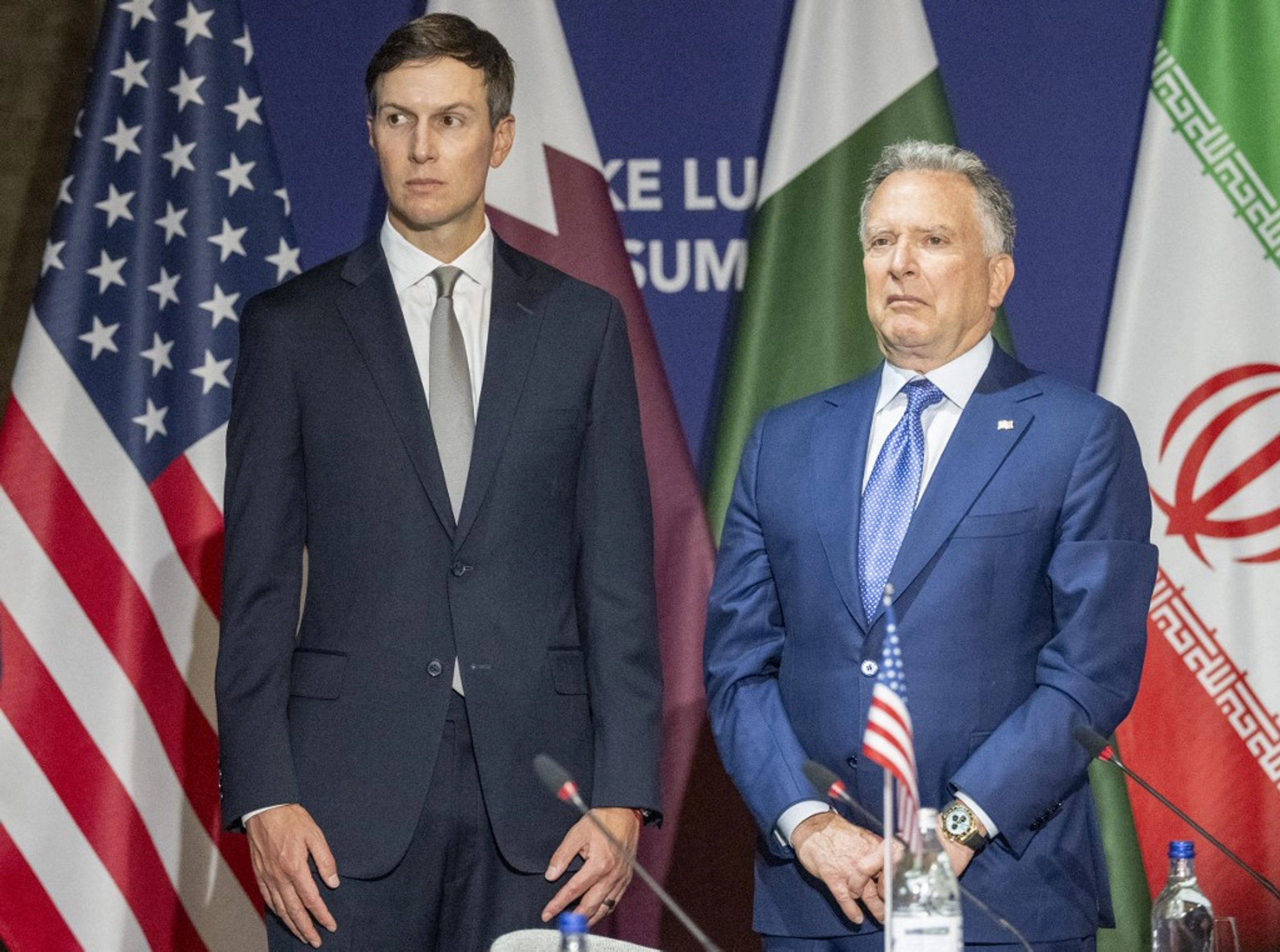
President Volodymyr Zelensky spoke with US President Donald Trump’s envoys, Steve Witkoff and Jared Kushner, on Wednesday, July 21, in what he described as an effort to accelerate diplomacy and move closer to ending Russia’s war against Ukraine.
Zelensky announced the call in his statement, saying the conversation centered on intensifying diplomatic momentum, with both sides agreeing that their respective teams would remain in close contact to build further on what was discussed.
JOIN US ON TELEGRAM
Follow our coverage of the war on the @Kyivpost_official.
“Peace is needed – peace with dignity, and Ukraine has long been ready for this,” Zelensky wrote.
Gratitude for continued US support
Zelensky thanked Witkoff and Kushner personally, while also expressing gratitude towards Trump and the American people for their continued backing of Ukraine.
Wednesday’s call comes after months of on-and-off diplomacy between Kyiv and Washington, with efforts led by Trump to broker a ceasefire between Ukraine and Russia stalling as US attention shifted toward the conflict with Iran.
On May 8, Zelensky said that he expected Trump’s envoys to visit Ukraine in the upcoming weeks, as Kyiv and Washington attempt to revive stalled negotiations aimed at ending Russia’s full-scale invasion.
“We hope that this time it will be possible to realize the plans and activate diplomacy,” Zelensky said at the time.
Just a month later, on June 8, Zelensky met with Witkoff and Kushner during a stopover at Chisinau Airport in Moldova. He expressed gratefulness “for their readiness to work as actively as possible already in the coming weeks.”
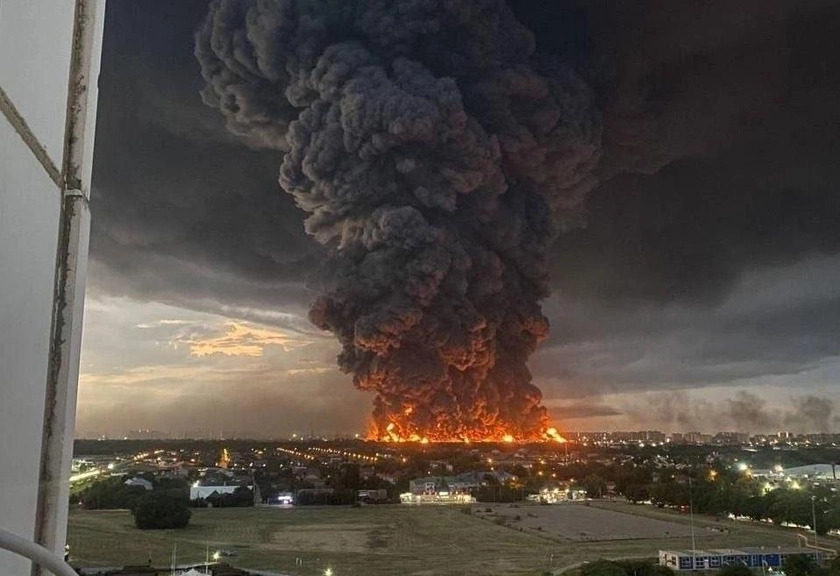
Why Is Ukraine Attacking Wildberries? Here’s Why
Despite Zelensky’s invitations, the two had yet to visit Ukraine at the time of publication.
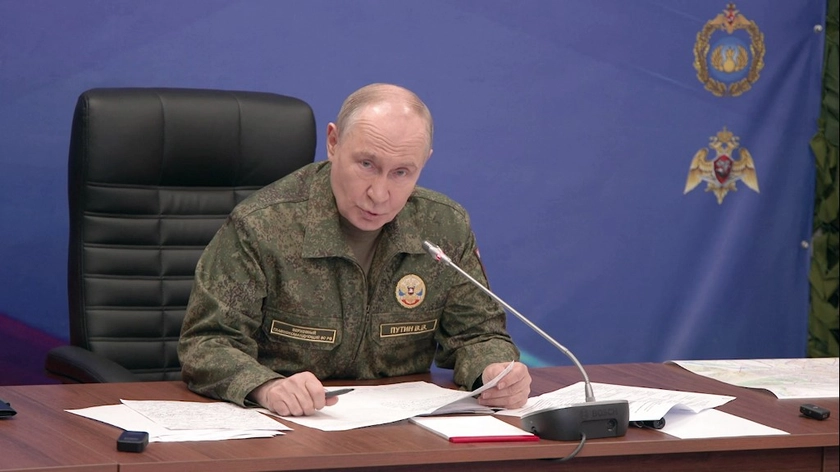
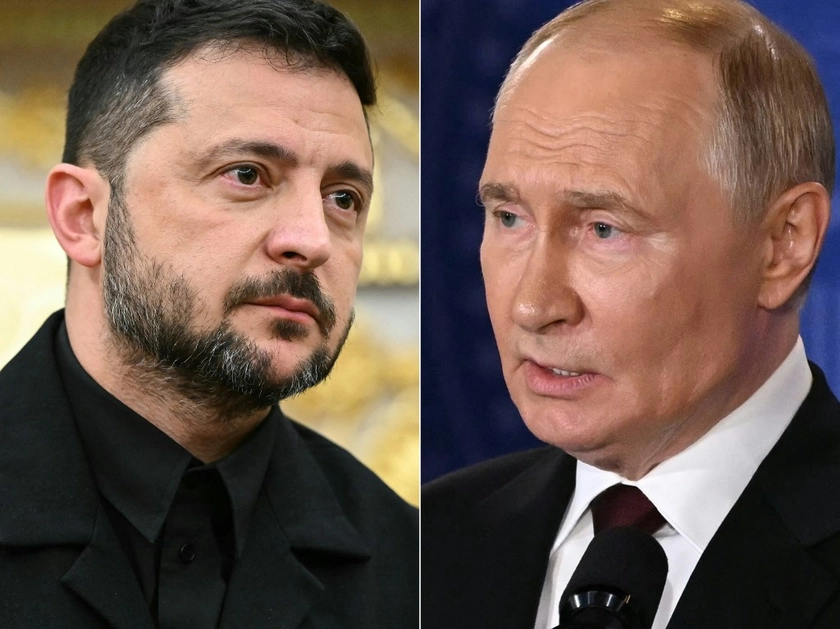
Their Chisinau meeting came as Moscow rebuffed peace talks, with Kremlin leader Vladimir Putin openly mocking Zelensky’s public call for direct talks, brushing it off as “rude” and insisting their “meeting would be pointless.” Around the same time, Russian Foreign Minister Sergei Lavrov said the war will be decided on the battlefield, not by diplomacy.
In recent months, Trump’s stance on Ukraine has also shifted due to Ukraine’s recent battlefield gains, as well as domestic pressures tied to upcoming congressional elections.
During the latest NATO summit in Ankara, Turkey, on July 8, Trump announced that Washington would grant Ukraine a license to manufacture its own Patriot defense systems, while his administration confirmed that it is also discussing Kyiv’s ability to strike deeper inside Russia.
Meanwhile, Russia has accused the US of dropping any pretense of being an “objective mediator” on Ukraine, after G7 leaders, including Trump, backed tougher sanctions and more air defense support for Kyiv.
Moscow rules out returning occupied territory
On Wednesday, the Kremlin hardened its position on occupied Ukrainian territory, dropping earlier plans to return parts of the occupied Sumy and Kharkiv regions as part of any future peace deal.
Previously, Moscow had signaled it would withdraw from those areas in exchange for Ukraine ceding the remainder of Donetsk and Luhansk regions.
Putin reportedly abandoned the idea of territorial concessions after concluding that unofficial understandings reached with Trump during their summit in Anchorage, Alaska, last August had effectively collapsed.
Washington has repeatedly denied that any formal agreement resulted from that meeting, though Kremlin authorities have pointed to what they describe as the “spirit of Anchorage” – an arrangement under which Ukraine would cede territory in Donbas in exchange for Russian withdrawal from parts of Sumy and Kharkiv.
In June, Putin suggested that Russia is ready to resume negotiations with Ukraine based on the framework of the previously discussed Istanbul agreements, marking a notable shift in tone.
However, the proposed framework required Ukraine to abandon its NATO ambitions, renounce nuclear weapons, restrict foreign troops and weapons on its territory, and reduce its armed forces to 85,000 personnel – terms that amount to Kyiv’s capitulation.
At the same time, Moscow would withdraw from occupied territories except Crimea, with the status of parts of the Donetsk and Luhansk regions left for separate negotiations.
Although the Kremlin has continued to send mixed signals about its willingness to negotiate, the latest shift underscores how far apart Kyiv and Moscow remain on the fundamentals of any future settlement, even as Zelensky’s efforts point to renewed diplomatic momentum.
You can also highlight the text and press Ctrl + Enter