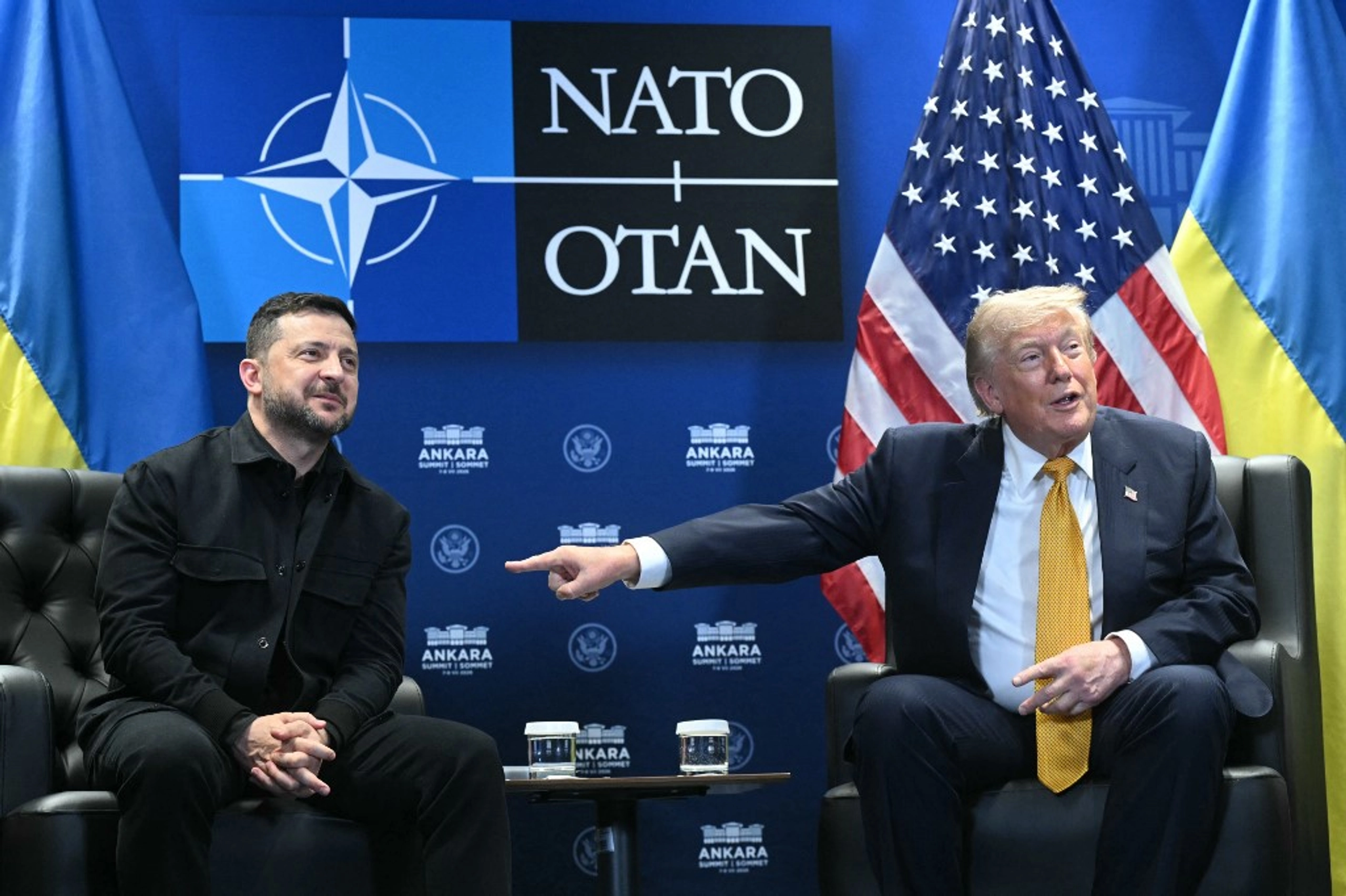
US President Donald Trump appears to be moving toward deeper support for Ukraine, with decisions on Patriot missile production and NATO funding framed as tools to increase pressure on Russia.
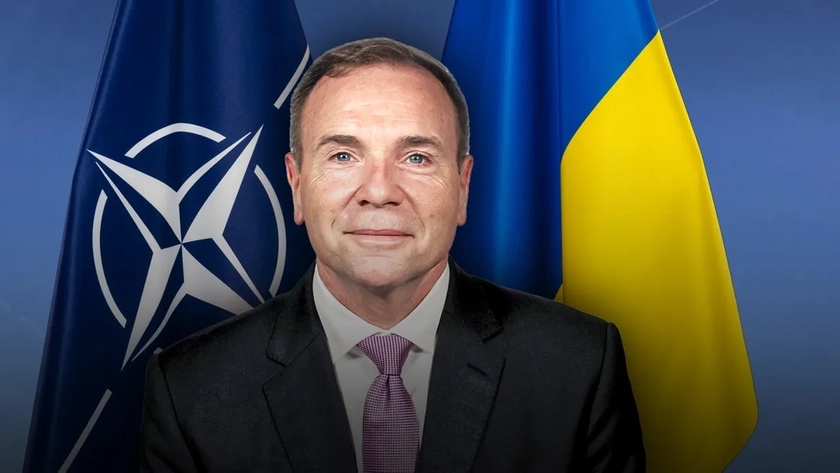
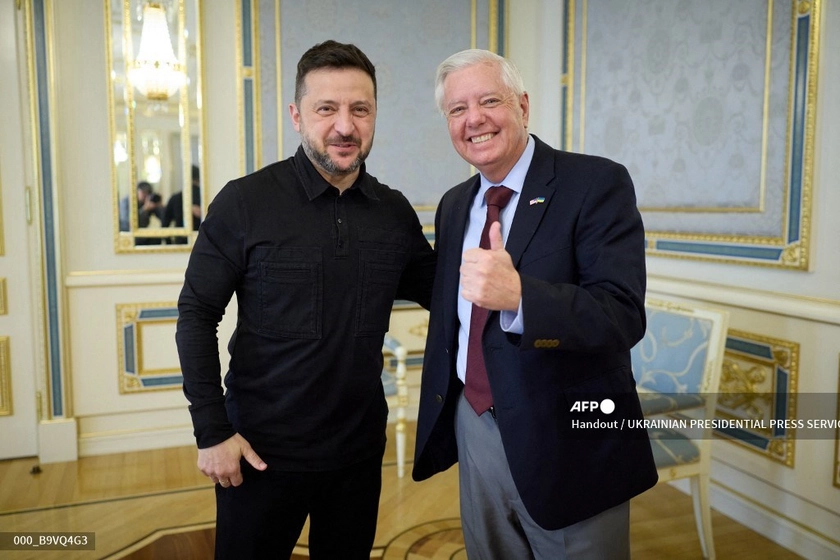
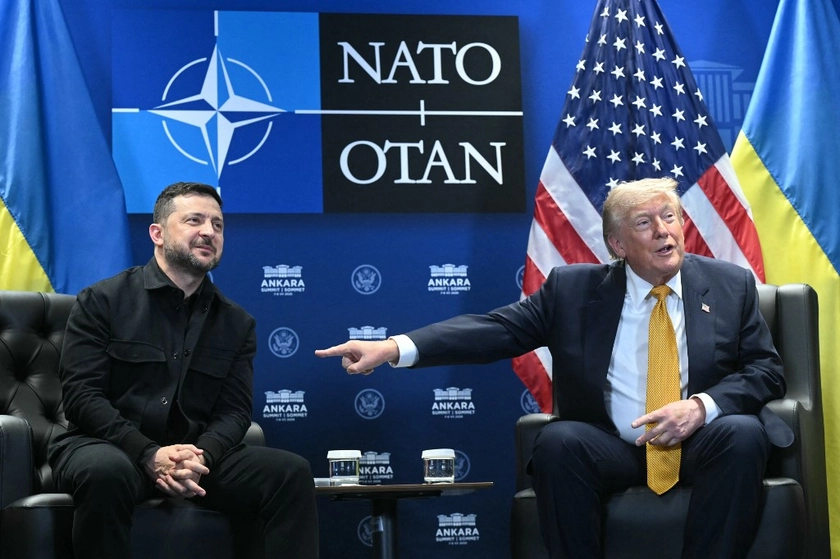
Yehor Chernev, head of the Ukrainian delegation to the NATO Parliamentary Assembly made the comment in an exclusive interview with Ukrinform, pointing to a noticeable change in tone from Washington following talks between Trump and President Volodymyr Zelensky.
JOIN US ON TELEGRAM
Follow our coverage of the war on the @Kyivpost_official.
“Trump has determined who the weak link is in this war,” Chernev said – “and that is [Kremlin leader Vladimir] Putin. This is why the conversation with our president was friendly and constructive,” he added, explaining that Trump’s readiness to give permission for the production of Patriot missiles for Ukraine was a “pleasant surprise,” and one that radically changes Ukraine’s strategic position, both during and after the war.
Multiple factors behind the shift
Chernev attributed Trump’s change in stance to various developments, including battlefield gains by Ukrainian forces, as well as Russia’s deepening fuel crisis induced by Ukraine’s ongoing strikes on Russia’s oil and energy infrastructure.
He also cited domestic pressures tied to upcoming congressional elections, and pointed out US-Iran conflict influencing Trump’s decisions.
“Trump has realized that the US is not all-powerful and needs the support of its European allies,” Chernev told Ukrinform, adding that, “to achieve this, it is necessary to help them resolve the Russian problem.”
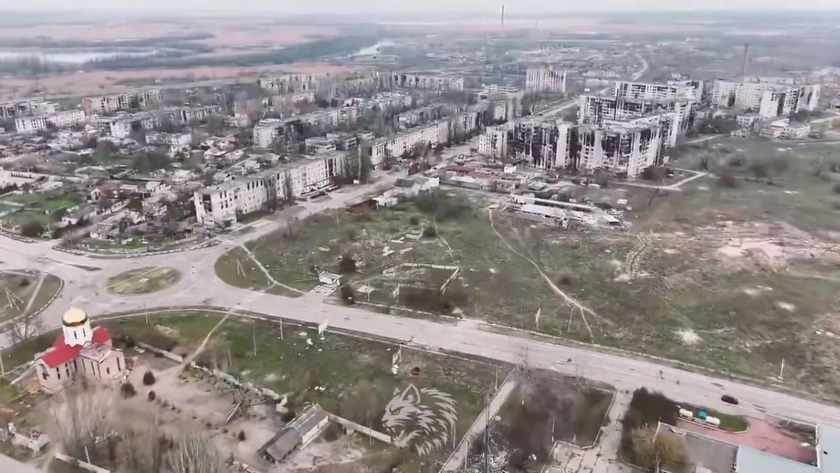
Russian-Occupied Oleshky Cut Off From Food, Medicine for Over a Month
He added that Trump appears keen to end “at least one of the wars as soon as possible,” either in Europe or the Persian Gulf – in order to be able to redirect focus toward the Indo-Pacific.
“Trump needs to end the war in Europe as quickly as possible to free up resources for other priorities,” Chernev said. “And he is now banking on Ukraine.”
Patriot missiles and emergency deliveries
During the NATO summit in Ankara, Turkey, on July 7-8, Washington signaled plans to grant Ukraine a license to manufacture Patriot systems.
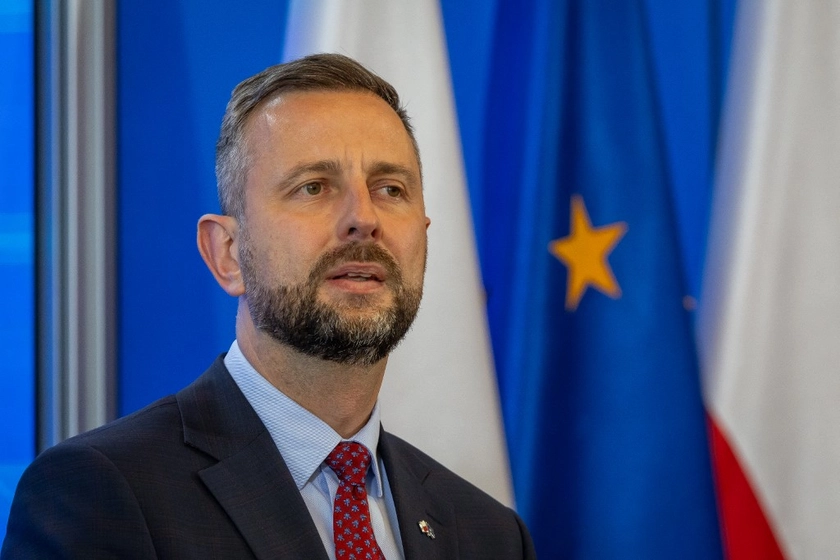
According to Chernev’s own estimation, with a steady US supply of critical components, Ukraine’s first domestically made missiles could be ready within two to three years. Meanwhile, Poland’s Defense Minister Władysław Kosiniak-Kamysz said preparations for joint production of PAC-3 interceptor missiles could take only a few weeks, with Poland ready to begin work immediately considering it plays a key role in transferring the necessary technology.
In the meantime, Chernev said Kyiv has secured commitments for emergency shipments of interceptor missiles. “Emergency deliveries will include 10-20 missiles each from various countries, drawn from the stocks they are able to allocate,” he said, adding that “the situation will improve in a few months when the interceptors contracted earlier begin to arrive.”
Currently, Ukraine is facing a critical shortage of anti-missiles amid continuous Russian ballistic missile strikes, as US missile manufacturer Lockheed Martin warns that it cannot guarantee delivery timelines for key Patriot PAC-3 interceptor missiles due to supply constraints and unresolved prioritization decisions.
Pressure on Moscow
When asked about Trump’s talk of “strong pressure” on Putin, Chernev said the most effective levers remain increased military and financial aid to Ukraine, paired with tougher sanctions on Russia.
He cited NATO’s pledge of €140 billion ($160 billion) for Ukraine during 2026-27, alongside the Patriot production green light, as already placing substantial pressure on the Kremlin, according to Ukrinform.
“If the US also begins to impose additional sanctions against Russia, it will be a perfect storm for Moscow,” Chernev said, adding that the Russian leadership will turn to genuine negotiations only when it can no longer economically or militarily sustain the war.
You can also highlight the text and press Ctrl + Enter

Trump Says US Will Let Ukraine Build Patriot Systems: ‘We’ll Show Them How to Make Them’