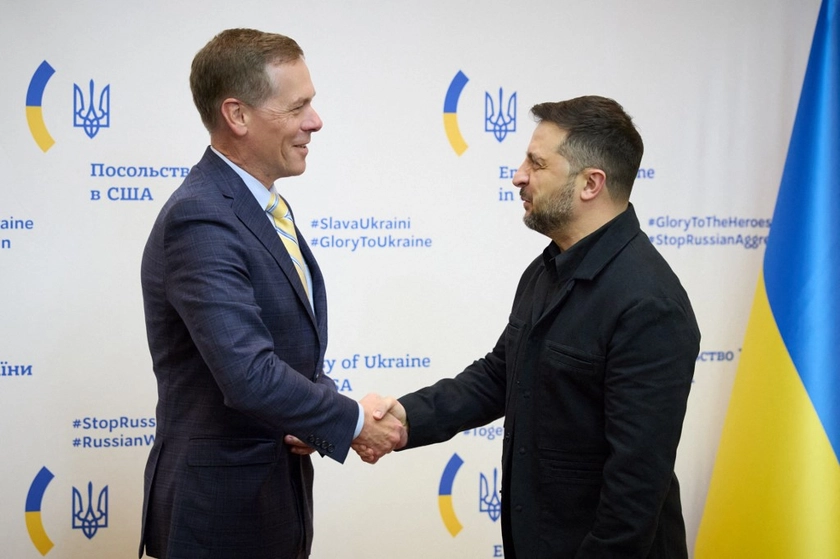
Ukrainian Foreign Minister Andrii Sybiha and his Polish counterpart Radosław Sikorski discussed Russia’s escalating attacks on civilian shipping in the Black Sea on Thursday, warning that the strikes threaten not only Ukraine but global food supplies.
Sybiha described the conversation with Poland’s deputy prime minister and foreign minister as productive, with the two officials focusing on Russia’s intensifying campaign against civilian vessels and Ukrainian port infrastructure.
JOIN US ON TELEGRAM
Follow our coverage of the war on the @Kyivpost_official.
“We discussed Russia’s intensified attacks on civilian vessels in the Black Sea and the implications of this terror for global food security,” Sybiha wrote on X.
The conversation comes as Russian attacks increasingly threaten Ukraine’s main maritime export route.
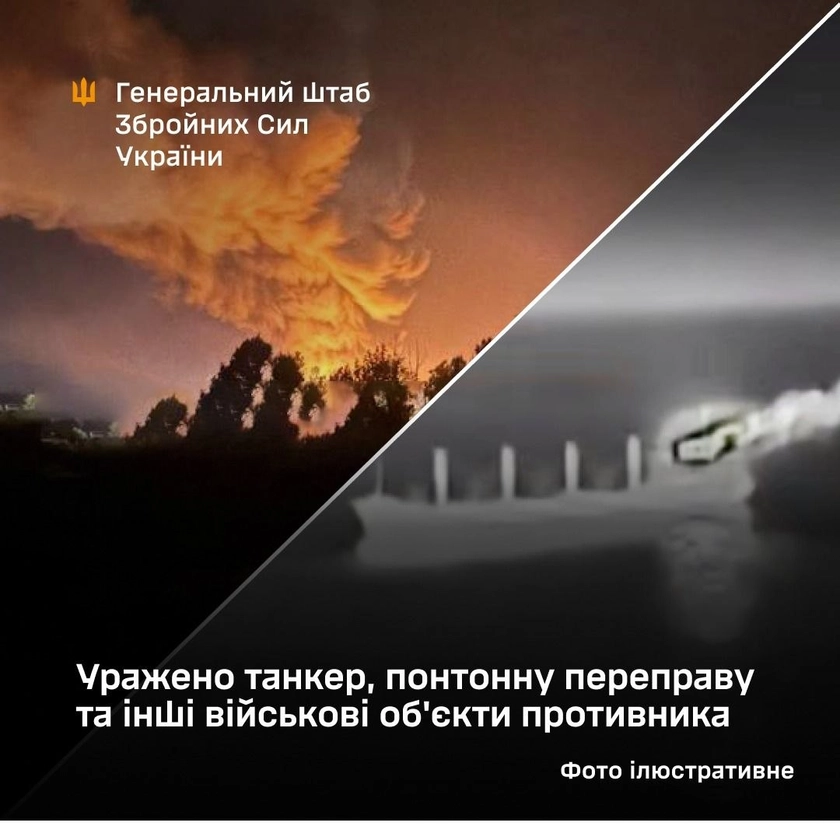
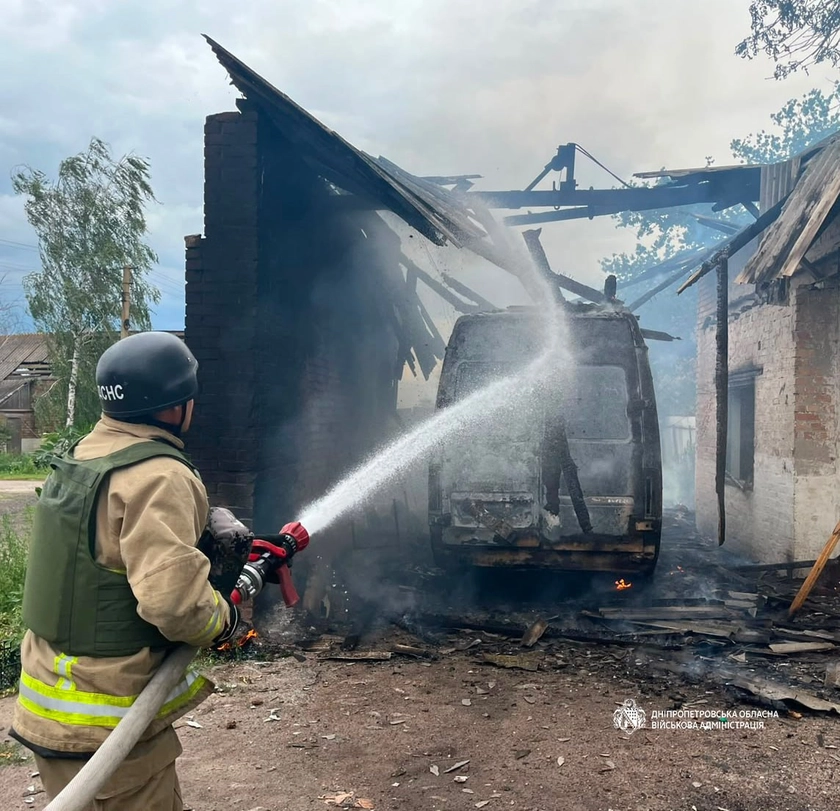
Between June 20 and July 20, Russian forces attacked 28 civilian vessels in the Black Sea, killing 21 people, according to regional prosecutors. Some shipowners have since halted calls at Ukrainian ports amid mounting security concerns, disrupting agricultural exports.
On July 20, a Russian missile strike hit the Guinea-Bissau-flagged Golden Leo, which was carrying corn near Odesa, killing 10 people.
A day later, a Liberian-flagged vessel sailing toward Ukraine was struck off the Romanian coast, further highlighting the growing risks to international commercial shipping in the region.
Russia acknowledged on Wednesday that its forces had struck ports and vessels in Odesa and Chornomorsk, claiming the targets were supporting Ukraine’s military.
Russia Strikes Zaporizhzhia with 5 Aerial Bombs, Wounding 18
EU sanctions and Ukraine’s membership bid
Sybiha and Sikorski also welcomed the European Union’s adoption of its long-awaited 21st sanctions package against Russia.
The measures, formally approved Thursday, target Russia’s energy, financial and cryptocurrency sectors and add 218 individuals and entities to the EU sanctions list – the bloc’s largest batch of individual listings in four years.
Sybiha described the package as a decision Ukraine had been waiting for and stressed the need to continue increasing economic pressure on Moscow.
The two foreign ministers also discussed Ukraine’s progress toward EU membership.
Sybiha thanked Poland for supporting the opening of negotiating Clusters 1 and 6.
Cluster 1, covering the fundamental reforms required for EU membership, was opened in June. Cluster 6, covering external relations as well as aspects of foreign, security and defense policy, followed on July 14.
More pressure on Moscow
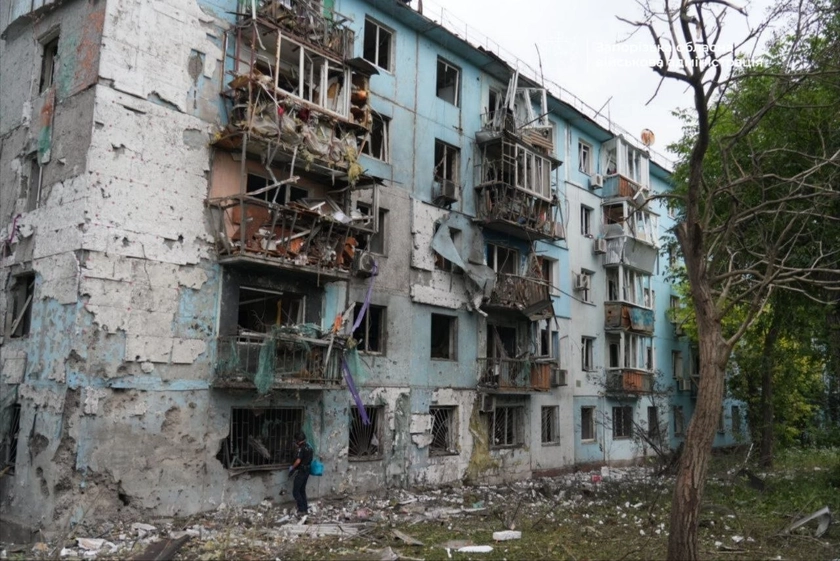
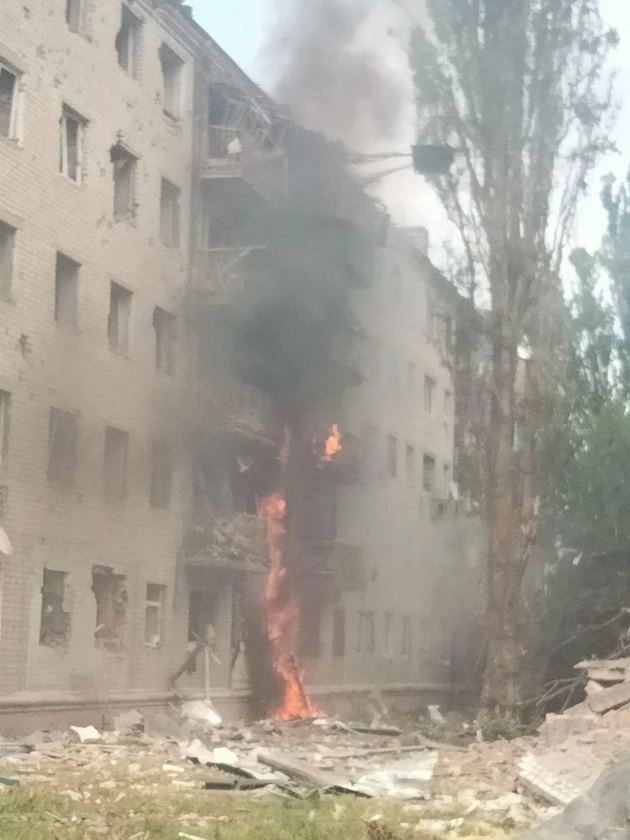
Sybiha also briefed Sikorski on Russia’s latest large-scale strikes against Kyiv and other Ukrainian cities, with the two ministers discussing the need for additional pressure on Moscow.
The Ukrainian foreign minister thanked Poland for its support since the first days of Russia’s full-scale invasion.
The call brought together several issues Kyiv has increasingly sought to link diplomatically – protecting Black Sea trade, tightening economic sanctions on Moscow, advancing Ukraine’s EU integration and maintaining Western pressure as Russia continues its attacks.
You can also highlight the text and press Ctrl + Enter