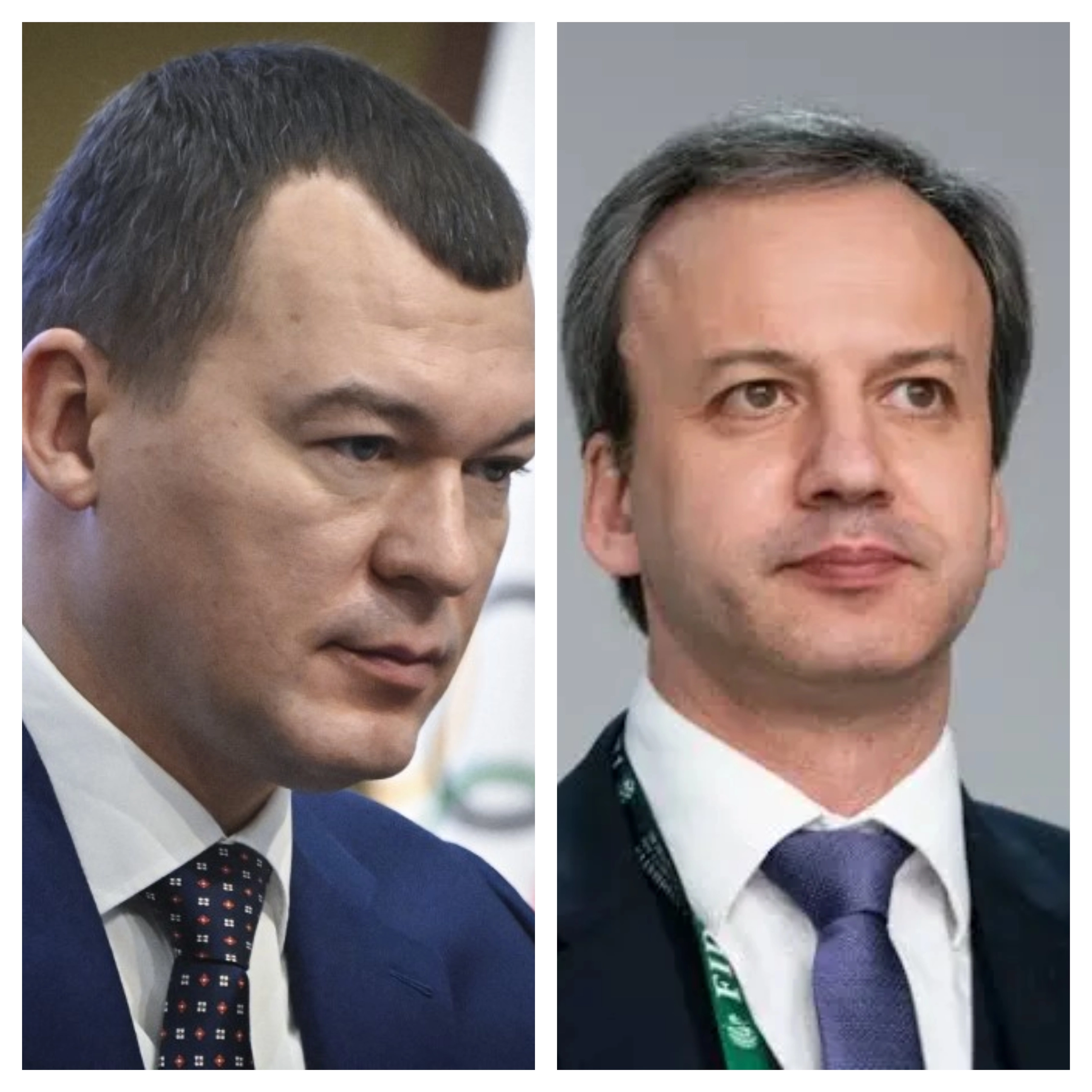
The European Union has added Russian Sports Minister Mikhail Degtyarev and International Chess Federation (FIDE) President Arkady Dvorkovich to its sanctions list as part of the bloc’s 21st package against Moscow.
Minister of Youth and Sports Matviy Bidnyi announced the decision on Thursday, July 23 in a Facebook post, calling it an important victory for Ukraine in international sports diplomacy.
JOIN US ON TELEGRAM
Follow our coverage of the war on the @Kyivpost_official.
“Both of them consistently use their positions to spread the narratives of the aggressor state and legitimize Russia in world sport,” Bidnyi wrote, adding that their “inclusion on the EU sanctions list confirms: Kremlin officials and their lobbyists have no place in the civilized sports community.”
He continued: “We keep working so that every Russian sports official who supports the aggression ends up under full international sanctions, and Russian athletes are not admitted to competitions in civilized countries.”
Zelensky: “Thank you, EU!”
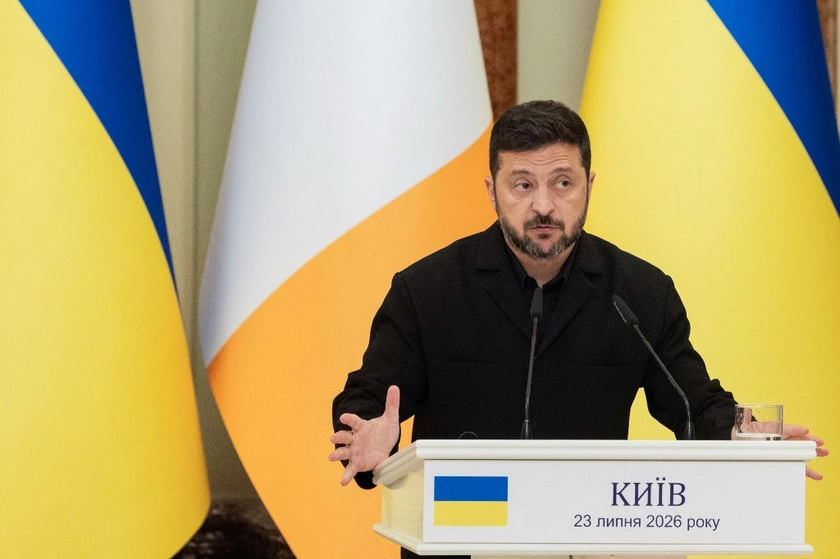
President Volodymyr Zelensky thanked the bloc and its European leaders for adopting the package, saying that pressure on Russia for the war “it started and refuses to stop” must continue.
The package contains direct steps aimed at slowing Russia’s war machine, including restrictions on energy supplies, financial services and crypto; trade measures (imports of metal, equipment, and for the first time ever – imports of fish and fish products, including a complete ban on cod), and a ban on former Russian combatants from entering the EU.
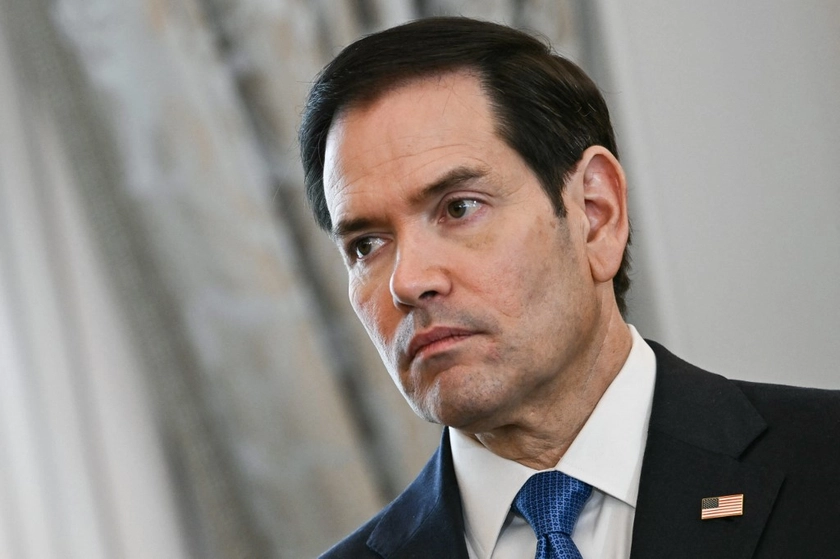
Rubio Says Russia Is Losing Over 5,000 Troops a Week in Ukraine
“Export controls are depriving Russia’s defense industry of critical technologies and components,” President of the European Commission Ursula Von der Leyen said in an official statement on June 9, days before the first EU accession cluster “Fundamentals” was opened for Ukraine and Moldova. “So our consistency with the sanctions packages is paying off,” she added.
Zelensky praised the EU for taking “Ukrainian proposals” into account, adding that “it is very important to preserve unity and continue this pressure” on Russia. According to him, Kyiv expects active work on the next, 22nd, package and further restrictions that “will certainly work for peace.”
Weeks of disputes before sealing the deal
After weeks of delays caused by disputes over measures affecting member states’ economic interests, EU ambassadors finally agreed on the package on Thursday.
According to an EU official cited by Radio Free Europe/Radio Liberty, the text is undergoing final technical checks, with the formal approval procedure expected to begin later the same day. Among the key measures, the bloc agreed to freeze the oil price cap at $44.10 per barrel for one year, preventing the ceiling from rising automatically alongside global oil prices.
However, since EU sanctions require unanimity among all 27 member states, several capitals forced Brussels to scale back parts of the package.
On July 9, the EU softened a proposed visa ban on Russian combatants after France and Italy objected. While the initial ban would have barred entry to anyone who has – in any way – served in the war against Ukraine – including administrative and logistics staff – the revised measure only applies to short-stay visas, and only for those who fought directly in Ukraine.
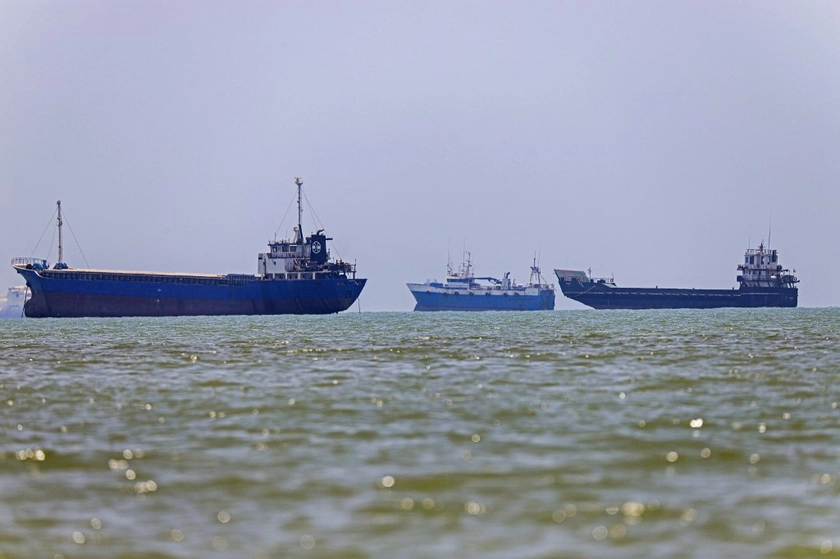
Greece opposed restrictions on companies transporting Russian goods, citing risks to its shipping sector, while Austria pushed back over measures affecting Raiffeisen Bank International.
Bulgaria vetoed EU’s sanctions on Russia’s Patriarch Kirill, forcing the bloc to drop the pro-war church leader from the list, along with Russian oil billionaire Vagit Alekperov. Italy joined Bulgaria in opposing sanctions on Kirill, citing concerns about sanctioning the leader of a Christian denomination.
Despite the compromises, Vladyslav Vlasiuk, Ukraine’s presidential commissioner for sanctions policy, said the package proves the EU “can reach compromises and continue increasing pressure on Russia.”
He confirmed work on the 22nd sanctions package is underway, with a separate measure targeted “particularly against those involved in the deportation of Ukrainian children and the organizers of sham elections in the occupied territories.”
You can also highlight the text and press Ctrl + Enter