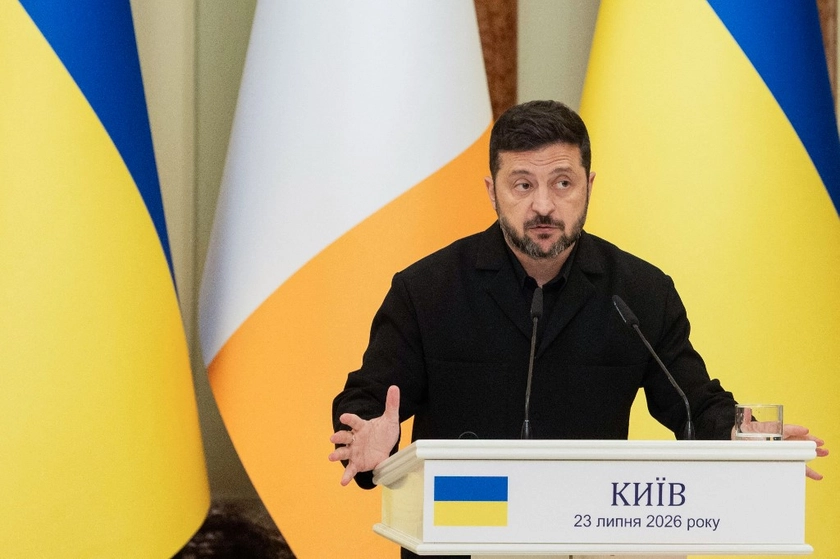
President Volodymyr Zelensky’s warning that Russia has prepared missiles for a possible massive attack on Ukraine within 48 hours comes at a particularly sensitive moment – just days before he is expected to meet US President Donald Trump in Washington amid renewed efforts to revive peace negotiations.
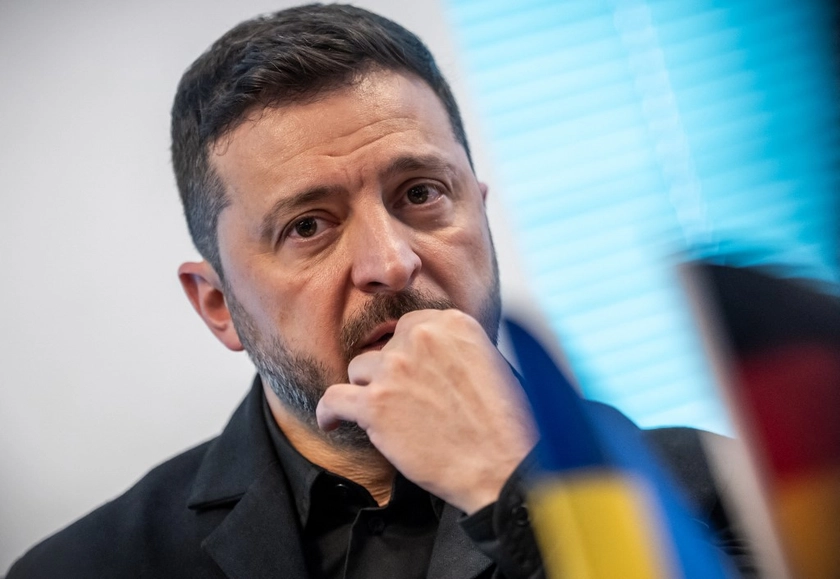
Zelensky warned Friday that Ukrainian intelligence and information from partners indicated Moscow had readied missiles for another large-scale attack.
JOIN US ON TELEGRAM
Follow our coverage of the war on the @Kyivpost_official.
“The strike could come today: preliminary information indicates it may happen within 48 hours,” Zelensky said, urging Ukrainians to pay close attention to air raid alerts.
Why the timing matters
A White House official confirmed that Trump and Zelensky are scheduled to meet in Washington on Tuesday, July 28, as US and Ukrainian officials discuss renewed proposals for ending Russia’s war, including a possible air ceasefire.
The meeting comes as Zelensky signals readiness to move quickly if a viable agreement emerges.
“Yes, I’m ready. I’ve always told President Trump that I’m ready to come to the US, to the Oval Office or to Mar-a-Lago. It depends on President Trump,” Zelensky told conservative US commentator and Trump ally Laura Loomer during an interview in Kyiv.
Zelensky also spoke this week with Trump envoys Steve Witkoff and Jared Kushner about intensifying diplomacy with Moscow.
Showing strength before negotiations
Moscow intensifying military pressure as major diplomatic meetings approach is not new.

Russian Hackers Used Ukraine as Test Ground Before Targeting US Nuclear Scientists
Analysts have previously described Moscow’s massed missile and drone strikes as a form of coercive pressure – demonstrating its ability to inflict damage while negotiations are underway and attempting to strengthen its position before political decisions are made.
In February, just hours before US-backed negotiations involving Ukraine and Russia were due to begin in Geneva, Moscow launched nearly 400 drones and 29 missiles against Ukraine.
The attack struck energy infrastructure across 12 regions, killed three energy workers and left tens of thousands without electricity or heating.
Zelensky described that barrage at the time as deliberately calculated to cause maximum damage to Ukraine’s energy system.
The same dynamic was visible before the August 2025 Trump-Putin summit in Alaska.
Days before the meeting, Russian forces launched a sudden push near Dobropillia in Donetsk region. The advance appeared aimed at increasing pressure on Kyiv as Trump and Putin prepared to discuss the future of the war.
Zelensky explicitly described the move as an attempt by Moscow to shape perceptions before the summit by creating an image that Russia was advancing while Ukraine was losing.
During the June 2025 G7 summit in Canada, Moscow launched one of its largest bombardments of Kyiv up to that point, hitting residential areas with hundreds of missiles and drones.
The objective is not necessarily to achieve an immediate military breakthrough.
Large missile barrages can also project an image of Russian strength at precisely the moment foreign governments are debating Ukraine’s position, weapons supplies or possible peace terms.
That approach was particularly evident before the Alaska summit, when Zelensky accused Moscow of trying to create a narrative that “Russia is moving forward and Ukraine is losing.”
The battlefield reality has shifted since then
Ukraine has significantly expanded its long-range campaign against targets deep inside Russia, including energy, logistics and military infrastructure. Kyiv’s growing drone campaign this week is increasingly disrupting Russian logistics and economic activity, while Washington and Kyiv are again exploring ways to translate military pressure into diplomatic leverage.
Russia continues to publicly insist that it is prepared for negotiations while simultaneously saying its military campaign will continue until Moscow achieves an acceptable outcome.
On Friday, Kremlin spokesman Dmitry Peskov said Russia would wait for new peace proposals from Trump while continuing military operations.
US Secretary of State Marco Rubio, who met Russian Foreign Minister Sergei Lavrov in Manila this week, said Washington remains prepared to help negotiate an end to the war but acknowledged that the central challenge remains finding terms that both Ukraine and Russia can accept.
Civilians remain exposed
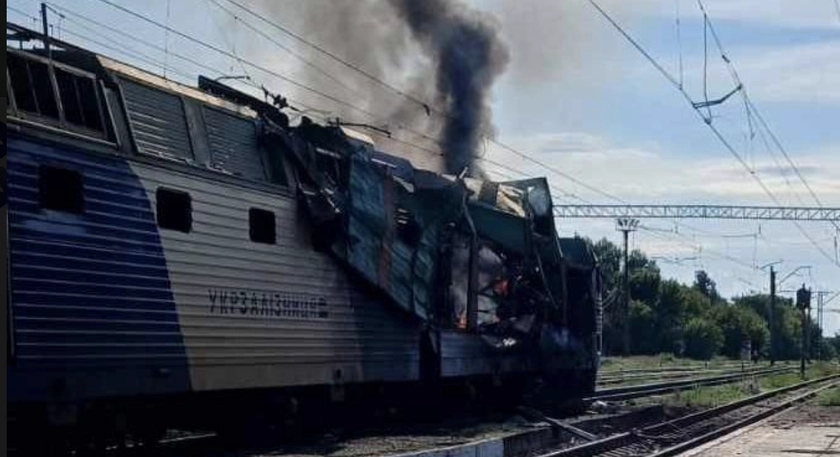
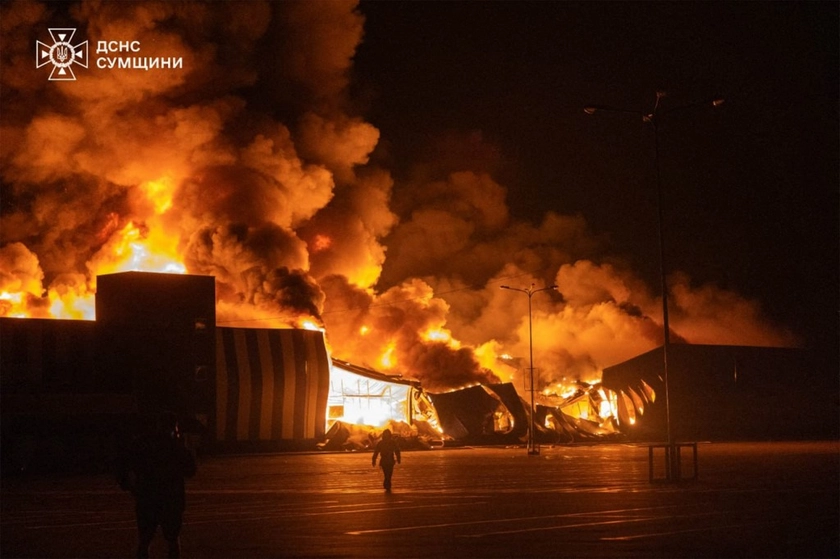
Whatever Moscow’s political calculations, Russia’s intensified air campaign continues to exact a growing civilian toll.
The UN reported this week that 1,396 civilians were killed and 7,978 injured in Ukraine during the first half of 2026 – a 37% increase from the same period last year and almost twice the casualty level recorded in the first half of 2024.
Only five days before Zelensky’s latest warning, Russia launched one of the largest ballistic attacks on Kyiv of the war, firing 41 missiles as part of a broader aerial assault. Residential buildings and other civilian sites were damaged.
On Friday, another Russian missile strike hit the Kyiv region, killing 10 people at a defense industry event and injuring scores more. Ukrainian prosecutors have opened investigations both into the Russian attack and into how the gathering was organized.
As diplomatic efforts intensify ahead of Tuesday’s talks, Ukrainians are bracing for yet another weekend of relentless Russian missile and drone attacks. As Moscow fails to achieve a breakthrough on the front lines, it continues to use terror against innocent civilians – striking them in their homes and bedrooms.
You can also highlight the text and press Ctrl + Enter