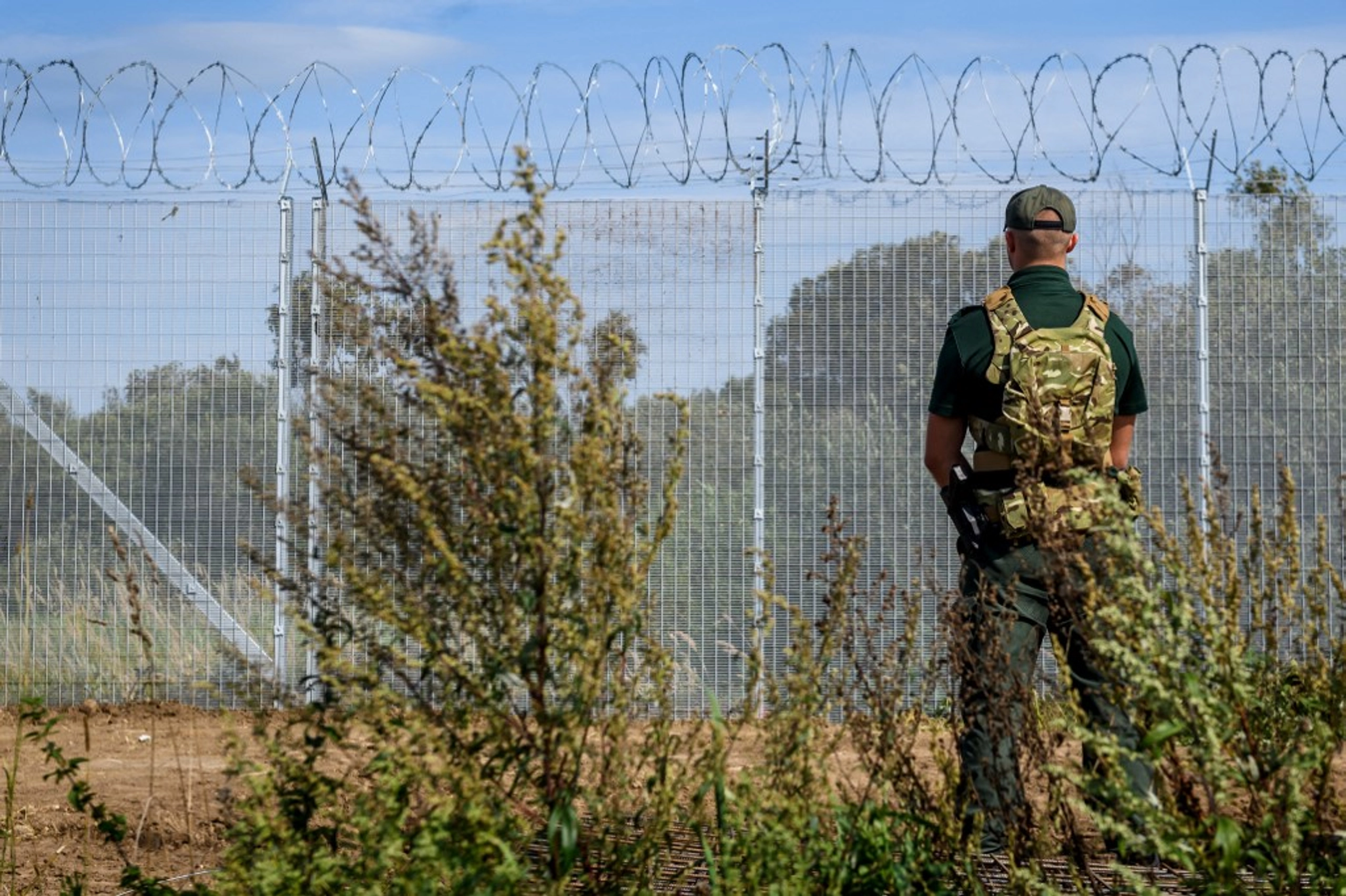
Hybrid operations have become a regular feature across NATO’s eastern flank. Western intelligence agencies warn that Russia and Belarus are not merely continuing such activities – they are intensifying them and steadily pushing them closer to the threshold of open warfare. That is precisely why it is becoming increasingly important to call things by their proper names.
The spectrum of activities commonly described as “hybrid” is remarkably broad, ranging from seemingly harmless incidents to actions that pose a direct threat to human life.
JOIN US ON TELEGRAM
Follow our coverage of the war on the @Kyivpost_official.
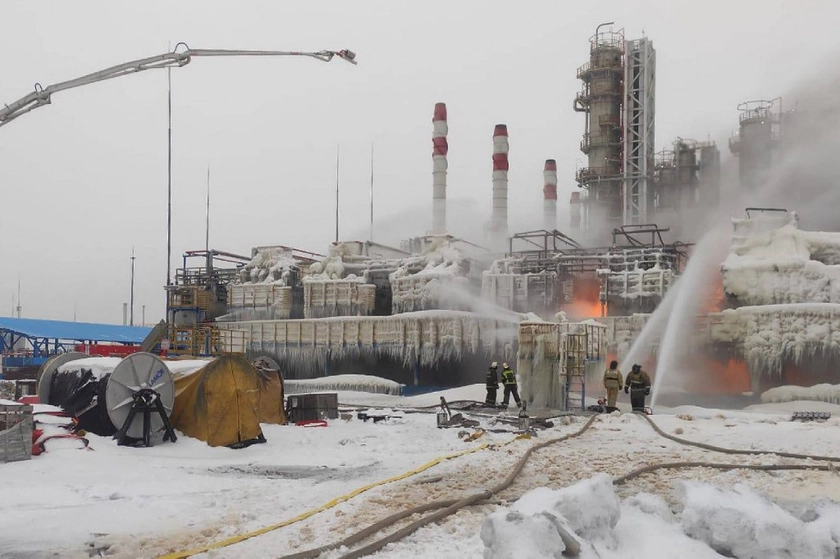
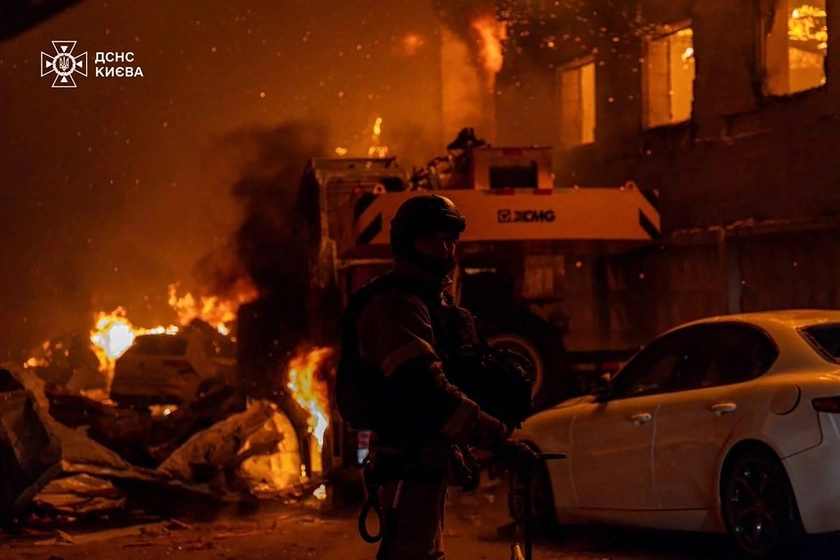
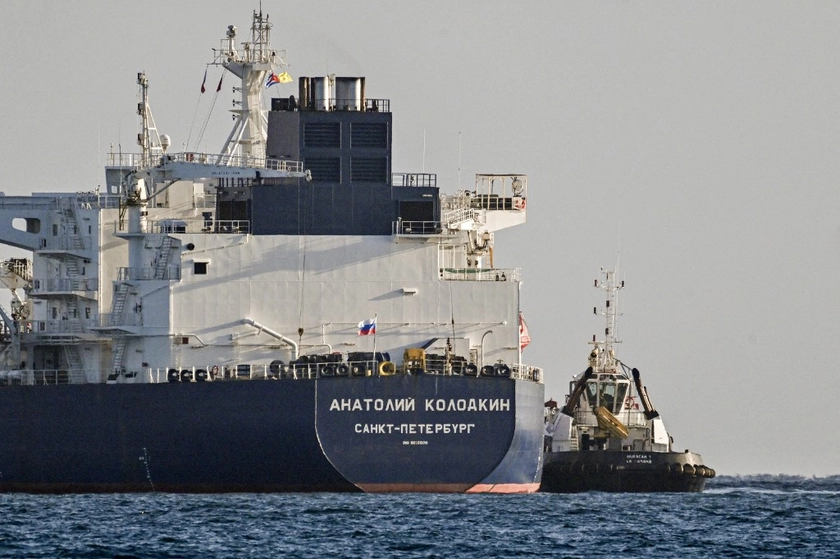
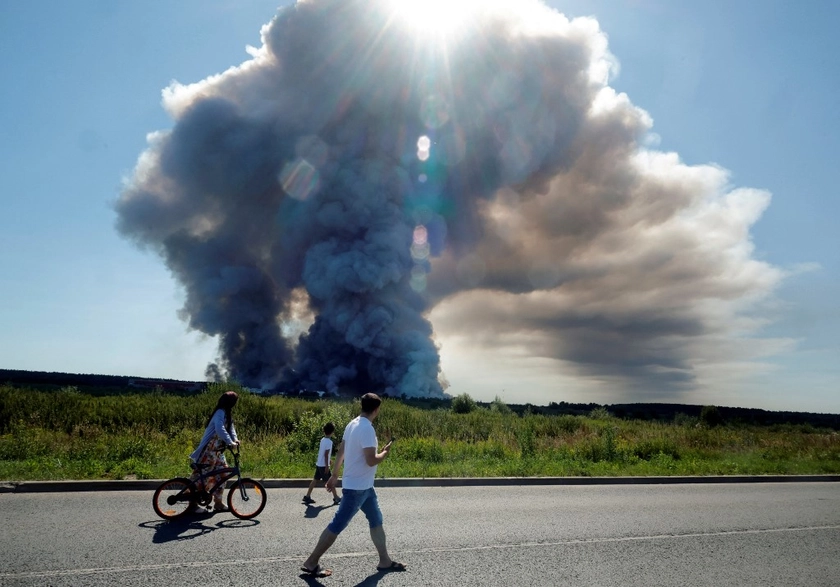
Examples include: military aircraft flying over the Baltic Sea with their transponders switched off, intercepted by NATO fighters; warehouse fires; railway sabotage; explosive devices hidden in cargo shipments; migration pressure orchestrated on the Belarusian border; GPS jamming; the presence of Russia’s so-called shadow fleet – or, more accurately, a fleet of rusting vessels – in the Baltic; cognitive operations aimed at weakening public support for Ukraine; provocations and politically motivated graffiti.
For years, Russia has sought to expand this spectrum of supposedly “hybrid” activities. But where does it end?
The growing frequency and intensity of these operations have made them disturbingly familiar. Increasingly dangerous incidents are becoming part of everyday reality, dulling public sensitivity to escalation.
A Test of Endurance
As Russia gradually shifts the boundaries of acceptable behavior, our terminology must become more precise. Today, the label “hybrid warfare” is used to describe everything from illegal graffiti to attacks that endanger lives and inflict massive economic damage.
What is the objective – and where is the red line?
Russia pursues several strategic goals through activities that remain below the threshold of conventional war. These include instilling fear and war fatigue in Western societies; forcing governments to increase security spending at the expense of other priorities – including military and financial support for Ukraine; fueling hostility toward Ukraine (it is not uncommon for Ukrainian citizens to be recruited by Russian intelligence services); and ultimately achieving political objectives through means other than open military confrontation.
The Kremlin understands that the West enjoys overwhelming advantages in technology, wealth, demographics, and conventional military power. Rather than confronting those strengths directly, Russia exploits areas where it can compete effectively – and often at remarkably low cost.
NATO is fundamentally a defensive alliance, and Western governments will go to great lengths to avoid a direct military conflict with Russia. This allows the Kremlin to probe and gradually shift red lines, typically facing political responses such as the expulsion of Russian diplomats or additional sanctions. Could NATO respond militarily? Certainly – but only after a major loss of life. Everything short of that is generally treated as hostile activity rather than an act of war.
Words and definitions matter
What we describe as hybrid operations share several defining characteristics. They often occupy legal gray zones, making attribution difficult. Identifying who ultimately ordered a particular operation is frequently impossible.
When contraband crosses from Belarus into Lithuania, is it merely the work of criminal networks, or are Belarusian state authorities and intelligence services orchestrating it?
If armed, Russian-speaking “little green men” appear in regions inhabited by Russian minorities, the incident can likewise be portrayed as a local initiative rather than a state-directed operation – as the world witnessed in Ukraine in 2014.
These ambiguities make precise language essential.
Otherwise, the term “hybrid warfare” risks becoming little more than a mechanism for boiling the frog: normalizing increasingly aggressive actions because they all fit under one vague label.
Even if many of these operations currently generate more fear than physical destruction, they shape public perceptions and gradually redefine what is considered acceptable. This question will become even more important once the war in Ukraine is eventually frozen.
Western governments will likely seek to avoid renewed escalation and another large-scale conflict – potentially at Ukraine’s expense. Will that also mean tolerating even more Russian aggression? Few serious observers believe Russia will suddenly abandon its revisionist ambitions and become a peaceful neighbor. The Kremlin will continue testing how far it can go.
So far, with only a handful of exceptions, the West’s responses have remained overwhelmingly political. It is therefore essential that the West establish clear limits – not only for Russia but also for itself.
That begins with using the right words.
If an operation is, in reality, a terrorist act commissioned by the intelligence services of a hostile state, it should be described as such. The catch-all label of “hybrid warfare” can accommodate virtually anything – and in doing so, it enables the steady expansion of Russia’s red lines.
The views expressed in this opinion article are the author’s and not necessarily those of Kyiv Post.
You can also highlight the text and press Ctrl + Enter