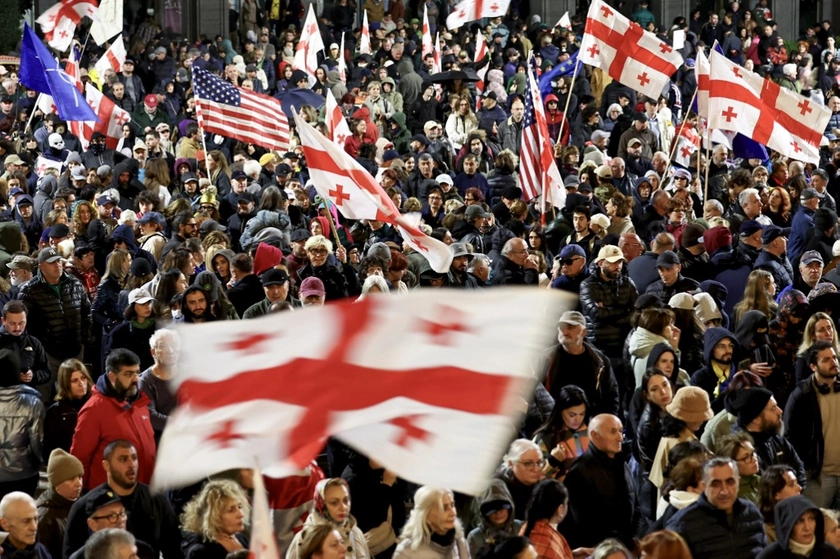
Democracy in Georgia faces new challenges as the ruling Georgian Dream party has filed a constitutional case seeking to declare three opposition parties unconstitutional.
The parties targeted are the United National Movement, Lelo – Strong Georgia, and the Coalition for Change.
JOIN US ON TELEGRAM
Follow our coverage of the war on the @Kyivpost_official.
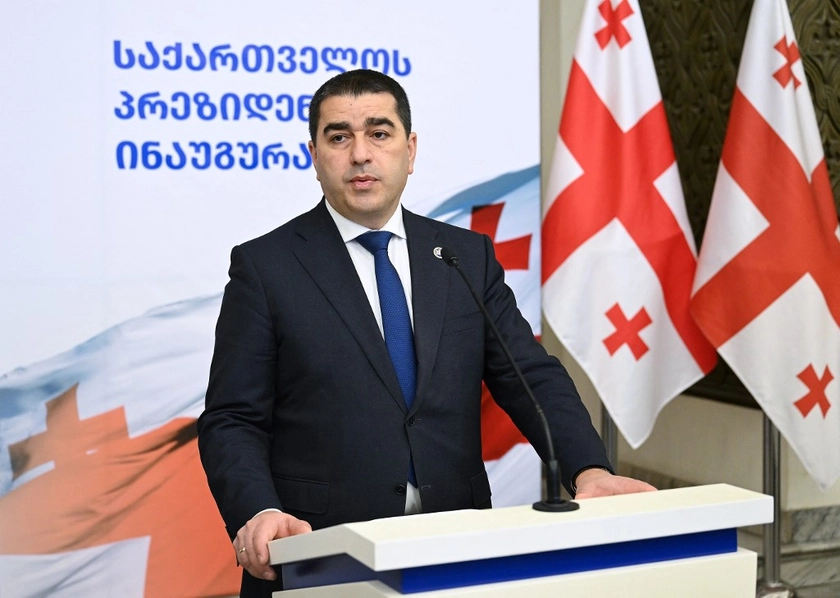
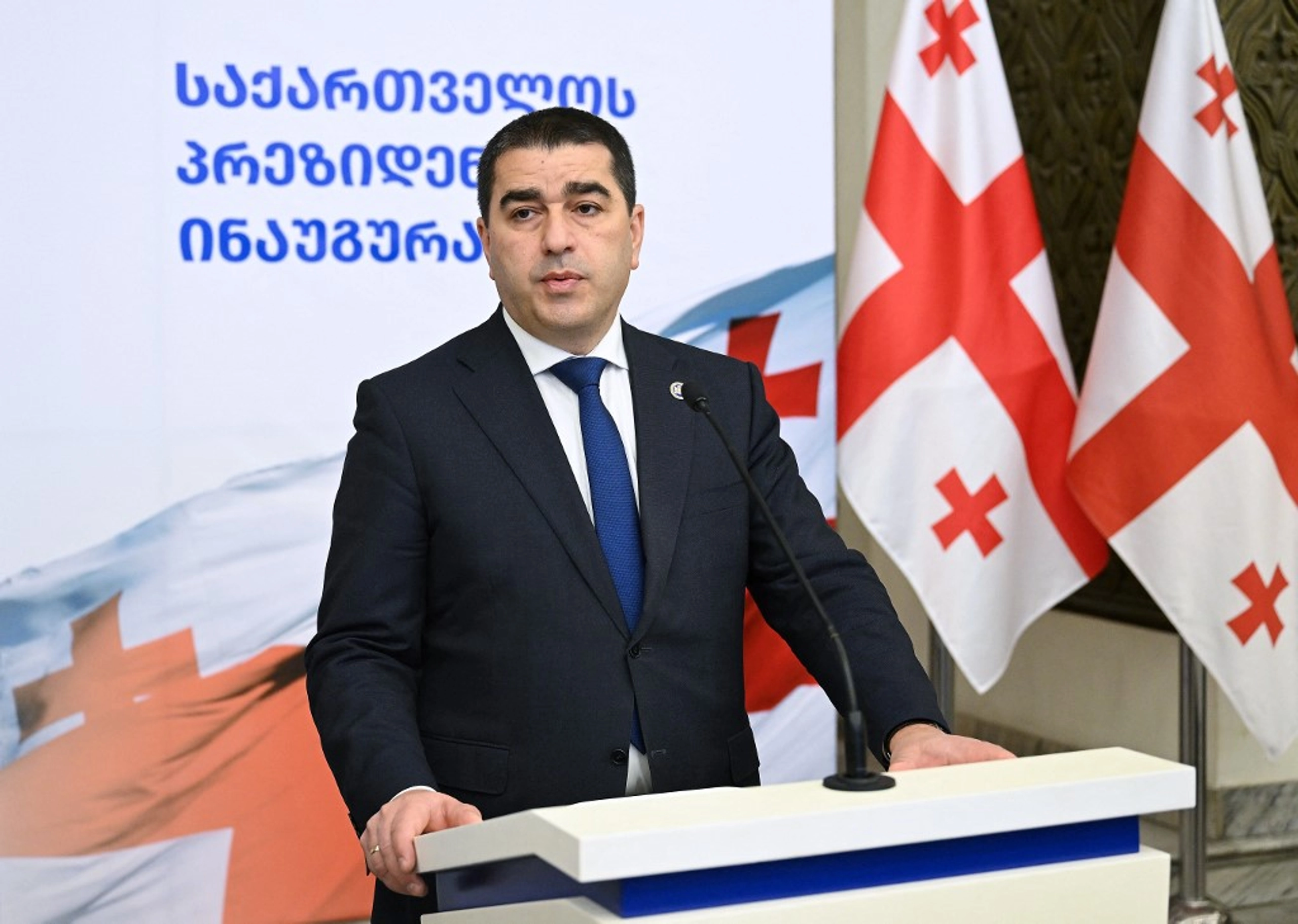
On Oct 28. Shalva Papuashvili, leader of Georgian Dream and the controversial Speaker of Parliament, announced the move. According to the Central Election Commission, four parties passed the threshold in the 2024 parliamentary elections, but Georgian Dream is only refraining from filing against “For Georgia” (Ex PM Gakharia’s party), which began parliamentary work exactly on Oct 28 in the disputed parliament after a yearlong boycott.
Papuashvili claimed the case is backed by evidence that the opposition parties continuously reject the legitimacy of the current government and ruling party, both domestically and internationally.
“These parties acknowledge that one of the sides between them and the ruling party must inevitably be declared unconstitutional,” he said.
Analysts warn that this step could further consolidate the ruling party’s dominance and limit the opposition’s activity, raising concerns about the erosion of democratic institutions in Georgia.
“Evidence shows that the relevant political parties continuously reject the legitimacy of Georgia’s current government and the ruling party, both in domestic and foreign policy, and thus its constitutional authority. By doing so, these parties acknowledge that one of the sides between them and the ruling party must inevitably be declared unconstitutional. Our case presents evidence that these political parties are driven by unconstitutional goals,” Papuashvili said.

President of Georgia on Protests, Security in the Black Sea Region, and the Country’s Prospects
Georgia’s political future at a critical stage
Georgia’s political future stands at a critical crossroads.
The constitutional court’s decision will be closely watched by both domestic and international audiences. Political analysts note that the case sets a precedent for how the judiciary may be used in politically sensitive disputes and may influence future electoral processes and party competition.
The coming weeks will be critical in determining whether Georgia can uphold democratic norms, protect political pluralism, and maintain a fair parliamentary system, or whether these developments will consolidate ruling-party dominance at the expense of opposition rights and institutional integrity.
You can also highlight the text and press Ctrl + Enter