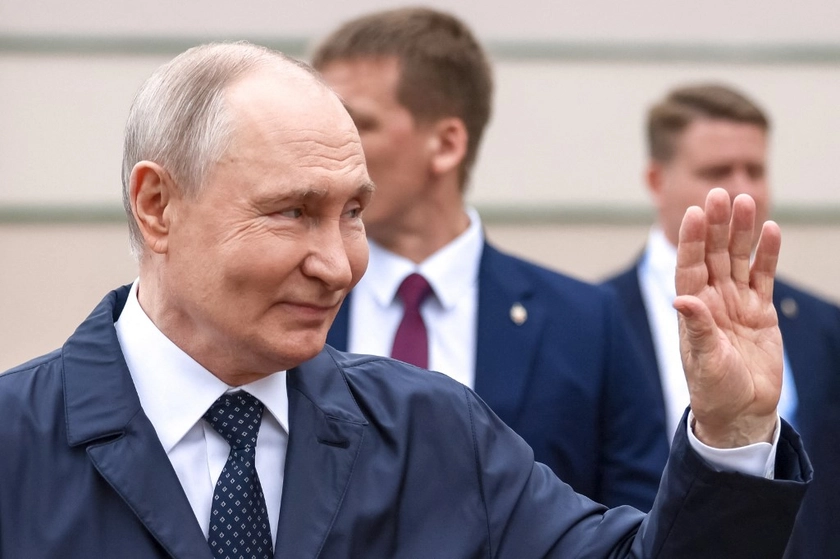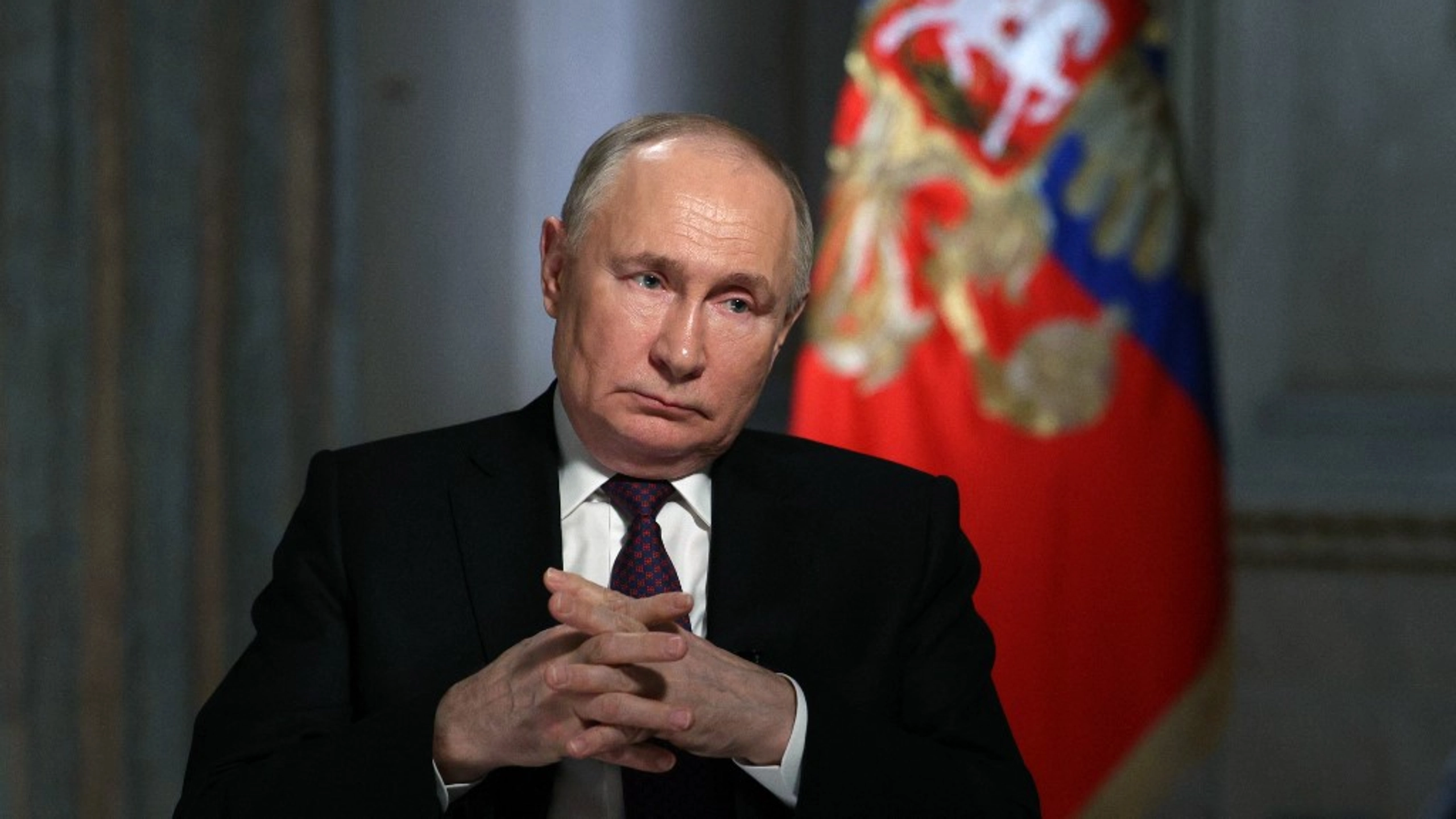
On March 11, 2025, Ukraine agreed to accept a US proposal for an immediate 30-day ceasefire and to take steps toward restoring a durable peace after Russia’s invasion, but Vladimir Putin refused to do the same, and continues to escalate the ongoing war while engaging in delay tactics.
Since White House-led peace talks started in February, the Kremlin has carried out some of the most lethal attacks of the nearly 1,200 day conflict targeting Ukrainian civilians.
JOIN US ON TELEGRAM
Follow our coverage of the war on the @Kyivpost_official.
This includes a ballistic missile strike on a children’s playground in President Volodymyr Zelensky’s home town of Kryvyi Rih that killed 18 people, nine of whom were children. On Palm Sunday, Russia initiated a targeted bombing on Sumy’s city center as Ukrainians were going to church, resulting in 35 dead.
Some of these strikes have been reported in the media, but others did not make headlines. People residing in front line major Ukrainian cities like Kharkiv and Kherson face daily Russian bombings and even artillery shelling. Millions of Ukrainians are forced to seek shelter at night as Russia launches non-stop waves of targeted missiles and drones throughout the country.
As Russia ramps up its air offensive against Ukraine’s civilian population, the death toll rises. The United Nations has reported that the number of Ukrainian casualties has spiked significantly in recent months. In April, some 850 civilians were killed or wounded, amounting to a 46 percent increase over the same period a year ago.
Putin Expands His Protective Service For Fourth Time Since Invading Ukraine
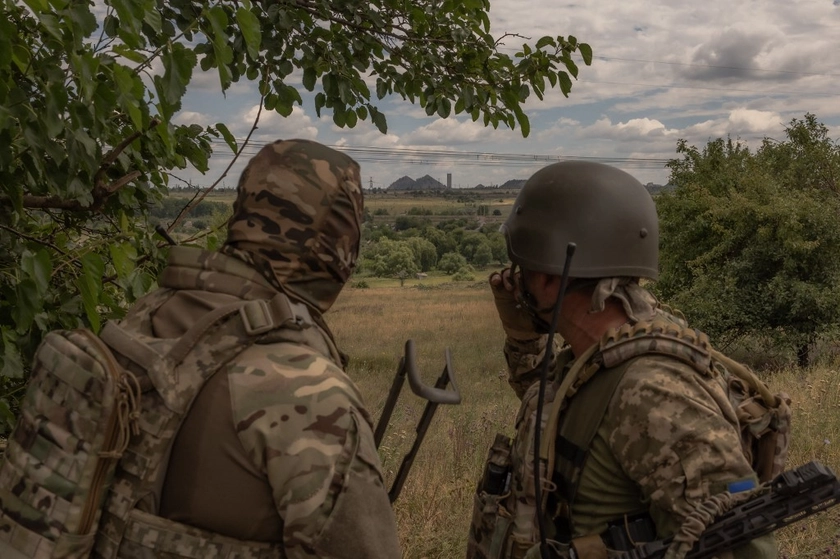
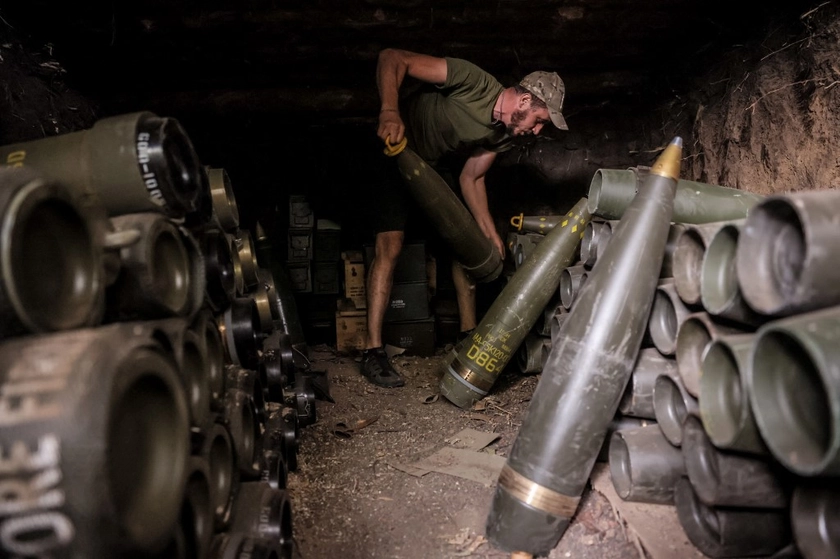
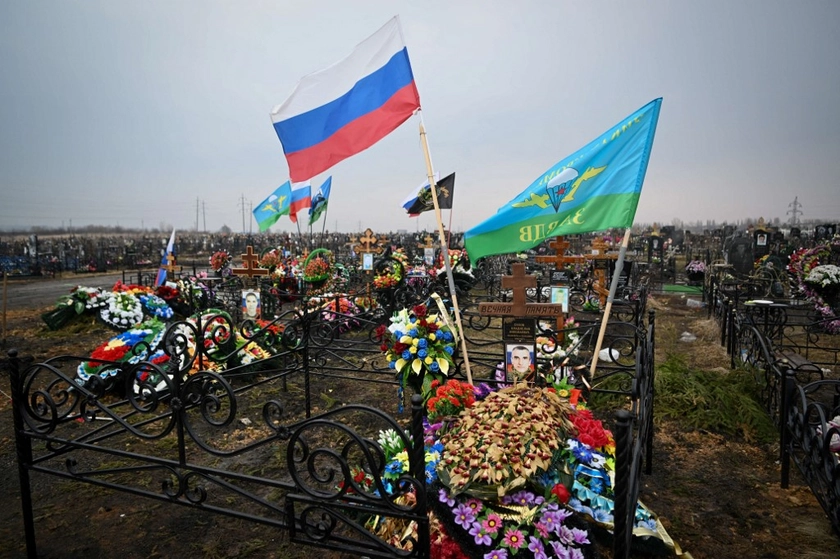
Russia has also escalated its offensive operations on the battlefield as Putin’s military attempts to break down Ukraine’s resistance, reach a breakthrough and gain an advantage on the front. This, however, has also led to mounting losses for the Russian side, with the UK Ministry of Defence reporting that in the first four months of 2025, Russia suffered about 160,000 casualties. If this rate of attrition continues, this is predicted to be the costliest year of the war for Putin’s “special military operation” in Ukraine.
In spite of overwhelming proof of Putin’s intention to keep escalating the war, the White House has stuck to pursuing a concept of peace through compromise.
Since initiating talks, the Trump administration has generously offered Russia an assortment of concessions while lobbying Ukraine to go back on important issues like the country’s NATO aspirations.
One US peace proposal stipulated that Trump might even be ready to formally recognize Putin’s illegal 2014 annexation of Ukraine’s Crimean Peninsula.
The attitude of Washington’s diplomacy has radically shifted since Trump’s return to the White House with Trump regime officials desperately avoiding all undeviating excoriation of Russia.
In keeping with his new approach, Trump has backed Moscow on several occasions, voting against United Nations resolutions condemning Russia. The White House has also retreated from international efforts to hold Putin answerable for war crimes committed in Ukraine by de-funding one prime program and withdrawing from another.
The Trump administration’s placatory approach toward Russia does not seem to be working.
Putin’s responses have offered zero concessions – his responses to the new administration’s initiatives for peace have been to stand his ground and even double the stakes on his extremist war goals. The Kremlin’s autocratic leader stands firm on wishing for international recognition for Russian occupied Ukrainian territory, and insists that any peace treaty must result in Ukraine being disarmed and internationally segregated.
It should come as no surprise that the peace process has not progressed in recent months. Events of the last two decades vividly show that weakness is very likely to motivate and provoke Putin.
In 2008 the West opted not to punish Russia for invading Georgia, leading to his 2014 invasion of Crimea and eastern Ukraine.
The disappointing Western reaction to Putin’s first attack on Ukrainian independence facilitated the full-scale invasion of Ukraine in February 2022.
Moscow’s sense of immunity is now a critical factor igniting the biggest European conflict since World War II.
While Putin has demonstrated he will get involved in diplomatic exercises, his ambiguous behavior in the last few months completely substantiates that he has zero interest in a peaceful compromise. On the contrary, he is highly confident that he can outlast the West in Ukraine and meet his objectives.
Russia’s invasion of Ukraine is a milestone event in world history that is destined to have international security ramifications for many future decades. If Western allies allow Putin to continue bombing civilians and destroying the foundations of international law without any repercussions, a cruel new world order would emerge, defined by the standard that the powerful rule.
Authoritarian leaders in China, Iran and North Korea would join Putin to dominate the global stage, prepared to revise the rules to fit their expansionist plans. No country in the world would be safe.
Today, it is the Ukrainian people unmercifully paying the price for the Western world’s unwillingness to oppose Russia.
If Putin’s aggression is not halted in Ukraine, citizens in many other countries will end up sharing the cost of this failure to act.
The views expressed in this opinion article are the author’s and not necessarily those of Kyiv Post.
You can also highlight the text and press Ctrl + Enter