What is Putin’s goal with such actions? What is his calculation behind them?
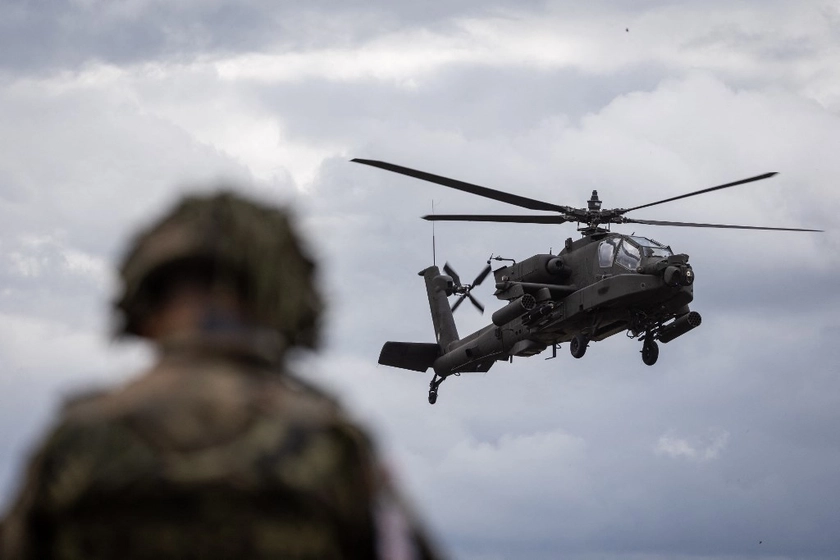
These actions fulfill various functions for Moscow. They serve reconnaissance and diversionary purposes, are test runs, and are intended to sow discord within NATO. Since NATO’s response is ambiguous, these provocations cast doubt on the seriousness of the alliance’s mutual aid promise. Ideally, such actions should lead to the erosion or even collapse of the Western defense coalition.
Moscow has had this aim since NATO was formed in 1949. With the new team in the White House, this goal now seems within reach. There are doubts in the US itself, in Europe, and in Russia about whether Washington, under the slogan “America First,” still stands by the East-Central European NATO countries. The border violations rub salt into this open wound of the North Atlantic Alliance.
How can NATO counter this? And why should it?
Little can be expected from Washington at present. However, there should be both a defensive reaction and offensive countermeasures in response to Russian provocations. First, it would be necessary for the Western European NATO countries to show complete solidarity with their Eastern European partners in word and deed. If Poland, Romania, and Estonia decide to defend their airspace against Russian drones and aircraft more resolutely than before, this could and should primarily be done by West European fighter jets. This would make it clear to Moscow that any provocation against an East-Central European country would immediately bring the entire European part of NATO into play. If there is a war, it would not be a Russian-Polish war but a Russian-European one.
Ukraine Says Strikes on Russia’s Shadow Fleet Are Legal
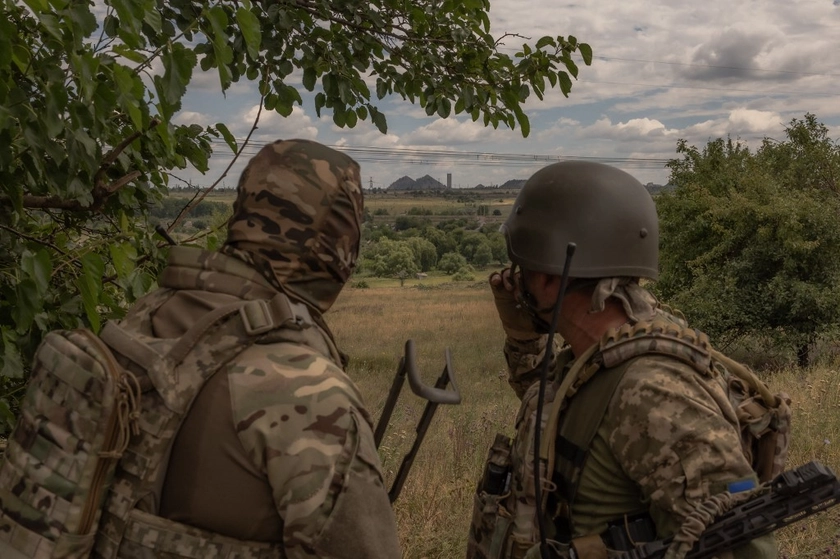
Secondly, there must also be not only a reactive, but also an active and direct response to these provocations. This cannot be a fully congruent action, such as Western drones and aircraft flying into Russian airspace. However, the West can respond directly to the Russian challenge by, for instance, ad hoc increasing technical and financial support for the Ukrainian army. Then Russia would feel the consequences of its actions.
If Moscow’s provocations remain without such immediate and tangible countermeasures, it is to be expected that the Kremlin will not only continue to violate NATO airspace, but further escalate its actions vis-à-vis the alliance. It will mean more numerous and aggressive drones, more dangerous aircraft operations, new border violations, etc. The lesson from both Russia’s war in Ukraine since 2014 and its military interventions elsewhere is that Western restraint is interpreted as timidity, disunity, fearfulness, and indecision. The absence of tangible punishment for regressive behavior encourages Russia and thus promotes escalation.
The Cold War in Europe until 1989 remained cold, not because the West was cautious and Germany was peaceful, but because NATO stood united and resolutely confronted Moscow, responding to every provocation with an adequate counteraction. This made it clear to the Kremlin that escalatory behavior could be costly.
At present, the Russian leadership is gaining the impression that it has been given carte blanche in East-Central Europe by the US. Further and greater Russian provocations are therefore foreseeable.
The views expressed in this opinion article are the author’s and not necessarily those of Kyiv Post.
You can also highlight the text and press Ctrl + Enter