The word for the week is echt Deutsch (Pure German): Paukenschlag.
If you read military history, you probably know Paukenschlag (Drumbeat) means tanker ships, lots of them, set afire time after time, because the country operating the tankers thought his maritime fuel lines were safe, but that guess turned to be epically wrong.
JOIN US ON TELEGRAM
Follow our coverage of the war on the @Kyivpost_official.
This week Ukraine wrote several new pages in naval military history around the Kerch Strait, and punctuated it with domestically developed drones and Russian shadow tankers afire and adrift at sea.
But as always the first focus is the front lines.
The fighting front
The picture is still generally static, but there is accumulating evidence of more Ukrainian offensive activity, and less Russian offensive activity.
Northeast Lyman sector: More reports of small Ukrainian gains in direction of the Zherebets River. Russian milbloggers are beginning to complain the Armed Forces of Ukraine (AFU) intends to cut off a chunk of the Russian army, the same way the Russians are trying to lop off Kostyantynivka from Ukrainian control. On Friday the latest announced re-captured village was Lypove. See bottom of this section on how that may have happened.
Eastern Kostyantynivka sector: Limited Russian attacks, emphatic Ukrainian reports they are still in the city and still holding positions. On Friday Vladimir Putin and his top general, Valery Gerasimov, claimed the city was conquered by Russia, an easily contradictable lie. Over the first part of the week the contradictions surfaced, here is a run-down on that:
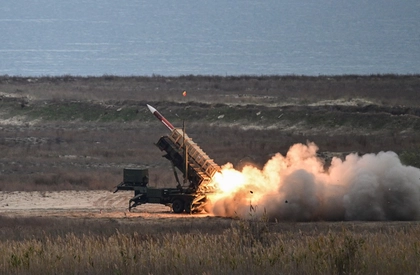
EXPLAINER: 5 Things to Know About Ukraine and Patriot Missiles
Southern Zaporizhzhia region: Small gains reported, but there were more and more reports the Ukrainians have bigger plans for this sector than just to hold it and destroy Russian soldiers and military units. Among those reports was an alleged capture of Russian POWs at Mala Tokmachka by elements of 123rd Territorial Defense Brigade. The unconfirmed report is the Russians wanted to give up because they ran out of water.
The most credible was a July 5 press engagement with the now quite talkative commander of the 1st Assault Regiment, Dmytro Perun, who in yet another interview pointed out that Zaporizhzhia and Crimea are “the most promising” areas for future Ukrainian offensive operations, because it’s here that Ukraine’s technical edge – meaning relative small forces of well-trained infantry backed by big masses of tactical drones – can get leverage over Russian defenses.
Perun didn’t say it, but anyone who’s been to the Tavria steppe knows drones are really effective in that region, because the weather is reliably good and the steppe doesn’t offer a lot of places to hide. My read is Perun is not a commander to think up strategy on his own and I assume he’s repeating thinking from higher up, meaning Syrsky and his staff.
If and when the Ukrainians launch a major offensive, it will be in the Tavria steppe with the objective of reaching and cutting off the Perekop land bridge. This is not new Ukrainian operational thinking, of course, but talking about it as a possibility is, and we haven’t heard anything like that since June 2023.
Is it just the 1st Assault Brigade? Again, this is tea leaves, but no, probably the ambition is bigger. The research group Tochnyi this week put out an analysis confirming what some information platforms had been sitting on for a month or more: to wit, the Ukrainians starting concentrating solid fighting outfits on the Ternuvate-Velykomykhailivka-Velyka Novosilka axis in May (79th, 80th and 95th Air Assault Brigades), and now that forces has been beefed up with the 82nd Air Assault and 92nd Mechanized Brigades, and at the spear tip is one or two battalions of 425th Assault Infantry Regiment.
People not paying to attention to the Russo-Ukrainian War probably would say who cares what units the Ukrainians have deployed. But to people paying attention, it’s pretty obvious this is a rare-for-the-AFU concentration of several of the regular army’s most capable units, in a fairly small area. The Tochnyi report predicted the Ukrainian concept is to wear out the relatively light Russian forces in the area and at some point in the future shift to the offensive.
At minimum, this is confirmation of the AFU top leadership concentrating force in Zaporizhzhia region. As to maximum, the Tochnyi report speculated that the Ukrainian plan is the systematic destruction of Russian fighting capacity on the line and behind the line with air strikes (in the Ukrainian case with drones) as a prelude to a ground offensive that would overwhelm weakened resistance, similar to the Allies in France in 1944. Which seems possible, but not immediate.
Based on the way the Ukrainian national government is talking (Russia better start negotiating soon or things will get worse for Russia in a couple of months), the Tochnyi theory makes sense.
More on Ukrainian infantry assault tactics
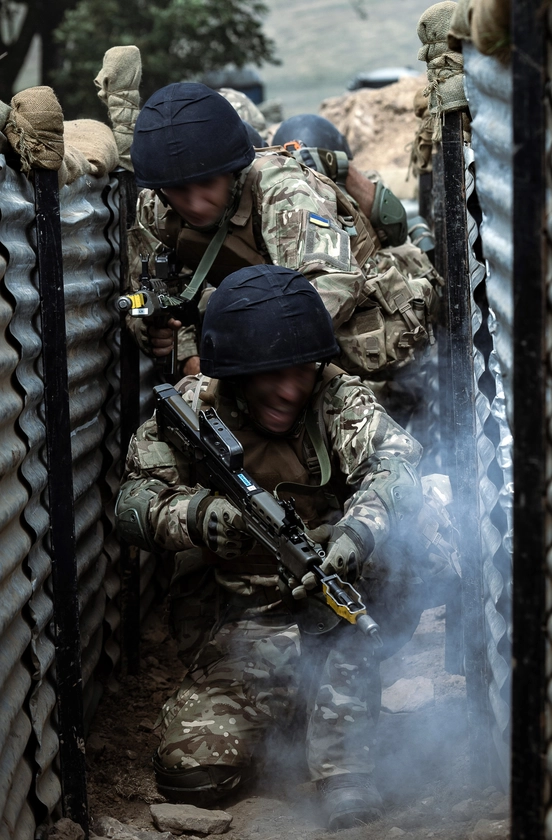
This week the Russian milbloggers, possibly in a linked development, announced something that we on the Ukrainian side have known for some time but haven’t been publicizing: the way the Ukrainians are attacking, at least in some places, is light infantry carrying ammo and personal medkits, and drones carrying everything else.
The blogger RomanovLite said it’s become the practice in “several sectors” for a Ukrainian assault not really to register until some Russians in a village find themselves under fire from several directions, and among the weapons shooting at them are heavy machine guns and automatic grenade launchers ferried to firing positions not humped on some infantryman’s back, but by drones. If the Russians run then they get hunted down by FPV drones, if the Russians stay put then they get pinned down by bomber drones and winkled out by the Ukrainian infantry. Sometimes the Russian artillery tries to interfere but first thing that gives away their position and attracts drones, and second thing often the Ukrainian infantry is on top of the Russian infantry, so shelling the Ukrainians means shelling the Russians the artillery is supposedly trying to protect.
According to the Russian side, the best way to stop this is to catch the Ukrainians on the approach and then use artillery and drones to attack them, which is effective provided one’s own observer drones are available, but of course the Ukrainians also have drones that hunt drones.
Back in the Cold War days, 1980s, a British author and former General named John Hackett, a cavalryman, who wrote a couple of notional Third World War novels. At one point in a footnote or a forward or something he mentions how peculiar it is that he finds himself having been trained to go to war by riding a horse to go hit his enemy on the head with a sword, yet fast forward 50 years and it’s laser-guided munitions and thermal sights.
As an aside, like more than a few people reading this I think, I was taught to fight as a soldier with the idea that there was combined arms big heavy armored machines like fighter jets and helicopters in the sky and tanks and infantry fighting vehicles on the ground. Most of that right now seems to me to be nearly as obsolete as General Hackett’s saber, if I’m honest.
But more to the point, if we do see a larger-scale Ukrainian offensive, then at minimum it’s going to look like a lot of light infantry backed by a bunch of drones, with the armored vehicles coming later. And it might just be without the armored vehicles.
So what’s Paukenschlag and what’s the deal with the Ukrainian drones and the Russian tankers?
This is the big news of the week and probably the month at least.
Apologies to those of you read up enough on the Battle of the Atlantic history to know the reference. Shortly after the Japanese attacked the Americans at Pearl Harbor, while at the same time negotiating a peace agreement (you know, similar to the way the Americans attacked the Iranians in March), in the early days of 1942, the German U-boat command headed by Admiral Karl Doenitz and a tiny staff thought hard about what to do about the American entrance into WWII, and what Germany’s submarine forces should do about that.
The outcome of that thinking was the deployment of five longer-range German submarines from normal duty in the central Atlantic to the US East Coast. The idea was to attack American merchant shipping before the Americans were prepared to defend it. This turned out to be one of the most successful submarine attack operations in naval history: not only were the Americans not ready, they weren’t convoying ships, the entire Eastern seaboard was lit up so a ship sailing up and down the coast was perfectly silhouetted, the US Navy top command declared providing anti-submarine escorts not worth the US Navy’s time, and merchant sailors kept to timetables published in the newspapers. The Germans decided the priority was US tankers.
It was a massacre: 5 German submarines sank 13 or 14 tankers and 13-14 cargo ships, in about three weeks. The name of the operation was “Paukenschlag.”
Right now, mostly in the waters around the Kerch Strait, a similar maritime holocaust is in progress. As I write this I am astounded – and after four years of war, I gotta say, a person gets more and more difficult to surprise – that this is basically non-news outside Ukraine.
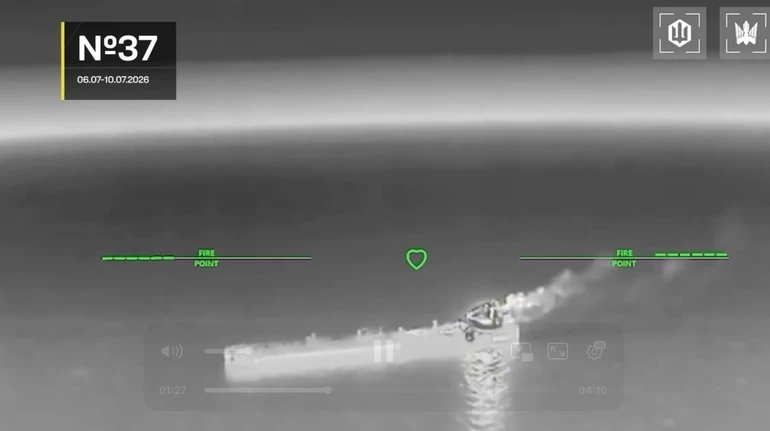
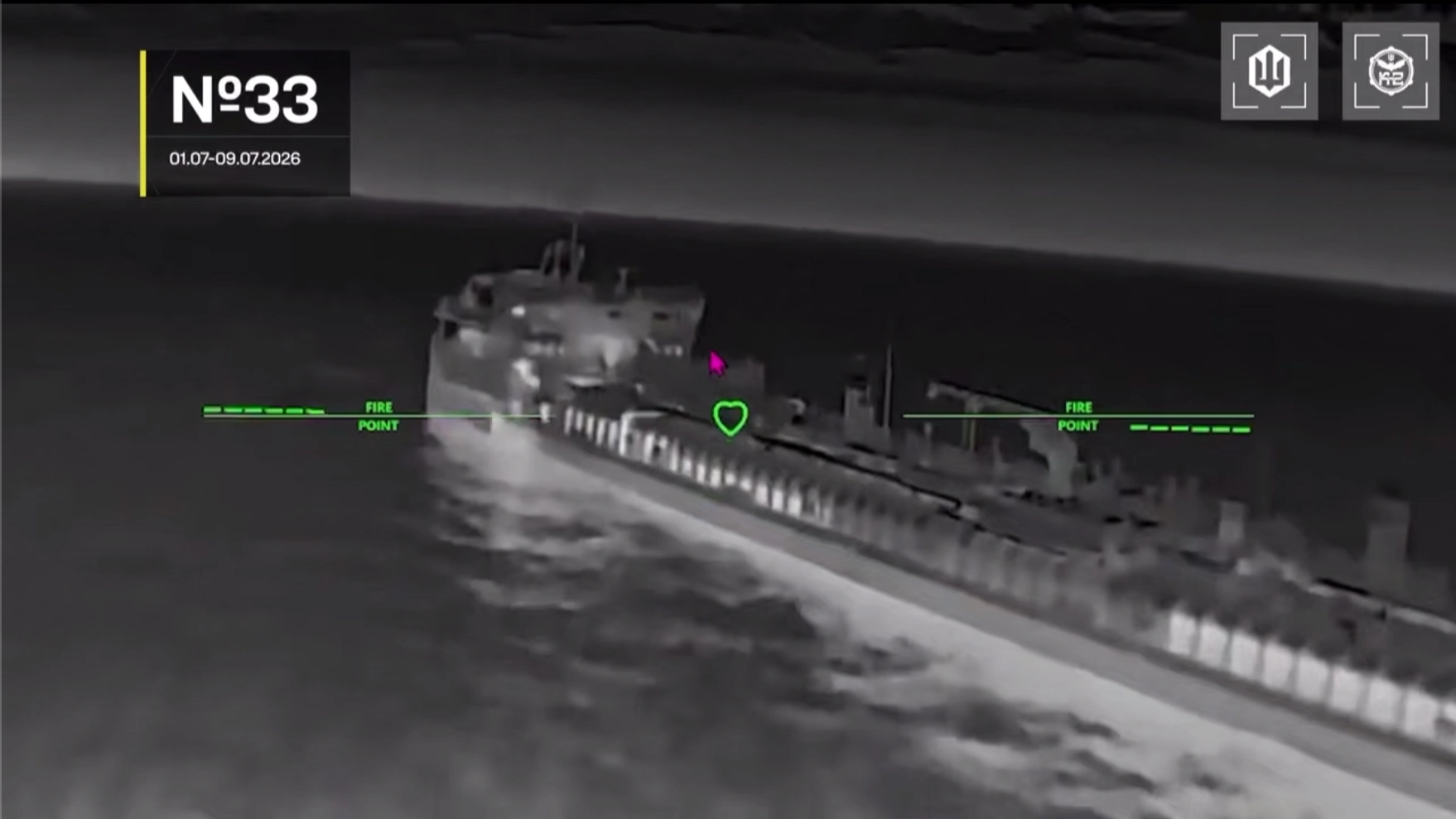
For the first time in the war, the Unmanned Systems Forces (USF) turned its drones loose on Russia’s shadow tanker fleet in a major way, in a systematic operation aiming to hit and damage as many Russian tankers as possible. Also cargo ships. The result has been comparable to Paukenschlag and by a lot of metrics more damaging than what the U-boats managed.
All indications are the Ukrainian operation is succeeding brilliantly because – and if you know the Russian military mind this is less surprising than it otherwise might be – Russia’s maritime defense forces have turned out to be almost totally unprepared for the onslaught. It’s almost all tankers.
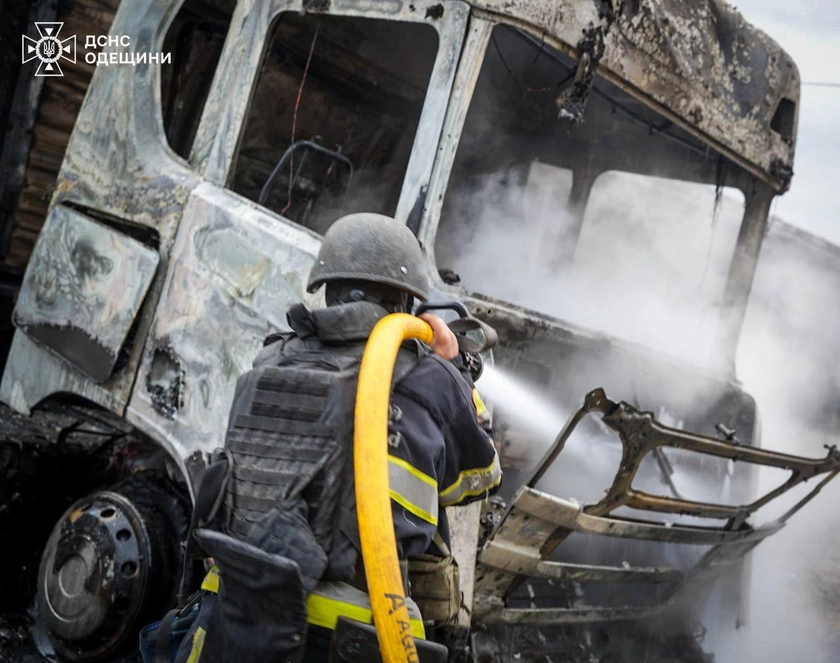
The raw numbers are appalling, we are watching a Russian naval disaster in progress. All of it confirmed by drone video: July 6 – 2 tankers hit; July 7 – 10 tankers, 1 cargo ship, 1 ferry; July 8 – 9 tankers and July 9 – 14 tankers. Kamikaze drones did almost all the strikes but, on July 9 sea drones got involved and sailed right into Russia’s Taganrog bay to attack Russian tankers there.
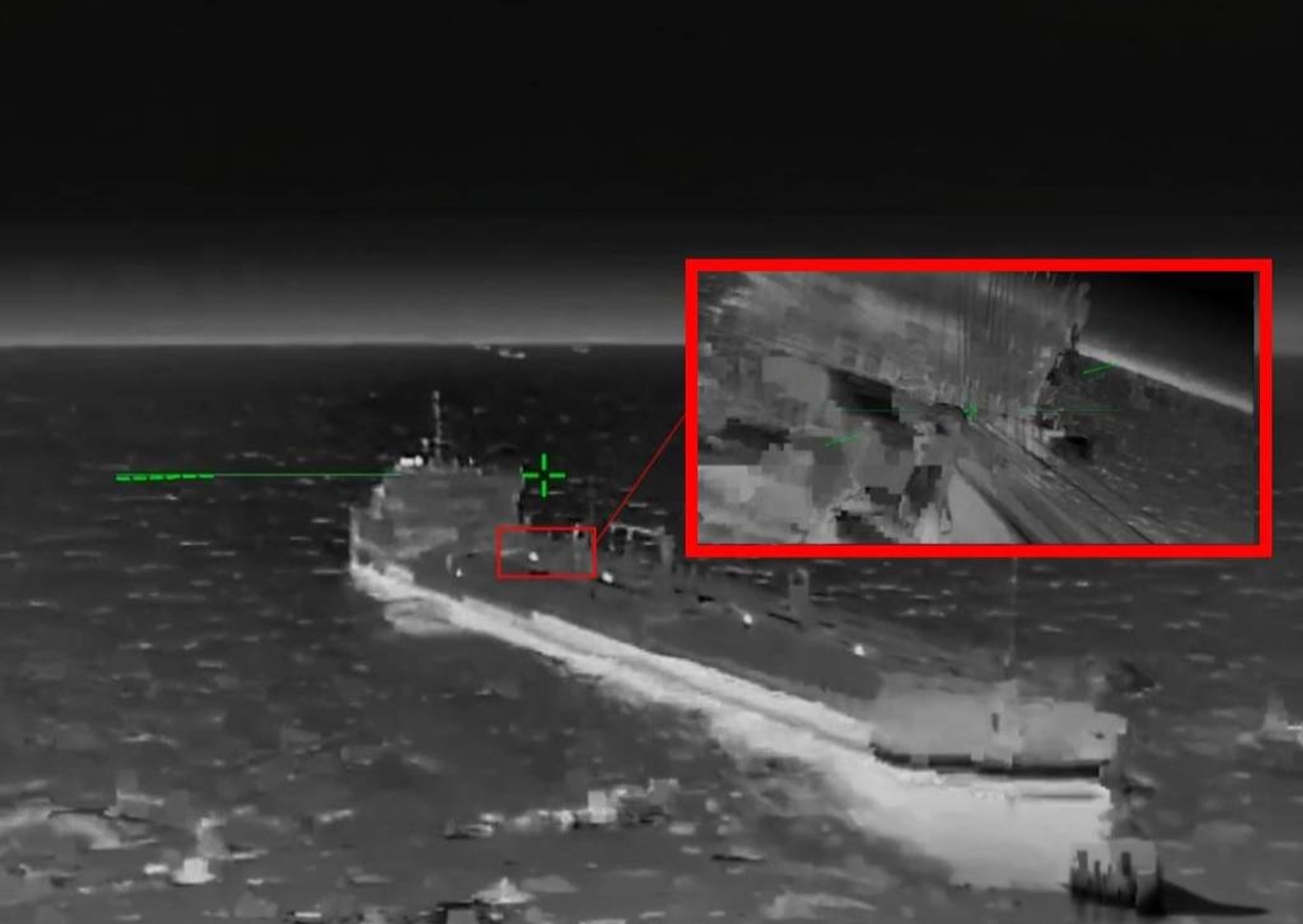
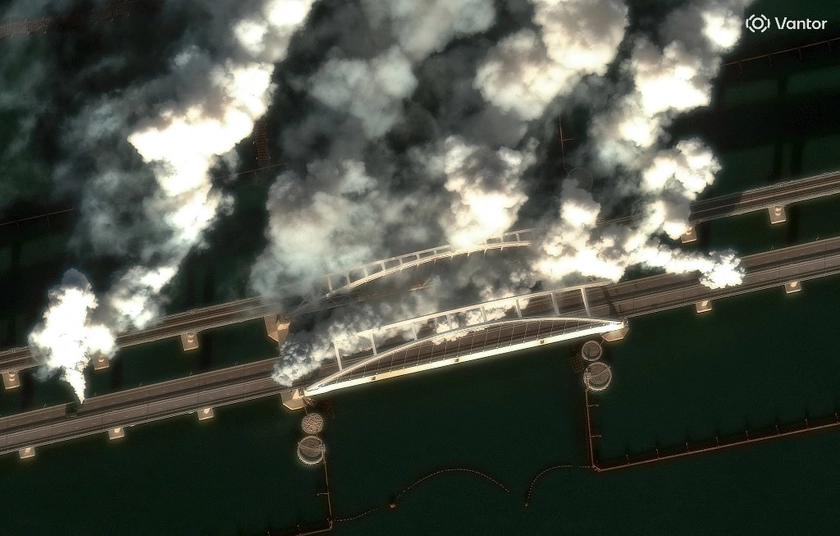
Video is showing about 80 percent of vessels hit set on fire, and the Ukrainians are claiming at least half of the ships were made inoperable, and around one quarter of them burnt out and ruined. There is a clutch of fires on the water, north of the Kerch Strait, that has been burning for 48 hours so far. This is confirmed by satellite imagery, the Ukrainian drone operators, Russian civilians ashore, and neutral nation sailors sitting tied up in the Azov, watching the Ukrainian drones come in.
All of this is taking place in supposedly some of the most heavily defended air space in the world: above the Kerch Strait. But another facet of the Ukrainian operation is that for every ship strike, roughly, there has been a Russian air defense system somewhere in Crimea or southwest Russia that got targeted and hit by the Ukrainians.
This is a large-scale sea-air operation the Ukrainians clearly have been planning for months and which they are pretty ruthlessly executing now. They seem confident, they are identifying the drone units carrying out the strikes by name, they are stating openly their intent is to starve Crimea of fuel, they are saying the plan is working and that they believe the Russians can’t stop them.
The qualifiers are, of course, that not every successful hit means a destroyed tanker, and from the video evidence it is certainly possible that a tanker hit on Thursday was a tanker set on fire on Tuesday whose crew put the fire out and then was hit again.
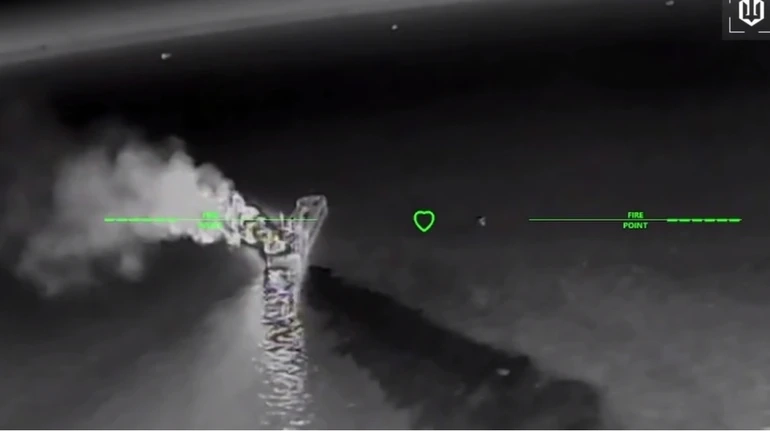
On the other hand, the operational disaster Russia’s Black Sea strategy now find itself in can’t change no matter how many tankers the Ukrainians hit and burn in a single day. The Russian navy retreated from the Kerch Strait almost two years ago. Because of fears the Ukrainians might knock down the bridge the Russians built over the Kerch Strait, and absence of warships to secure those waters, the Russians set up tight control of ships transiting the strait, only one at a time, with patrol boat escort, after security checks, etc.
This has created ship parking lots on either side of the strait waiting for their turn to transit the Kerch Strait. This has also created, in turn, the 21st-century analogue of the eastern US seaboard being lit up like a Christmas tree in early 1942, and the German U-boats picking off tankers silhouetted against the shore because the club owners in Atlantic city thought if the lights were turned off it would be bad for business.
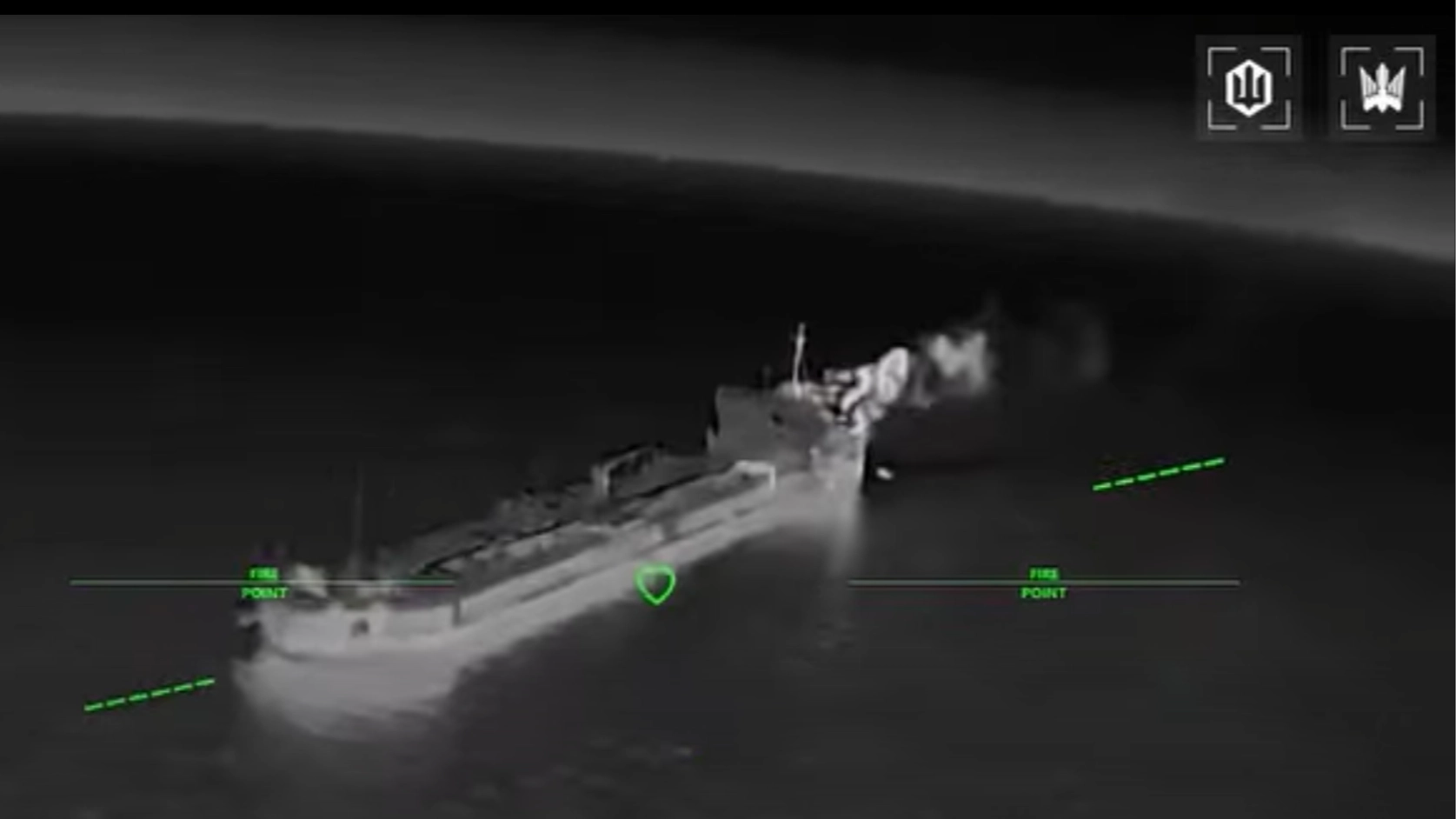
The Russian merchant shipping moving north and south through the Kerch Strait, and the businesses it serves, had plenty of time, even years to prepare. But when the enemy came it proved absolutely unprepared to be attacked. Now that that merchant shipping is attacked. it is too late to prevent very painful losses. What we saw this week, will continue as long as the Ukrainians have drones to launch, and yes they seem confident of their drone supplies.
Here’s a link to an article summing up days one through three. Again, the real news is, the attacks aren’t stopping.
No let up on Friday, the Ukrainian count of ships claimed hit since Monday rose to 48. One blogger pointed out that this means one Russian ship is getting hit every hour, by Ukrainian drones, 24/7.
The final stunning aspect of the tanker strike campaign, is that the USF has not let up on its strikes on roads and bridges, anti-ground logistics attacks this week seemed to be around 200. The USF released new strike video, I know this seems like exaggeration and emotion, but it looks like mayhem.
Russia bombards Ukraine
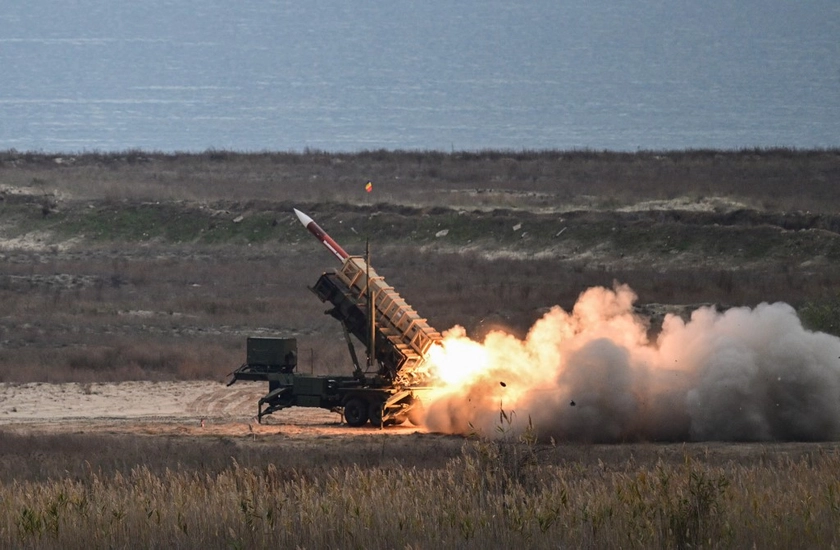
The widely expected big strike came on schedule, Sunday-Monday, and again the target was Kyiv. Ukraine’s defenses against ballistic missiles failed completely because there are no more Patriot interceptor missiles. This was obvious as the strike took place but for the record the Ukrainian Air Force confirmed it: Patriot missiles are in “severe deficit” in Ukraine and it’s not clear when or if Ukraine can get more.
Below, the first number is quantity of Russian weapons intercepted by type, the second number is quantity of said weapon launched.
- 0/6 3M22 Zircon/Onyx anti-ship missiles
- 0/23 Iskander-M/S-400 ballistic missiles
- 31/33 Kh-101 cruise missiles;
- 6/6 Caliber cruise missiles;
- 326/351 Shahed, Gerbera, Italmas attack UAVs, Parody simulator drones.
Per Ukraine air force counts 29 ballistic and/or anti-ship missiles and 18 attack UAVs struck 34 locations. Falling debris hit 16 locations. In terms of missile strikes, this was the most effective Russian missile attack of the war against a single city.
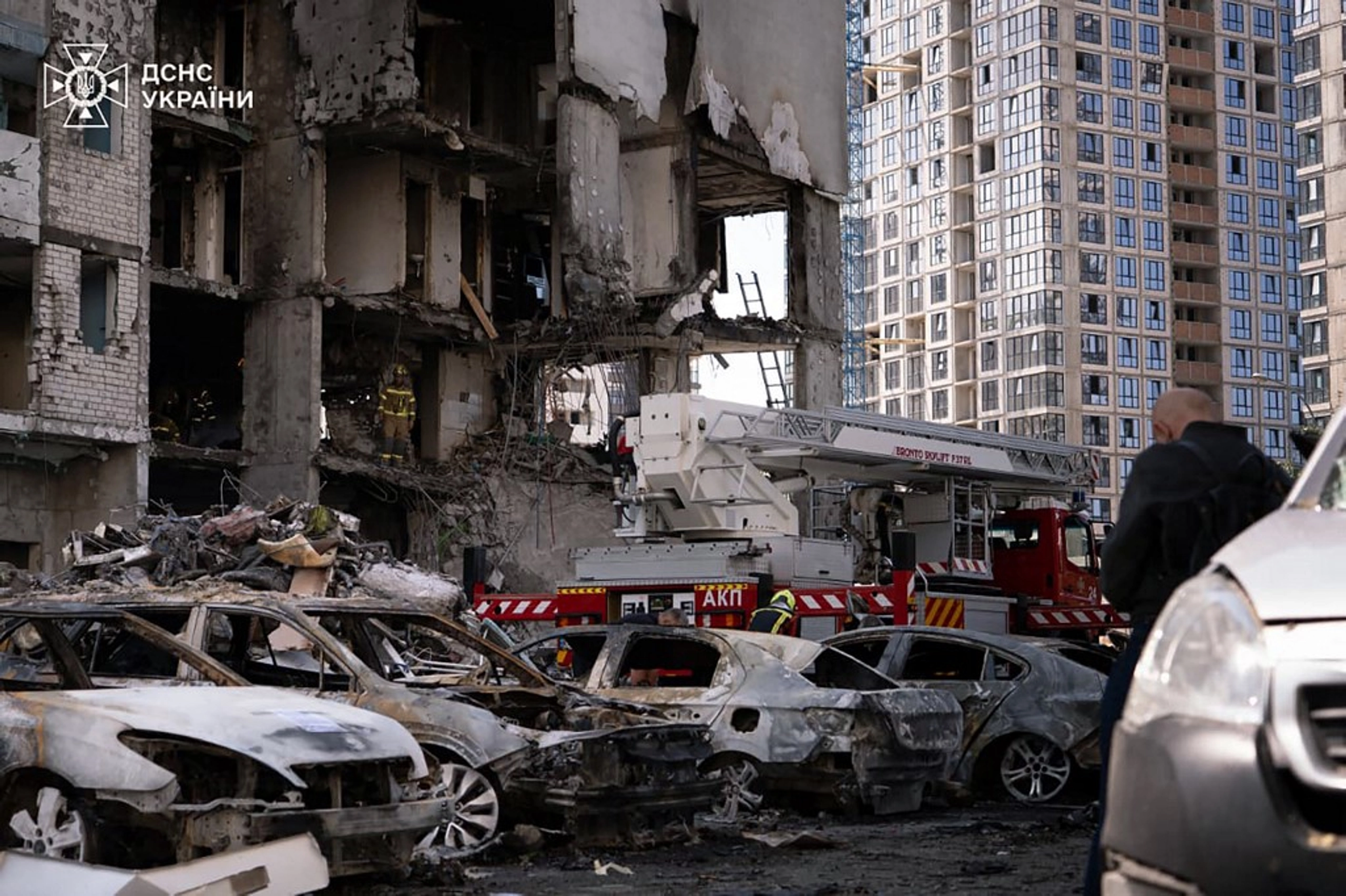
Missiles hit the Kyiv city center, Podil, Obolon, Darnitsky and Holosiivsky districts. The Roshen candy factory was hit. Also several missiles hit residential districts on the left bank. The Slavutych district was set on fire. Brovary and its power plant again got pounded.
The toll as of mid-morning Monday was 15 dead, 46 wounded. In one building a family of three, three generations, was killed. As always the casualty count was expected to rise because people and bodies were being dug out the rubble. At least three apartment buildings in Kyiv alone, confirmed, were struck by missiles.
A major fire was reported in the Vishneve suburb and severe air pollution warnings were issued. Locals said the explosions lasted “several hours.” Based on accounts by locals, an ammunition storage site or something else that would have a lot of secondary detonations if it caught on fire was hit. Later on in the morning the Vishneve village council effectively confirmed some kind of ammo dump had been hit with a warning that residents should stay inside and be aware there could be munitions on the ground that might blow up.
By morning you could smell the smoke 20 km. downwind. Authorities announced evacuation of some residents because of the bad air quality. The AFU confirmed that the Vishneve-based Zavod Vizar, 410th civil aviation factory, is “not a military target.” To put it nicely, this is equivocation by the AFU, in the fifth year of a conventional war with no civil aviation flying it is a pretty long stretch to try and convince people an aviation repair site isn’t being used for military purposes. You don’t have to be Mata Hari to guess the place would be a logical site for the Ukrainians to manufacture drones.
Other strikes included a Nova Poshta center in Chernihiv, a residential area in Odesa.
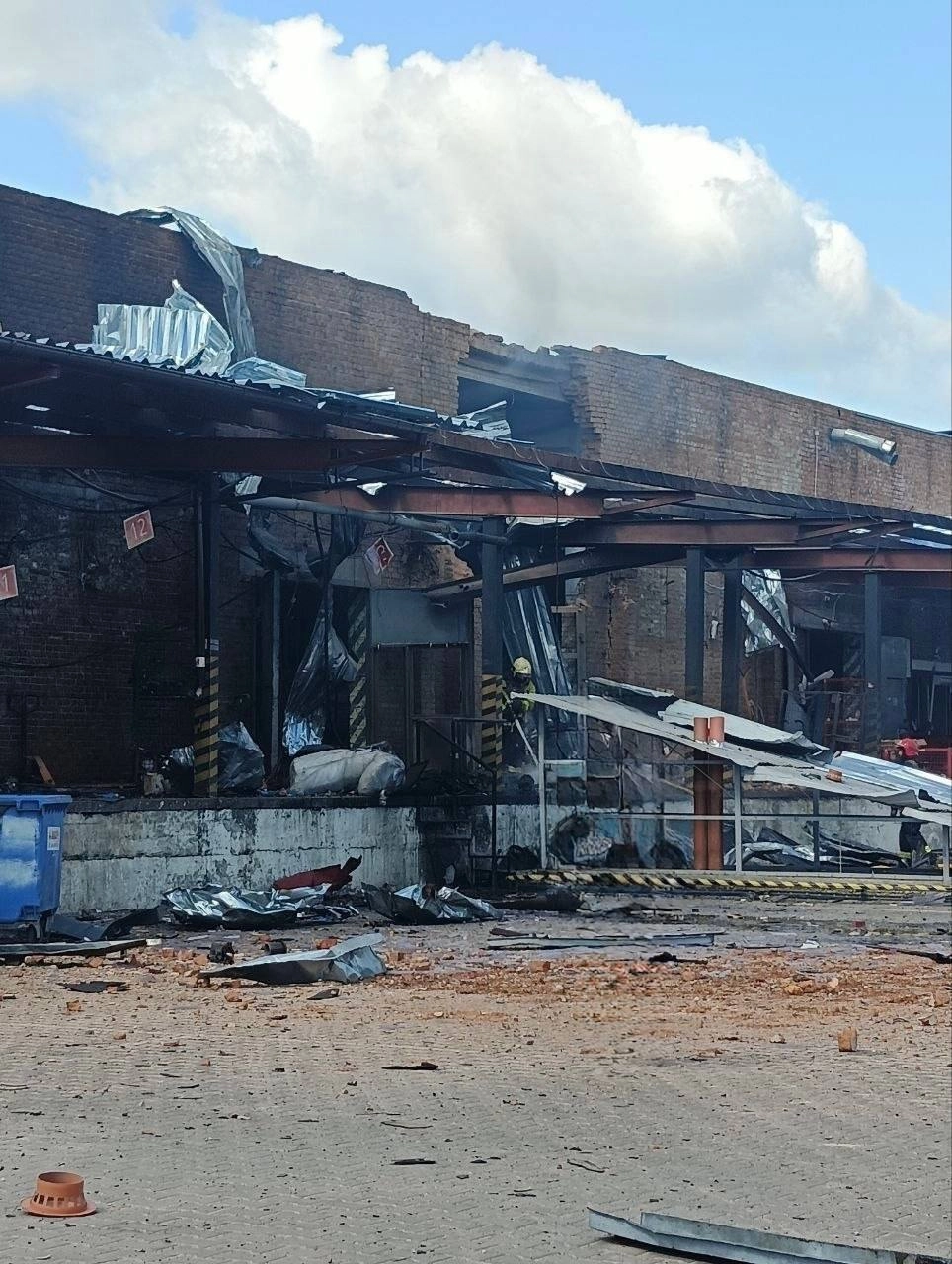
Next, on Wednesday, the Russians fired more 5 more ballistic missiles, again mostly at Kyiv. There were no interceptor missiles so all the Russian missiles impacted. Reports on damage were unclear. The same night, the Russians fired two Kh-31P anti-radar missiles from the Black Sea, possibly from a submarine, although that’s my speculation based on lack of reports of movement of surface warships from Novorossiysk.
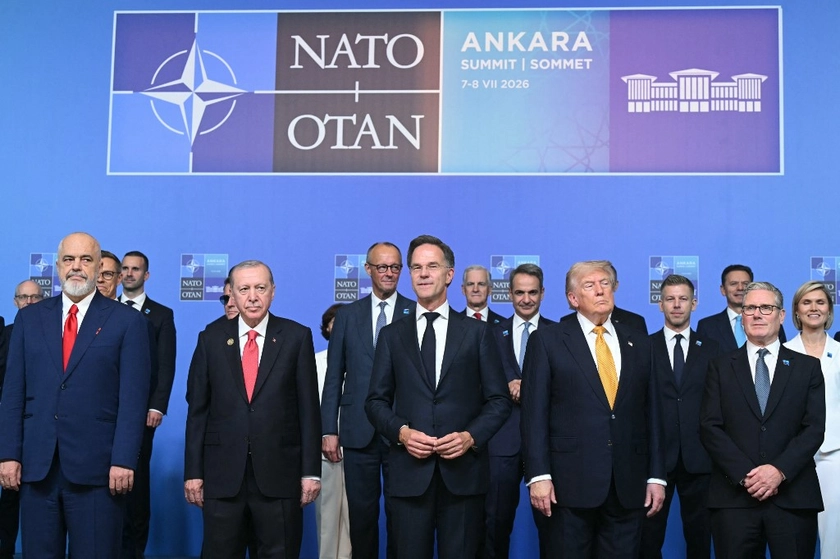
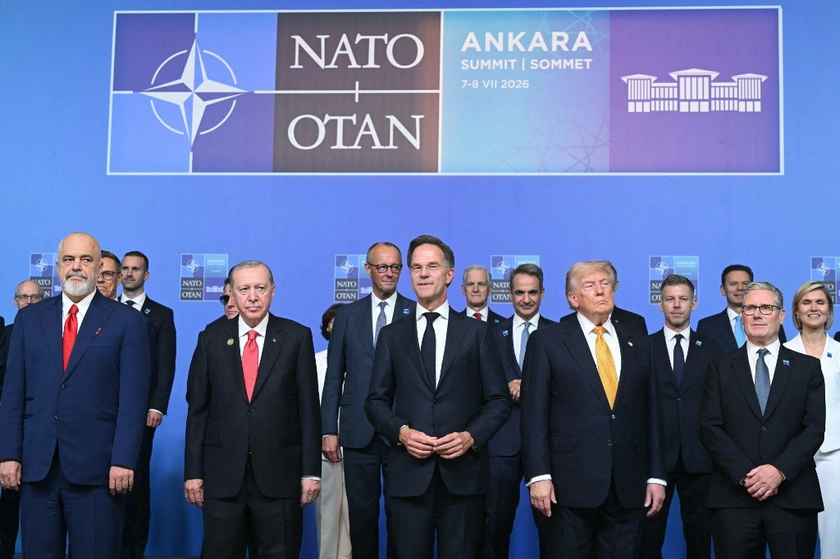
On Wednesday during the day on the fringes of the NATO summit the news was all full of reports about 1) how NATO had decided to support Ukraine and isn’t that great; and 2) Donald Trump said Ukraine would be allowed to produce US interceptor missiles under license, so Ukraine doesn’t have to complain about the Americans not helping.
On Friday news came down the pike that in the actual world, NATO states – without the US participating – had scraped up 10-20 interceptor missiles to send Ukraine, Poland a leading state among them. It’s not clear when or how more would come.
When the Americans decided to allow the Japanese to produce Patriot interceptor missiles under license, it took Mitsubishi about three years to get the production line up and running.
Ukraine’s military intelligence sources are predicting another big Russian strike on Kyiv in the next one to two weeks.
Russian “middle strike” – Russia hunts Ukrainian fuel stations
Forbes reported what this review noted last week, to wit, the Russians are destroying every fuel station they can reach. The number according to them is over 100 stations blown up, primarly on the Kharkiv-Slovyansk route but also in northern Sumy and Kharkiv regions. Mykola Kolesnyk, CDR, 422 SBS Rgt, confirmed it in a Tuesday post, and said that there are no functional gas stations left on the highway between Dnipro and Zaporizhzhia, because the Russian drones had burned them.
This appears to be a follow-on tactic to the Russian strategy of liberating territory by making it unlivable for civilians and creating uninhabited territory its soldiers can more easily infiltrate into. The prime example of this is the drones they maintain over Kherson that seem to hunt individual civilians.
Russian milbloggers are predicting the AFU/USF will do the same, but, as Russian public dissent is a declared Ukrainian war objective, there is some reason to believe that Ukraine will leave Russian gas stations untouched, to give Russian voters more places to see that aren’t selling fuel.
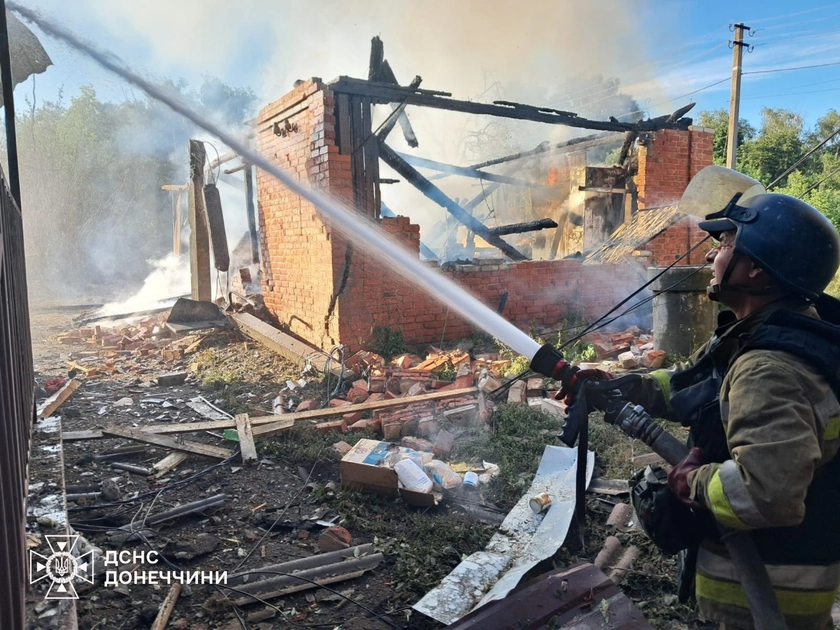
On Friday the Russian Air Force bombed Kramatorsk twice in one day. Four civilians killed including a 14-year-old boy and his 18-year-old sister.
Patriot missiles also shoot down Russian bombers.
Ukraine might be able to keep Russian bombers at bay, except the Russian bombers use long-range glide bombs that they drop out of the range of the Patriots. The Ukrainian fighter jets might be able to do something about that if they had modern air-to-air missiles, but the Americans make them and they don’t want to give them to the Ukrainians, because giving, no, selling at a 10 percent markup over retail, modern American air-to-air missiles to Ukraine is considered by the White House bad foreign policy not in America’s national interest. Seriously, that’s what they say.
Ukrainian long-range strikes – new record set
On Monday the Ukrainians set a new world record for long-range drone strikes; 3,000+ kilometers, the Omsk oil refinery – biggest in the Russian Federation – was hit for the first time in the war. This is the biggest oil refinery in the Russian Federation. Reports are at least 7-8 drones made the flight. Some follow up reports counted 11 hit. The Russians had protective netting installed around critical sections of the refinery. The netting didn’t seem to work.
Fires were still burning three days later. The main damage was to two separator units that are responsible for most of the plant’s output. According to the OSINT crowd these were units AVT-10 and AVT-11. If they are offline for good, that is 70-80 percent of the refinery capacity (!) shut down. Early predictions for repair is weeks. Russian social media showed one Su-57 “stealth” fighters, Russia’s best jet, chasing the drones.
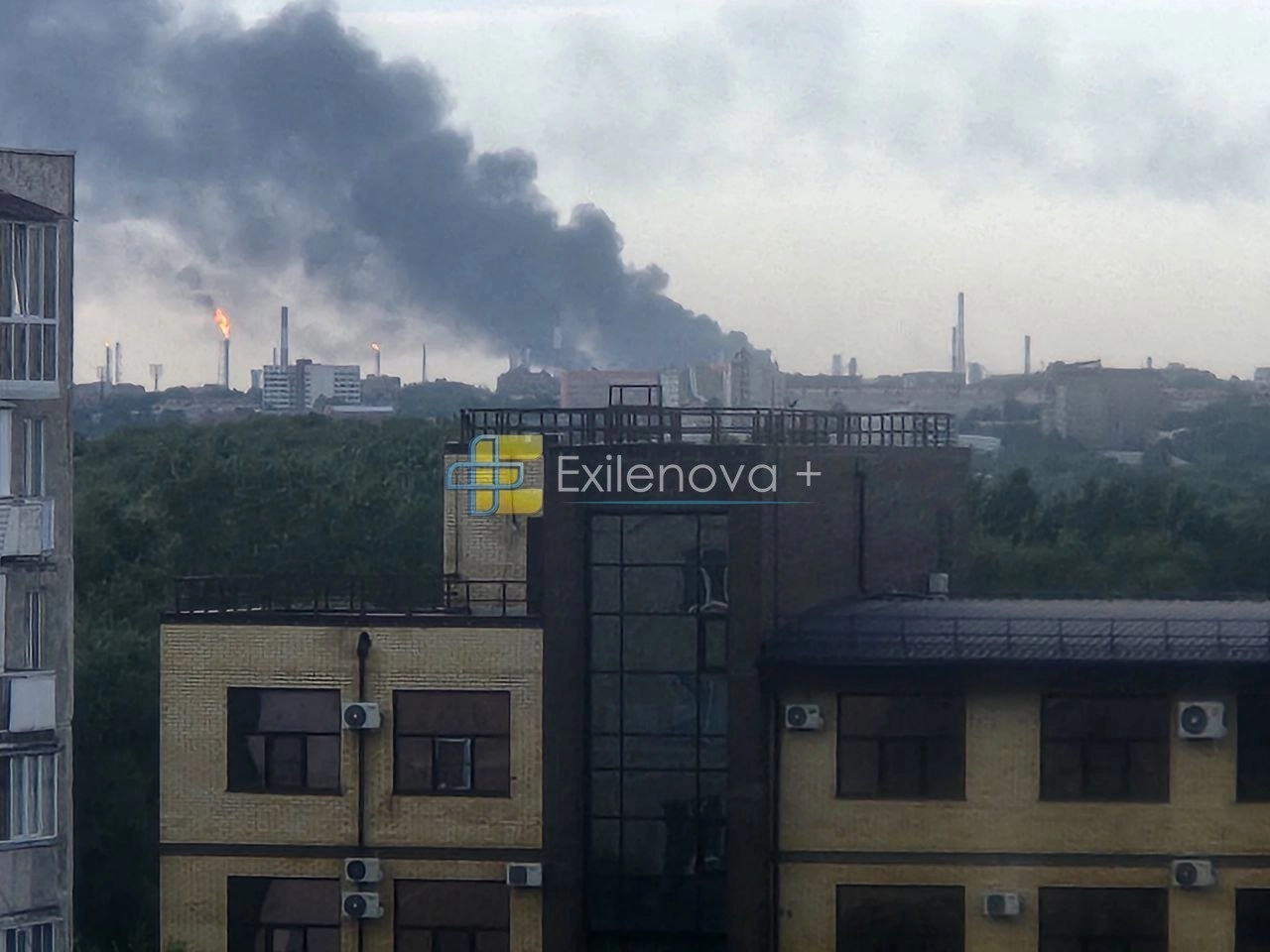
There also were reports the Russian Air Force had an A-50 in the area. The Russians got one drone. Otherwise light anti-aircraft fire observed and at least two hits on the refinery confirmed.
When the Russian stock exchange found out every energy company on the board took a price dive. However, if we are honest, we also have to remember that same day the Saudis cut the price of their exports to Asia by $11/bbl, in other words the Saudis are fighting for market share now that the Iranians are exporting as well. This was bad news for Russian oil exports which are a lot more expensive to produce than Saudi, even in peacetime.
Besides the Omsk refinery, the Ukrainian drones hit two to four targets deep inside Russia daily over the past week. These included: St. Petersburg port fuel storage, Umurutia’s Votkinsky factory, Belgorod’s Luch substation, St. Petersburg’s Ust-Luga port, St. Petersburg’s Vysotsk port, Belgorod city airport, the Belgorod cement factory, various air defense installations around Mariupol, Berdyansk’s Novopetrivka troop base, the Nizhnekamsk petrochemical plant, Tver’s Lukoil oil refinery, Stavropol’s Lukoil fuel storage facility, Kerch air defenses, more Mariupol air defenses, yet another critical road bridge in Novazovsk, something like 15 power substations across Crimea, Taganrog’s Kurganeft oil storage base, the Azov oil storage base, a military optics factory in Azov, and the much-abused Ilsky oil refinery in Krasnodar.
How Flamingos got shot down
This week Ukraine launched a wave of FP-5 Flamingo missiles at the Votkiksky factory in Umurutia and the strike was a bust, all four (or five or six) missiles shot down or otherwise failed to hit target.
According to the Ukrainian/Russian OSINT crowd, this took place because the Russians uncharacteristically scrambled air defense assets to the right place and the right time, which in this war means either the Russians are learning, which happens, or the Russians had early access to Ukrainian strike planning, which seem to happen only rarely but you never really now.
On July 4 what happened was that the Ukrainians launched a covey of missiles and an A-50 AWACS plane was in the general area and spotted them (Flamingos are big) and vectored first a fighter jet to the incoming missiles, and simultaneously warned air defenses.
Supposedly the Flamingos were flying along a well-used corridor, the Volga River, and once the A-50 picked the Ukrainian missiles up it tracked them all the way to Ulyanovsk, then Kazan, and then Votkinsk, and assisted ground-based air defense units to take on the missiles as they approached. Reports are one missile was knocked down near each waypoint and the last one just missed.
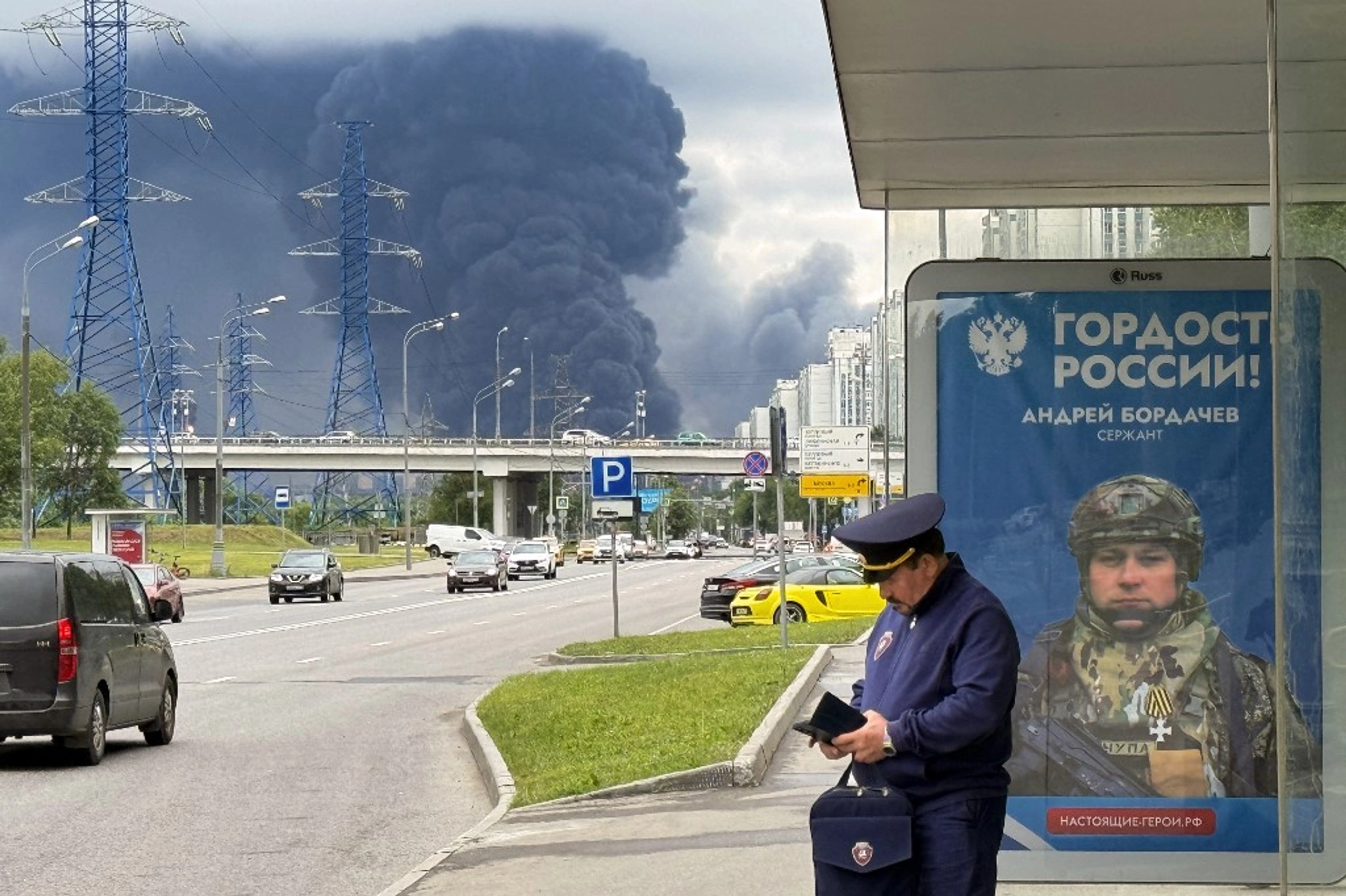
Last week noted the first properly successful Flamingo missile strike, so it’s not exactly back to the drawing board, but it still isn’t an undefeatable system.
In other Flamingo news, this week Le Monde reported the FP-5 Flamingo missile uses a guidance system from the French company Safran Electronics & Defense, as stated to the newspaper by Fire Point representatives this week at the Eurosatory 2026 arms exhibition.
According to the report the Safran system has been used by Fire Point for more than a year, and that Safran is a big supplier to other Ukrainian manufacturers with “navigation equipment, opto-electronics, anti-drone systems and intelligence platform analysis”, for which Kyiv compensates Safran by buying Safran’s AASM guided bombs. The layman translation of this is, French technicians are for all intents and purposes probably programming French bombs that the Ukrainians drop on the Russians.
How the Russian Su-35 got shot down – SAMbush
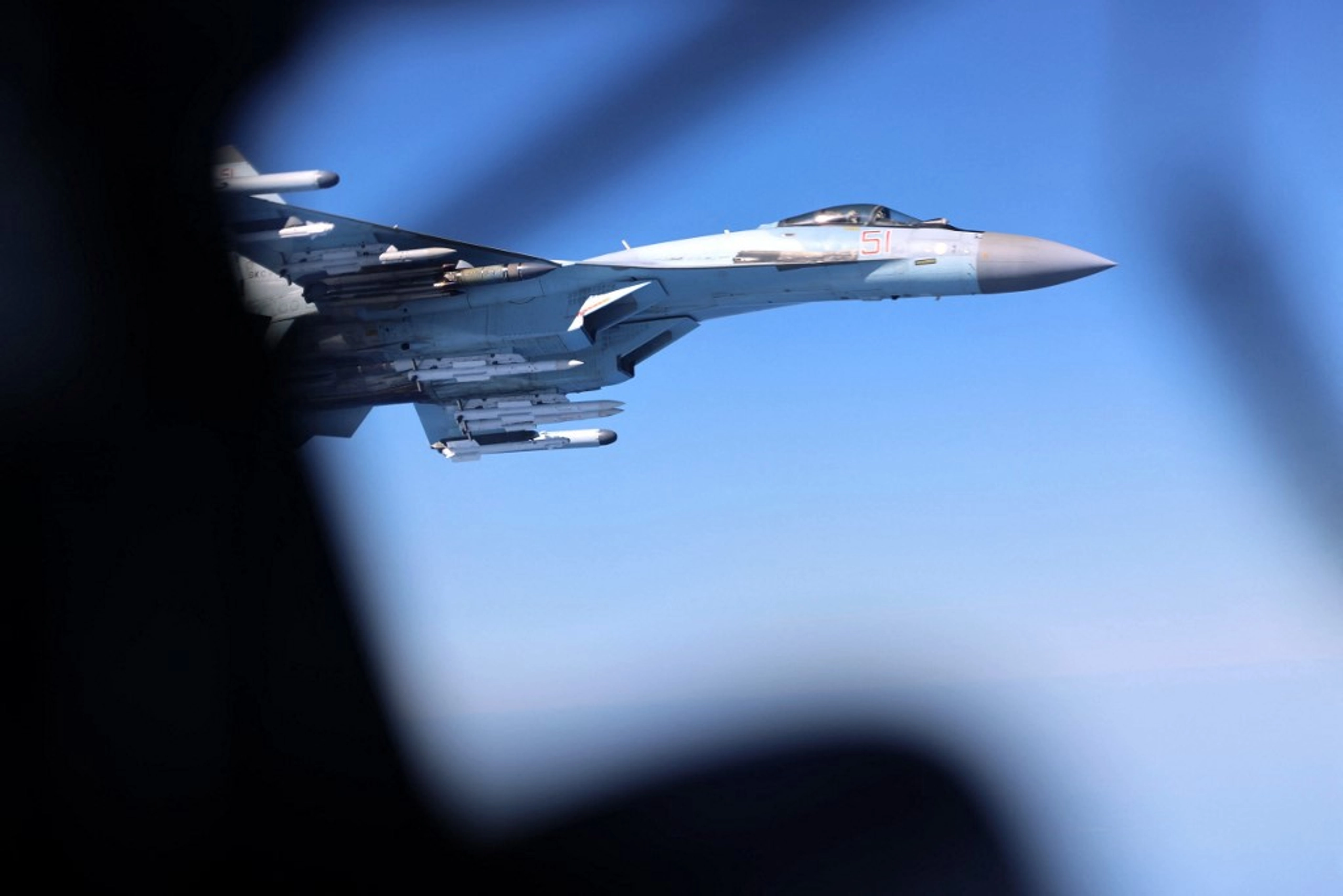
On Wednesday July 8 news came first in the air war channels and later in mainstream that Ukrainian forces had shot down a Russian Su-35 multirole fighter jet in the Donbas sector not far from the front lines, in the vicinity of the 3rd Army Corps, which we all know and some love as the AFU’s “Hollywood” unit. They got drones above the wreckage and definitely the plane had pancaked in a field after falling some distance.
Ukrainian air force sources reported, and Russian milbloggers later confirmed, the pilot ejected and made it back to base with a few bruises.
The Su-35 is Russia’s top-of-the-line conventional fighter jet supposedly just as good as the Swedish Gripen, the French Rafale, the US F-15C or the everybody else’s Eurofighter. It is Russia’s main air superiority fighter and under normal circumstances the Russians don’t risk them near Ukrainian air space. The last one admitted lost went down was in June 2025 when a Ukrainian F-16 scored the first F-16 fighter-to-fighter kill in the war. In that engagement, reports were the Su-35 got shot down, also in the eastern sector, also in the neighborhood of 3rd Corps real estate, when the Russian pilot came too close to an F-16 he didn’t know was around, and got ambushed.
One Wednesday, filtering the reports, it seems a Ukrainian AWACS plane – officially this could have been only a Sweden-manufactured Saab 340 AEW&C, specifically the ASC 890 (a/k/a as the S 100D Argus) which is equipped with the Erieye airborne early warning radar. This is a state-of-the-art eye-in-the-sky plane. Sweden pledged two aircraft and the first entered Ukrainian service in 2025. It’s possibly been spotted twice, per open sources, over the west of the country.
If that plane were to fly over the middle of Ukraine, technically, everything in the air the Saab 340 spotted, well into west Russia, could be data-linked straight to NATO-standard fighters operated by Ukraine. There are two jet types: about 20-22 old 1990s-era F-16s donated by Norway, Denmark and Netherlands, and about six Mirage 2000-5, similarly well-used, donated by France.
Ukrainian milbloggers generally agree that what happened was that there were two F-16s in the air, one acting as “bait,” one acting as the assassin, and the Saab in the role of data link and possibly conductor. Russian milbloggers are confirming the Russian pilot spotted an F-16, went in for a kill, found himself under attack by the second F-16, and – this is standard tactics on both sides – when he found a guided missile tracking his fighter, he dove to lower altitudes and maneuvered to avoid it.
Unfortunately for him there also was a Ukrainian Patriot missile battery in the vicinity, which was also receiving data updates from the Saab 340, and while maneuvering to avoid the F-16-fired missile the Russian pilot found his Su-35 caught in the area blast of the ground-launched Patriot missile, which disabled his Su-35.
This appears to have been a deliberate ambush operation that combined Ukrainian air assets and ground-based air defenses – a “complex operation.” Here’s the most consistent picture from available reporting: Lure/Ambush Tactics: Russian sources describe Ukrainian fighters (possibly including F-16s) conducting a sortie or feint to draw the lone Su-35 into a vulnerable position. The Su-35, operating as an air superiority platform, likely scrambled to intercept or engage what it perceived as a target or threat.
By the scale of the Russo-Ukrainian War this was a small engagement that won’t have much effect on fighting overall, but, as always it might be an indicator. In this case it’s fairly well-documented evidence of competent Ukrainian air defense technique, and, as always, a tendency of the Ukrainians to avoid provoking an engagement, unless they are confident the odds are stacked well in their favor.
According to an Ukraine air force source, the Swedes have semi-officially told the Ukrainians that they have no issues with selling/supplying Meteor air-to-air missiles to the Ukrainian Air Force, even BEFORE the Saab Grypens arrive (sometime in 2027). This is a state-of-the-art missile better than anything the Russians have, although not by a whole lot probably compared to the very best Russian missiles. However, the weapon is a generation better than the 1990s-2000s air-to-air missiles the US/NATO has armed Ukraine with to day, and an order of magnitude more capable that the Soviet era missiles the Ukrainian air force started out the war with.
News from Russia – If this isn’t Nero fiddling while Rome burns, Russia-style…
Sevastopol authorities have once again revised the terms of the contract for the construction of a yacht marina in Balaklava.
The cost of the work has increased by another 6.7 billion rubles ($87 million), reaching 18 billion ($234 million), and the completion date has been pushed back to the end of 2029.
In December 2024, the contract was estimated at 11.3 billion rubles ($147 million). Thus, the cost of the project has increased by almost 60%. Officials attribute the increase to “deviations from design and estimate documentation” during construction.
Along with the price, the deadline has also changed. Previously, the project was scheduled for completion by Dec. 1, 2027, but now it is scheduled for Dec. 1, 2029. According to the new schedule, the hydraulic structures are to be ready in September 2028, and landscaping and landscaping are not expected until December 2029.
As a reminder, the construction of the yacht marina in Balaklava was initially estimated at 9.3 billion rubles ($121 million), with a completion date of December 2025. In other words, the project’s cost has nearly doubled in just a few years, and the deadline has been pushed back by four years.
The yacht marina is being built by a company owned by Putin’s friend, Rotenberg.
- In Krasnodar region adjacent to Crimea citizens irate about fuel shortages stopped visitors from Crimea – where there is no fuel at all – from filling up fuel cans on the mainland, on grounds there is not enough fuel for locals never mind “outsiders.” Remember, in 2014 a significant percentage (but far from all) of Crimean residents welcomed Russia’s takeover.
- In Mariupol Russian police cars were spotted with the blue stripes and wording “Police” painted over with white paint. According to Ukrainian milbloggers this is to help the Russian law enforcers avoid Hornet drone strikes, because Ukrainian pilots normally target trucks not sedans, but if it is a confirmed official Russian vehicle like a cop car then that’s fair game and is hit as well.
You can also highlight the text and press Ctrl + Enter