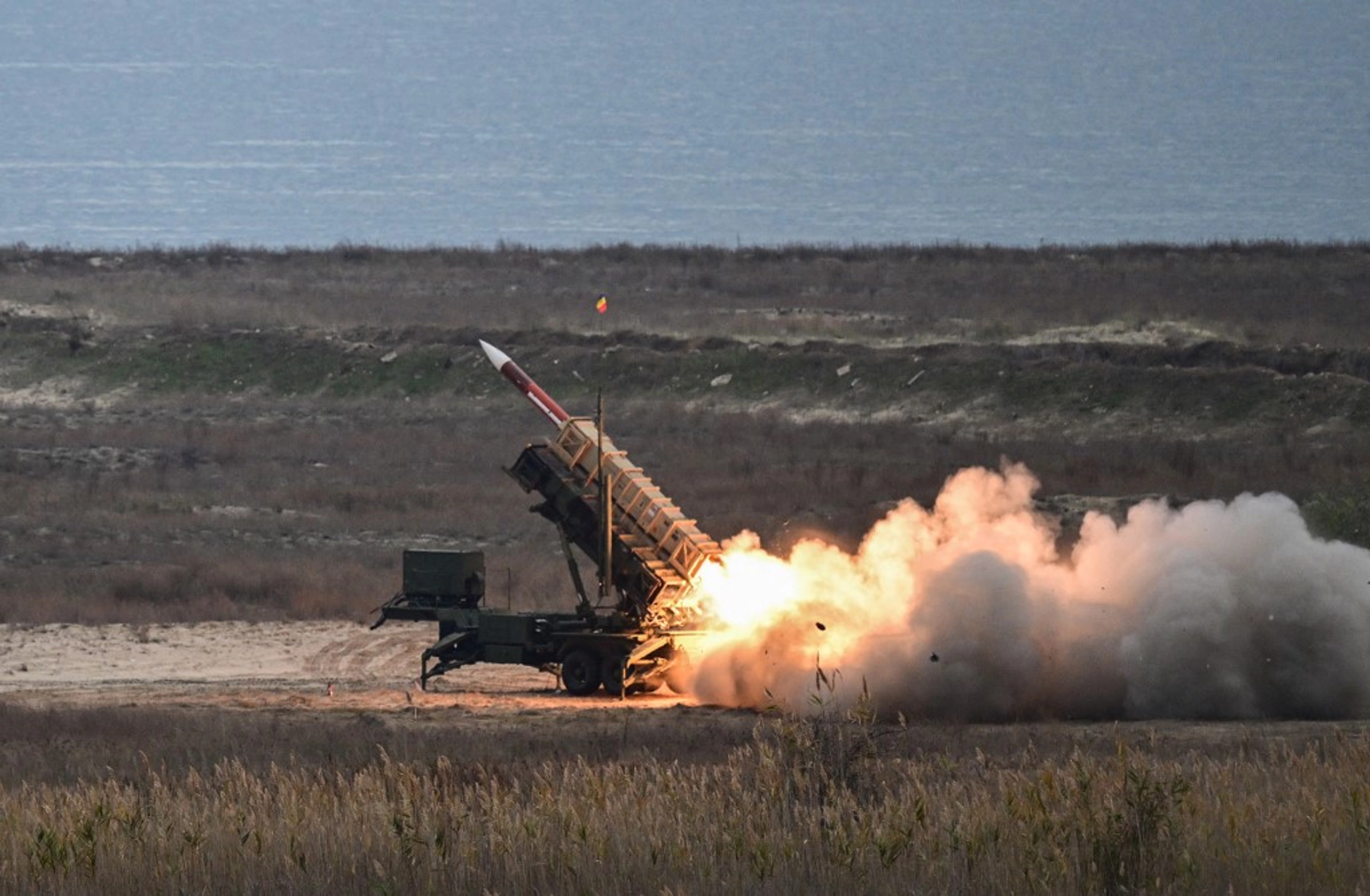
Ukraine is in critical need of US-manufactured Patriot interceptor missiles, specifically the PAC-3 Patriot interceptor, because Russia launches 20-40 ballistic missiles at Ukraine every month. The PAC-3 is the only weapon in Ukraine’s arsenal capable of shooting down those ballistic missiles before impact.
The most common Russian ballistic missile, the Iskander-M, carries a half-ton warhead capable of leveling roughly one-quarter to one-half of a typical Ukrainian apartment building and collapsing that part of the structure on the people inside.
JOIN US ON TELEGRAM
Follow our coverage of the war on the @Kyivpost_official.
According to Ukrainian Air Force officials, Ukraine was running critically short of PAC-3 interceptor missiles in June 2026 and had effectively run out by July 1. This allowed Russian strike planners to hit targets in Ukraine with ballistic missiles with impunity.
During two recent major Russian missile strikes against Ukraine, on July 1-2 and July 5-6, Russia launched 24 ballistic missiles and 23 ballistic missiles, respectively. None were intercepted, and all hit their targets.
On those same nights, Russia also launched high-speed Zircon missiles, which Ukrainian air defenders struggle to counter without Patriot PAC-3 missiles. Russia launched four Zircons on July 1-2 and six on July 5-6. None were intercepted.
When Ukraine has had PAC-3 missiles available, its air defense units have usually shot down at least half of incoming ballistic missiles, and sometimes more than two-thirds.
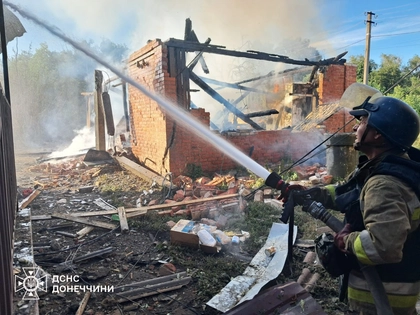
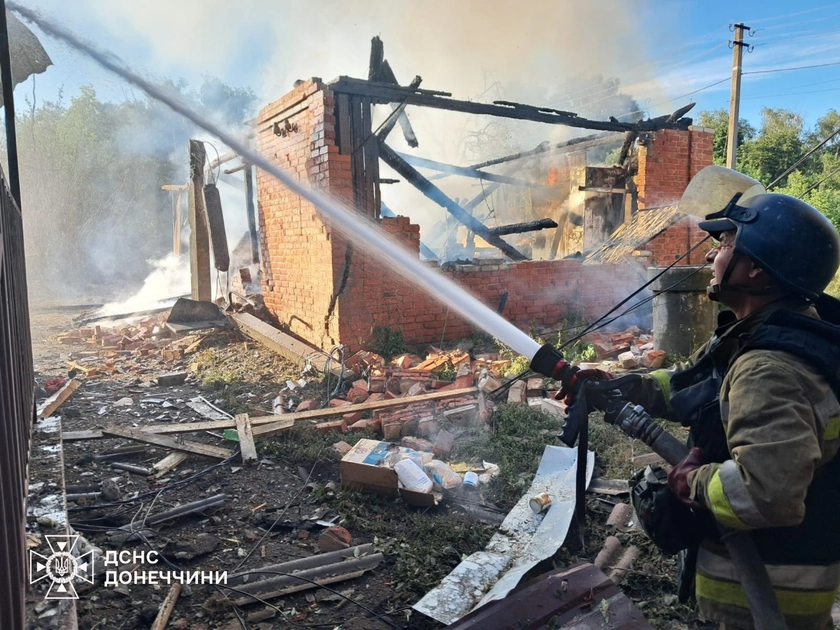
Deadly Russian Guided Bombs and Drones Strike Sloviansk and Kharkiv Region
In February 2025, the US cut off most types of military support to Ukraine, including PAC-3 missiles. At the time, US policy appeared aimed at pressuring Ukraine toward a settlement with Russia by restricting military assistance while improving relations with the Kremlin as a counterweight to China.
The US later allowed a limited flow of PAC-3 missiles to be delivered to Ukraine, on the condition that Ukraine’s allies pay upfront for the missiles at a 10 percent markup. The missiles would also only be sold if the Pentagon determined that its own current and future PAC-3 stocks were sufficient.
Following the US-Israeli attack on Iran and the outbreak of war involving those countries, Pentagon officials said the US military did not have enough PAC-3 missiles for its own needs and would therefore have first option on all future US PAC-3 production.
A looming Ukrainian PAC-3 shortage had been predicted in early 2026 and was already widely expected on both sides of the Atlantic by April. Nevertheless, by late May, Ukraine had used all its PAC-3 interceptors, with none in the supply chain, while Russia continued launching ballistic missiles at Ukrainian cities.
In large part because Ukraine was unable to intercept Russian ballistic missiles, June 2026 saw one of the highest tolls of Ukrainian civilians killed and injured by Iskander-M and other Russian strikes during the war: 265 civilians killed and 1,816 injured, according to preliminary UN/OHCHR figures. The toll was driven by intensified long-range strikes on Ukrainian cities.
Why wasn’t Ukraine’s PAC-3 interceptor missile shortage addressed earlier?
The official White House explanation for most of 2025 and the first six months of 2026 was that Ukraine did not need large stocks of PAC-3 missiles because Ukraine and Russia were allegedly close to a peace deal that would end hostilities.
The more fundamental problem is that PAC-3 manufacturer Lockheed Martin produces the missiles at a single factory in Arkansas. According to open sources, that factory produces around 500-600 PAC-3 missiles per year, while Ukrainian military intelligence estimates that Russia produces roughly twice as many ballistic missiles of all types.
According to US air defense doctrine, two Patriot PAC-3 missiles should be launched to give a high chance of intercepting a single incoming ballistic missile. The bottom line is that even if the White House agreed to send Ukraine every PAC-3 missile Lockheed Martin produces, that quantity would only be sufficient to give Ukraine a strong chance of stopping one in every four ballistic missiles Russia could launch at Ukrainian homes and businesses in the future.
Ukraine has worked to shift those odds by learning to fire a single PAC-3 at an incoming Russian ballistic missile, usually with a fair chance of a successful intercept. It has also prioritized Russian ballistic missile component factories within range of Ukrainian drones for repeated long-range strikes.
The main final assembly facility is deep inside Russia, in Votkinsk in the Udmurtia Republic, at a range that only lightly armed drones can reach. Most complex components for Iskander-M missiles are built at a factory in the Moscow region, underneath some of the most heavily defended airspace in Russia. Ground equipment, launchers and support systems for Iskander-M missiles are produced at a factory in Volgograd.
Ukraine’s drone forces have hit all three sites repeatedly. However, only the Volgograd facility appears to have sustained substantial damage.
Ukrainian officials, led by President Volodymyr Zelensky, have said that if Ukraine were to receive high-tech, long-range guided munitions from its allies, Kyiv would make Russian ballistic missile production a top-priority target.
Zelensky has repeatedly and publicly asked for Germany’s powerful Taurus cruise missiles and the US’ top-of-the-line Tomahawk cruise missiles. Germany has rejected the Taurus transfer due to limited stocks and concerns that such a move could trigger Russian escalation. The US has rejected the Tomahawk transfer because of Pentagon concerns that it may need to use large numbers of Tomahawks against Iran, as well as fears that such a transfer could make Moscow believe the US is openly siding with Ukraine.
While Europe has been more consistently supportive of Ukraine than the US, European allies are also heavily dependent on US air defense systems, particularly PAC-3 missiles, to protect their own airspace. A major Russian drone violation of NATO airspace in September 2025, mostly over Poland, demonstrated that NATO air defenses remain disorganized and unable to block even small numbers of light drones.
Every PAC-3 missile sent to Ukraine by a European ally is therefore not only an arms transfer requiring European taxpayers to pay an additional 10 percent profit margin to the Americans. It is also a political risk for the European politician authorizing the transfer, who could face domestic criticism for prioritizing protection of Ukrainian civilians over the security of voters at home.
Is the plan just to abandon Ukraine to Russian ballistic missiles?
According to the most recent White House messaging, no. The US now says it is committed to helping Ukraine defend itself against Russian attacks as part of its current policy that the best way to end the Russo-Ukrainian War is to convince Russian leader Vladimir Putin that attacks on Ukraine will not lead to Ukrainian defeat.
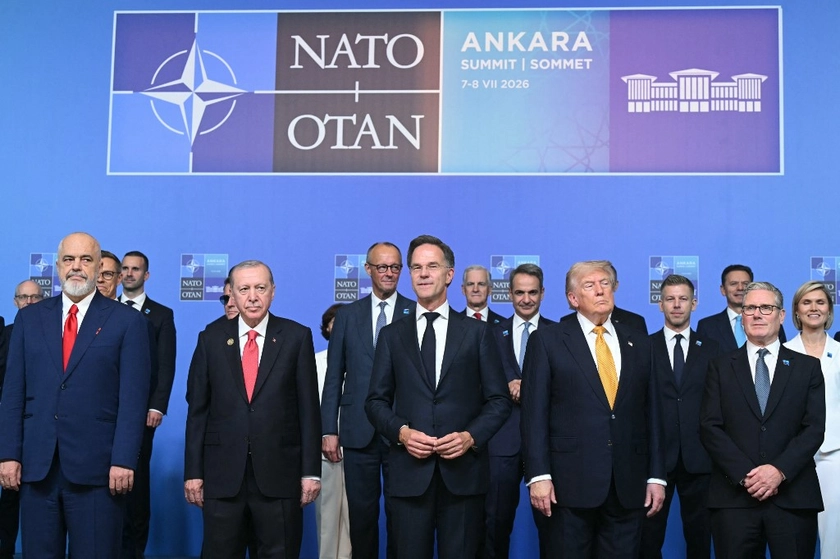
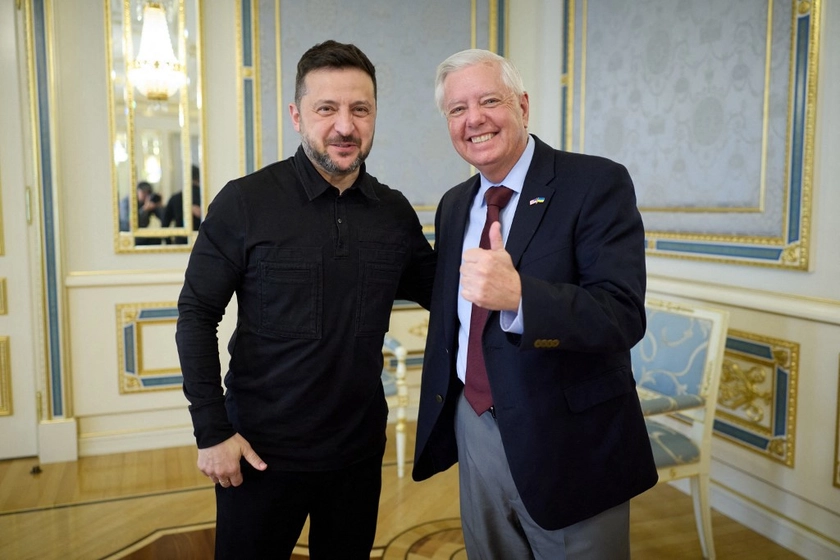
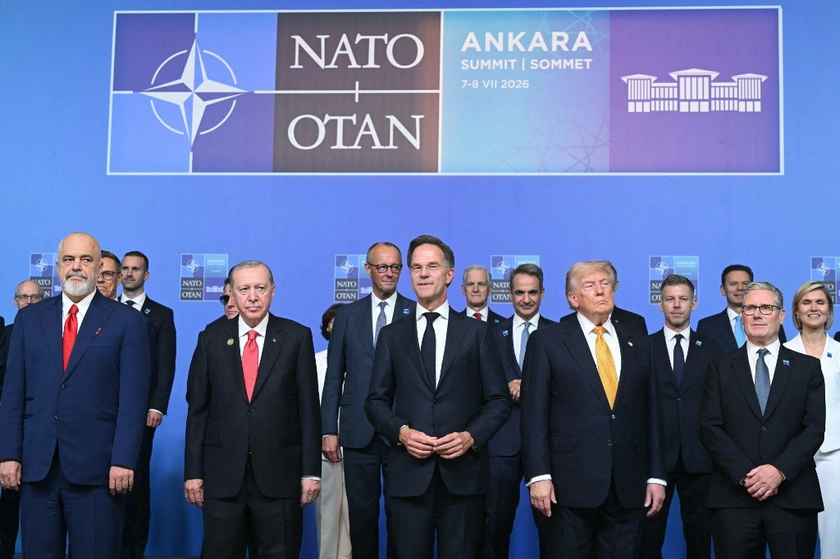
In a July 8 public meeting with Zelensky in Ankara, Turkey, US President Donald Trump signaled an effective reversal of 18 months of White House policy that had blamed Zelensky and Ukraine for the war’s failure to end. Trump praised Ukrainians for their resilience and innovation, and said the US would allow Ukraine to produce Patriot interceptor missiles under license after Washington “showed them how to do it.”
Władysław Kosiniak-Kamysz, Poland’s Deputy Prime Minister and Minister of National Defense, said in comments published by Poland’s national news agency PAP that he had recently discussed Europe-based Patriot missile production with his US counterpart, Pete Hegseth.
Kosiniak-Kamysz said Poland had signed an agreement with the United States, Germany, the Netherlands and Sweden to establish a PAC-3 missile service center for Patriot systems in Europe. Poland will oversee the transfer of PAC-3 production and servicing technology to Ukraine, which will cooperate with the European group in missile production, he said.
Asked when PAC-3 missiles might begin coming off a European production line, Kosiniak-Kamysz estimated that it could happen within several weeks.
“It’s not easy, considering that the United States alone is producing Patriot missiles on a scale that doesn’t even protect the United States, so it has to be done very quickly. We are determined. Poland is ready to immediately service and conduct further operations.”
Are Ukraine-licensed PAC-3 missiles coming soon?
A consistent feature of Trump White House public messaging has been the announcement of major agreements that would quickly solve a significant domestic or foreign policy challenge, only for time to reveal that the agreement had not been fully approved by all participants or still contained major sticking points.
The White House position on the state of the Russo-Ukrainian peace process is one of the better-known examples of the disconnect between US declarations and facts on the ground. Shortly before taking office, Trump said his intervention would end the war “in a day.” Over the next 18 months, the US president or other senior officials declared a Russo-Ukrainian peace deal “near,” “almost complete,” or “practically agreed” more than 50 times.
During that period, the only concession Kyiv made from its pre-war demands was agreeing to direct talks with Russian representatives. Moscow, despite Trump’s repeated claims that a deal was nearly complete, made none.
During his photo-op with Zelensky, Trump acknowledged that PAC-3 manufacturer Lockheed Martin had not yet agreed to share PAC-3 production technologies with Ukraine. Trump said he did not think that would be a problem.
Currently, the only foreign country producing PAC-3 missiles under license is Japan. After Tokyo made a political decision in the early 2000s to negotiate with the US for domestic PAC-3 production in response to increasingly effective North Korean ballistic missiles, Japanese conglomerate Mitsubishi broke ground on a manufacturing facility in 2006 and test-fired the first Japanese PAC-3 missile in 2008.
Japanese PAC-3 production remains low-volume, at only around 30 missiles per year, and exports are banned. Under US national security law, Mitsubishi must use certain components and parts that may only be assembled in the US and placed on missiles under production by American Lockheed Martin employees based in Japan.
If the same US rules applied to a European PAC-3 manufacturing initiative, American Lockheed Martin employees would have to live and work in wartime Ukraine if a PAC-3 assembly line were ever set up there. According to Kremlin statements, such personnel would become legitimate targets for Russian missile and air attacks.
Can Russia blast Ukraine with ballistic missiles until the 2030s?
As with practically all Ukrainian defense initiatives, government efforts to convince allies to provide the weapons needed to fight Russia are only part of the story.
In the case of missiles designed to intercept ballistic missiles, Ukraine entered the war with a relatively strong industrial base, including world-class experience in missile engines and construction dating back to the Soviet era. Ukraine has also actively produced civilian rockets and major components for Western aerospace companies, including Boeing, Northrop Grumman and Vega.
Ukraine’s domestic interceptor guidance technology was also well developed, with military-focused companies already producing radars, seekers and navigation systems that could potentially be combined into a purely Ukrainian interceptor missile similar to the PAC-3.
In early 2026, senior executives at Ukrainian aerospace company Fire Point, which became known for developing highly effective long-range drones at low cost and in large numbers, announced that the firm had begun work on an interceptor missile called Freya, designed specifically to shoot down Russian ballistic missiles.
According to Fire Point, the Freya missile will use domestically produced engines and war-tested composite materials. Its flight control system will combine AI-autonomous guidance developed by Fire Point with advanced seeker technology from a Western partner company.
Ukrainian military media reported in June that Fire Point was in talks with German military radar company Hensoldt on possible cooperation. Later that month, the two companies signed a memorandum of understanding for Hensoldt to supply Fire Point with the TRML-4D high-performance radar, a top-end sensor designed to detect and track ballistic missiles, for the Freya interceptor system.
Major German military technology manufacturer Diehl has also been reported in Ukrainian media as a possible participant in the Freya project.
In company statements, Fire Point has said it is “fully ready” to start building and testing experimental missiles. Fire Point co-founder and chief designer Denys Shtilerman said in late June that the first test Freya missiles would be ready for firing by the end of 2026 and that, if all goes well, serial production would likely begin in early-to-mid 2027.
According to Thursday and Friday news reports, Ukrainian negotiators were told during NATO meetings earlier in the week that Western allies had agreed to send a small number of Patriot missiles, with arrival expected by the end of July. Ukrainian media identified Poland as one of the donors.
According to most reports, the urgently needed resupply would amount to fewer than 20 PAC-3 interceptor missiles.
You can also highlight the text and press Ctrl + Enter