Ukrtelecom says it plans to build 8,300 kilometers of fiber-optic cables, in addition to to 11,000 kilometers of the cables already laid. The cost is estimated to be around Hr.1 billion ($25 million), according to the company’s public press release.
The business that is owned by Ukraine’s richest man, SCM Holdings owner Rinat Akhmetov, became popular after the first wave of blackouts in Ukraine in autumn 2023.
JOIN US ON TELEGRAM
Follow our coverage of the war on the @Kyivpost_official.
Its loyalty to cable internet and fixed telephony had been seen as outdated, but when Russia’s missile attacks on energy infrastructure forced wireless internet to turn off during power outages, optical fiber and copper cables continued to provide internet directly to computers and Wi-Fi routers connected to power banks.
Ukrtelecom became the focus for optical fiber provision, as its nationwide telephony network was readily able to provide telecommunication services in all regions of the country.
The company is looking for new market acquisitions, company CEO Yurii Kurmaz told Interfax-Ukraine. Ukrtelecom was negotiating a possible merger and acquisitions (M&A) deal in 2023, which fell through because of a lack of compliance transparency on the seller’s part.
Both new wartime regulations and high demand made mobile carriers lay 13,600 kilometers (more than 8,400 miles) of fiber optic cable during 2022 and the first half of 2023, according to a study by Speka media; more than half of which was laid by Ukrtelecom.
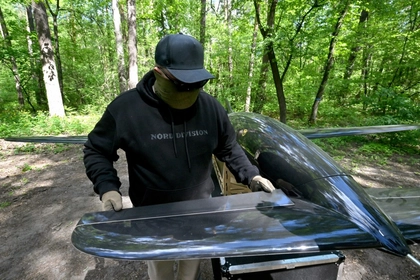
EXPLAINER: Ukraine’s Punishing Mid-Range Drone Bombardment of Russia – The Aircraft
In November 2022, Ukraine’s president issued decree No. 802/2022 “On the provision of electronic communication services under martial law” that obligated mobile carriers to be able to ensure uninterrupted communication and power supply of critical infrastructure for at least three days. Demand increased tenfold and companies had orders booked half a year ahead of schedule, companies told Speka.
During the Russian shelling in the fall of 2022, queues to connect to energy-independent internet increased tenfold, providers say. Providing the population with non-volatile internet and, in particular, highspeed access using GPON technology has become an urgent issue for Ukrainian providers and a top request among users.
You can also highlight the text and press Ctrl + Enter