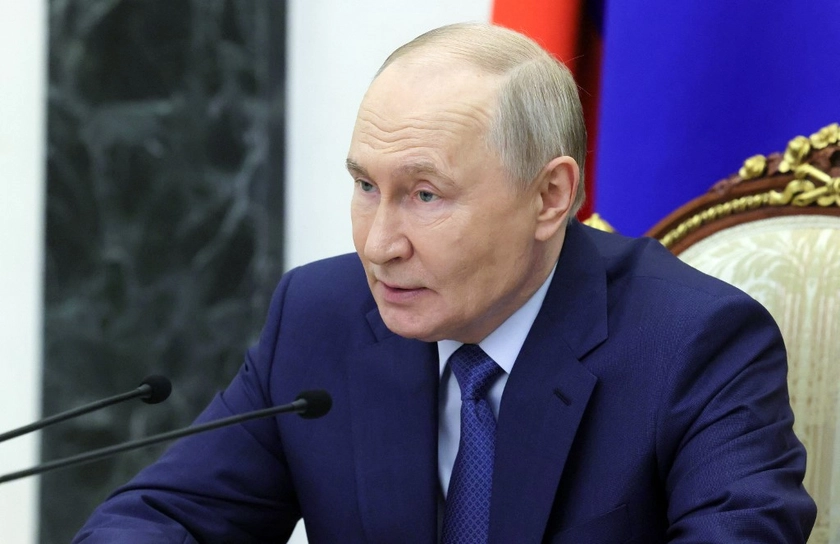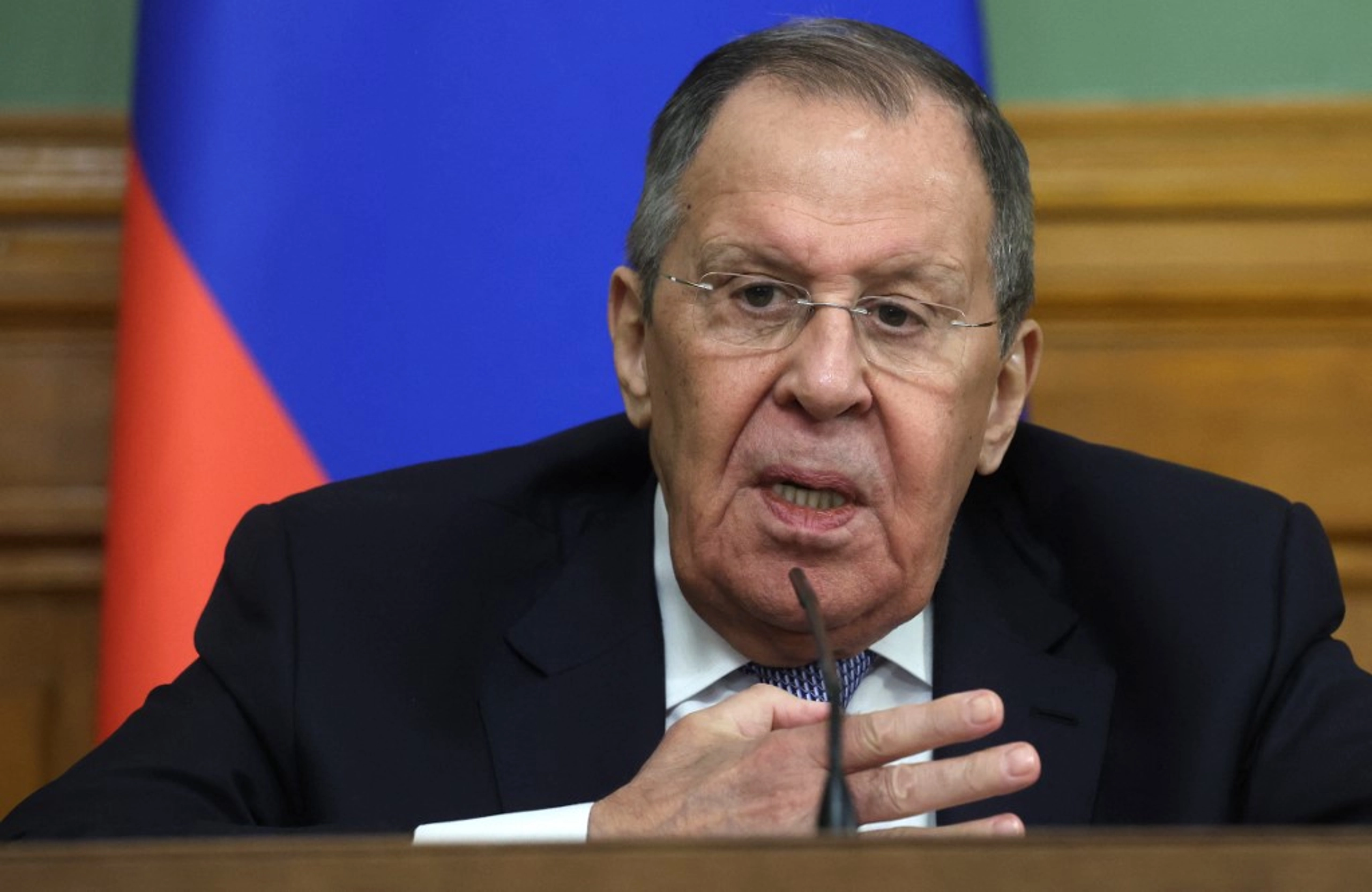
Russian Foreign Minister Sergei Lavrov has accused the US of backtracking on a Ukraine deal made between Moscow and Washington during the Alaska summit in August 2025.
According to Lavrov, the “proposals” were also initiated by the US, though the terms were never publicized.
JOIN US ON TELEGRAM
Follow our coverage of the war on the @Kyivpost_official.
During an interview with Russian media outlet Izvestia at the St. Petersburg International Economic Forum (SPIEF) on Thursday, Lavrov was asked whether the roles of US negotiators Steve Witkoff and Jared Kushner were appropriate, given that they were described as being “responsible for virtually all wars” involving the US.
Lavrov said he saw no issue with their involvement before accusing Washington of failing to follow through on the agreement reached in Alaska between US President Donald Trump and Russian leader Vladimir Putin.
“Aug. 15 of this year will mark one year since the Alaska summit, where the Russian leadership accepted the American proposals on Ukraine following their consideration,” Lavrov said.
“Since then, we have seen no progress, no desire to persuade Ukraine to accept these American proposals.”
Lavrov added that the US, including Witkoff and Kushner, boasted of potential dealings if the war in Ukraine is settled, but failed to fulfill their end of the bargain.
“But, they say, Ukraine must first be resolved. We proceeded, and continue to proceed, from the assumption that the Ukrainian issue was resolved in August 2025 in Anchorage, as far as the Russian Federation is concerned. We accepted the United States’ proposal,” Lavrov said.
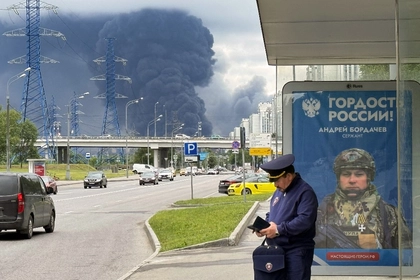
Ukrainian Missile Campaign Now Reaches Across Half of Russia
He said the US did not pressure Ukraine.
“They acted as a mediator, but for some reason, when one side accepted their mediation offer, they somehow cooled toward the process and exerted no pressure on Ukraine,” Lavrov said.
The most recent pressure from the US on Ukraine revolved around the 28-point deal originating from Putin’s financial advisor, Kirill Dmitriev, in November 2025, which essentially repackaged the Kremlin’s war goals.
At the time, Trump gave Kyiv a one-week deadline, until Thanksgiving, to accept the deal drafted without Kyiv’s participation. The deal was eventually whittled to 20 points and went nowhere.
What was agreed upon in Alaska?
The terms of the closed-door meeting were never publicized.
The summit, which saw Putin set foot on US soil for the first time since 2022, was widely seen as a diplomatic win for the Russian leader following the West’s ostracism of Russia after its 2022 invasion.
Prior to the meeting, Trump floated a “territory swap” deal that would see Ukraine cede the Donetsk and Luhansk regions and freeze the lines in the Kherson and Zaporozhzhia regions, in exchange for territories back from the Kharkiv and Sumy regions.
Kyiv fiercely rejected the deal at the time; a Kyiv Post analysis asserted that it would allow Russia to keep a swath of Ukrainian territory it had failed to capture in exchange for giving up little of what it occupied.
Prior to the summit, Trump also threatened Putin with sanctions if a ceasefire deal is not reached. The summit resulted in neither a ceasefire nor sanctions.
After the summit, Trump called his meeting with Putin “extremely productive” and added that many points of agreement were reached despite a few significant obstacles.
Putin also spoke vaguely of the outcome but invited Trump to Moscow for a potential meeting, to which the latter said, “Interesting.”
What does Moscow want?
The terms demanded by Moscow have undergone some revisions, but core themes such as territorial demands and Ukraine’s NATO ban remain.
One involves the control over eastern Ukraine’s Donetsk and Luhansk region – colloquially known as the Donbas. Russia controls nearly the entirety of the Luhansk region – albeit the logistics route is under Ukrainian drone threats – but failed to capture the Donetsk region despite over 12 years of military campaign since 2014.
Capturing the Donbas had been part of Russia’s official war goals in 2022, a goal recently amplified by Russian officials once again amid prospects of renewed peace talks.
The other includes a ban on Ukraine’s accession to NATO.
Trump and his aides have ostensibly agreed to the term by repeatedly calling Ukraine’s NATO bid unrealistic. The point was included in the 28-point draft but later omitted in the revised 20-point version.
The NATO ban on Ukraine was also part of Russia’s ultimatum to Biden months before the 2022 invasion – which also demanded NATO’s troop rollback from other post-Soviet Eastern European member states, meaning they were unlikely to be fulfilled in their entirety, Ukraine or not.
Other issues include the recognition of occupied Crimea, a cap on the Ukrainian military, and vague terms such as the “denazification” of Ukraine that have garnered less traction in both Russian media and official Kremlin remarks as the war drags on.
You can also highlight the text and press Ctrl + Enter

OPINION: The New Line Kyiv Quietly Built Into NATO