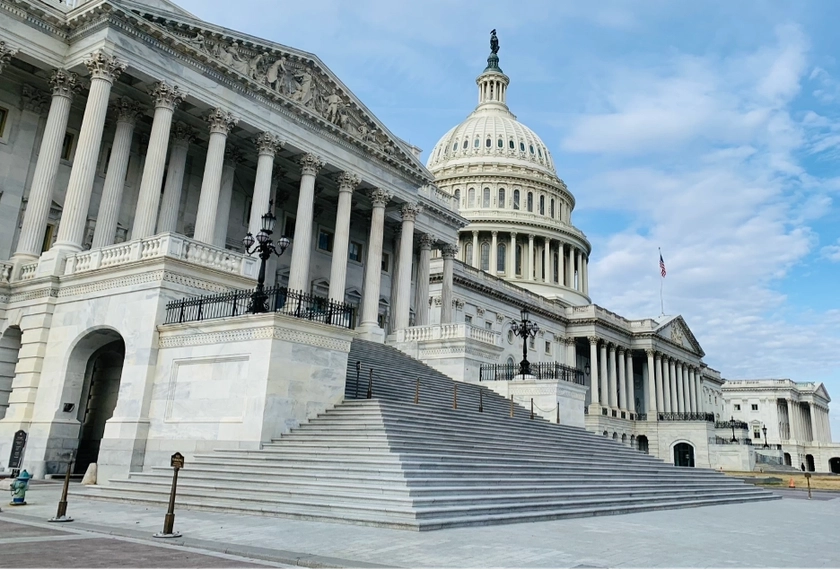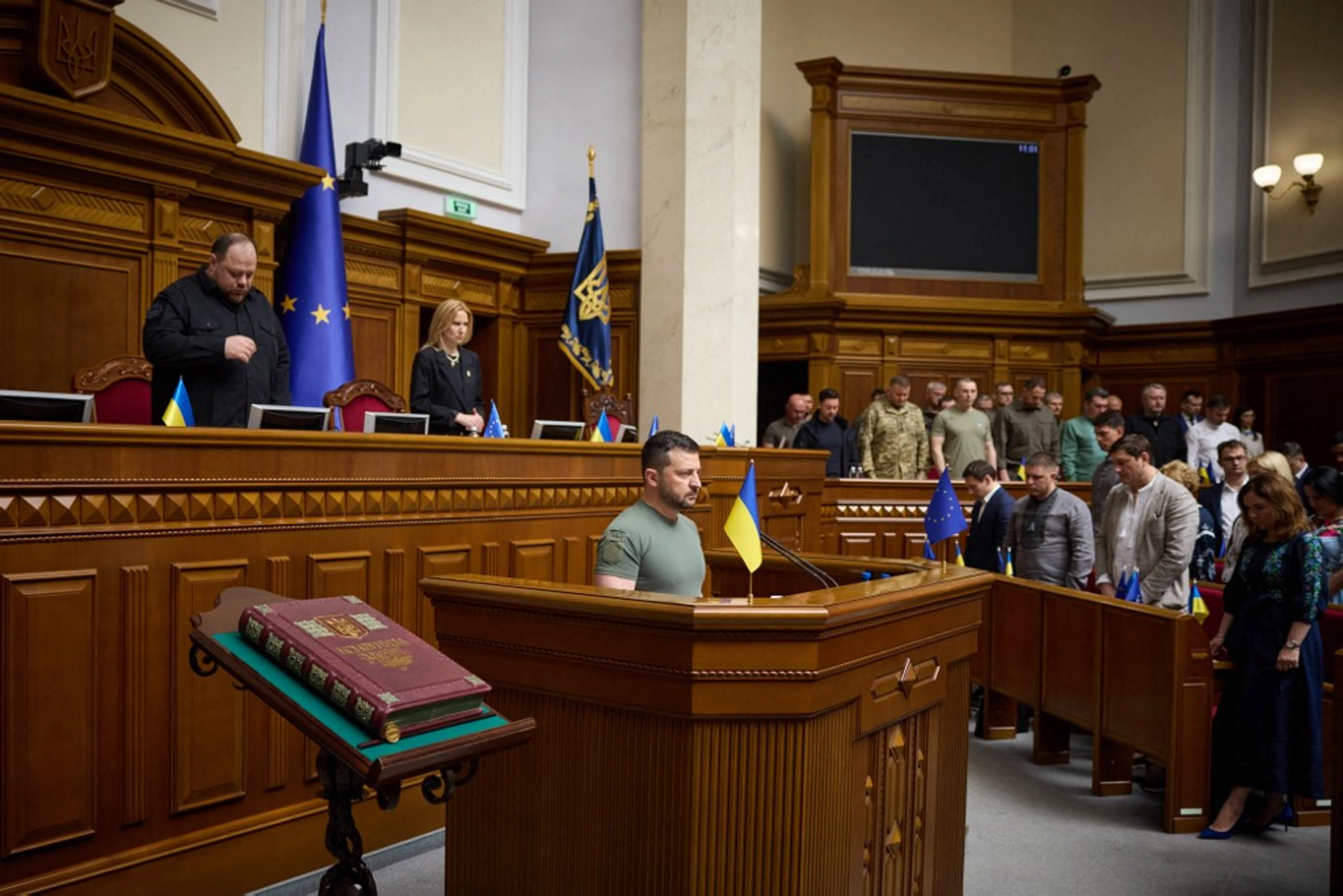
Ukraine’s Verkhovna Rada passed a resolution Tuesday officially stating that Ukraine will hold elections only after “comprehensive, just, and lasting” peace is established in Ukraine.
The resolution, No. 13041, “On Supporting Democracy in Ukraine in the Conditions of Aggression by the Russian Federation,” was adopted amid pressure from both Russia and the United States.
JOIN US ON TELEGRAM
Follow our coverage of the war on the @Kyivpost_official.
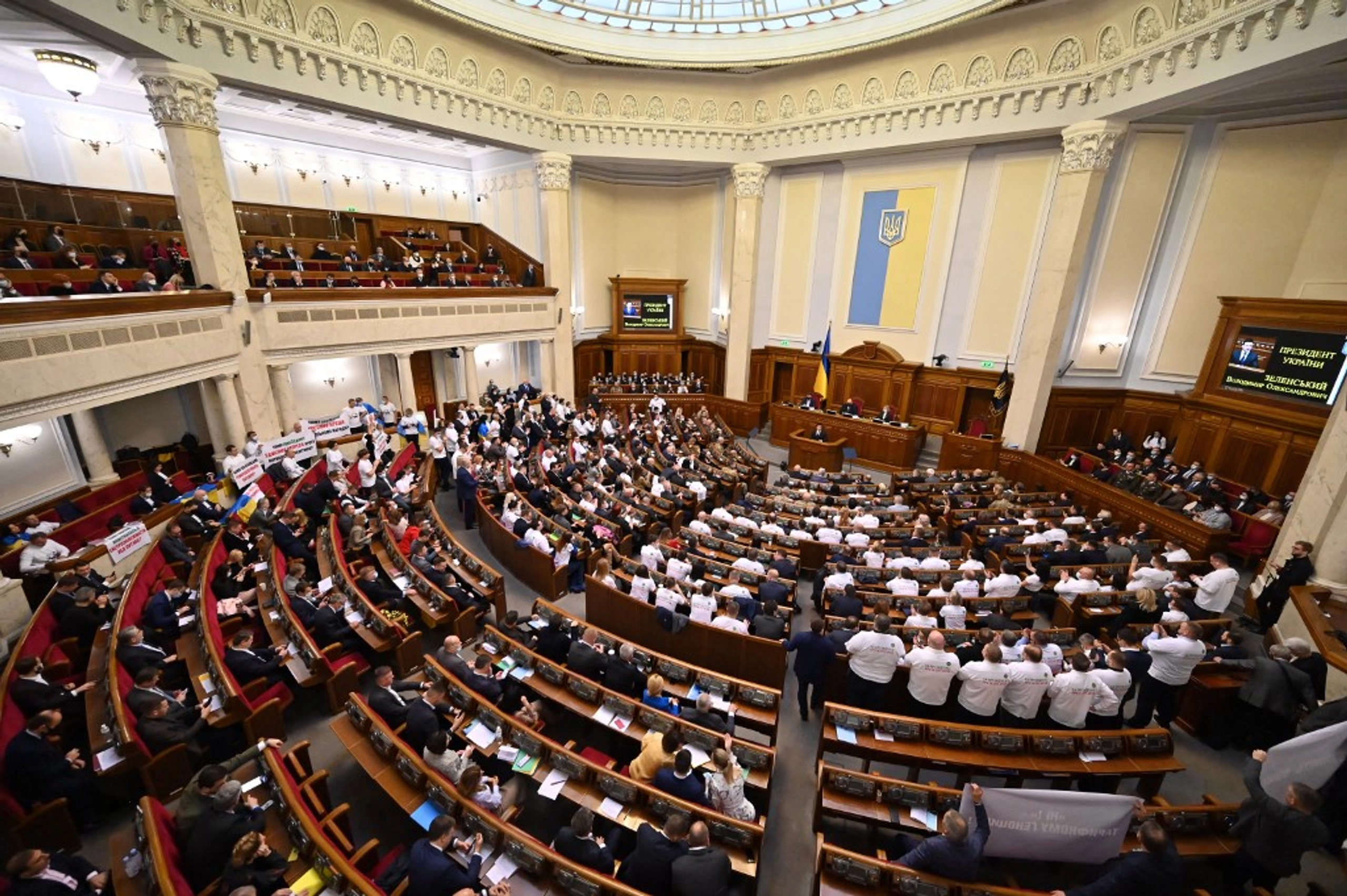
Of Ukraine’s approximately 400 lawmakers, 268 voted in favor of the resolution.
Russian dictator Vladimir Putin has said that Ukraine’s elections are crucial, claiming that only President Volodymyr Zelensky is preventing a peace deal with Russia, which began its ongoing full-scale invasion of Ukraine three years ago.
Putin said that Zelensky should leave his post, calling him a “toxic figure.”
“It doesn’t matter what his rating is – 4% or however much…His rating is half that of Zaluzhny. Zelensky has no chance of winning new elections,” Putin told Russian propagandist Pavel Zarubin in an interview.
Putin likely seeks to exploit the electoral process, which in Ukraine is typically marked by intense political competition – to destabilize the country.
Trump Downplays Russian Drone Incursion into Poland as ‘Mistake,’ Drawing Sharp Rebuke From Allies
“The elections are not beneficial to Putin as a whole, because they would only strengthen the legitimacy of the Ukrainian government – whether it’s this one or another, if a different force wins… He is more interested in the transitional process, the so-called ‘inter-power’ period, which he can exploit,” said analyst and PhD in political science Rostyslav Balaban.
Consequently, even Ukrainian opposition politicians have declared that holding elections during wartime is unacceptable.
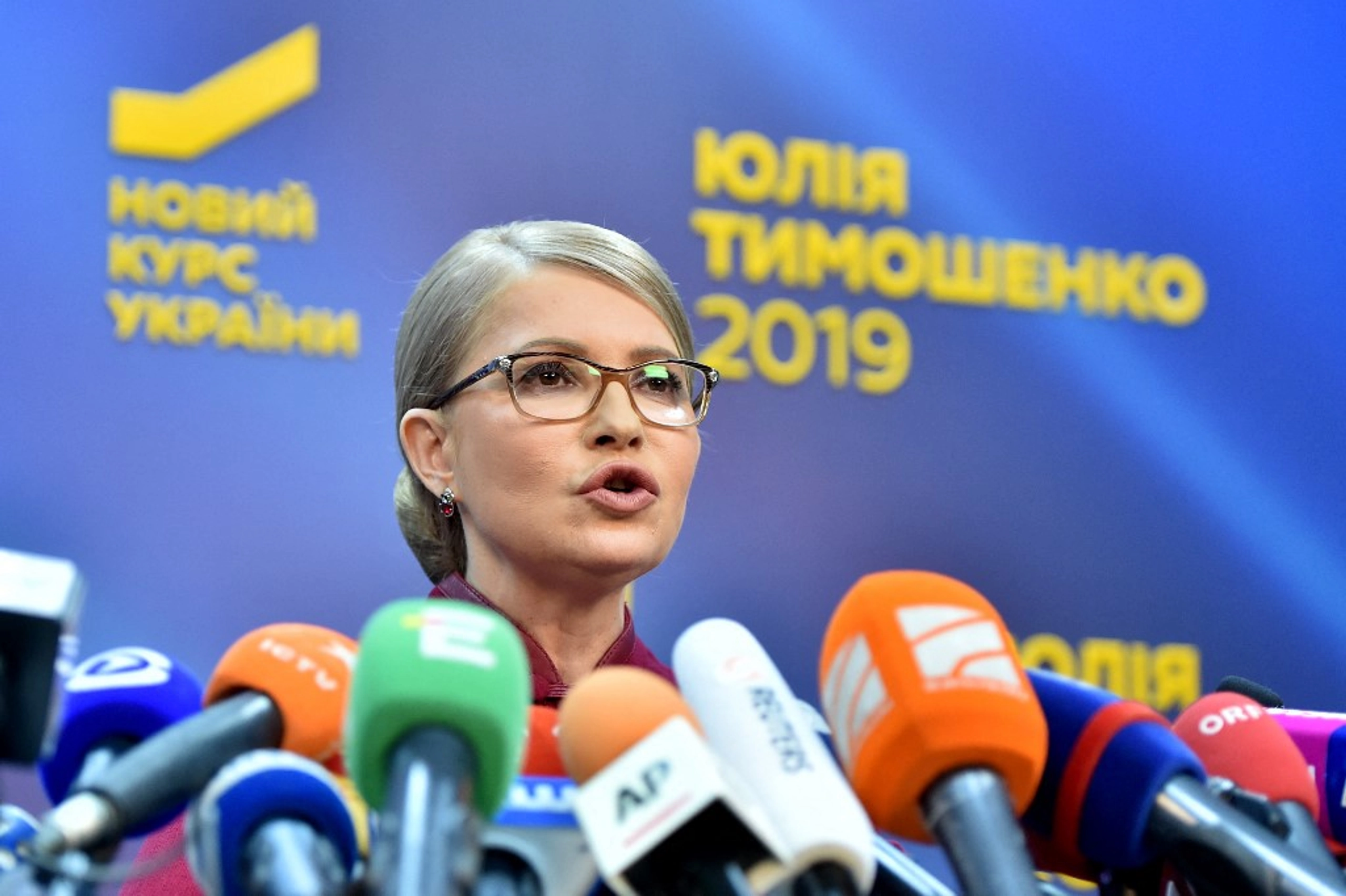
According to ex-Prime Minister Yulia Tymoshenko, elections held during wartime would additionally exclude military personnel – nearly one million individuals – from participating, which could lead to internal political tension and unrest, aligning with Putin’s objectives.
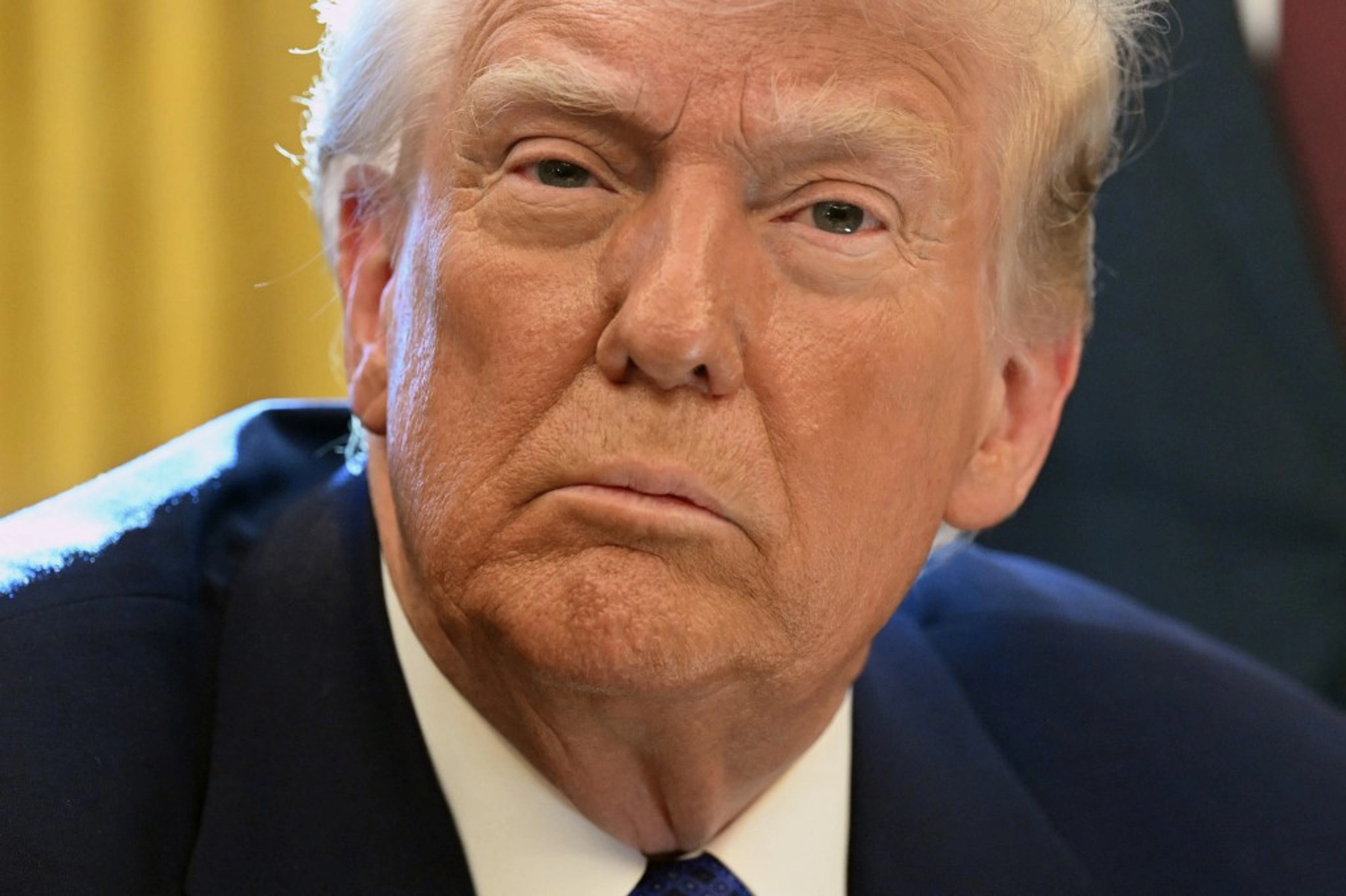
The motives of US President Donald Trump, who has echoed Putin’s arguments (including the claim that Zelensky’s approval rating is only 4%, despite polls indicating support above 50%), remain unclear.
Some Kyiv Post sources suggest that Trump may believe negotiating a resource agreement with another president would be easier, while others speculate that lingering tensions from his unsuccessful 2019 conversation with Zelensky – leading to Trump’s impeachment proceedings – play a role.
What does the resolution say and who is it addressed to?
The resolution includes several key points, seeming to directly respond to both Trump and Putin:
- Air raids continue daily, cities across Ukraine are being struck, and civilians are forced to seek shelter. Under such conditions, no country has held elections that could be considered free and legitimate.
- Putin, who launched a full-scale invasion, is solely responsible for the fact that fair and open elections cannot currently be held in Ukraine.
- Martial law prohibits the holding of elections. The Ukrainian people are united in their stance that elections should only take place after the war.
- The Verkhovna Rada will set an election date only after the establishment of a “comprehensive, just, and lasting peace.” Zelensky will continue to fulfill his duties until a new president assumes office.
Political analyst Volodymyr Fesenko told Kyiv Post that this is essentially an act of political support for the president.
“It is a direct response to Trump and Putin’s statements about Zelensky’s legitimacy. This is a political document adopted in a specific context,” Fesenko said.
Balaban said that it’s important for Ukraine to maintain a strong position on this issue.
“It is important to understand that Trump thinks like a businessman, while Putin has a far-reaching goal,” Balaban said. “Russia can play along – pausing the fighting for a while or even agreeing to a truce – so that elections can take place, allowing Trump to claim he stopped the war. And then, Russia could strike even harder.”
Lawyer Pavlo Bogomazov, an expert in parliamentary law, said that unlike opinion polls, which Trump’s team might distrust, this resolution represents the will of the majority of Ukraine’s legislature, elected in free and internationally recognized elections.
“This is not just the stance of one person; it is a document supported by the parliamentary majority, which consists of members from multiple parties – not just the president’s party. It sends a clear message to international partners that elections will not be held until full and lasting peace is achieved,” Bohomazov said.
Does the resolution have legal force, and was it supported by the opposition?
A resolution is not a law, but according to Bohomazov, it carries similar legal weight.
“The legal authority of such documents is outlined in Article 91 of the Constitution of Ukraine. However, the Verkhovna Rada did not introduce new legal norms with this resolution; rather, it reaffirmed a parliamentary statement provided for under the same article of the Constitution and Article 146 of the Verkhovna Rada’s procedural rules. While the resolution does not establish new laws, law enforcement agencies, for example, may reference it in relevant cases,” he said.
The resolution received broad support across parliamentary factions, except for the opposition party European Solidarity, led by former President Petro Poroshenko.
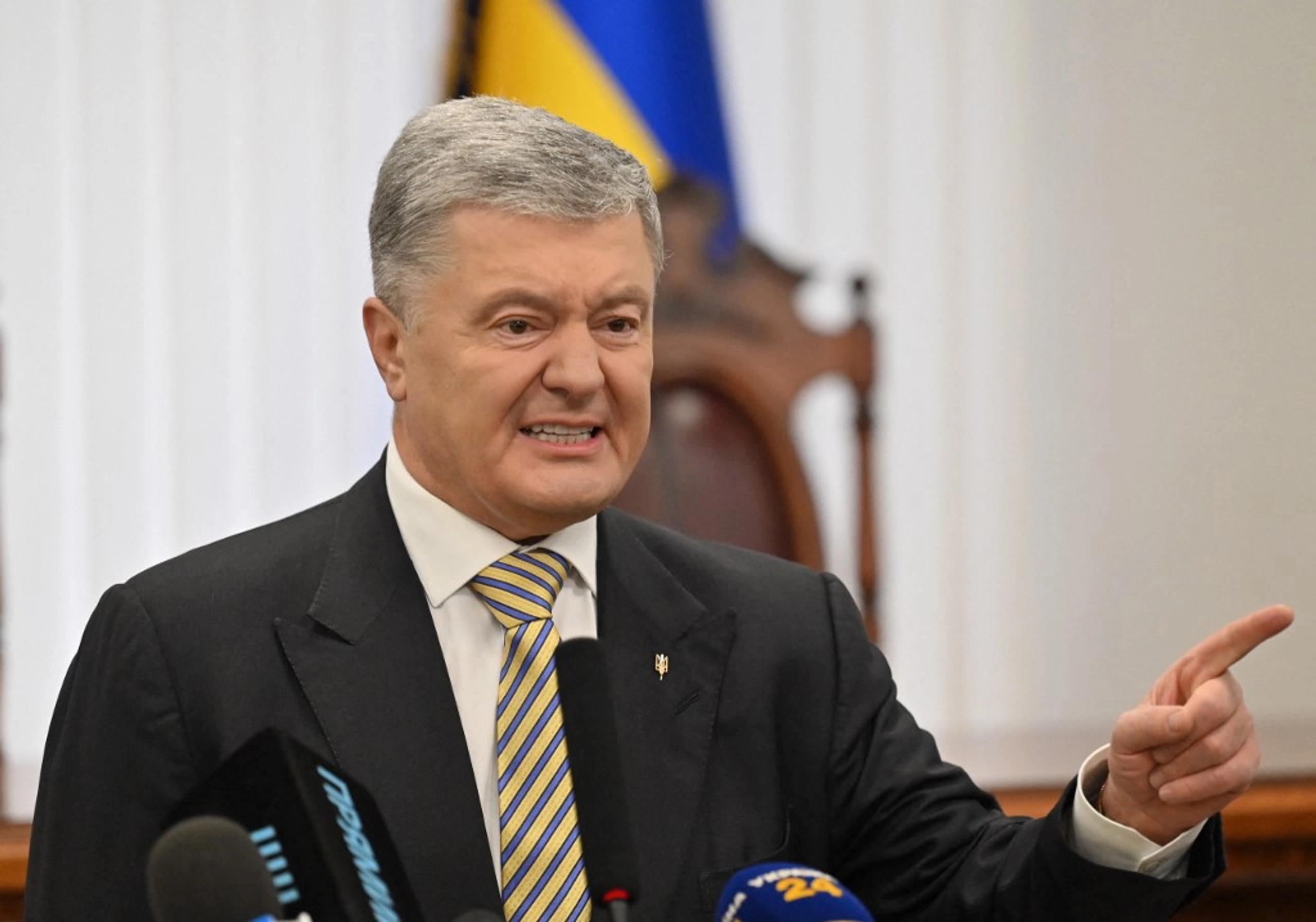
The party dismissed the decision as being “at the level of local councils.” However, Poroshenko himself stated in a Verkhovna Rada address that the opposition does not question the legitimacy of Ukraine’s government or Zelensky.
“We must not humiliate Ukraine by endorsing Putin’s narrative that Ukraine needs to confirm its government’s legitimacy through a parliamentary resolution. Our political force has never questioned, and does not question, the legitimacy of Ukraine’s government, including the president,” Poroshenko said.
Is this a political move to strengthen Zelensky’s position?
The opposition argues that the resolution serves to bolster Zelensky’s standing. However, in recent months, Poroshenko’s party has consistently criticized government decisions – particularly as political tensions escalated following the introduction of sanctions against Poroshenko himself.
“They are engaged in a fierce political battle, and with sanctions against Poroshenko, it has only intensified. If this resolution had been passed two or three months ago, it might have been seen as a strategic move to strengthen Zelensky. However, given the current context, I believe it is primarily aimed at neutralizing the election issue within the framework of peace negotiations,” Fesenko said.
You can also highlight the text and press Ctrl + Enter