The recent wave of searches and detentions in Ukraine’s capital, targeting several local officials and politicians came as a surprise to many because, for a long time, despite the strained relationship between state authorities and municipal leaders, a serious confrontation had not occurred.
However, everything changed rapidly this spring – after which Kyiv Post examined the potential shift in the balance of power in the capital.
JOIN US ON TELEGRAM
Follow our coverage of the war on the @Kyivpost_official.
An unexpected blow
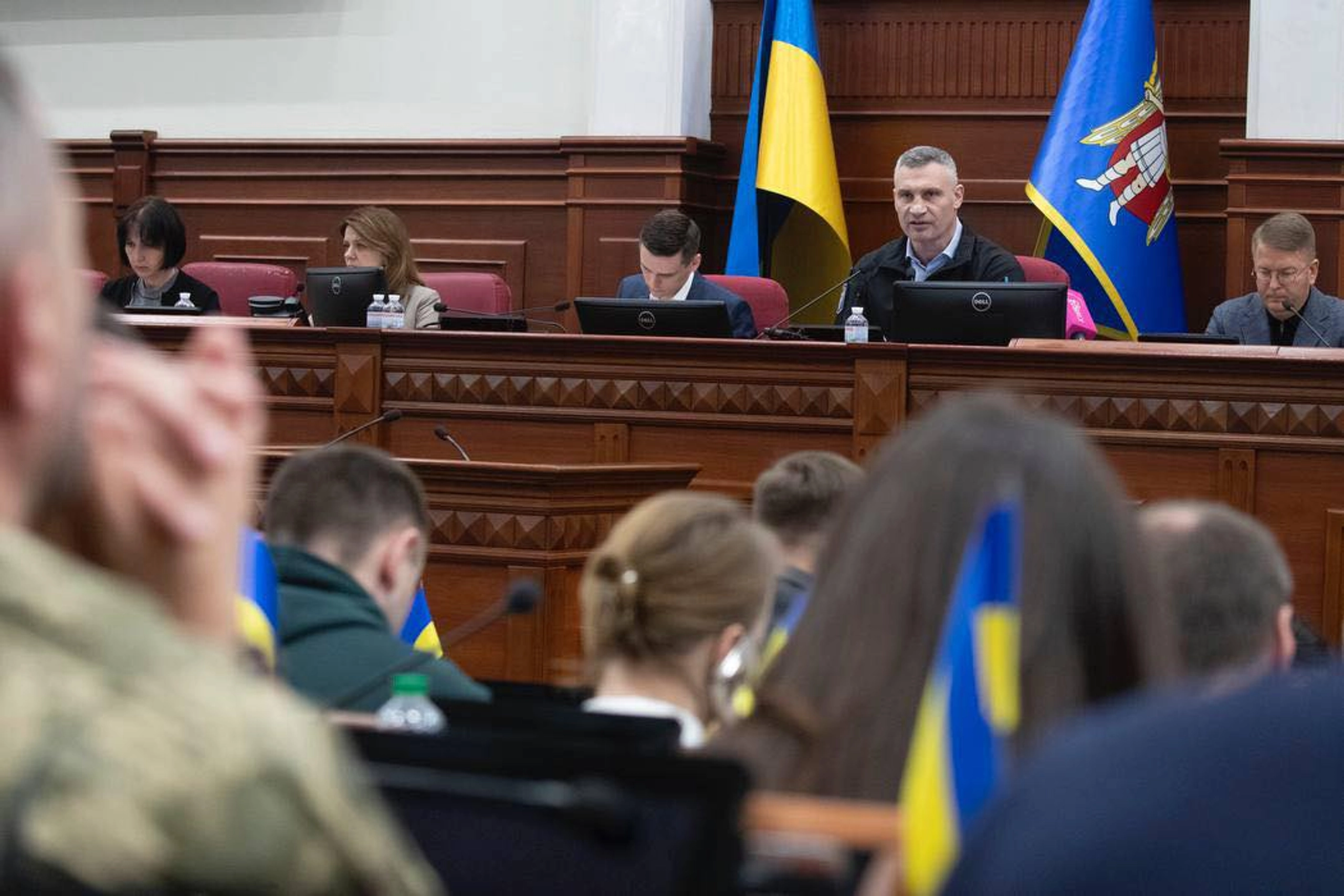
On Feb. 6, Ukraine’s leading anti-corruption bodies launched large-scale raids on deputies of the Kyiv City Council and officials within the city administration. These actions were part of a campaign aimed at rooting out corruption – Operation Clean City.
Investigators reported finding substantial quantities of cash: more than $6.4 million, €630,000 ($716,000), and Hr.800,000 ($20,000) hidden in bank safe deposit boxes.
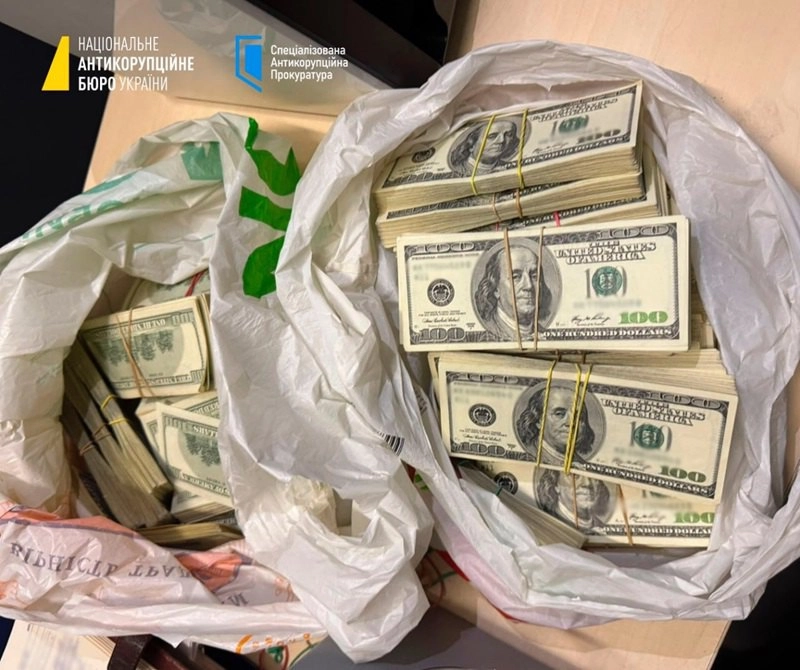
The National Anti-Corruption Bureau (NABU) and the Specialized Anti-Corruption Prosecutor’s Office (SAPO) stated the raids aimed to dismantle a criminal organization among Kyiv officials involved in land fraud. In overcrowded Kyiv, land for residential development is particularly valuable.
Zelensky Congratulates Ukrainians on 30th Anniversary of the Constitution
“One of the group’s key activities was the illegal seizure of valuable city land and control over the decision-making process regarding land rights allocation. Among the suspects are a former city council deputy and leader of the criminal group, the deputy chairman of the Kyiv City State Administration, current city council members, and several senior municipal enterprise officials,” NABU stated.
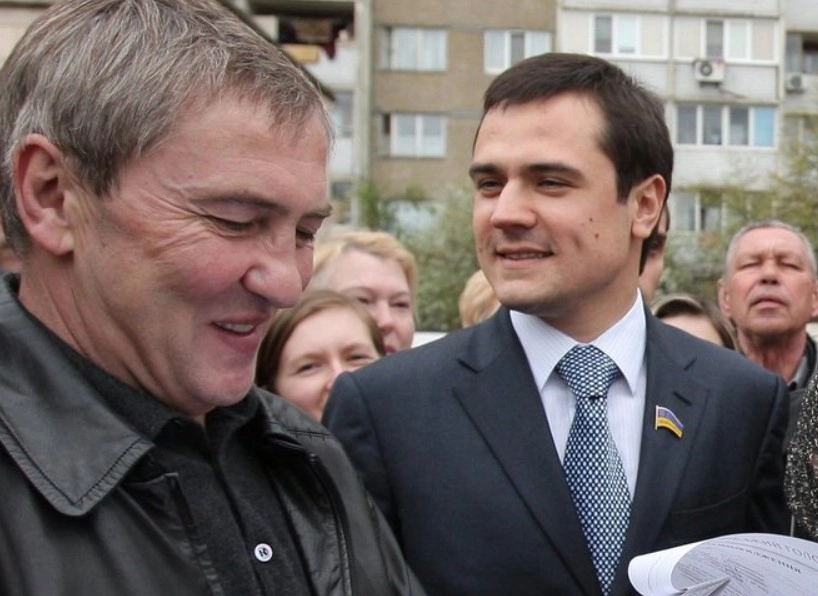
The alleged head of the “gang” was later revealed to be Deputy Denys Komarnytsky, a close associate of former mayor Leonid Chernovetsky. Komarnytsky also wielded significant influence under Mayor Vitali Klitschko, and was often referred to as Kyiv’s “shadow mayor.” Despite the pending charges, he was able to flee abroad in March, sparking public outrage.
Corruption in Kyiv has long been an open secret. Historic architectural monuments were routinely demolished under the guise of “reconstruction,” making way for high-rise developments by powerful real estate groups. These acts – often involving elegant 19th century aristocratic estates – provoked public anger and frustration.
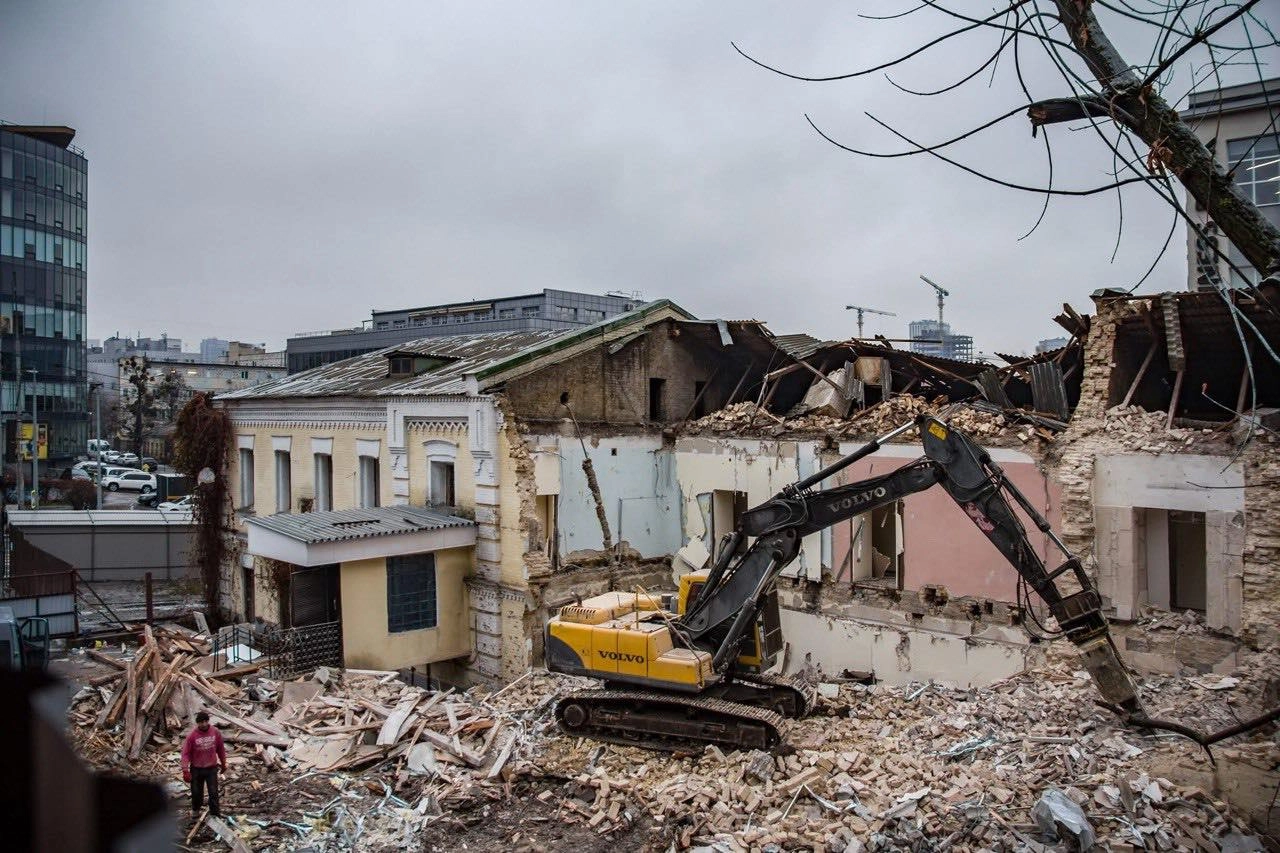
Therefore, the public largely welcomed the crackdown on what many viewed as the entrenched “Kyiv clan.”
Political undertones
It is clear that this anti-corruption operation also carries political implications. Most of those implicated are linked to Kyiv’s current mayor, Vitali Klitschko.
In response, Klitschko announced via Telegram that the officials involved would be dismissed.
Among those removed were: Deputy Chairman of the Kyiv City State Administration Petro Olenych, deputy head of KP “Kyivblagoustrii” Oleksiy Mushta, deputy director of KP “Special Housing Fund” Yuriy Leonov, Kyiv City Council deputy and head of the Land Commission Mykhailo Terentyev, director of KP “Engineering Center,” director of the Kyiv Institute of Land Relations Ihor Dolynskyi, director of the Special Housing Fund Volodymyr Sharii, and deputy director of the Department of Urban Planning and Architecture Valentina Svyatina.
Klitschko acknowledged the seriousness of the issue, stating:
“We must recognize and correct our mistakes. Seven officials have been dismissed in connection with the ‘land case.’ The cleanup of city government will continue.”
His administration has faced repeated scandals. Just a year ago, the head of the Kyiv Metro, Viktor Braginskyi, was accused of corruption after suspicious declarations revealed unaccounted wealth and real estate linked to his ex-wife.
Earlier still, journalists reported that companies controlled by Komarnytsky had received billions of hryvnias in tenders from the Kyiv City Council, which is dominated by Klitschko’s and former President Petro Poroshenko’s political parties.
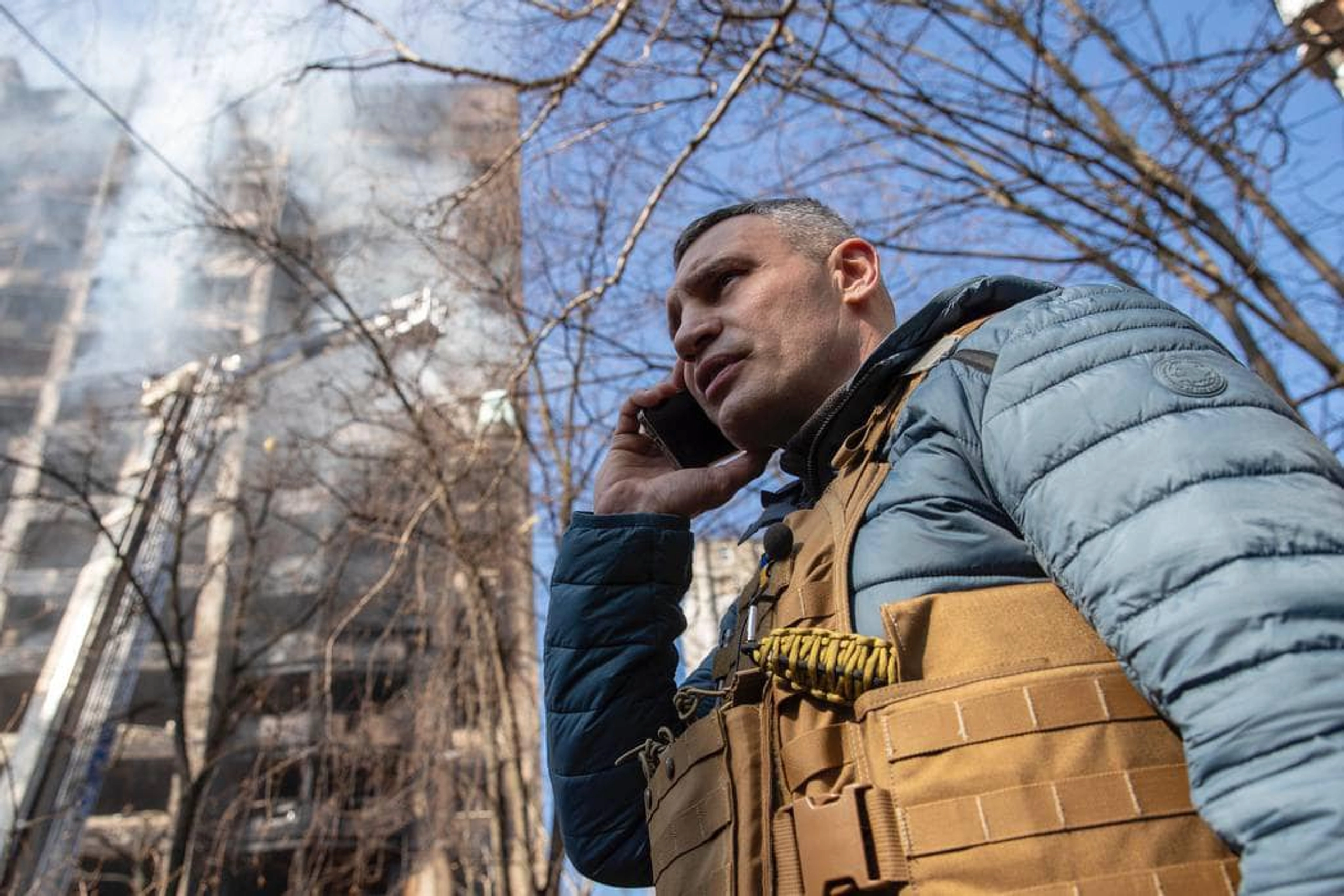
While Klitschko has denied connections with Komarnytsky, only admitting to seeing him last year at a Kyiv shopping mall.
The latest resignation came from City Council Secretary Volodymyr Bondarenko, a Klitschko ally. After a failed attempt by council members to remove him via secret ballot, Bondarenko resigned voluntarily. Klitschko did not defend him.
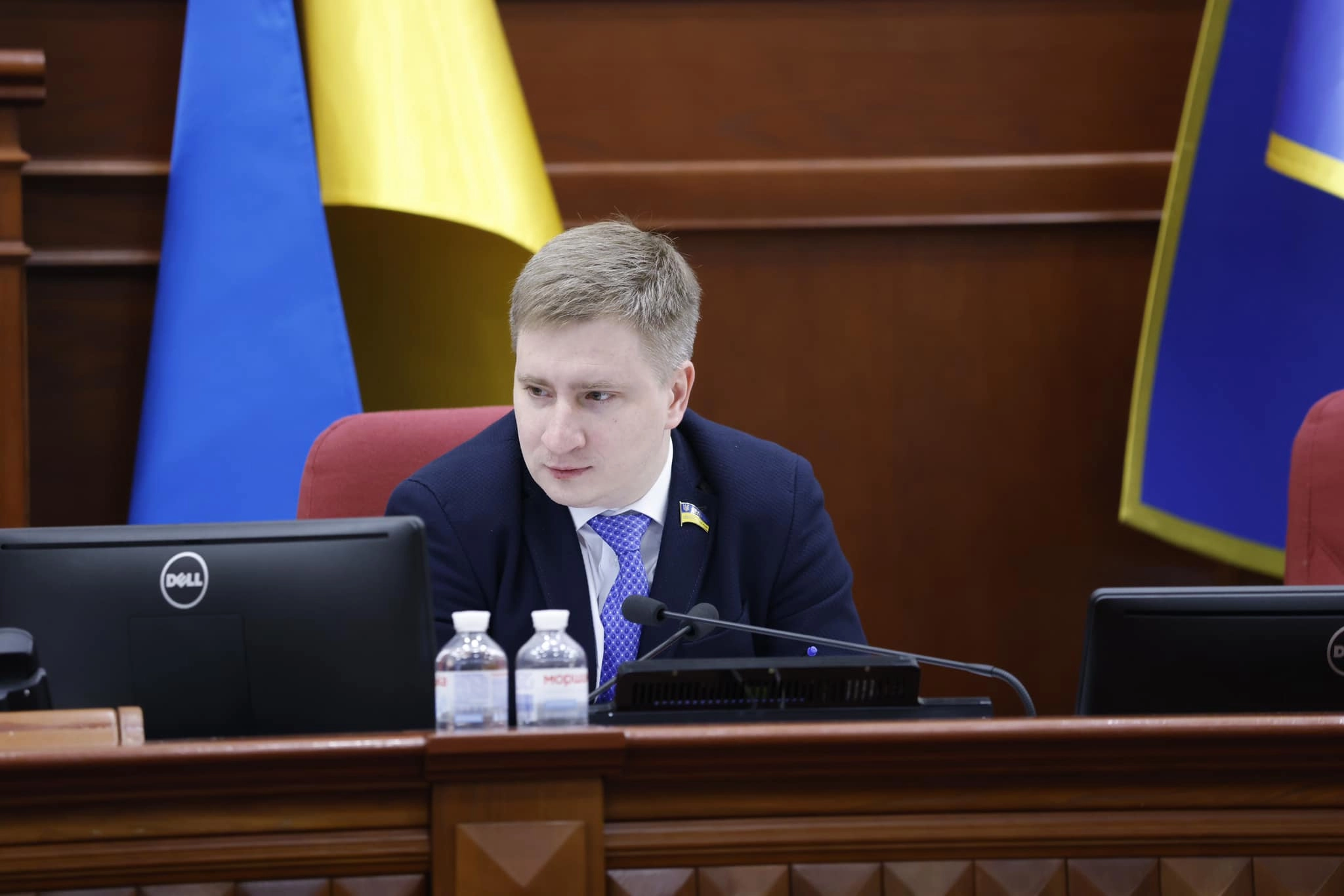
“Although Bondarenko is only a witness in the case, the situation is far from pleasant. When the council couldn’t dismiss him, he stepped down himself. I had already suspended him from overseeing meetings. I now handle that role myself – as mayor,” Klitschko stated.
Still, opposition factions criticized the move, arguing that Klitschko used the resignation to preserve his majority and protect a loyal ally.
“The council couldn’t dismiss him, so they staged a farce: he resigned voluntarily, and now everyone applauds. Not a dismissal in disgrace, but a graceful exit. He’s one of their own in this corruption swamp. And Klitschko promotes it as a noble act,” wrote the Holos party deputy and servicemember Alina Mykhailova on Facebook.
Sources at Kyiv Post say these dismissals, though painful for Klitschko, are necessary if he wants to distance himself from the scandal. However, they weaken his team amid escalating tensions with the central government.
Tensions with the central government
On Dec. 31, President Volodymyr Zelensky appointed Tymur Tkachenko as head of the Kyiv Military Administration (KMA) – a body with security responsibilities that also overlap with the mayor’s functions. Klitschko’s team reacted with hostility, especially since Tkachenko was once a member of their party.
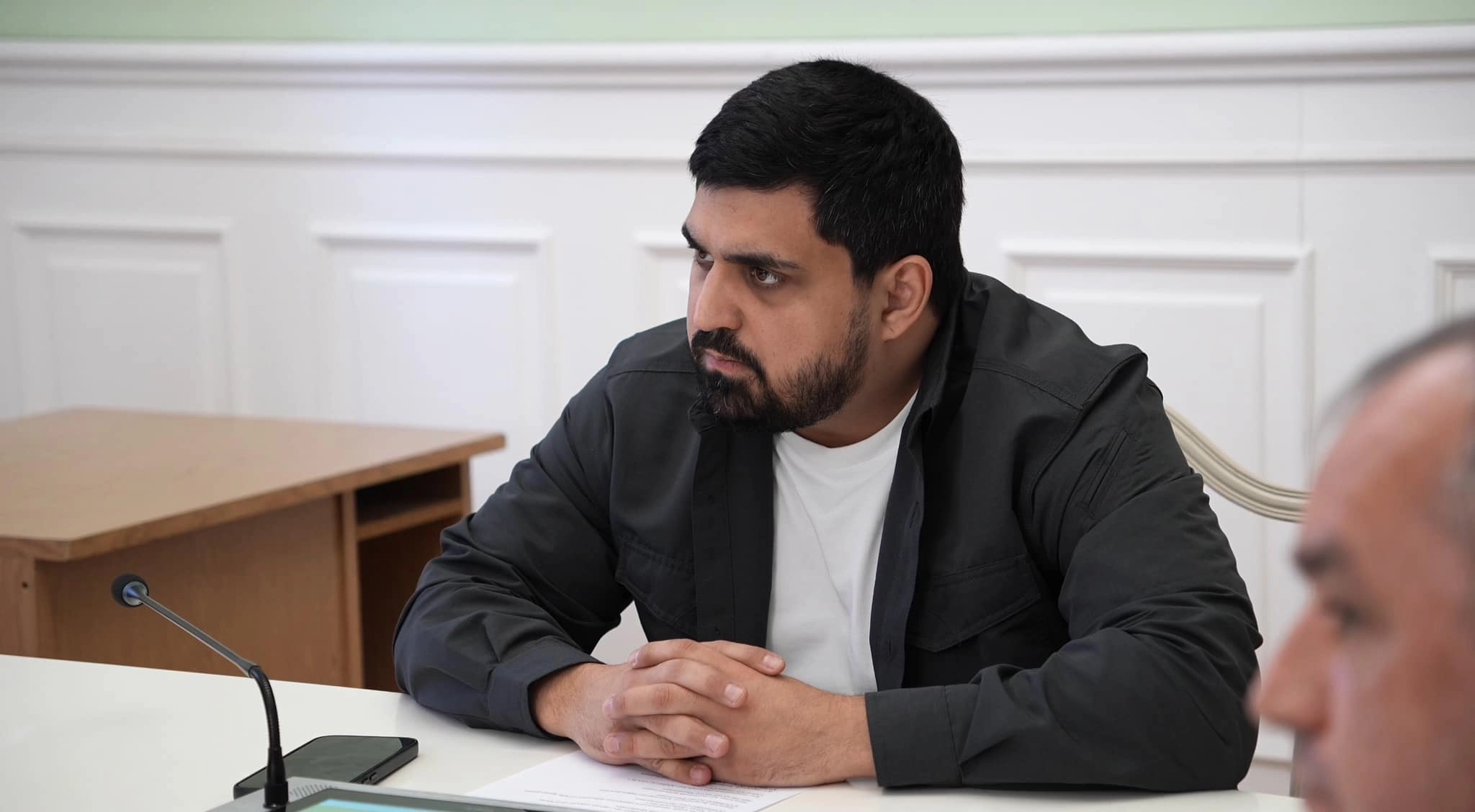
Deputy Dmytro Bilozerkovets, Klitschko’s adviser and a city council member, called the appointment purely political:
“Why wasn’t a military person appointed head of the KMA? Because, for the President’s Office, the war is over – it’s now about politics. This appointment is not about defense, it’s about taking control of Kyiv’s local government and creating a springboard for the president’s political project.”
His concern is shared by others.
Across Ukraine, unelected military administration heads – appointed by the president – have taken over duties typically performed by elected mayors. In frontline Chernihiv, for example, opposition mayor Vladyslav Atroshenko was removed after a corruption accusation, replaced by military administrator Dmytro Bryzhytskyi.
Relations between the central and local authorities have long been tense. President Zelensky often meets only with regional governors, avoiding local mayors during city visits.
At the same time, decentralization reforms allowed cities to manage their own budgets. While this led to visible improvements – modernization, infrastructure upgrades, and energy efficiency – many mayors took advantage of the new autonomy for personal or political gain.
Corruption accusations are common, though some observers point out that excessive bureaucracy also forces local leaders to “cut corners.” Still, these missteps give the central government political ammunition to go after municipal leaders.
Kyiv as a strategic political goal
Kyiv is Ukraine’s largest city, its political epicenter. Every president has sought to install a loyal mayor.
Under President Kuchma, Oleksandr Omelchenko – a loyalist – headed the city administration while his opponent, Leonid Kosakivsky, was elected mayor. Omelchenko later won the mayoral race with state support.
Under Yanukovych, no mayoral elections were held to prevent opposition taking control in Kyiv.
Under Poroshenko, Klitschko – a key Maidan figure – won the mayoral election with presidential backing. Some analysts believe this alliance was sealed by Klitschko abandoning his own presidential ambitions.
Whether the current government can seize control of Kyiv is unclear. Although Zelensky’s popularity saw a resurgence after his confrontation with Donald Trump, finding a trustworthy, electable mayoral candidate remains a challenge – especially in a city where residents have grown wary of political promises.
You can also highlight the text and press Ctrl + Enter

Attack on Moscow Oil Refinery: Putin Under Pressure?