As Russia shows no signs of stopping to pound Ukraine’s cities, EU foreign ministers are under pressure to make progress on military aid for Kyiv during today’s Foreign Affairs Council taking place in Luxembourg.
Under an initial plan, the EU’s top diplomat Kaja Kallas hoped to mobilise as much as €40 billion of military aid for Ukraine this year to strengthen Kyiv’s hand on the battlefield and in upcoming peace talks with Russia.
JOIN US ON TELEGRAM
Follow our coverage of the war on the @Kyivpost_official.
However, her proposal has stalled for weeks, with EU diplomats criticising the plan’s abstract nature, the way contributions would be calculated, and the lack of buy-in from mostly Southern European countries.
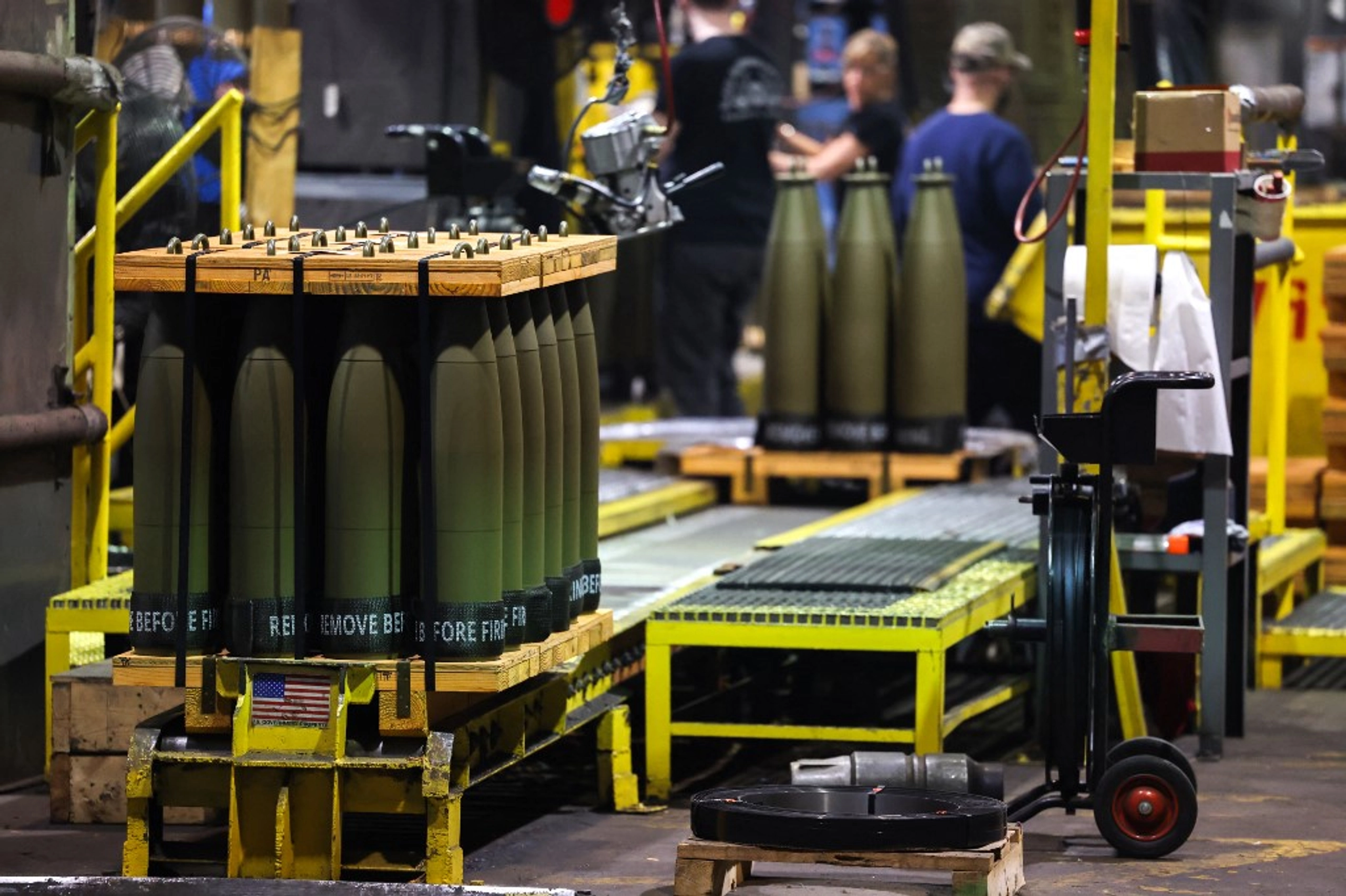
EU foreign ministers are expected to discuss an updated Kallas’ plan again today, now with a focus on one of its more modest elements, that would foresee spending €5 billion on 2 million rounds of large-calibre artillery ammunition this year.
According to EU diplomats, the ammunition part of the plan is achievable, as pledges already put forward by a few member states would cover up the desired sum. Kallas has said the desired amount is available on the market and can be delivered this year.
“Everyone agreed that Ukraine’s request for €5 billion worth of ammunition, voiced by Zelenskyy at the EU summit on 20 March, should be quickly granted,” one EU diplomat said after talks between the bloc’s ambassadors on Friday.

Russian Troops Refuse Island Deployments on Dnipro River
An increasing number of EU member states also agree that an attempt to salvage Kallas’ initial plans should be made.
“[There is] a clear attempt, supported by half the member states, to say that the Kallas plan 2.0 is not dead, remains on the table and is almost ready,” the same diplomat said.
“We need to have more solidarity when it comes to supporting Ukraine, and the GNI key is the ultimate instrument for this,” one EU diplomat said in reference to Kallas’ proposal to calculate contributions on the basis of using the gross national income (GNI) as a key indicator.
This part, which would determine contributions by the contributing countries’ “economic weight”, had been specifically opposed by larger countries – including France, Italy and Spain, who cite budgetary constraints.
Another EU diplomat, echoing a broad sentiment in Brussels, said that in the absence of Russia showing any signs of willingness to stop its attacks on Ukraine, the EU “cannot simply sit and wait and see what comes out of the US-Russia peace talks”.
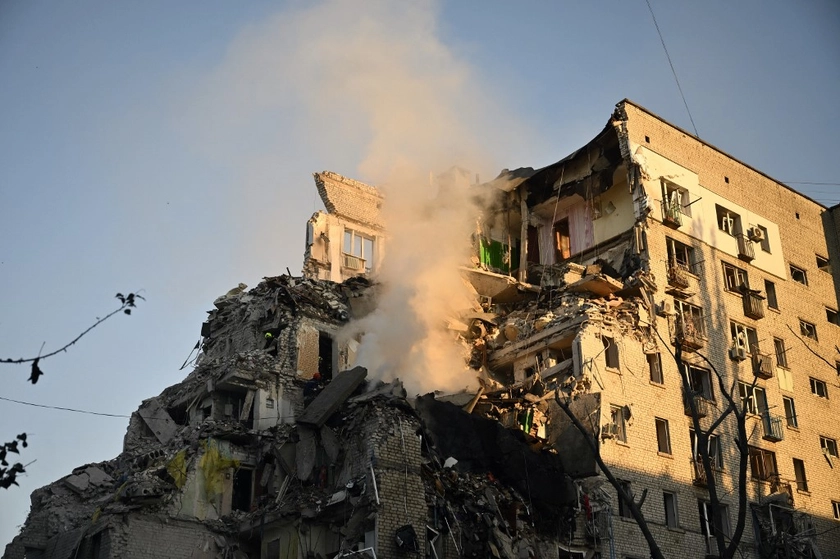
Over the weekend, European leaders condemned Russia’s latest deadly attack on the Ukrainian city of Sumy, warning that the strike undermined US-led peace talks.
According to officials, more than 30 people were killed in the missile strikes as people gathered to celebrate Palm Sunday.
At the same time, Hungary remains a key obstacle, with EU diplomats characterising Budapest’s stance as “completely out of reality” and only being focused on the US peace plan and energy security.
Kyiv’s allies in the Ukraine Contact Group last week pledged a record €21 billion in new military aid to the country, including a further €11 billion from Germany and £4.5 billion from the UK as Europeans race to replace waning US support to the war-torn country.
See the original of this article here.
You can also highlight the text and press Ctrl + Enter

EU Investigates von der Leyen Over Zelensky Chat