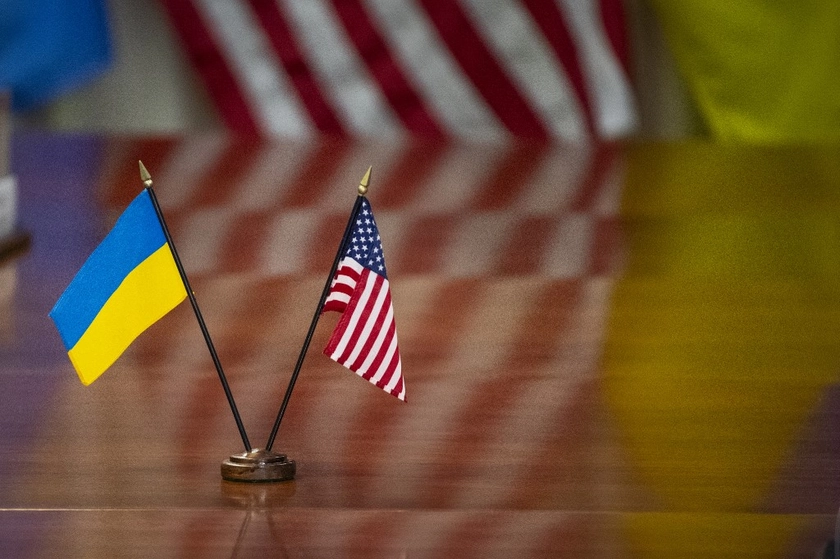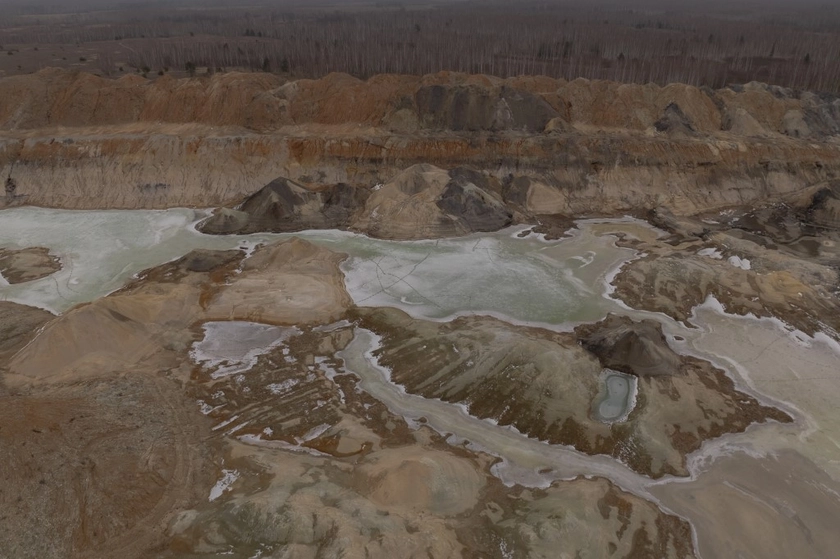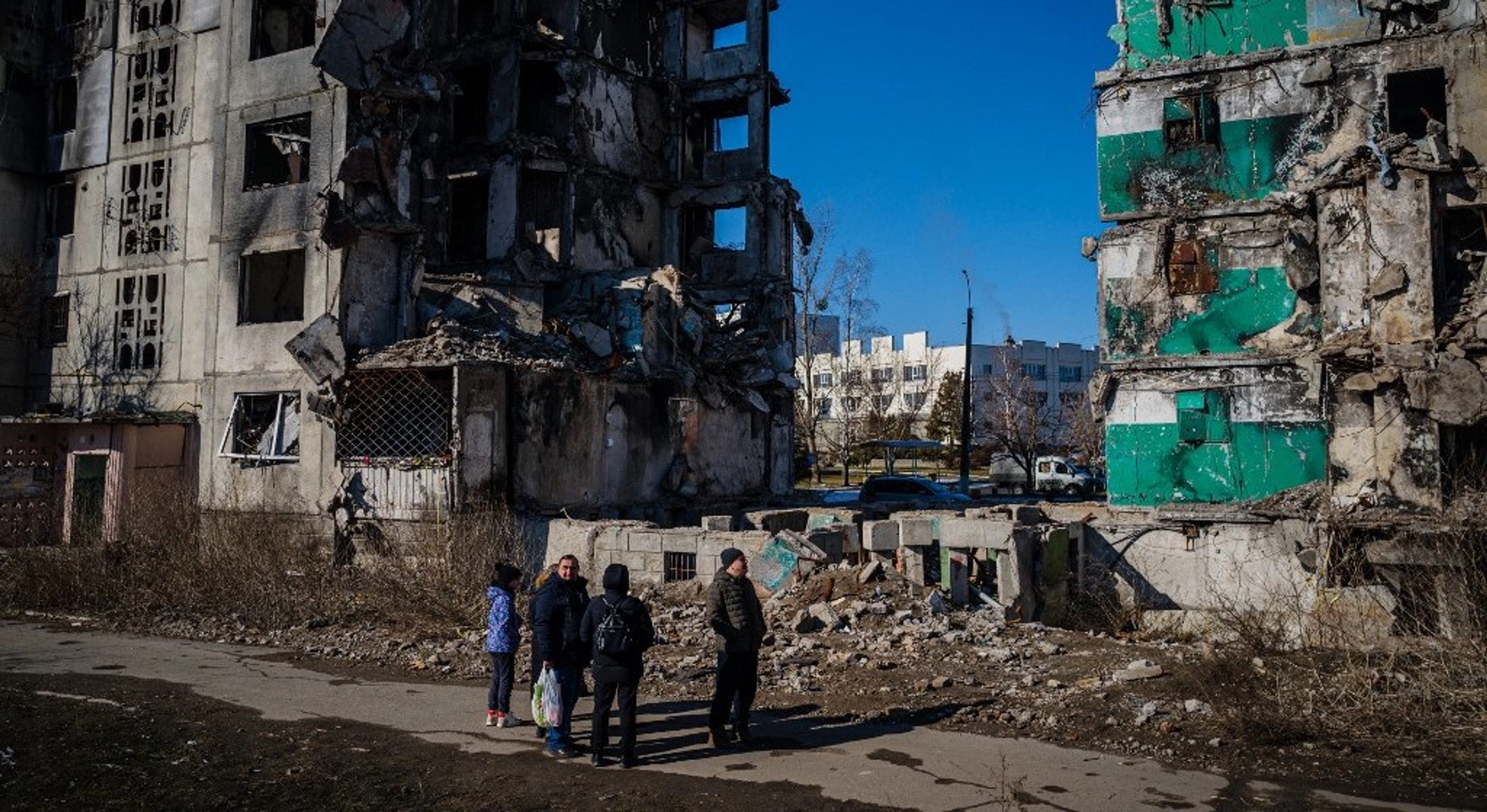
The Ukrainian government signed a memorandum of intent on Thursday, April 17, with the United States regarding how they might “cooperate” on the potentially lucrative project of extracting Ukraine’s mineral wealth from its storied black earth.
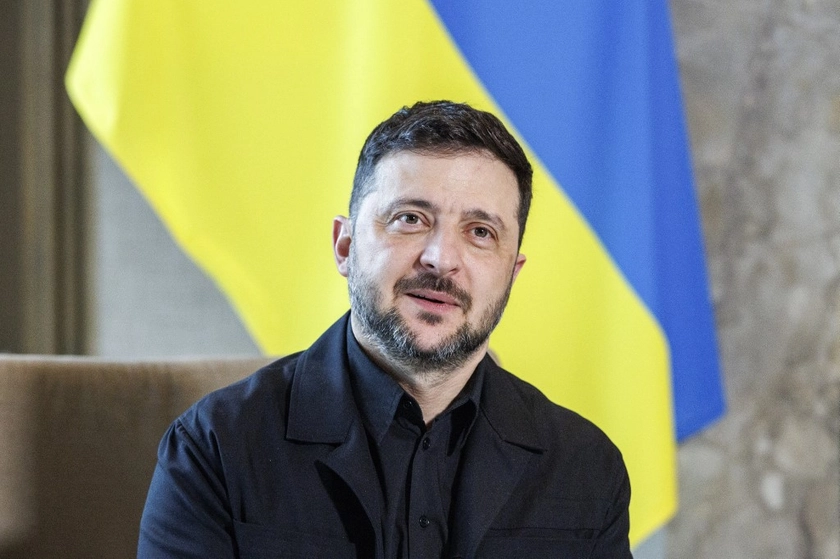
US President Donald Trump has expressed impatience at Ukraine’s desire to renegotiate certain elements of the deal. “I see [President Volodymyr Zelensky] is trying to back out of the rare earth deal,” Trump said. “And if he does that, he’s got some problems. Big, big problems.”
JOIN US ON TELEGRAM
Follow our coverage of the war on the @Kyivpost_official.
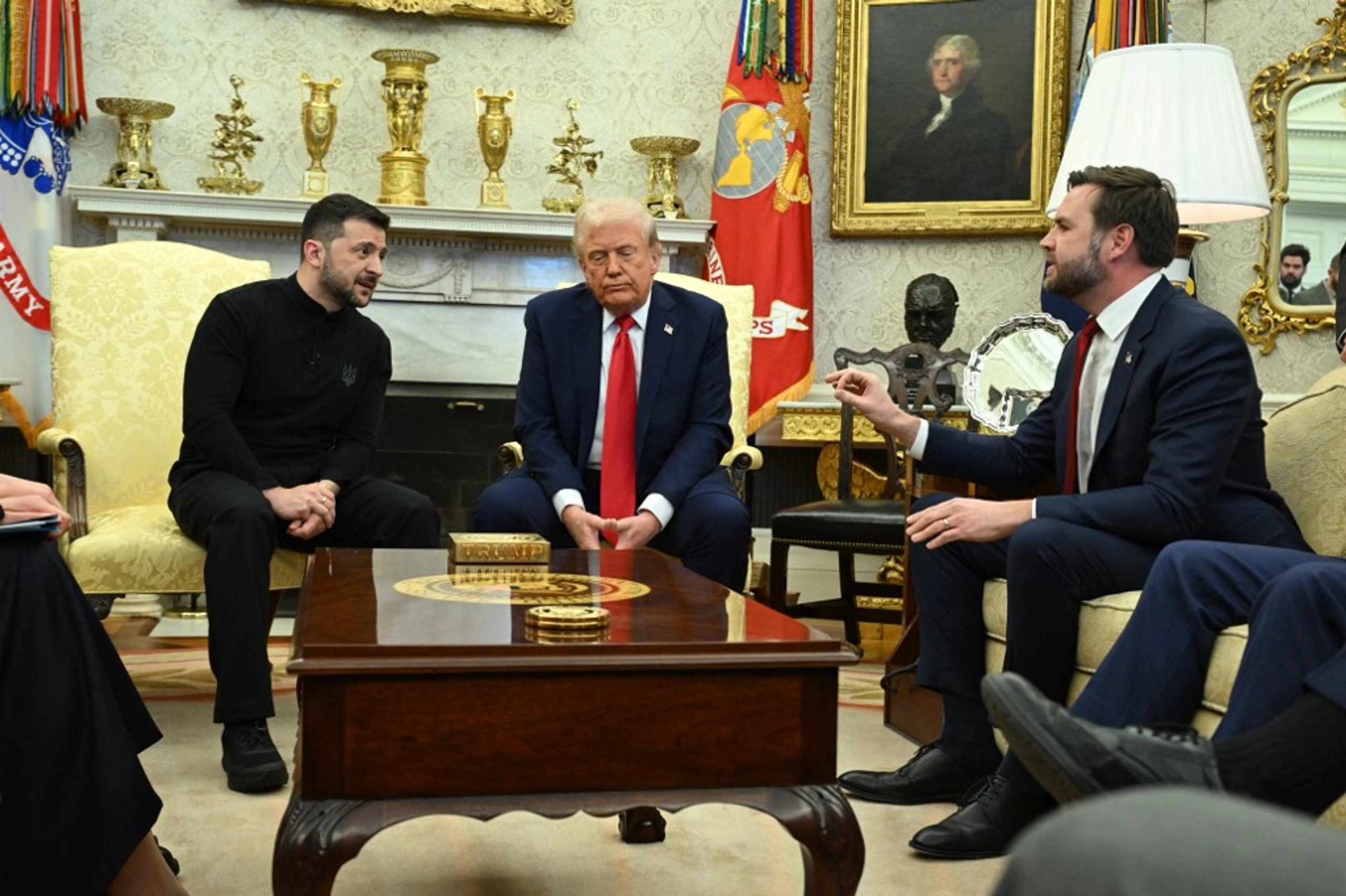
But anyone who had a cursory look at the early drafts of the actual deal will recognize it for what it is: “a protection racket without the protection,” as former US Secretary of State Antony Blinken said in a recent interview with CBS news.
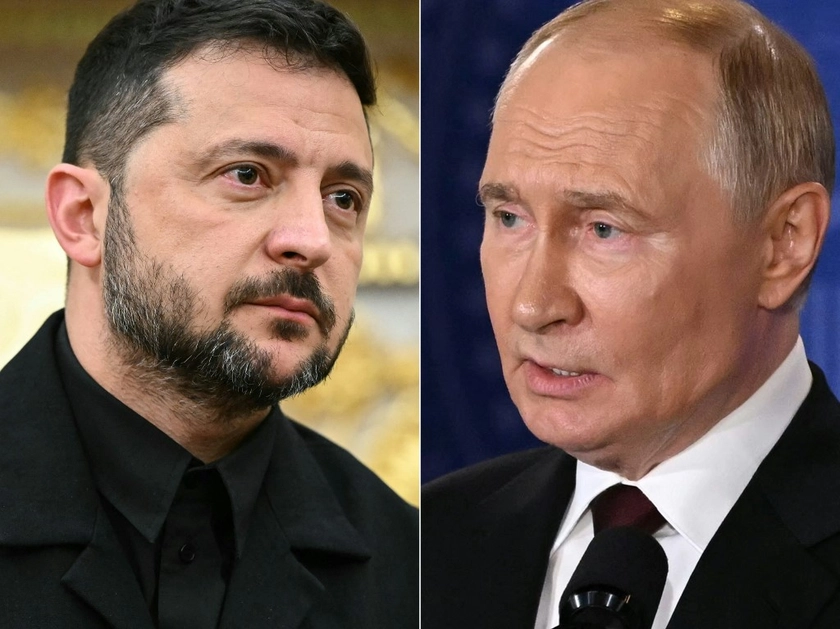
Meanwhile, on the military front, the Russians and Ukrainians are “mulling over” a ceasefire framework presented by Trump’s envoys: Marco Rubio, Steve Witkoff, and Keith Kellogg. The details are vague, but the broadest brushstrokes indicate that any US-backed truce will amount to appeasement of Russia’s latter-day tsar, Vladimir Putin.
Full Statement (Translated): UK, France and Germany After Moscow Talks
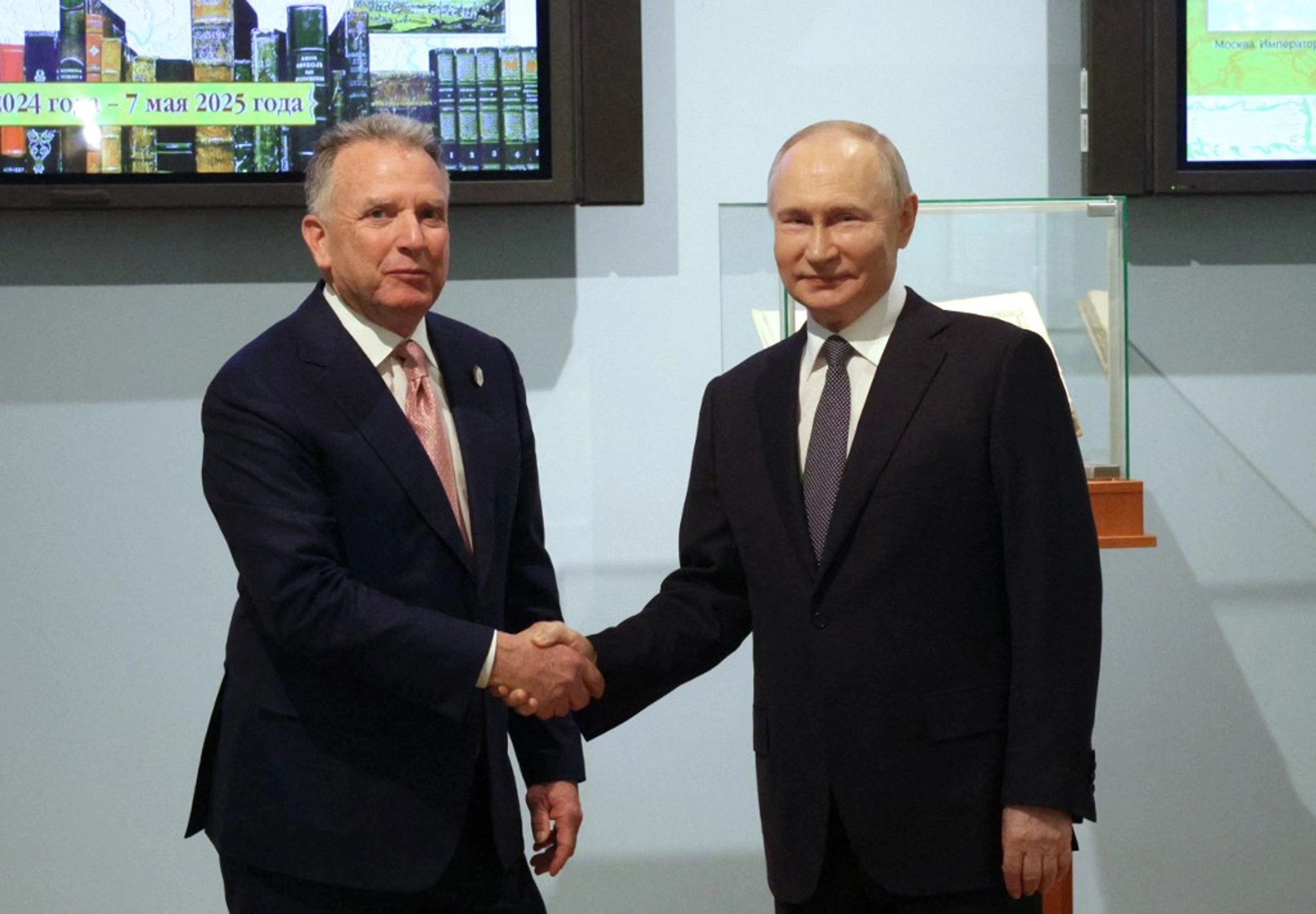
If anything has become clear with respect to the negotiating teams trying to ensure a peace deal, it’s that the US representatives are out of their depth – not just in terms of negotiating experience, but especially in the crucial matter of understanding the historical subtleties informing each side’s strategic goals and decision-making.
A quick look at Ukraine’s historical experience with various memoranda and treaties should shed some light on why Ukrainians are wise to be so careful.
20th century bloodlands
Even non-historians are aware that Ukraine’s recent history is fraught with violent death on a cataclysmic scale.
In 1941, when Nazi Germany invaded the Soviet Union, Hitler categorically refused to accept the declaration of, or rather proclamation of the renewal of, Ukraine’s independence made in Lviv on June 30 and proceeded with his plans to exterminate European Jewry and subjugate the Ukrainians and other eastern Slavs as Untermensch, or sub-humans.
The Holocaust of bullets was put into motion, in which more than 1.5 million Jews were shot to death in the forests and towns of Ukraine and more than double that number of non-Jewish Ukrainians were killed during the occupation.
Babyn Yar, the ravine on the edge of Kyiv where more than 100,000 mostly Jewish Ukrainians were murdered, became, over time, a synecdoche of what happens when foreigners come to exploit Ukraine’s resources.
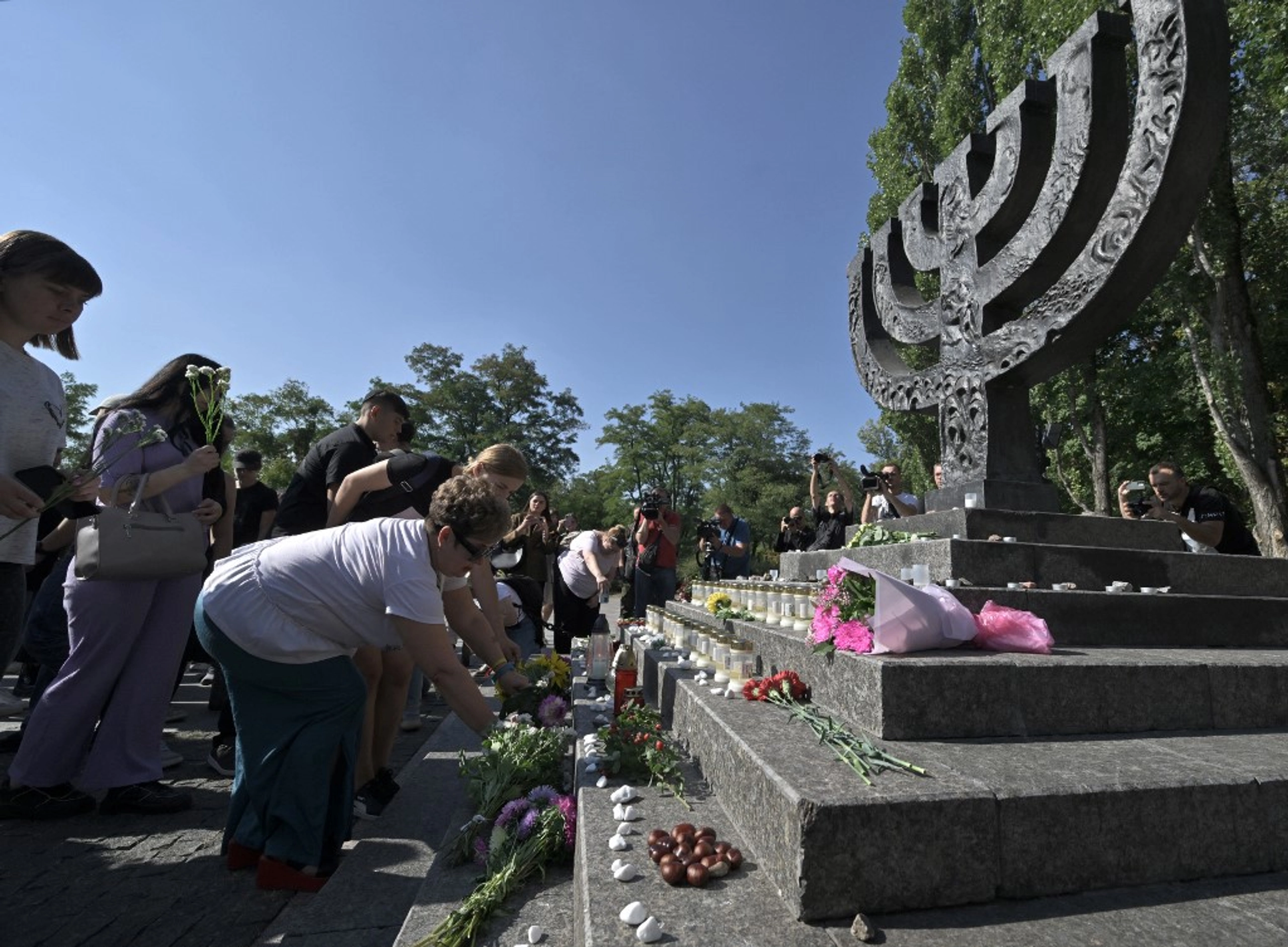
Similarly, a decade before, when the Bolsheviks collectivized Ukrainian agricultural wealth, they decided to simultaneously crush the core of resistance to Bolshevik policies: the Ukrainian intelligentsia and peasantry. In the winter of 1932-33 an estimated four million Ukrainians died in the Holodomor, Stalin’s manufactured famine. Yet in late 1933 the US established diplomatic relations with the USSR and the following year the criminal totalitarian state was accepted as a member of the League of Nations
Notwithstanding the fact that many Bolsheviks were ethnically Ukrainian, their intrusion into village life was viewed more like a foreign invasion. For centuries, Ukrainian agricultural lands benefitted from a high degree of self-rule. Even when dominated by a foreign power, absentee landlords tended to maintain a relatively hands-off approach. And when attempts at control became too oppressive, the Ukrainians often rebelled.
American negotiators cannot be expected to have digested the mindboggling complexity of Ukrainian history.
Obscure treaties and agreements Ukrainians still remember
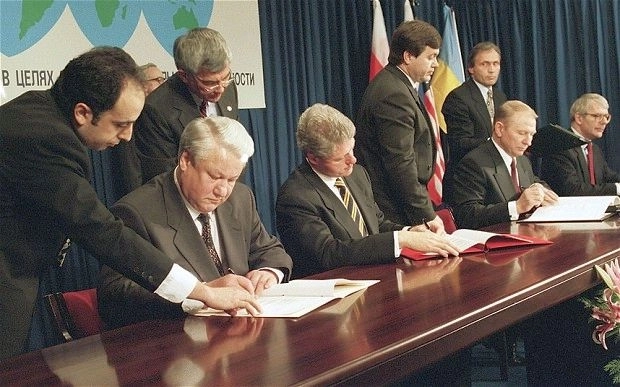
Most of today’s American negotiators can be expected to remember the 1994 Budapest Memorandum, by which the newly independent Ukraine relinquished its nuclear arsenal in exchange for pledges of territorial integrity. The US and UK – both signatories along with Russia – conveniently ignored the memorandum in 2014, when Russia annexed Crimea. Now the Zelensky government has managed to include an explicit link to the failed Budapest Memorandum in the current draft of the minerals deal.
But few non-Ukrainians remember that in 1918, when the Treaty of Brest-Litovsk was signed amid the mayhem of the Tsarist army collapsing as Germans, Ukrainians and Bolsheviks all vied for possession of Kyiv and other Ukrainian lands, Ukraine’s fledgling parliamentary government, the Central Rada, reluctantly committed to supplying the Central Powers with foodstuffs in exchange for their military help.
It was essentially an extortionate agreement. Ukraine was unable to supply the requisite amount of grain, and a combination of factors – including Germany’s collapse on their western front during World War I and the Bolshevik Revolution in Russia – led to years of chaos and civil war in Ukraine.
As historian Orest Subtelny describes it in his seminal work, “Ukraine: a History”: “In 1919 total chaos engulfed Ukraine. Indeed, in the modern history of Europe no country experienced such complete anarchy, bitter civil strife, and total collapse of authority as did Ukraine at this time. Six different armies – those of the Ukrainians, the Bolsheviks, the Whites, the Entente, the Poles, and [Nestor Makhno’s] anarchists – operated on its territory. Kyiv changed hands five time in less than a year…”
American negotiators cannot be expected to have digested the mindboggling complexity of Ukrainian politics in the aftermath of World War I, but Ukrainians certainly remember. In fact, it would be criminally negligent for their politicians to forget. For sure, astute Russian negotiators have also studied their own interpretations of these events – specifically in order to capitalize on Ukraine’s historic weaknesses.
History rhymes
While history may not repeat itself exactly (contrary to the proverb), it definitely rhymes. And for Ukrainians, certain aspects of that history rhyme like an annoying song that lodges itself in their minds like an earworm.
A prime example is the 1667 Treaty of Andrusovo, when what was left of the Cossack Hetmanate after nearly two decades of war was divided between the Tsardom of Russia and the Polish-Lithuanian Commonwealth. Everything on the left (eastern) bank of the Dnipro, along with Kyiv on the right bank, went to Moscow. Everything on right (western) bank (excluding Kyiv) went to Poland. The sparsely populated steppes around Zaporizhzhia, where the Cossacks still lived rather freely, was ruled jointly between Moscow and Warsaw as a condominium, intended as a buffer zone to keep the Tatars and Turks at bay.
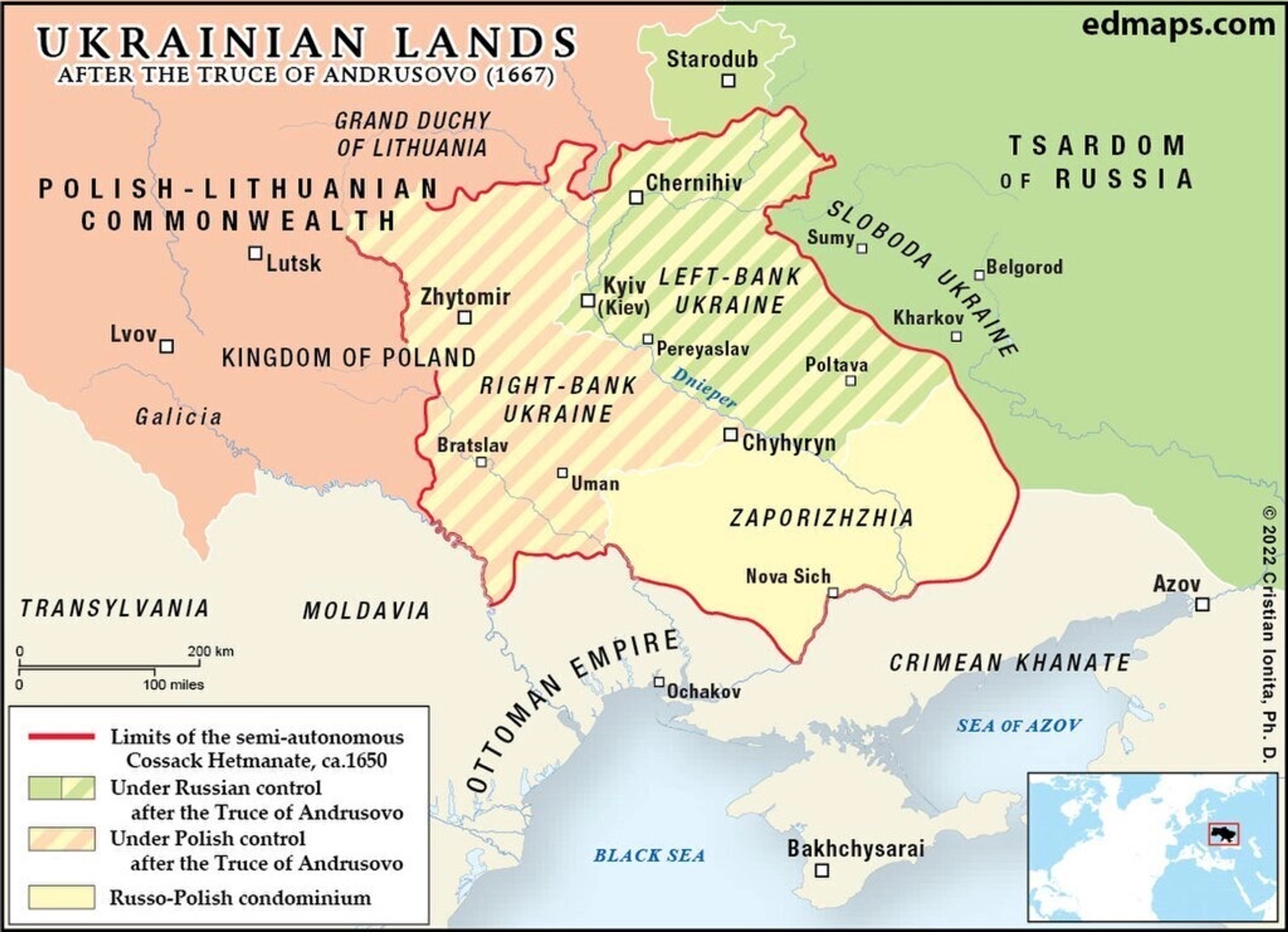
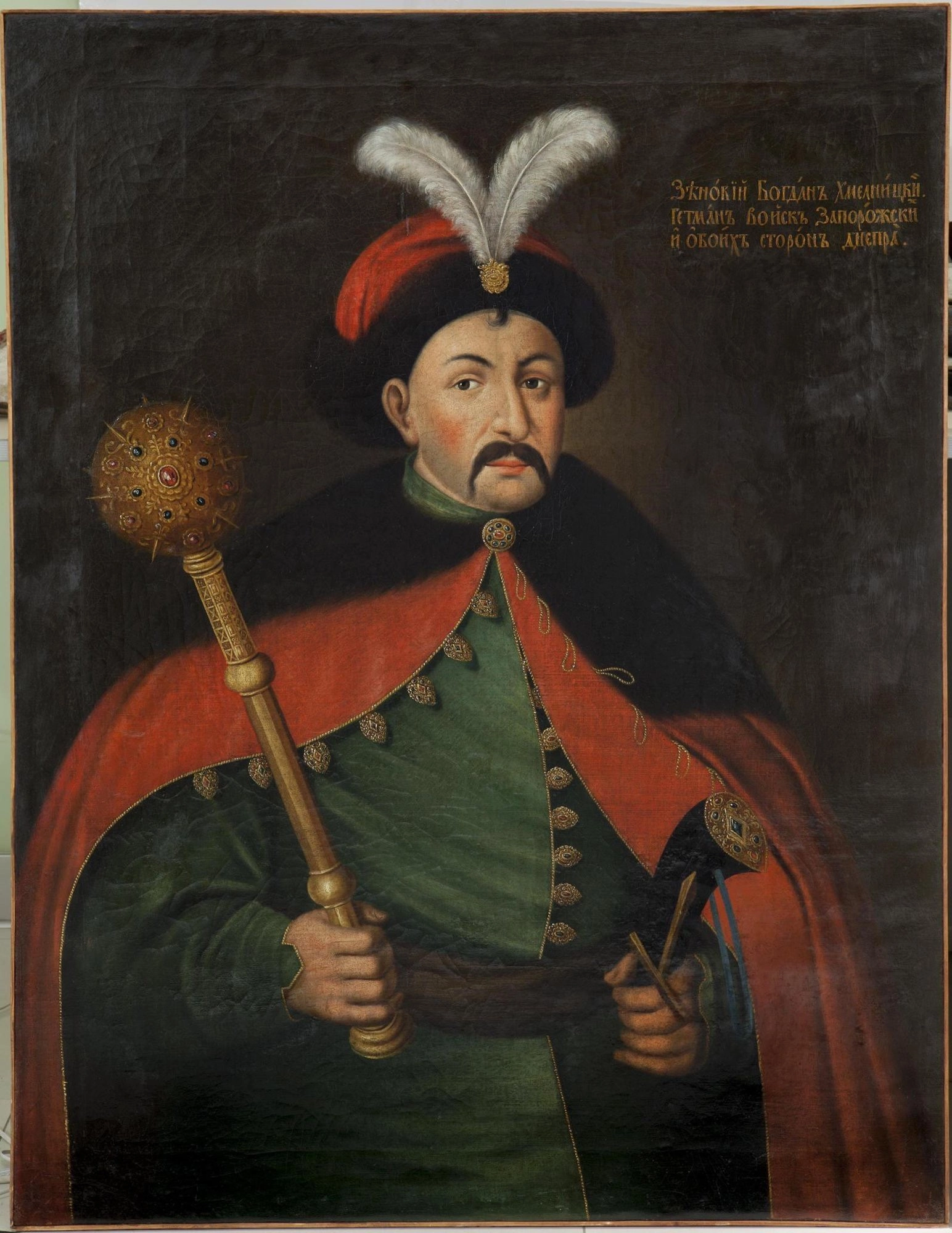
The treaty was signed after years of war ignited by Bohdan Khmelnytsky’s 1648 Zaporizhian Cossack uprising against oppressive Polish policies. That rebellion led to the worst pogroms against the Jews that Europe had seen to that day.
Not surprisingly the root cause was exploitation of resources.
From the 15th to the 17th century, the Polish-Lithuanian Commonwealth experienced a veritable gold rush as they expanded into Ukrainian territory after the Mongol hordes had retreated. The gold, however, was wheat.
Polish nobles acquired land and allowed Jewish migrants – recently expelled from Central Europe and barred by law from owning land – to manage agricultural estates as well as grain mills and distilleries. This system of arenda led to absentee landlords of the Polish nobility pressuring Jewish estate managers to increase production and income by exploiting the peasantry. Khmelnytsky used long-brewing resentment against Poles and Jews to unite Cossacks against the Polish nobility (as well as to settle a few personal scores).
The rebellion, initially successful though hard to sustain against a superior Polish army, pushed the Cossacks into the 1654 Pereyaslav Agreement, which invited Tsarist troops into Ukraine – and which many Ukrainians rue to this day.
In simplified terms, it led to three and a half centuries of Russian domination over Ukraine.
The consequences are clear from the fact that those first years after the Treaty of Andrusovo have become known to Ukrainian historians as “The Ruin.” That same epoch in Polish history is today referred to as “The Deluge.”
Even in pre-history
The further back in history you go, the more you hear those same motifs. The Mongols invaded and in 1240 sacked Kyiv. But even before the Mongols, Kyiv had still not recovered from its destruction in 1169 at the hands of its “brotherly neighbor,” Andrey Bogolyubsky from Vladimir-Sudzal (Moscow was but a village at that time), sparked by a successional dispute.
Before even the Slavs appeared on much of the territory now known as Ukraine, ancient Greeks established outposts on the Black Sea and engaged Hellenized Scythians as intermediaries to supply Magna Grecia with cereals and slaves from the hinterland, according to historian Serhii Plokhy in “The Gates of Europe: a History of Ukraine.”
Educated Ukrainians know these details. But all Ukrainians have felt – and often suffered – the repercussions of their geographic position as custodians of a rich earth easily accessible from all directions.
Today’s gold rush may well entail uranium, lithium and rare earths that many of those negotiating Ukraine’s future have never even heard of. There’s certainly a lot of money to be made. But only Ukrainians face the prospect of being unceremoniously buried in their earth full of wealth.
You can also highlight the text and press Ctrl + Enter