Iran has contradicted declarations made by US President Donald Trump and international mediators regarding the exact timing of a finalized peace treaty, Reuters reported.
Tehran pulls the brakes on the Sunday timeline
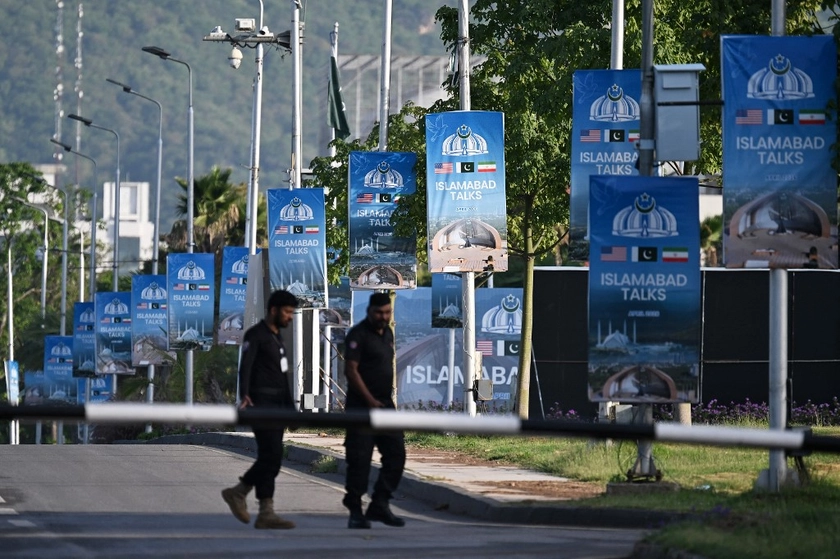
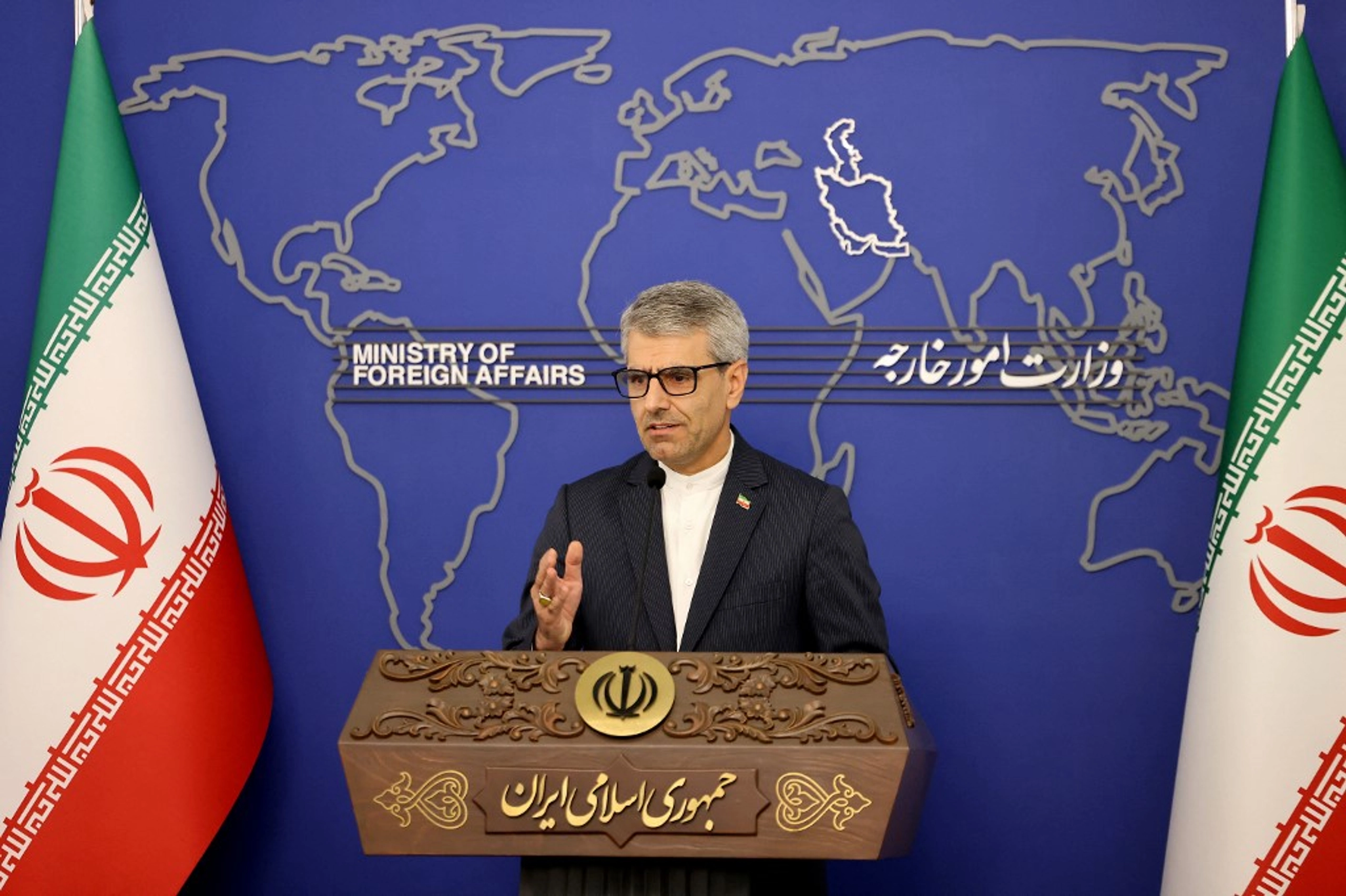
The White House’s triumphant narrative was met with institutional caution from Tehran. Iranian Foreign Ministry spokesperson Esmail Baghaei denied that the Islamabad Memorandum of Understanding would receive an official electronic signature on Sunday.
JOIN US ON TELEGRAM
Follow our coverage of the war on the @Kyivpost_official.
Baghaei clarified that the precise date for formalizing the document remains open. While he did not rule out a signing ceremony materializing “over the next few days,” he emphasized that it would not occur on June 14. The Foreign Ministry urged international observers and domestic media to comment on the negotiation process with extreme care, pointing directly to ongoing “hesitations” from the US side as a primary source of delay.
Tehran emphasized that the structural parameters of its nuclear program are far from settled. According to Iranian officials, the ultimate fate of its domestic enrichment capabilities and nuclear architecture has not been closed and must be relegated to a secondary, distinct phase of future diplomatic negotiations – a stance that challenges Trump’s assertions of a fully finalized non-proliferation pact.
Trump declares an imminent “wall” against nuclear weapons
The diplomatic friction spilled into the open following a post by Trump on Truth Social. Trump announced that the US and Iran were scheduled to sign a peace agreement on Sunday, June 14, a timeline corroborated by key backchannel mediator Pakistani Prime Minister Shehbaz Sharif.
US Threatens to Seize $24B in Frozen Iranian Assets for Ally Compensation
In his address, Trump contrasted his upcoming framework with the 2015 Joint Comprehensive Plan of Action (JCPOA) orchestrated under the Obama administration, branding the previous accord a “smooth road to a nuclear weapon.”
“My Agreement with Iran is the exact opposite, A WALL TO NO NUCLEAR WEAPON!” Trump declared. “The Deal is scheduled to get signed tomorrow, and immediately after it is signed, the Hormuz Strait is OPEN TO ALL.”
Trump asserted that unlike previous cash transfers executed by past administrations, “no money will exchange hands” under the new transaction. He further detailed that once regional stability is restored, specialized US units would deploy to extract, downblend, and destroy “nuclear dust” buried deep within Iran’s granite mountain facilities.
A volatile intermission
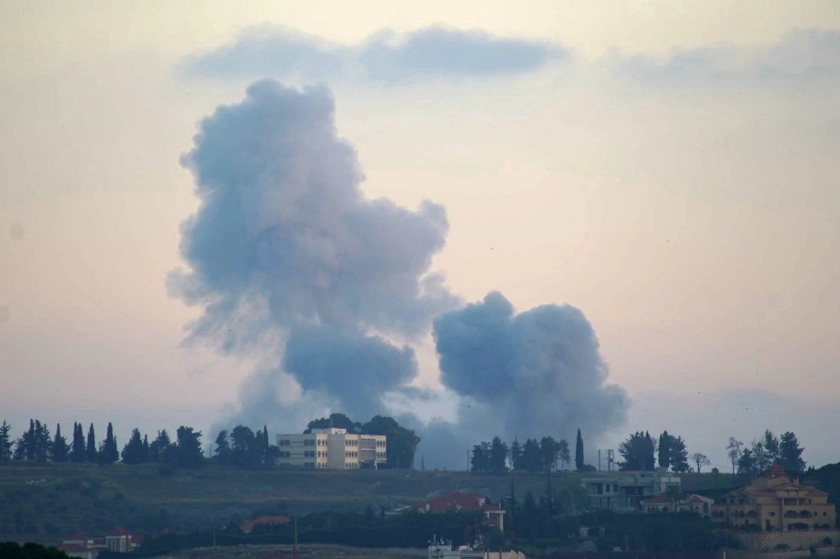
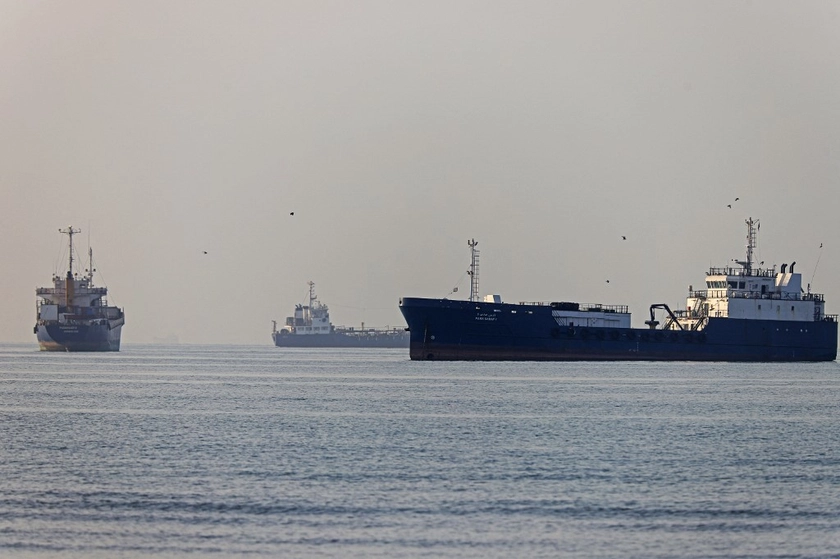
The pushback from Iranian leadership underscores the skepticism gripping the backchannel peace process after months of kinetic warfare. The war, which erupted in late February following a joint US-Israeli air campaign that decapitated Iran’s political command, has pushed global energy markets into a tailspin due to Iran’s military blockade of the Strait of Hormuz.
While President Trump continues to push for a swift diplomatic victory to fulfill his promise of ending the war, independent intelligence assessments indicate that his administration faces a resilient adversary. Iran utilized the post-April 8 truce to restore roughly 75% of its pre-war long-range missile inventory, unearthing hidden underground launch silos and integrating newly imported Russian munitions.
With the US Navy currently forced to provide armed carrier escorts for 7 million barrels of oil per day through the contested strait, and US Treasury Secretary Scott Bessent threatening to liquidate $24 billion in frozen Iranian funds to pay for regional damages, the gap between Trump’s immediate “Sunday signing” and the rigid geopolitical demands of Tehran remains an obstacle to a verified, lasting peace.
You can also highlight the text and press Ctrl + Enter