The US military has intercepted a multi-drone assault launched by Iranian forces against commercial shipping vessels in the Middle East. The strike directly threatens global energy transit just hours after diplomats claimed a tentative framework to end the regional war was within reach.
CENTCOM thwarts attack in vital shipping lane
According to an official operational brief published by US Central Command (CENTCOM) on X, Iranian forces deployed multiple one-way loitering munitions in a deliberate attempt to strike civilian merchant ships navigating the strategic chokepoint.
JOIN US ON TELEGRAM
Follow our coverage of the war on the @Kyivpost_official.
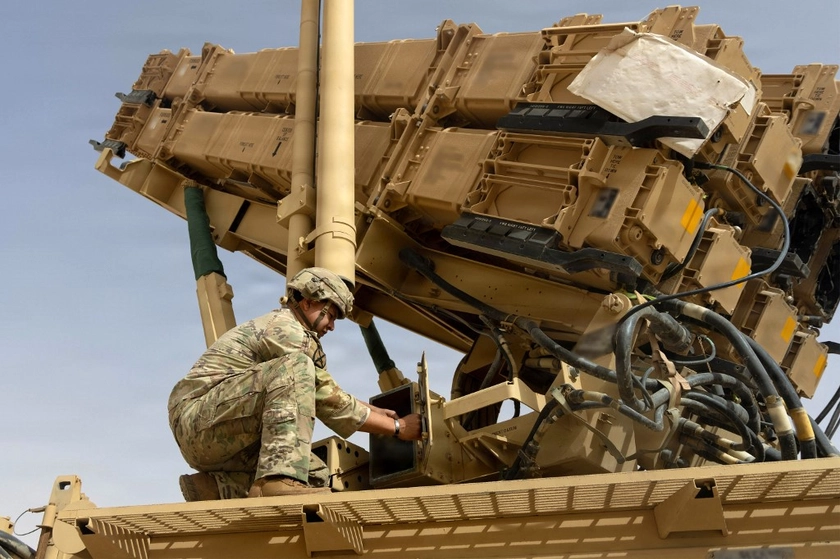
American defensive arrays positioned in the region detected the incoming aerial threats and executed a clean intercept of the swarm.
“Iran launched multiple one-way attack drones in an attempt to strike commercial ships transiting the Strait of Hormuz,” CENTCOM stated in its official release. “US forces have downed all of them in recent hours as traffic flow through the strait continues unimpeded. The international trade corridor remains open for transit.”
Iran launched multiple one-way attack drones in an attempt to strike commercial ships transiting the Strait of Hormuz. U.S. forces have downed all of them in recent hours as traffic flow through the strait continues unimpeded. The international trade corridor remains open for…
— U.S. Central Command (@CENTCOM) June 13, 2026
The battle for sovereign control
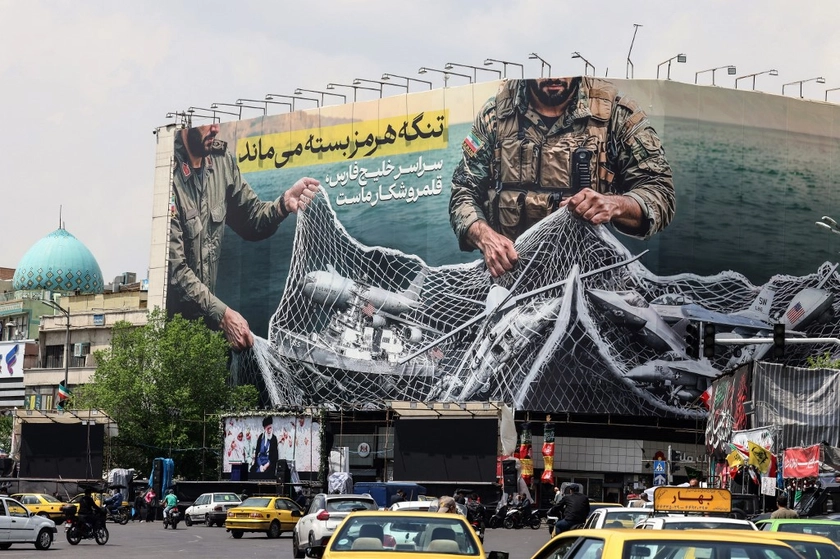
The drone raid represents a sharp kinetic enforcement of Tehran’s recent diplomatic assertions. Iranian Foreign Minister Abbas Araghchi previously declared that Iran views the Strait of Hormuz as a zone under its absolute, exclusive sovereign control, shared only with Oman.
Araghchi warned Western allies that returning to any previous international or US-led maritime management or policing framework is permanently off the table – a stance reinforced by Iran’s state news agency, IRNA.

Infantry Up Close, More and Better Bombardment, Helping America ‘Win’
By targeting commercial vessels navigating the corridor, Iran is actively demonstrating its willingness to militarily dictate the terms of transit through the chokepoint, through which a massive portion of the world’s petroleum supply passes daily.
A challenge to Trump’s “wonderful deal”
The sudden aerial offensive shatters the brief diplomatic calm broadcast by the White House. On June 11, US President Donald Trump told a public telerally that Washington had successfully “ended the war” with Iran, pointing to a “very strong memorandum of understanding” under which Tehran supposedly agreed to permanently abandon its nuclear weapons ambitions.
However, Iranian leaders immediately sought to distance themselves from Trump’s rhetoric. Iranian Foreign Ministry spokesperson Esmail Baghaei dismissed the White House accounts as “merely speculation,” clarifying that the country’s strategic leadership had not granted final approval to any text.
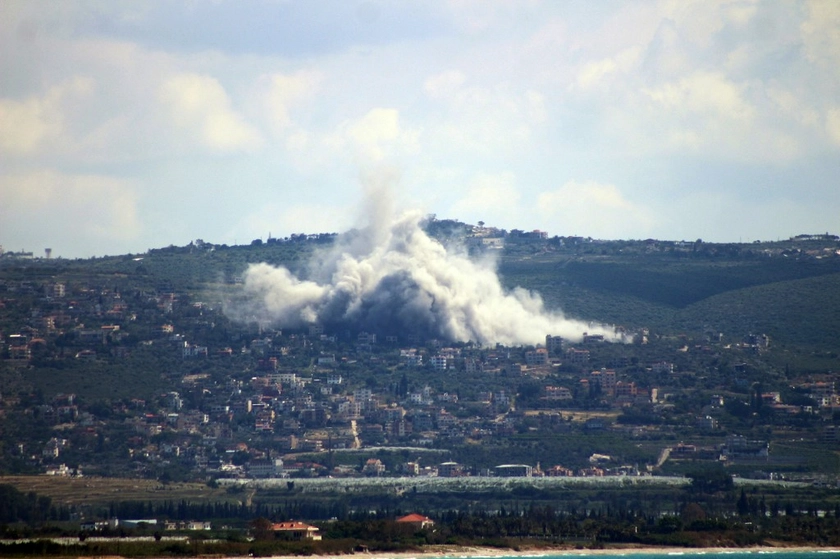
The underlying friction behind the negotiations centers on the rigid terms demanded by both sides. While President Trump temporarily paused a wave of US strikes against Iranian coastal infrastructure near Qeshm, Kargan, and Sirik, the US military maintains a naval blockade on Iranian shipping lanes until a transaction is formally signed.
You can also highlight the text and press Ctrl + Enter