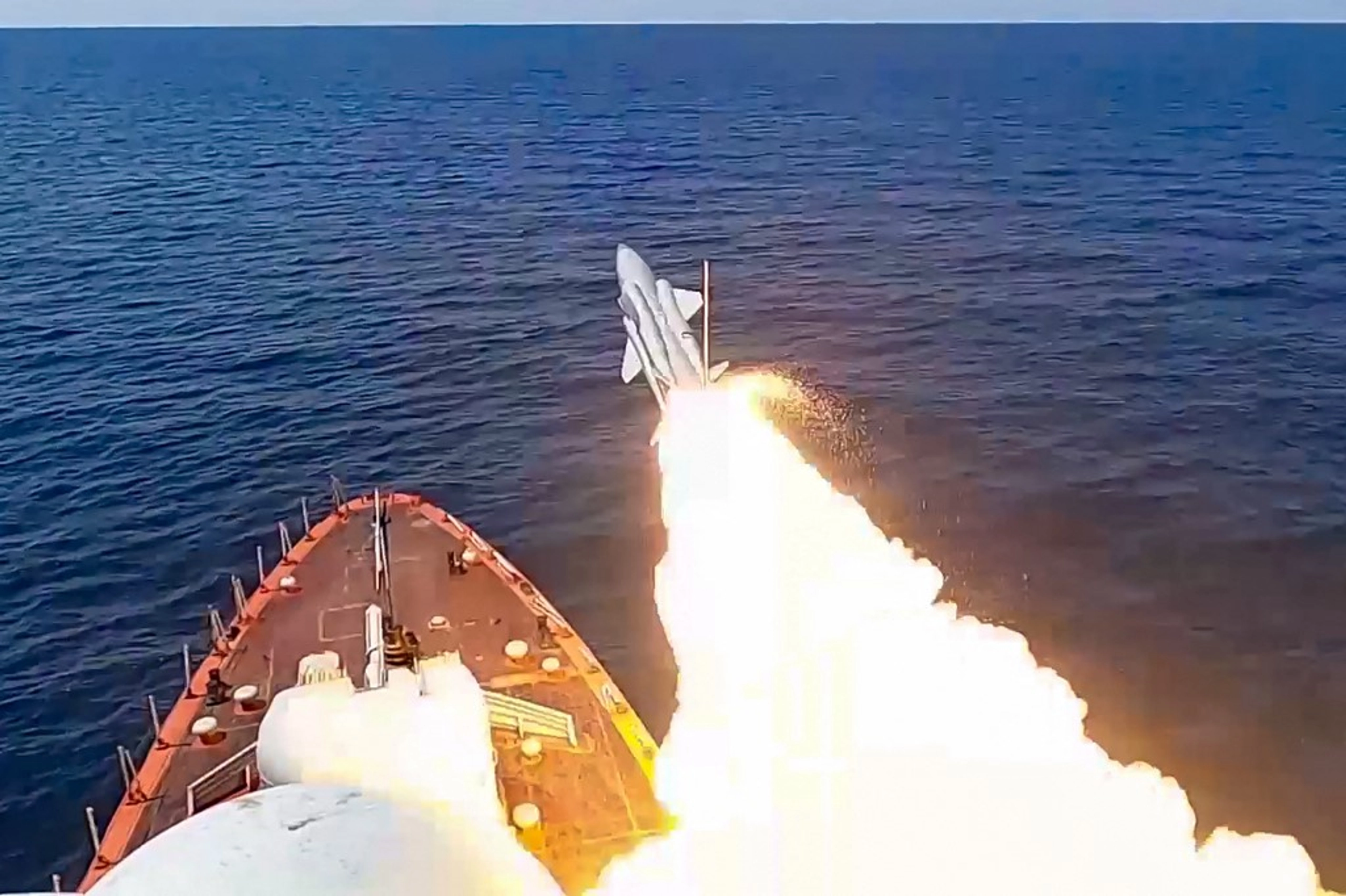
Kremlin strike planners set a new wartime bombardment record on Thursday with the launch of 11 ballistic missiles at targets across Ukraine. The previous record, set in early 2024, had been 10.
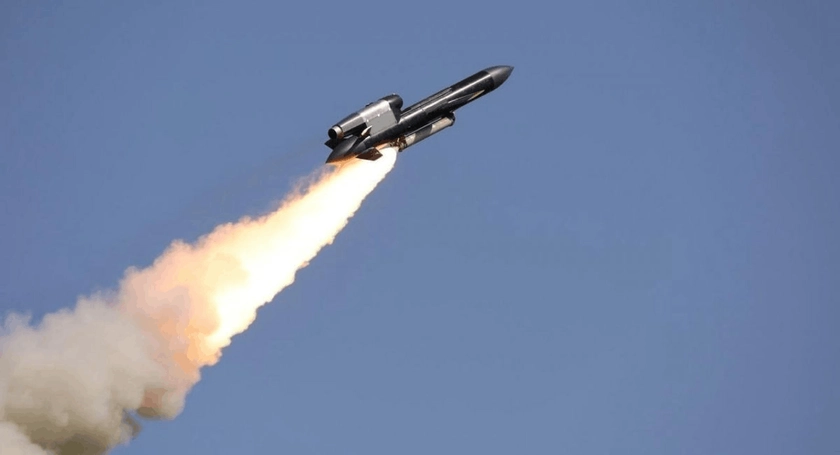
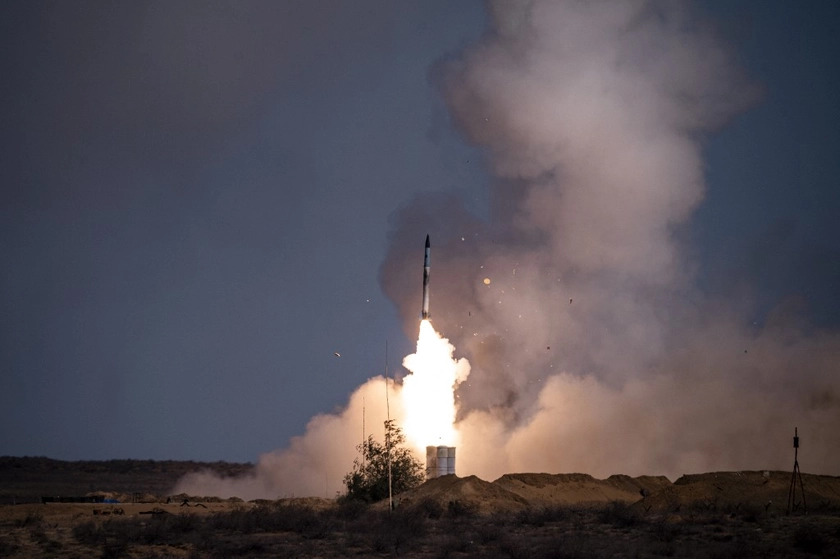
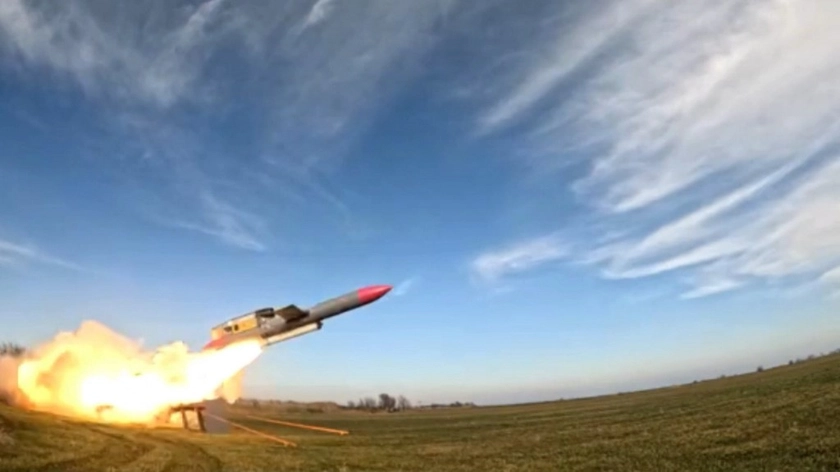
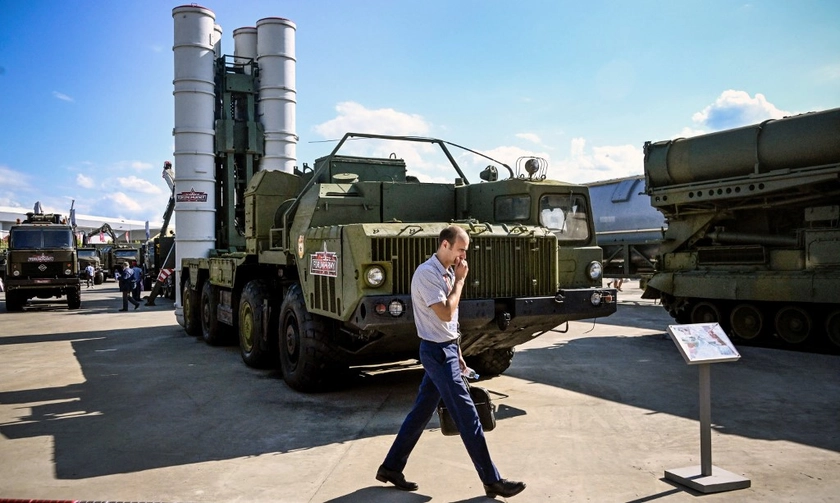
Russian ballistic missiles fired on Thursday included Russian-made Iskander-M missiles and a North Korean analogue of that missile called a KN-23. Some of them broke through Ukrainian air defenses, Ukrainian military analyst Anatoly Khrapchinsky said in a Thursday evening national television news interview.
JOIN US ON TELEGRAM
Follow our coverage of the war on the @Kyivpost_official.
“In January 2024, the enemy used about 10 Kinzhal [missiles] simultaneously, and today [Thursday] 11 ballistic missiles were used simultaneously. That is, we are talking about the fact that an entire [missile] division was used. The enemy launched from 8 to 12 missiles simultaneously without reloading,” Khrapchinsky said. Ukrainian official sources confirmed 11 ballistic missiles had been launched on Thursday.
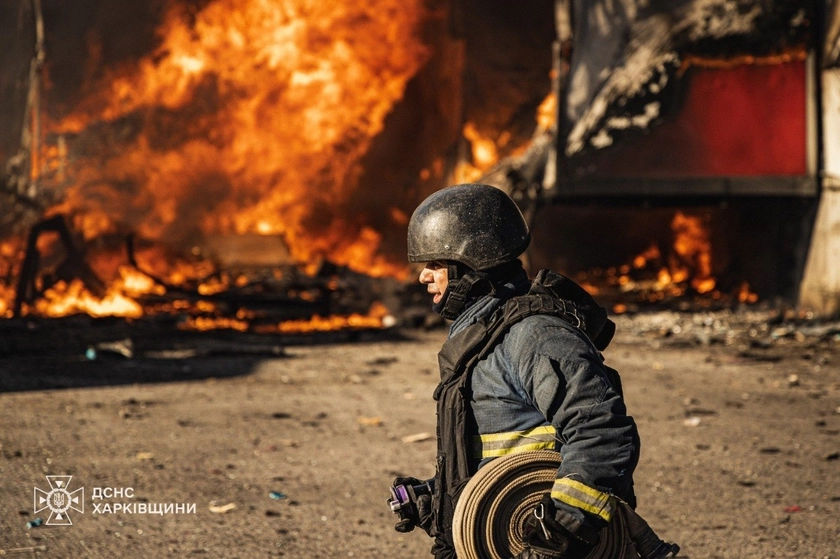
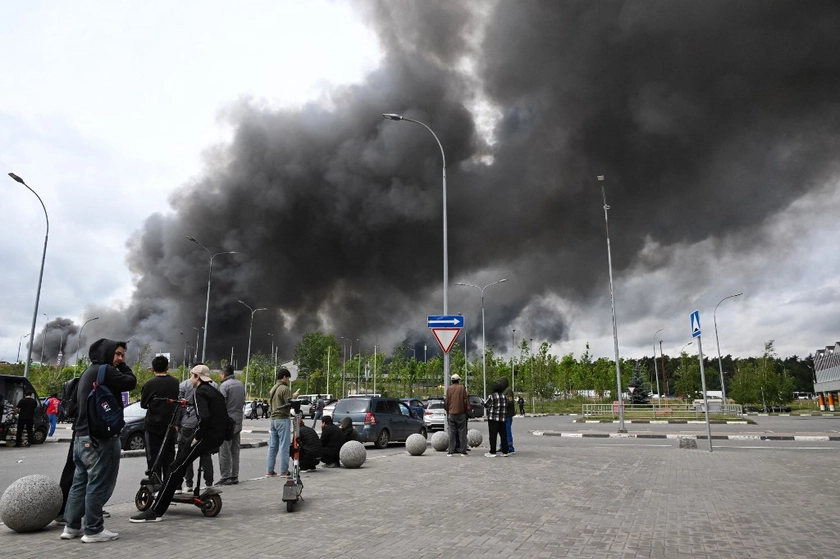
At least one ballistic missile broke through Ukrainian air defenses to slam into a residential district in central Kyiv during the early morning strikes. Local officials said 12 people were killed and 90 injured.
According to Ukrainian military statements a total of 215 Russian weapons of all types were launched at targets across the country. Aside from the ballistic missiles Russia fired, 37 Kh-101 bomber-launched cruise missiles, 6 Iskander-K ground-launched cruise missiles, 6 ship-launched Kalibr cruise missiles, 4 strike aircraft-dropped Kh-59/69 cruise missiles, and 145 Iranian-designed Shahed kamikaze drones, air force officials said.

Trump Says GM, Ford to Shift Factories to Missile Production
Russian bombers flying over the Caspian Sea and central Russia, ground platforms in Russia’s Belgorod, Kursk and Rostov regions, launch bases in Ukraine’s occupied Crimea region, and warships in the eastern Black Sea were the launch platforms.
The attacks hit the capital Kyiv and cities or towns in Ukraine’s Kharkiv, Pavlohrad, Zaporizhzhia, Zhytomyr, Poltava, Khmelnitsky and Sumy regions. Official Russian statements said the attacks only targeted military infrastructure. Ukrainian media reported civilian buildings damaged in nine regions and dozens of fires. Two more deaths were reported outside Kyiv.
According to data compiled by the US-based Center for Strategic and International Studies (CSIS), the biggest-ever Russian bombardment-style attack against Ukraine in raw numbers took place on Dec. 13, 2024, with 288 Russian weapons of all types launched and 268 claimed destroyed by Ukrainian defenses.
Ukrainian air defenders on Thursday claimed the destruction of 7 out of 11 incoming ballistic missiles and 43 of 53 approaching cruise missiles. At least 64 drones were destroyed and more than 100 were adjudged to be decoys and not engaged, an Air Force statement said.
The news platform RBK-Ukraine said Ukrainian fighter jets including European-donated F-16s and Mirage 2000s, anti-aircraft missile units, electronic warfare assets, and mobile fire groups were involved in repelling the Russian air attack.
Khrapchinsky said that Ukrainian air defenses had some success intercepting Russian ballistic missiles despite shortages of critical Patriot interceptor missiles. A high- tech missile rated the most effective air defense weapon in use by either side in the Russo-Ukrainian War, the Patriot is manufactured by the US arms giant Raytheon.
The White House in March cut off Ukraine from most arms deliveries. US President Donald Trump in April comments to reporters in the Oval Office said his administration would not send Ukraine Patriot missiles even if Ukraine paid for them.
“Ukraine’s air defenses were still able to shoot down some ballistic missiles… because the military is now beginning to understand and predict the trajectory of missiles,” Khrapchinsky said.
A Kyiv Post reporter during the Thursday ballistic missile strikes against the capital observed a number of anti-aircraft missiles dissimilar to a Patriot missile fired into the air space above the capital. Subsequent sky explosions were audible, but it was not possible to determine what, if anything, those missiles hit.
Typical Russian long-range bombardment strikes against Ukraine have grown in size from around 50-100 weapons in a typical night’s attack, to around 150-175 missile and drones with spikes above 250, the CSIS data accessed by Kyiv Post on Friday showed.
A Wednesday analysis published by the Ukrainian media research group texty.org said Russian missile, bomber and kamikaze drone strikes have intensified, particularly against Ukrainian border regions where shorter-range weapons like artillery and glide bombs can add weight to the Kremlin’s bombardment.
According to that research, Russian missile, bomb and drone attacks against cities and towns in Ukraine’s Dnipro, Donetsk, Zaporizhzhia, Kyiv, Kirovohrad, Mykolaiv, Odesa, Poltava, Sumy, Kharkiv, Kherson and Chernihiv regions has increased between 30 to 50 percent since February 2025. The heaviest weight of explosives has fallen on Ukraine’s Kyiv, Odesa and Kharkiv regions, data published by the group showed.
“Since the elections, Donald Trump has been talking about peace talks. We have analyzed Russian missile and Shahed-drone attacks on 12 regions near the front line and neighboring Russia. After the inauguration, the number of strikes only increased,” the April 23 report said in part.
According to Ukrainian Air Force estimates, in 2023 and 2024 Russia launched about 4,000 missiles at long-range targets in Ukraine each year.
One of the bloodiest Russian strikes of the entire war took place on September 3 when two Russian ballistic missiles hit a communications school in the northern city Poltava. The weapons rained cluster munitions onto a mixed crowd of military, students and civilians standing out in the open, killing 51 and injuring at least 219, news reports said.
An April 6 Russian missile strike, also with cluster munitions, hit the southern city Kryvyi Rih killing 18 including 9 children, and injuring 19. An April 13 ballistic missile strike hit the center of the city Sumy, killing 36 including 2 children, and injuring at least 139 people.
Ukraine’s payback
Ukrainian military intelligence following the Sumy strike identified two Russian units it said were responsible for launching the missiles and, according to Kyiv, targeting civilians. On April 15, Ukrainian long-range drones hit barracks and administrative buildings of 448th Missile Brigade in Russia’s western Kursk region. A Ukrainian army statement said the strike damaged buildings and set off secondary explosions.
On April 16 and 17, Ukrainian long-range drones in a rare “double tap” strike attacked the permanent base of Russia’s 112th Missile Brigade in the town Shuya, a site northeast of Moscow and some 700 kilometers (435 miles) from the closest probable launch sites. Official Russian sources said all the drones were shot down. Local social media video purportedly recorded from inside barracks buildings shortly after the attack showed smashed walls and injured service personnel. NASA-run world fire watch satellite imaging showed major fires in progress on 112th Brigade premises.
On April 22 explosions hit one of the biggest ammunition storage sites in the Russian Federation, 51st Arsenal of Russia’s Main Missile and Artillery Directorate (GRAU), located near Kirzhach in the Vladimir Oblast. Officials blamed the blasts on human error by base staff and said the situation was under control.
Local media reported massive fires, continuing blasts as ammunition stores cooked off and evacuations of close to 1,000 people living in adjacent villages. Open-source satellite imaging showed at least two-thirds of the site demolished. Ukrainian media estimates of munitions stored at the site ranged from 150,000 to 250,000 tons of rockets, artillery shells and missiles.
On April 25, Ukrainian drones hit Shuya and the 112th Brigade base in night air raids lasting more than three hours. Russian authorities acknowledged Ukrainian aircraft had been in the area but claimed they all had been shot down. Local social media reported between three and seven heavy explosions in the vicinity of the base.
You can also highlight the text and press Ctrl + Enter