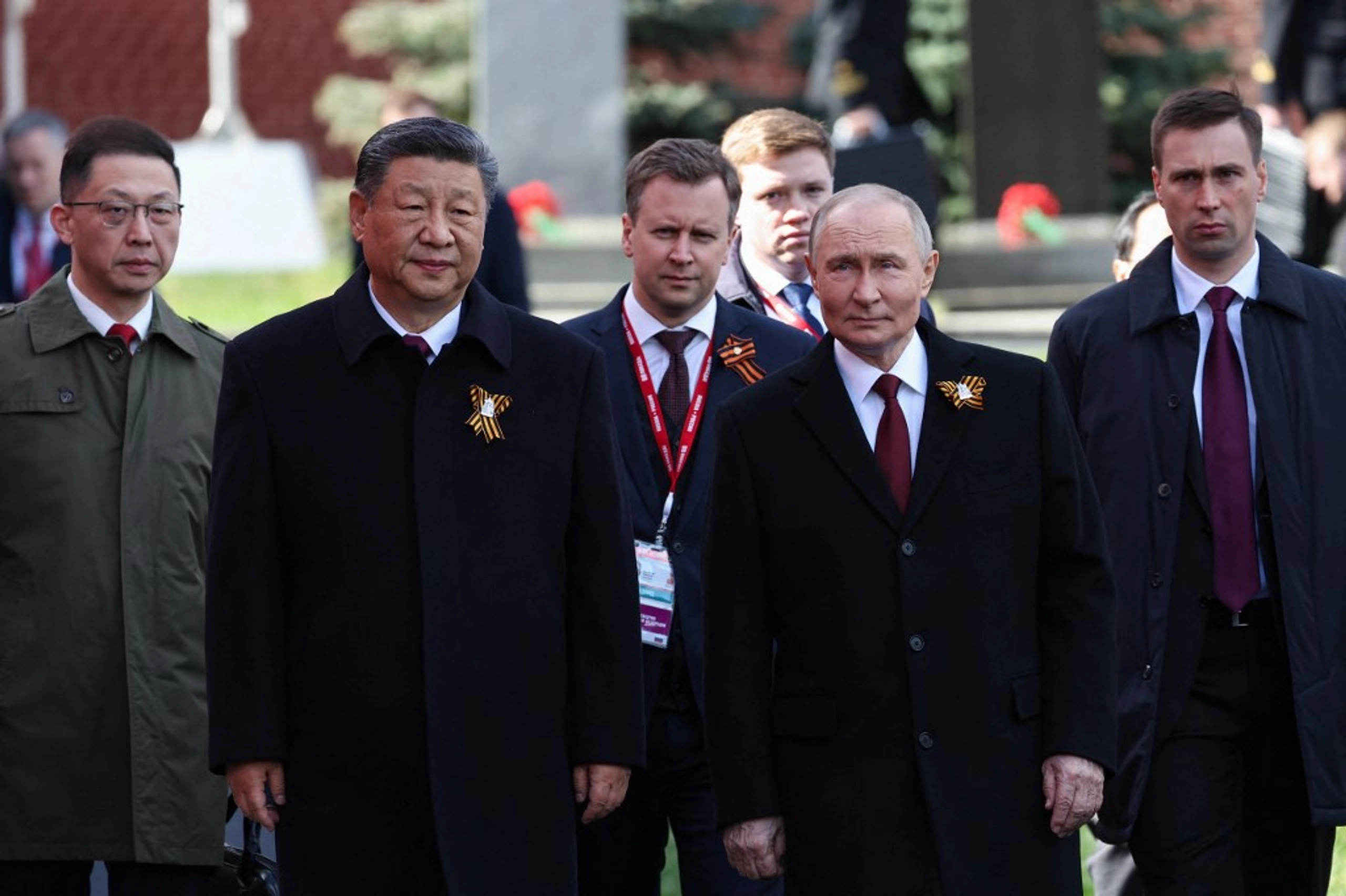
Calling for peace in Ukraine from hundreds of miles away, Chinese leader Xi Jinping has long been trying to position himself as a possible mediating force in Russia’s war in Ukraine.
However, as he wrapped up his three-day trip to Moscow on Friday after marking the 80th anniversary of the end of World War II in Europe, complete with a slew of deals to honor a “no limits” partnership with Russia, policy analysts in Washington have been alarmed at what they see as China coming off the fence on Ukraine.
JOIN US ON TELEGRAM
Follow our coverage of the war on the @Kyivpost_official.
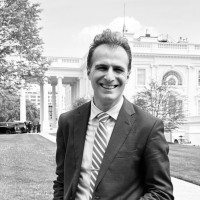
“Putin-Xi solidarity sends a worrying signal for Kyiv, Washington, and European capitals,” Dr. Michael Cecire, defense and security researcher at RAND, a nonprofit, non-partisan research organization, told Kyiv Post in an interview.
“It suggests that Beijing is indeed serious about supporting and potentially sustaining Russia in its war against Ukraine and broader aggression in Europe,” he highlighted.
According to the analyst, it also further underscores the ways by which the Indo-Pacific theater is strategically inseparable from European security.
“China likely regards Russian aggression there as a means by which to undermine Western capabilities broadly, and sees value in its continuation. By contrast, Russian losses there would almost certainly represent a backwards step for China’s strategic efforts,” Cecire explained.

Putin-Linked Superyacht Sails Through Danish Waters Under Russian Naval Escort
While China is a vital strategic – and senior, in terms of economic weight – partner with Russia, the alliance between the two has deepened during the Russo-Ukrainian war, as the Western allies sought to isolate Moscow over its invasion.
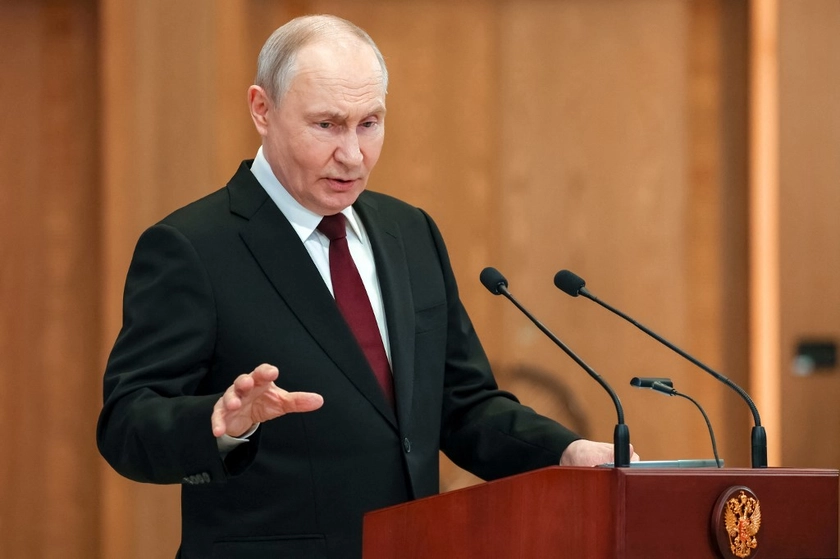
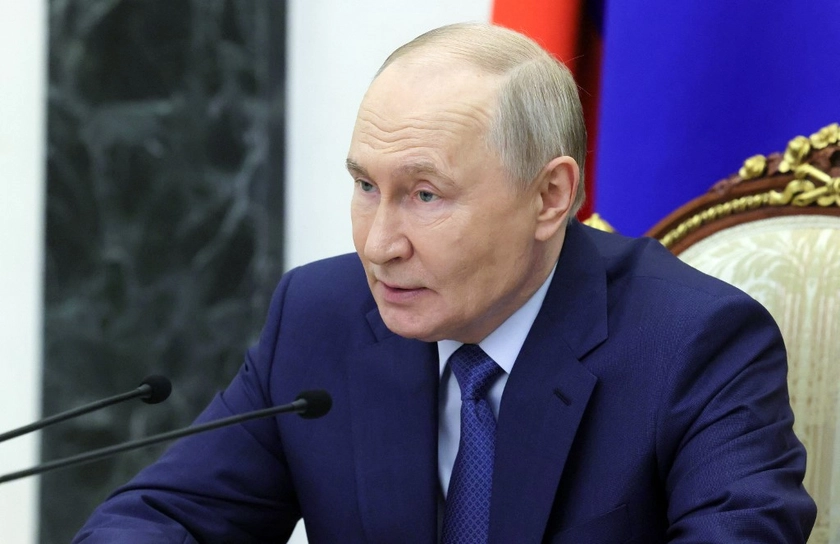
During his visit to the Kremlin on Thursday, Xi Jinping pledged solidarity with Russia against “hegemonic bullying” and “Western unilateralism” and told his counterpart Vladimir Putin their two countries should be “friends of steel,” as they pledged to raise cooperation to a new level and “decisively” counter the influence of the United States.
For Dr. Cecire, Xi’s statements in Moscow also underscore the reality that China’s strategic ambitions are inseparable from its close and enduring bond with Russia.
US policymakers, he says, will “certainly” be taking note of Beijing’s aggressive influence campaigns in Eastern Europe and the Caucasus, such as its strategic partnerships with Hungary, Georgia, and Azerbaijan.
“Given the White House’s growing skepticism of Moscow’s seriousness for a sustainable deal, and Vice President Vance’s reiteration of support for US-European strategic bonds, I think this administration is watching this space closely,” Cecire went on to add.
To counter China’s efforts, the US will need to address new efforts among former allies and partners that seek to engage in new talks or outright align with Beijing, the analyst concluded.
You can also highlight the text and press Ctrl + Enter