Kyiv and Moscow have agreed to exchange 1,000 prisoners of war (POWs) on Friday, but failed to reach a deal on the talks’ main objective – a 30-day unconditional ceasefire.
The two parties also hinted at some progress in setting up a direct talk between the two heads of state, but the results of the talks have been lackluster.
JOIN US ON TELEGRAM
Follow our coverage of the war on the @Kyivpost_official.
Why did the talks take place?
Kyiv, with Europe’s backing and the US’s blessing, called for Moscow to comply with a 30-day unconditional ceasefire starting Monday, May 12, or face crippling sanctions.
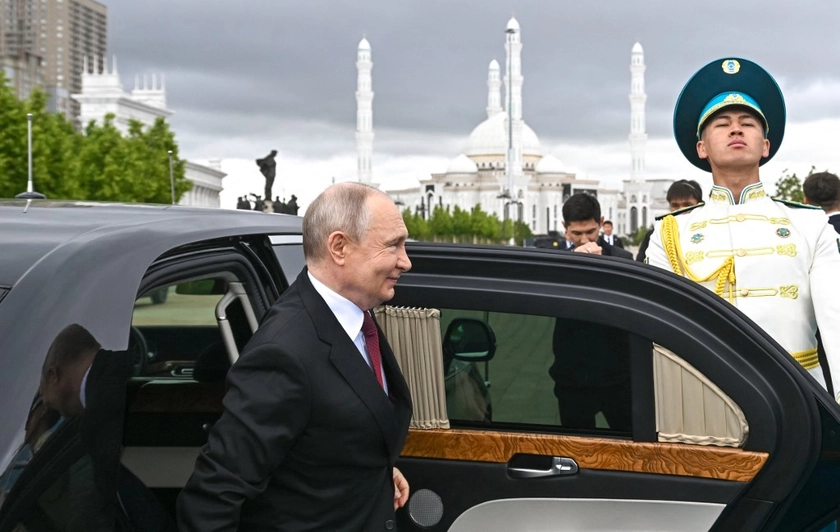
Russian leader Vladimir Putin responded by counterproposing direct talks with Kyiv in Turkey on Thursday, May 15. Kyiv accepted.
The talks were eventually postponed to Friday after Putin did not show up.
The idea of a 30-day unconditional ceasefire has been floating around since at least March, during the US-brokered talks in Saudi Arabia.
Who attended the talks?
The Ukrainian delegation is headed by Defense Minister Rustem Umerov, while the Russian side is headed by former culture minister and Putin aide Vladimir Medinsky.
Each side is backed by a number of officials.
Medinsky, a Kremlin hawk, previously headed the Russian delegation for the failed 2022 talks in Istanbul – the last time Kyiv and Moscow negotiated directly.
Kyiv said the Russian side rejected US and Turkish mediators during the talks. The US delegation talked with both sides before Friday’s talks.
Russia Disguises Fuel Trucks as Milk Tankers to Reach Crimea
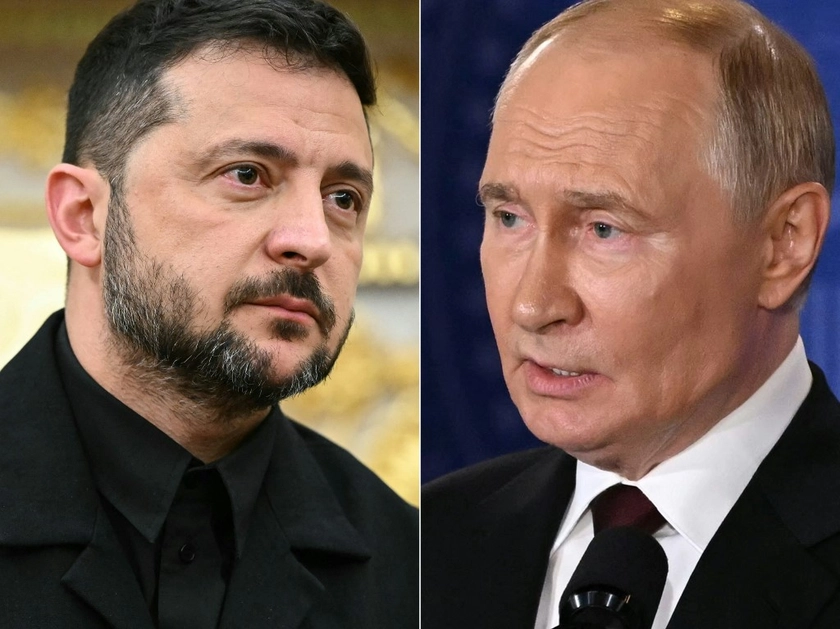
Ukrainian President Volodymyr Zelensky went to Turkey on Thursday after insisting that Putin come for the talks he himself had initiated. Zelensky did not join Friday’s talks due to the low-level representation from the Russian side.
What’s the goal of the talks?
Kyiv said the goal is to secure a ceasefire.
Meanwhile, Moscow insisted that a ceasefire cannot be achieved without sorting out the technical details, effectively rejecting the idea of an “unconditional” ceasefire.
Moscow also said it aims to address the so-called “root causes” of its invasion, which in past mentions included false claims of widespread neo-Nazism in Ukraine and NATO’s eastward expansion, arguments widely rejected by the West as a basis for invasion.
As such, one can interpret the talks as Moscow’s means to stall time and reject a ceasefire, with extra steps.
What was discussed?
The parties discussed a ceasefire, direct talks between Zelensky and Putin, and POW exchanges.
About a ceasefire, Medinsky from the Russian side said, “We agreed that each side will present its vision of a possible future ceasefire. It will spell it out in detail,” according to Russian state outlet RIA Novosti.
Meanwhile, Umerov said a potential ceasefire in “all modalities” was discussed.
But Ukrainian officials told Western outlets that Moscow’s demands include the withdrawal of Ukrainian troops from Ukraine – demands that they called “unacceptable.”
In short, no ceasefire.
About a Zelensky-Putin meeting, Umerov said direct talks were discussed and that a new round of talks might be announced soon; Medinsky said the request is “noted.”
About the POW exchange, that is about the only solid outcome from the talks after the two agreed to a “1,000 for 1,000” format – the largest to date.
What happens now?
Sanctions, maybe.
After the initial May 12 ceasefire deadline passed, Europe said Moscow has this week to show progress before it intensifies its sanctions as promised.
Following the talks, Zelensky and his adviser called on the West to fulfill their sanction promises, seeing that Moscow again said no to a ceasefire.
“Ukraine is ready to take the fastest possible steps to bring real peace, and it is important that the world holds a strong stance,” Zelensky said in an X update.
“Our position – if the Russians reject a full and unconditional ceasefire and an end to killings, tough sanctions must follow. Pressure on Russia must be maintained until Russia is ready to end the war,” he added.
Meanwhile, Zelensky’s adviser, Mykhailo Podolyak, called for sanctions targeting Russia’s oil and banking sectors.
“The conclusion is simple: It is necessary to finally abandon the illusions about the ability of Putin’s subject to negotiate, tough coercion of Russia to peace, a new sanctions regime,” Podolyak said in an update following the talks.
“As a final step, comprehensive sanctions against the Central Bank and the entire banking system of the Russian Federation,” he added.
Now’s the time to see if the West will make good on its words.
You can also highlight the text and press Ctrl + Enter

Putin’s Worst Nightmare